
8 Flu Season Cleaning Hacks That Actually Help
Pro Housekeepers is a nationwide housekeeping company. This guide covers eight practical winter and flu-season cleaning tactics for 2026 — humidity and temperature control, smarter dusting, ventilation, plants as a small assist (not a cure), cautious UV use, steam on soft surfaces, and antimicrobial materials — so colds and flu have fewer footholds at home without gimmicks.

1. Nudge the thermostat down a little
Warm, still rooms favor many bacteria and dust mites. Hospitals keep ORs cool partly for microbial control; you do not need an operating-room climate, but dropping a degree or two (and sleeping around the mid-60s °F if comfortable) can slow growth and often improves sleep. Keep food refrigeration honest — the USDA “danger zone” for perishable food is roughly 40–140°F — and never use cold as a substitute for handwashing and surface disinfection when someone is sick.
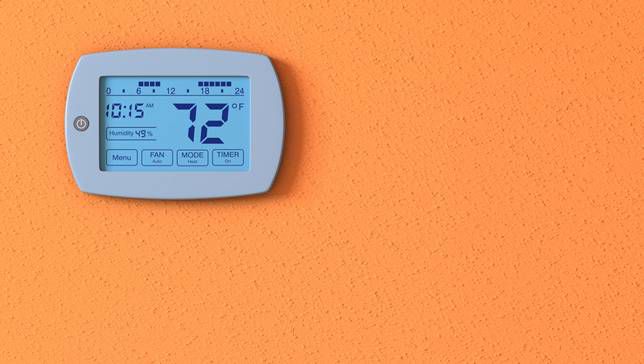
2. Keep humidity in a healthy middle
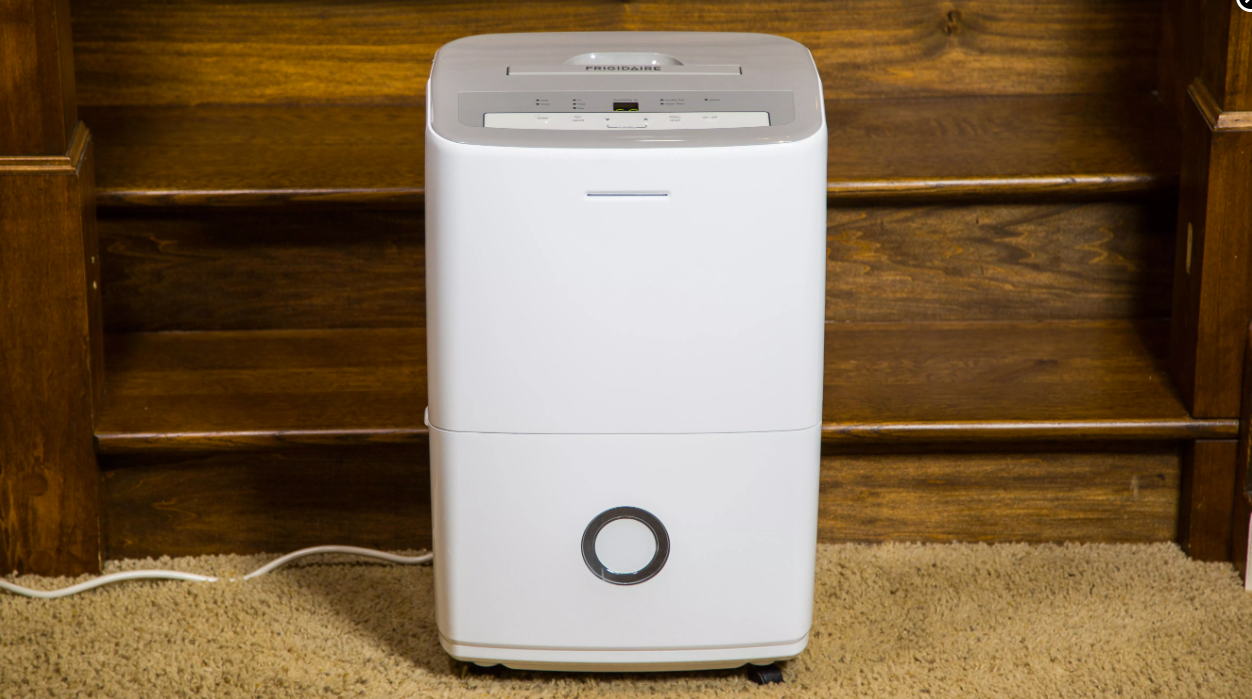
Aim for roughly 30–50% relative humidity. Too damp and you feed mold, dust mites, and musty odors; bone-dry air irritates airways and can make winter viruses feel worse. Use a dehumidifier in wet basements and a humidifier only when readings stay low — clean humidifier tanks so you are not aerosolizing biofilm. A simple hygrometer beats guessing.
3. Ventilate when outdoor air allows
Fresh air dilutes indoor viruses and VOCs. Crack windows on mild days, run bath fans during and after showers, and use kitchen exhaust that vents outdoors while cooking. On wildfire or high-AQI days, close up and rely on filtration instead. Change HVAC filters on schedule; MERV-13 is a solid target if your system supports it.

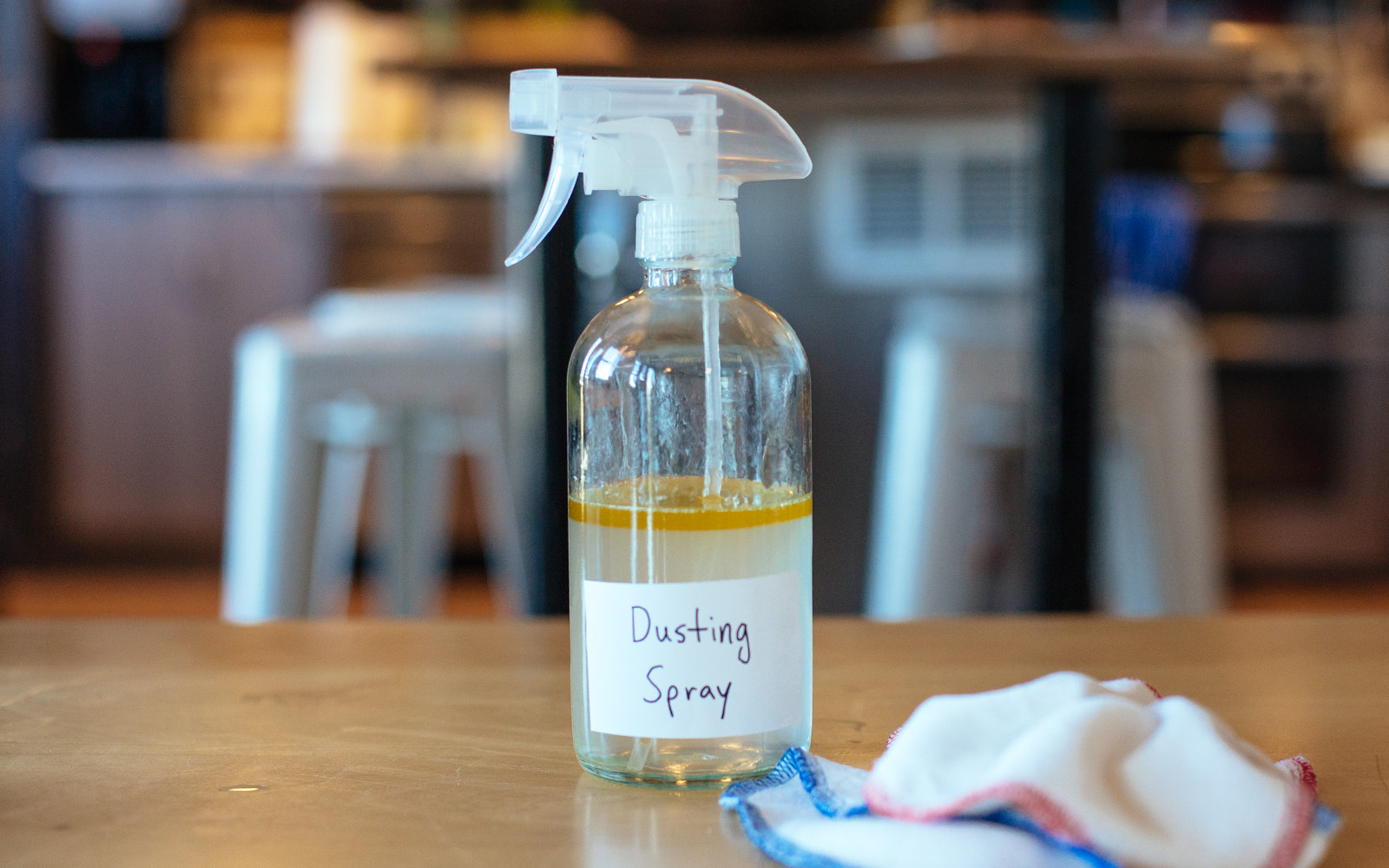
4. Dust in a way that captures, not scatters
Dry feather dusters launch allergens into the air you then breathe. Prefer damp microfiber cloths, a vacuum with HEPA filtration, and top-to-bottom order so debris falls onto surfaces you have not finished yet. Wash throw blankets and pillow covers more often in peak cold/flu months — soft surfaces harbor viruses longer than people think.
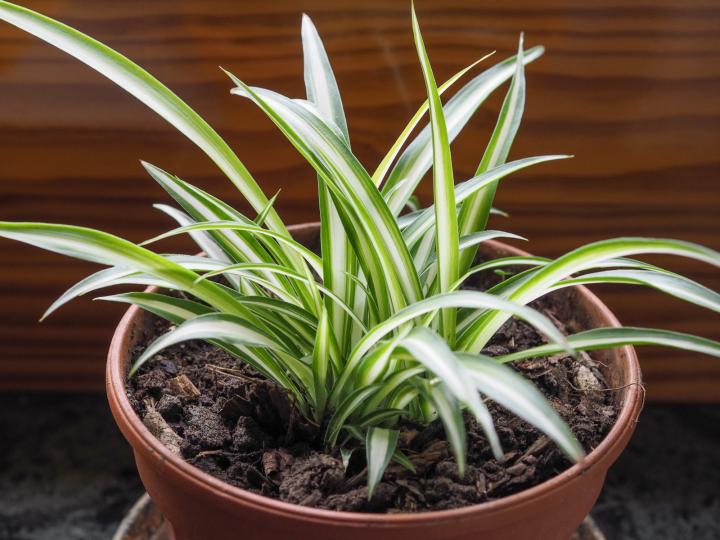
5–6. Plants help a little; manage expectations
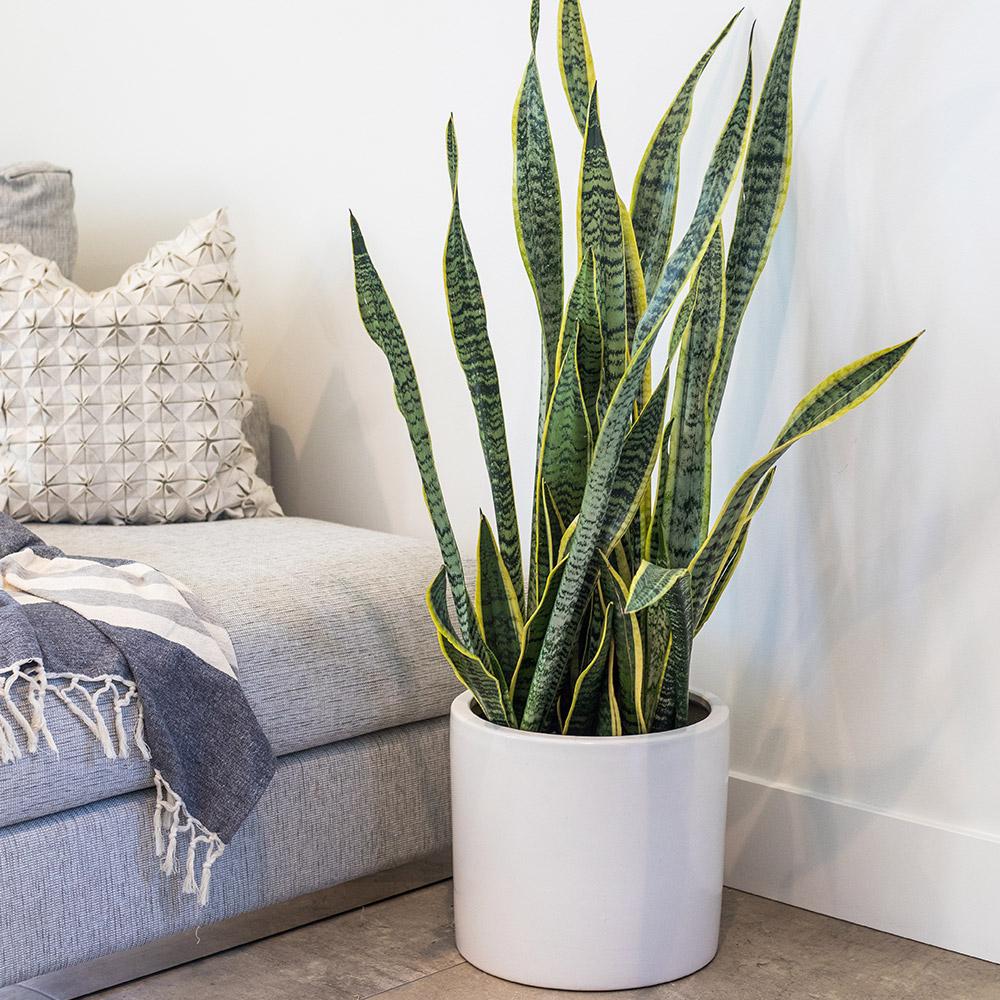
Spider plants and snake plants are tough, low-maintenance greenery. They may slightly help with certain gases in sealed lab demos, but they will not replace a HEPA purifier or a radon test. Keep soil from staying soggy (mosquitoes and mold), and place plants where leaves do not block returns or collect thick dust.
7. Be careful with UV gadgets
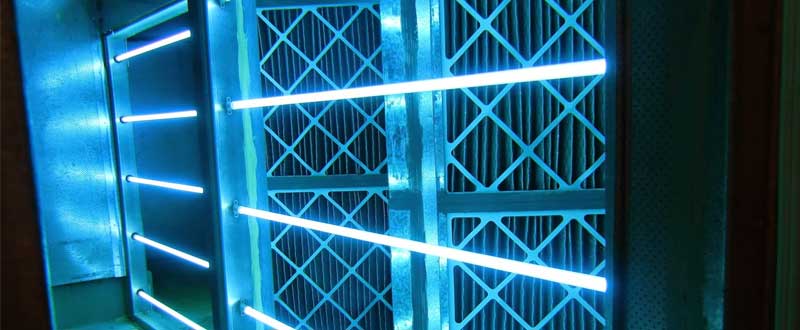
Germicidal UV has real uses in engineered HVAC and upper-room systems. Handheld wands and open bulbs can under-dose surfaces and injure eyes or skin. Never stare at UVC or run high-output lamps in occupied rooms. If you buy a “UV sanitizer,” read wavelength and safety interlocks — and still wipe high-touch surfaces with an EPA-registered disinfectant when someone is ill.
8. Steam soft surfaces; consider copper on touch points
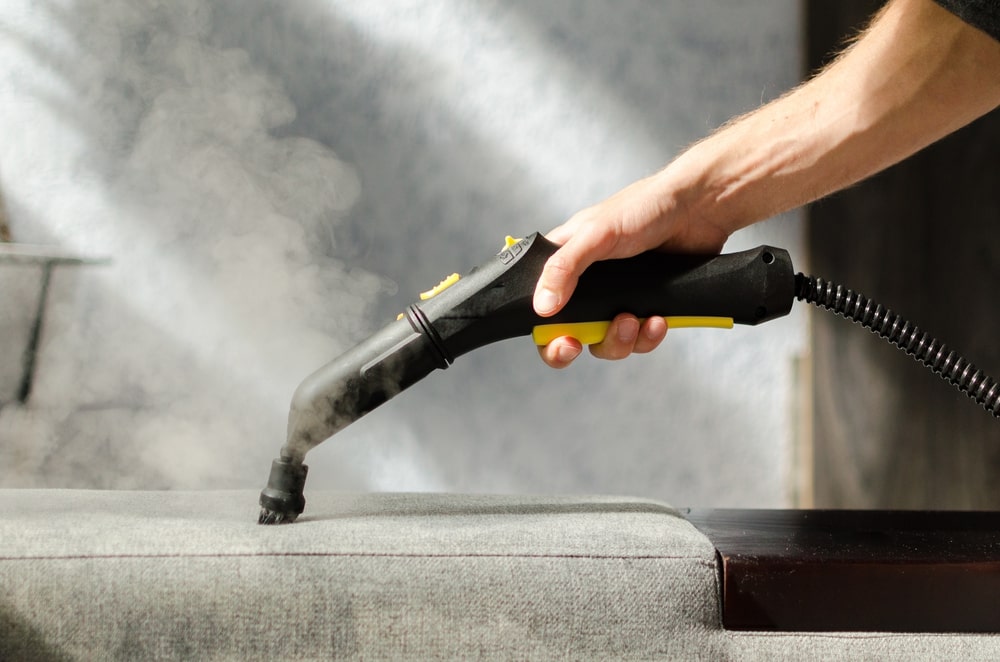
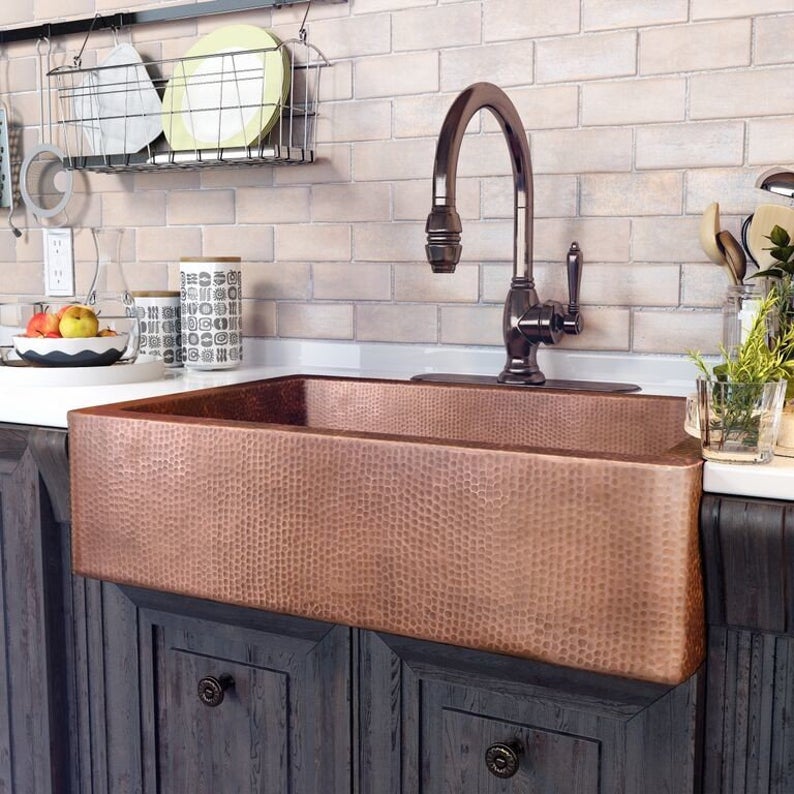
Steam cleaners can refresh sofas, mattresses, and curtains when the fabric rating allows — heat helps reduce dust mites and many microbes without harsh residue. Keep the head moving so you do not soak cushions. Antimicrobial copper alloys on faucet handles or railings can reduce bacterial load between cleanings; they are a supplement, not a free pass to skip washing hands.
Core habits still win
Hand hygiene, isolating when sick, disinfecting remotes and doorknobs, and washing bedding beat exotic hacks. Layer these eight tactics on top of a normal cleaning rhythm — they are multipliers, not replacements.
Frequently asked questions
Does colder air kill the flu virus on surfaces?
Cooler indoor temps can slow some bacterial growth; flu control still depends on hygiene, ventilation, and staying home when contagious.
Is a dehumidifier enough in winter?
Only if humidity is high. Many winter homes are too dry — measure first.
Are copper sinks worth it?
Nice bonus on high-touch metal; budget HEPA vacuuming and handwashing first.
Should I fog the house every flu season?
Usually no — targeted cleaning and disinfection are enough for most homes.
If winter has left dust, soft furnishings, and bathrooms overdue, Pro Housekeepers’ regular cleaning or deep cleaning can reset the baseline so these habits stick.