
How to Clean a Shower Curtain and Liner
To clean a shower curtain or liner, match the method to the material. Fabric curtains (cotton, linen, polyester) usually machine-wash cold with mild detergent. Vinyl, EVA, and many plastic liners can often machine-wash on a gentle or warm cycle with towels to cushion them — or hand-scrub with baking soda. Skip chlorine bleach on polyester when you can; it yellows and weakens fibers — white vinegar is a gentler mildew helper. Always read the care label, and clean about once a month so soap scum and mildew never get ahead of you.
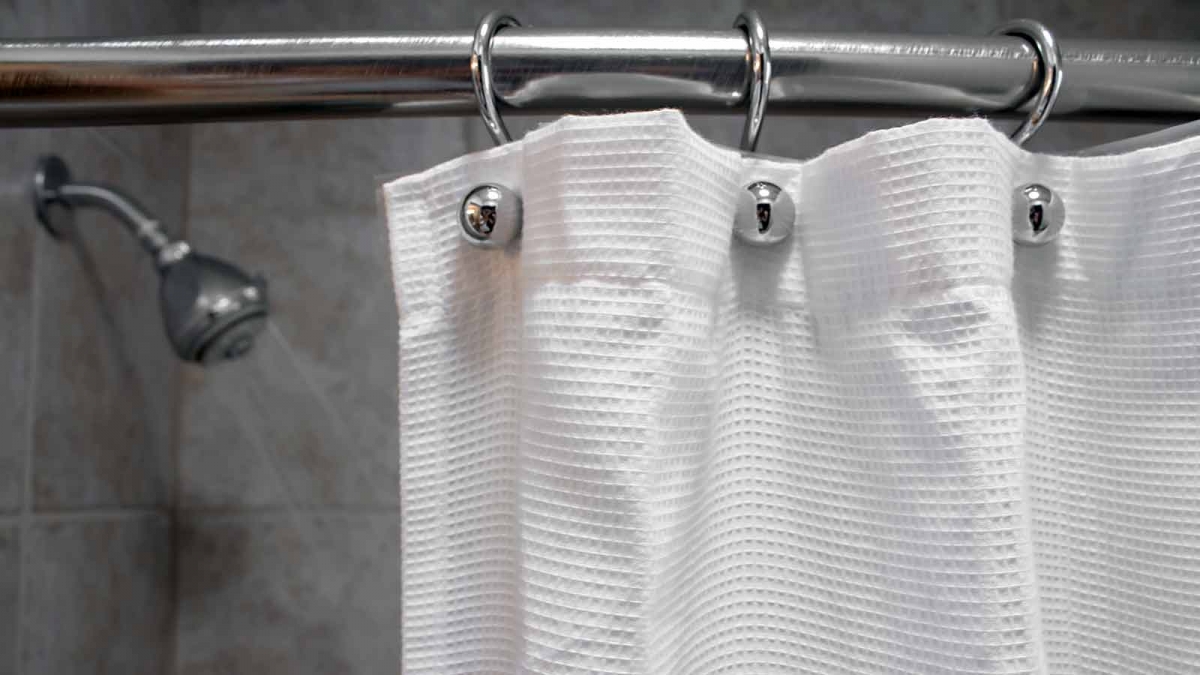
Fabric and synthetic curtains
Machine wash cold with mild detergent. Delicates go in a mesh bag; a towel in the drum reduces wrinkling and slap noise. Hang to dry or low tumble if the label allows — high heat warps some synthetics and coatings.
- Cold or warm water per label
- Mild detergent; optional cup of white vinegar in the rinse for mild mildew odor
- Avoid chlorine bleach on polyester unless the label explicitly allows it
- Rehang promptly so deep wrinkles do not set

Plastic and vinyl liners
Many liners survive a gentle machine wash with a couple of towels (towels scrub lightly as the drum turns). Use vinegar instead of bleach for mildew smell. If the liner is thin, cracked, or permanently stained, replacement is cheaper than endless scrubbing — liners are consumables.
Related: how to wash plastic shower curtains.
Hand-wash method
- Leave the curtain hanging or lay it in the tub.
- Sprinkle baking soda on damp mildew spots; scrub with a soft brush or sponge.
- Wipe with a 1:1 vinegar-water solution; rinse.
- Air-dry fully before bunching it closed.

Rings and rod
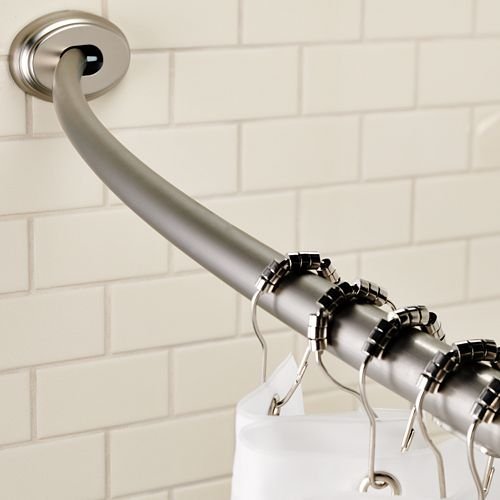
Pop rings off and soak in warm soapy water; scrub soap-scum grooves. Wipe the rod with all-purpose cleaner or vinegar-water; dry metal so it does not spot. Bent rings that snag fabric are worth replacing.
How often?
About monthly for most homes; every two weeks in humid bathrooms or shared baths. Shake or spread the curtain after showers so it dries instead of staying folded wet.
Frequently asked questions
Can I bleach a moldy liner?
Some vinyl labels allow diluted bleach; many polyester curtains do not. Ventilate, never mix bleach with vinegar or ammonia, and rinse well. Heavy black mold on a cheap liner usually means replace.
Why does mildew come back so fast?
The curtain stays damp and the bathroom stays humid. Run the fan, leave the curtain open to dry, and fix leaks.
Fabric vs liner — which should I wash more?
The liner takes the soap spray; wash it at least as often as the outer curtain.
While the curtain dries, the rest of the bath still needs walls, glass, and floors. Pro Housekeepers’ regular cleaning or deep cleaning keeps the whole bathroom caught up.