
To clean a washing machine, run an empty hot cycle once a month with either two cups of white vinegar (front loader) or four cups (top loader), pausing mid-cycle for 30 minutes to soak, then wipe down the drum and rubber gasket. Use bleach instead if you’re fighting a sulfur or sewage smell from bacteria. Between washes, dry the gasket, leave the door ajar, and never leave wet clothes sitting inside.
You rely on your washing machine to keep your clothes clean and smelling fresh — so what happens when the machine itself is the source of stains and bad smells? Whatever type you have, this guide shows you how to spot the signs your washing machine needs cleaning, and how to clean it for the best results.
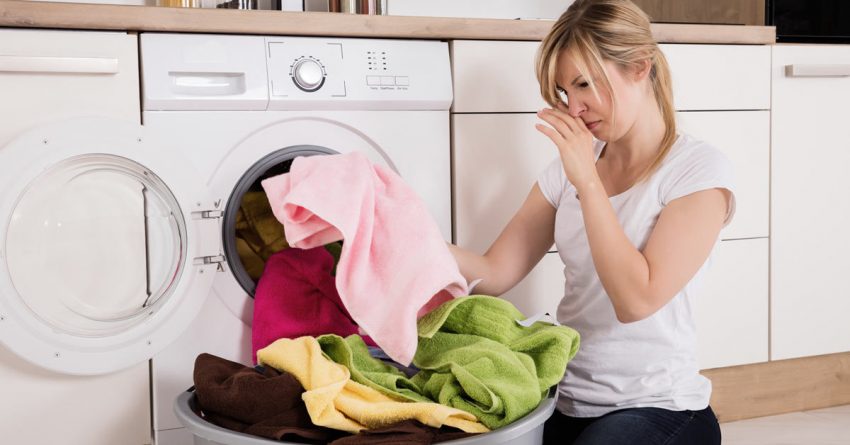
What are the signs your washing machine needs cleaning?
Noticed a stale, musty smell on your clothes — or even eggs or sulfur? A bad smell is usually the first sign your washer needs a scrub. Over time, bacteria, limescale, soap scum, slime, and mildew accumulate inside, stopping the machine from working efficiently and leaving clothes dirtier than when they went in.
While mold and bacteria in your washer is gross, it shouldn’t surprise you. Washing machines are exactly the kind of warm, dark, wet environments that microorganisms love — and they get fed regular doses of detergent. Soap scum isn’t just unsightly; it’s a banquet for bacteria.
A musty or mildew smell means mold is growing inside, often around the rubber gasket of front loaders. If you smell eggs, sulfur, or sewage, you’ve probably got bacteria — the odor comes from hydrogen sulfide gas, a byproduct of their metabolism.
Smells aren’t the only giveaway. Slow draining can mean soap scum and lint are building up in the drain; cleaning the filter and flushing the drain regularly helps. You might also see visible grime — and if your washer is dirty, so are your clothes, sometimes coming out with black or rusty marks.
Whether or not you notice obvious signs, it’s always a good idea to clean your washer on a regular schedule to keep dirt, mold, and soap scum from becoming a problem.
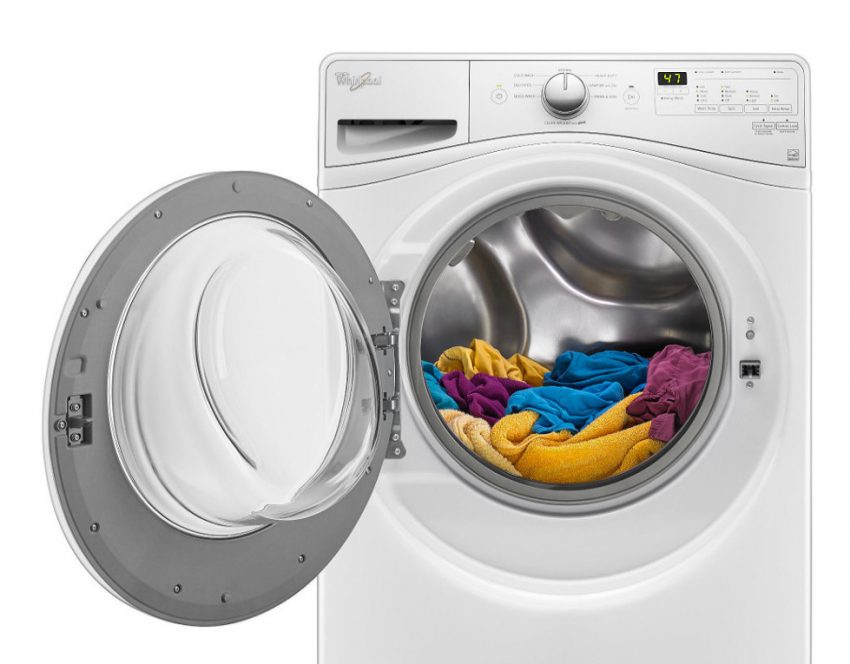
How do you clean a front loader washing machine?
Front loaders are the most common type, but also the most prone to mold because of their door design. The rubber gasket around the door is dark and damp — perfect for mold — and its folds hide growth until it’s well established.
Check around the door once a week as part of your routine. Pull back the rubber to inspect between the folds and wipe it down with a rubber-safe antibacterial cleaner. Black marks on your cloth mean mold and mildew are growing inside.
To help the machine dry between loads, use a microfiber cloth to wick moisture from around the door and drum — microfiber is best because it’s highly absorbent and lint-free.
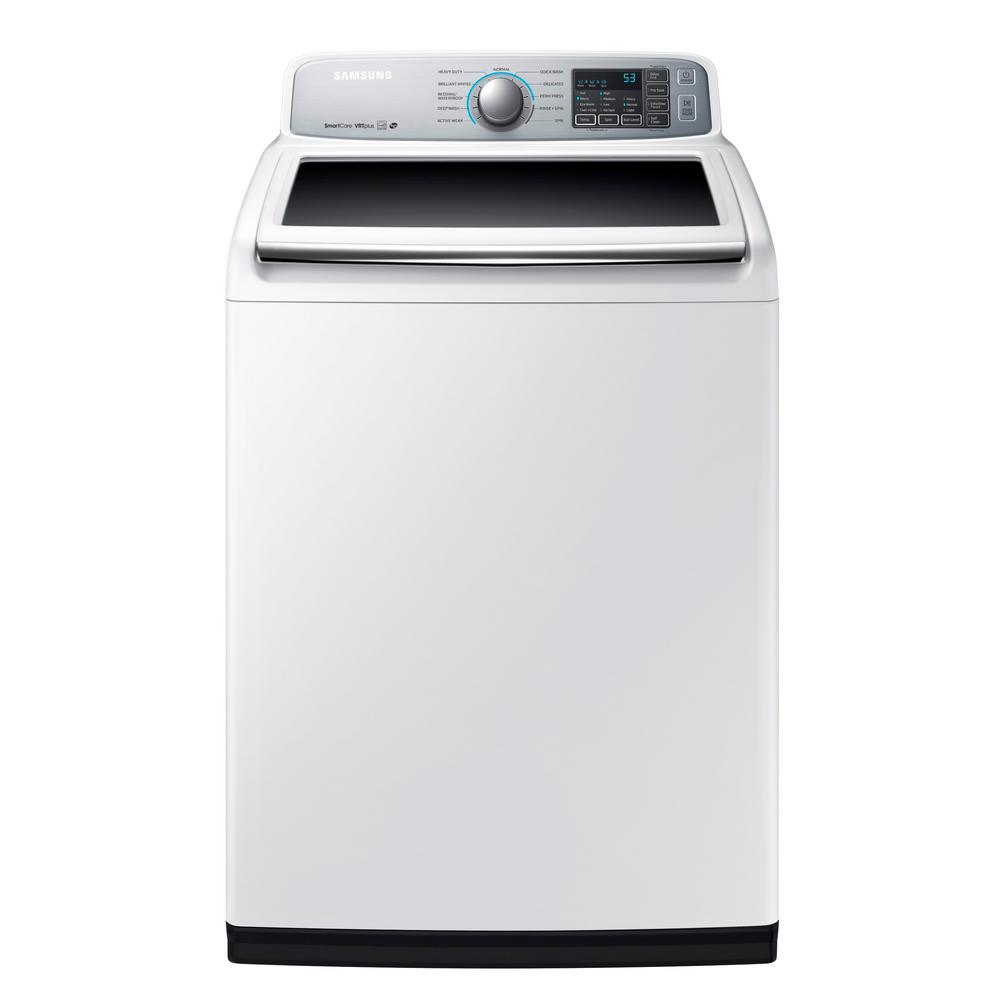
How do you clean a top loader washing machine?
Top loaders don’t have the door-gasket mildew problem front loaders do, but they still need regular cleaning. Water and soap can pool in the bottom, leaving a musty smell that transfers to your clothes. Too much soap buildup can also cause slow draining, and many newer top loaders don’t fill the drum completely — so large areas get damp from steam and splashing but are never fully submerged and cleaned.
Which products clean a washing machine?
Whatever type you own, regular cleaning ensures the best performance and truly clean clothes from every wash.
SYMPTOM |
CAUSE |
TREATMENT |
Musty smell |
Mold or mildew growth |
Clean drum and gasket with all-purpose cleaner |
Egg/sulfur/drains smell |
Bacteria growth |
Clean with a disinfectant such as bleach |
Slow draining |
Soap scum buildup in pipes |
Run a hot wash with a grease-busting cleaner |
Smelly clothes |
Mold or mildew growth |
Run a hot wash with an antibacterial cleaner |
Stained or dirty clothes |
Mold or bacteria growth |
Use bleach to kill bacteria and stay on top of future growth |
How do you clean a washing machine with bleach?
Note: Never mix bleach with other chemicals, particularly ammonia — the reaction creates fumes that are harmful to breathe. Open a window and wear gloves when working with bleach.
Chlorine bleach is a cleaner’s best friend for killing mold and mildew and sanitizing surfaces, and it cleans a washing machine quickly and efficiently.
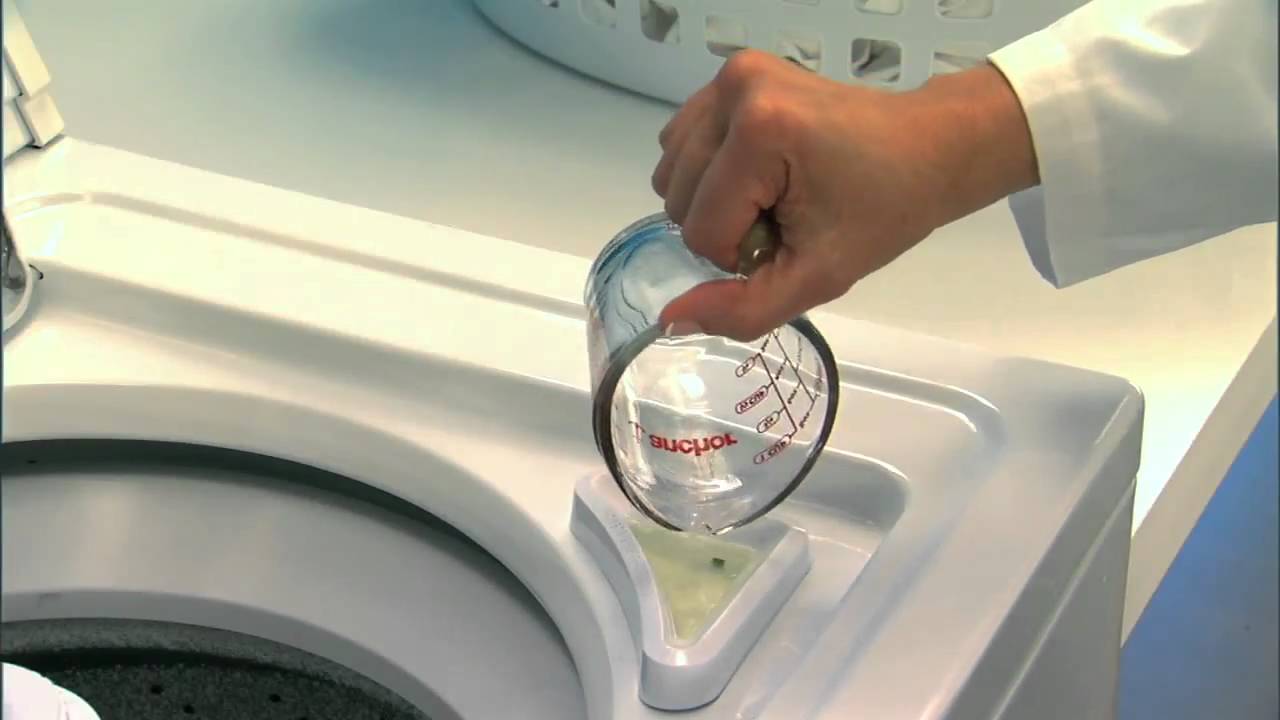
Cleaning a front loader with bleach
Step 1: Set the machine to its highest temperature.
Step 2: Pour two cups of bleach into the detergent tray.
Step 3: Set the longest cycle.
Step 4: Start it, and let the basket fill and the bleach mix with the water.
Step 5: Pause and let the bleach and water sit in the basket for half an hour.
Step 6: Resume and let it finish.
Cleaning a top loader with bleach
The process is similar. If your top loader has a detergent drawer, add two cups of bleach there and two more into the drum. With no drawer, add four cups to the drum. Start the longest, hottest cycle and let the agitator mix the bleach with the water, then pause for half an hour before restarting and finishing.
If you can’t pause the cycle
If your machine won’t let you pause, or you can’t watch it, put the bleach directly into the basket and let it sit for an hour before turning the washer on.
Removing the bleach smell afterward
Bleach gets your washer sparkling but doesn’t smell great on clothes. Run another rinse cycle to flush out the last of it.
Pro Tip: If you’d rather not use bleach but want the same bacteria-killing power, substitute an equal amount of hydrogen peroxide. Either one sanitizes effectively.
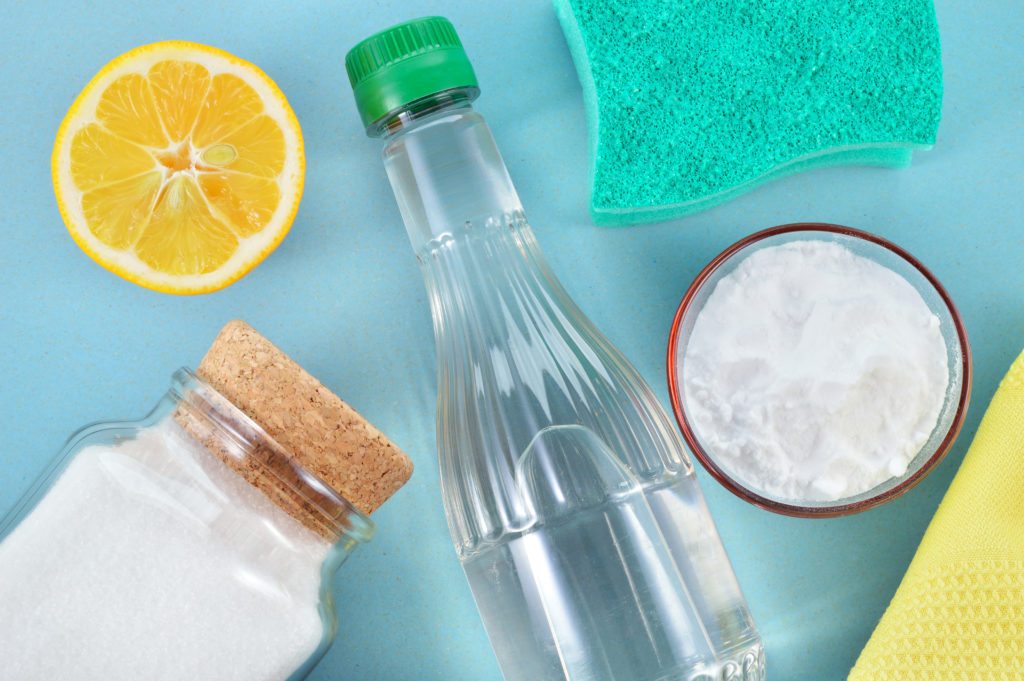
How do you clean a washing machine with vinegar and baking soda?
If DIY is more your style, you can’t go wrong with white vinegar and baking soda (sodium bicarbonate) — an effective cleaner for almost any surface. The antibacterial properties of vinegar make it a prized cleaning solution, and combining acidic vinegar with a weak base like baking soda makes a powerful foaming cleaner.
Pro Tip: Always use plain white or distilled vinegar inside your machine — other kinds can leave residue. White vinegar is a great deodorizer, so don’t worry about a lingering smell.
What you’ll need
- White/distilled vinegar
- Baking soda
- Fresh water (optional)
- Lemon juice (optional)
Front loader with vinegar and baking soda
For the most effective results, you don’t want the vinegar and baking soda to mix until they’re in the basket. Try any of these:
- Add 2 cups of vinegar to the detergent dispenser and half a cup of baking soda to the softener dispenser.
- Put 2 cups of vinegar directly into the drum, and mix half a cup of baking soda with enough water to make a loose paste in the detergent dispenser.
- Add vinegar and baking soda directly into the basket.
- Add half a cup of baking soda to the drum, start the cycle, then pour 2 cups of vinegar into the detergent dispenser.
Once added, run a long, hot cycle. As soon as the basket fills and the two have mixed, pause for half an hour to let the solution work, then resume.
Top loader with vinegar and baking soda
Most top loaders have no detergent drawer, so combine the two in the drum. Use four cups of white or distilled vinegar:
- Add 4 cups of vinegar and 1 cup of baking soda to the basket and start a long, hot cycle. Pause for half an hour after it fills, if possible.
- Fill the drum with hot water and add 4 cups of vinegar. Let stand half an hour, then add 1 cup of baking soda and run a long, hot cycle immediately.
- Put 1 cup of baking soda in and start a long, hot cycle. Let the agitator dissolve it (about 10 minutes), pause, add 4 cups of vinegar to the hot water, let sit half an hour, then resume.
Pro Tip: For the same results and a fresher scent, replace the vinegar with the same amount of real lemon juice — just make sure there’s no added sugar that would leave residue. You can also substitute citric acid or hydrogen peroxide.
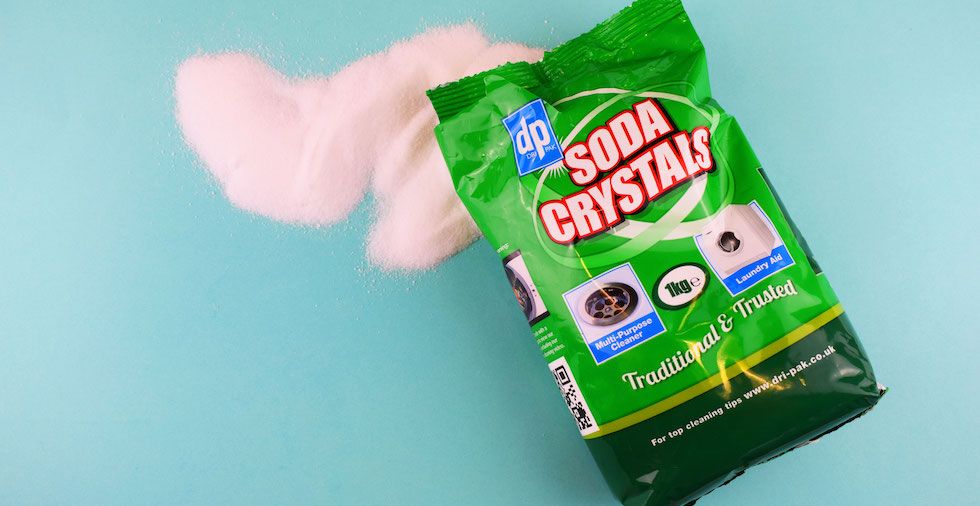
How do you clean a washing machine with soda crystals?
Soda crystals (washing soda) are a form of sodium carbonate — a powerful water softener and multipurpose cleaner that’s especially good at dissolving grease, which makes it great for breaking down the soap scum that blocks drains and feeds bacteria.
Place two cups of soda crystals into the drum and start a long, hot wash; they dissolve in hot water, so that’s all it takes. Repeat monthly as a maintenance cycle.
Pro Tip: To clean the detergent tray, dissolve half a cup of soda crystals in two cups of hot water and pour it into the dispenser drawer before starting the cycle to flush residue from the drawer and pipes.
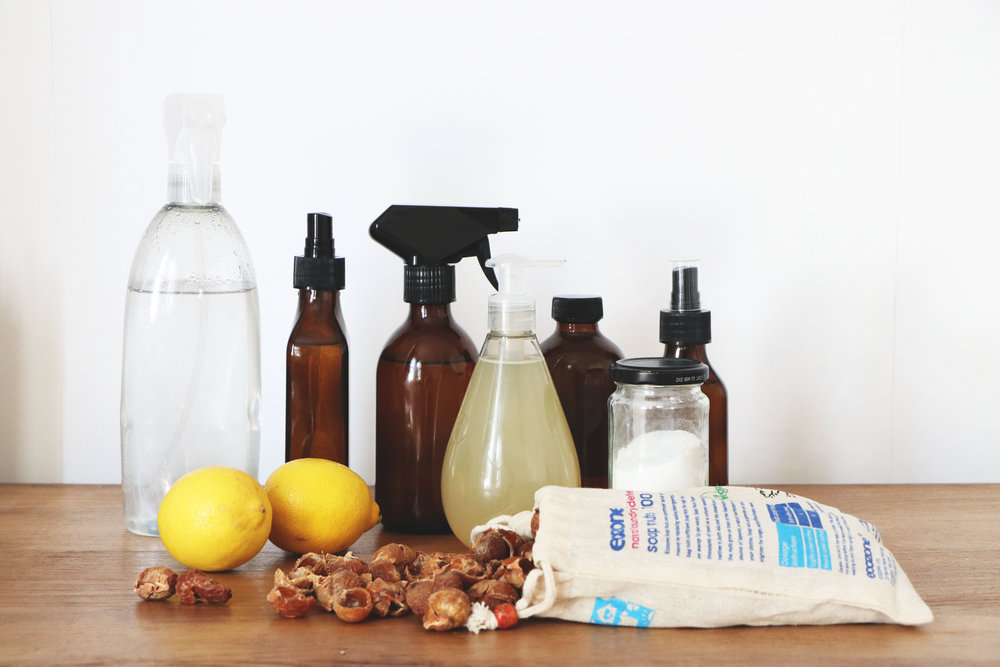
How do you clean a washing machine naturally?
You don’t need specialist solutions or harsh chemicals. Any of these DIY natural cleaners makes a cheap, effective, eco-friendly option. Use them as topical sprays (then wipe with a microfiber cloth), or add two cups to a front loader or four cups to a top loader as a general cleaner.
Hydrogen peroxide and lemon juice
- 2 cups water
- Half cup hydrogen peroxide
- Quarter cup real lemon juice
Both are effective cleaners that combat and inhibit mold growth.
Vinegar and lemon juice
- 2 cups water
- Half cup white vinegar
- Quarter cup real lemon juice
For a natural alternative to hydrogen peroxide, distilled white vinegar works as an all-purpose cleaner. Despite its strong smell, it’s a great deodorizer, so with the lemon juice it leaves the machine smelling fresh.
White vinegar
- 1 cup distilled white vinegar
- 4 cups water
Just diluted vinegar makes an effective cleaner — it inhibits mold growth and deodorizes.
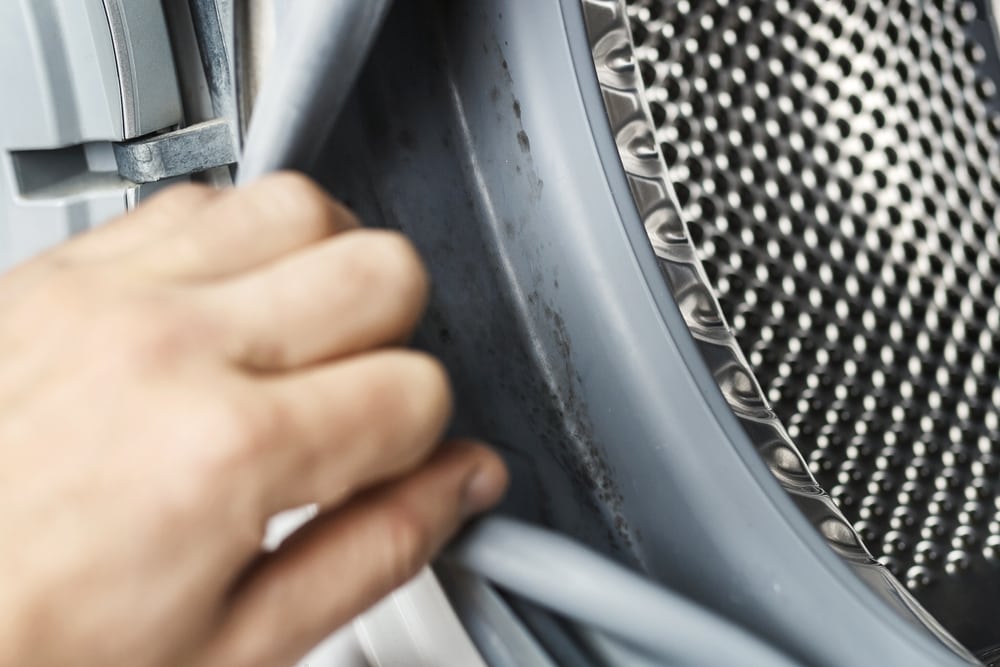
Sanitizing to get rid of mold and bacteria
If you’ve tried everything else, it may be time for bleach to keep mold and bacteria under control. A dilute mix makes a good all-purpose sanitizing solution.
Bleach
- 1 cup chlorine bleach
- 4 cups water
Pro Tip: For a really fresh-smelling machine, add a tablespoon of eucalyptus oil to a hot wash. It smells great and helps break down soap deposits in the drain. Use it alone or with white vinegar and baking soda.
How do you clean the different parts of your washing machine?
Depending on whether you have a front or top loader, different parts need attention. Front loaders are prone to mold in the folds of the door gasket; top loaders get musty if water drains slowly and pools in the bottom. Knowing which parts to watch makes upkeep easy.
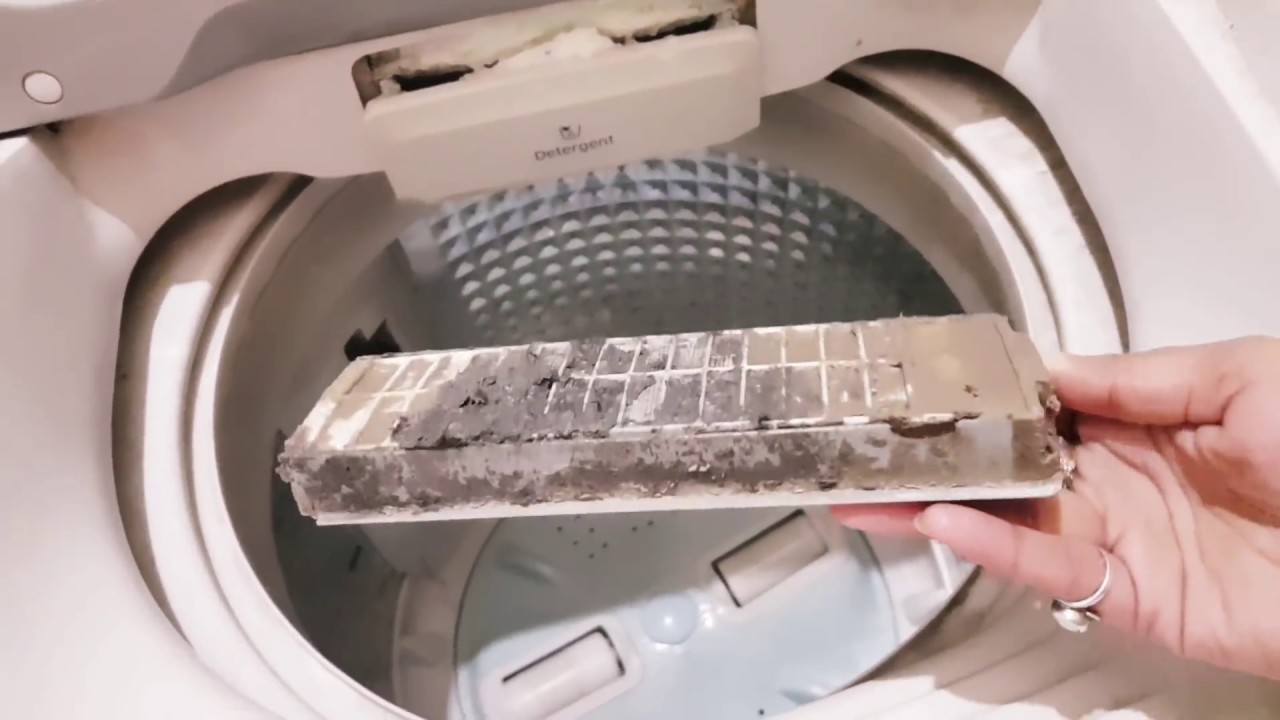
How do you clean the drum and filter?
Both types can smell if the drum isn’t clean — modern machines use little water, so they don’t self-clean during a load. The best approach is a hot wash using bleach, vinegar, soda crystals, or a DIY solution; afterward, wipe down the basket with a microfiber cloth.
Front loader filters are usually at the lower front of the machine; top loader filters are normally inside the fabric softener dispenser on top of the agitator. Take the filter out (front loaders often need a screwdriver or coin; top loader dispensers usually unscrew). There’s often water inside, so put down a towel. Remove debris — keys, coins, lint, and sometimes sharp objects like pins, so be careful — then rinse under water and scrub with an old toothbrush if needed.
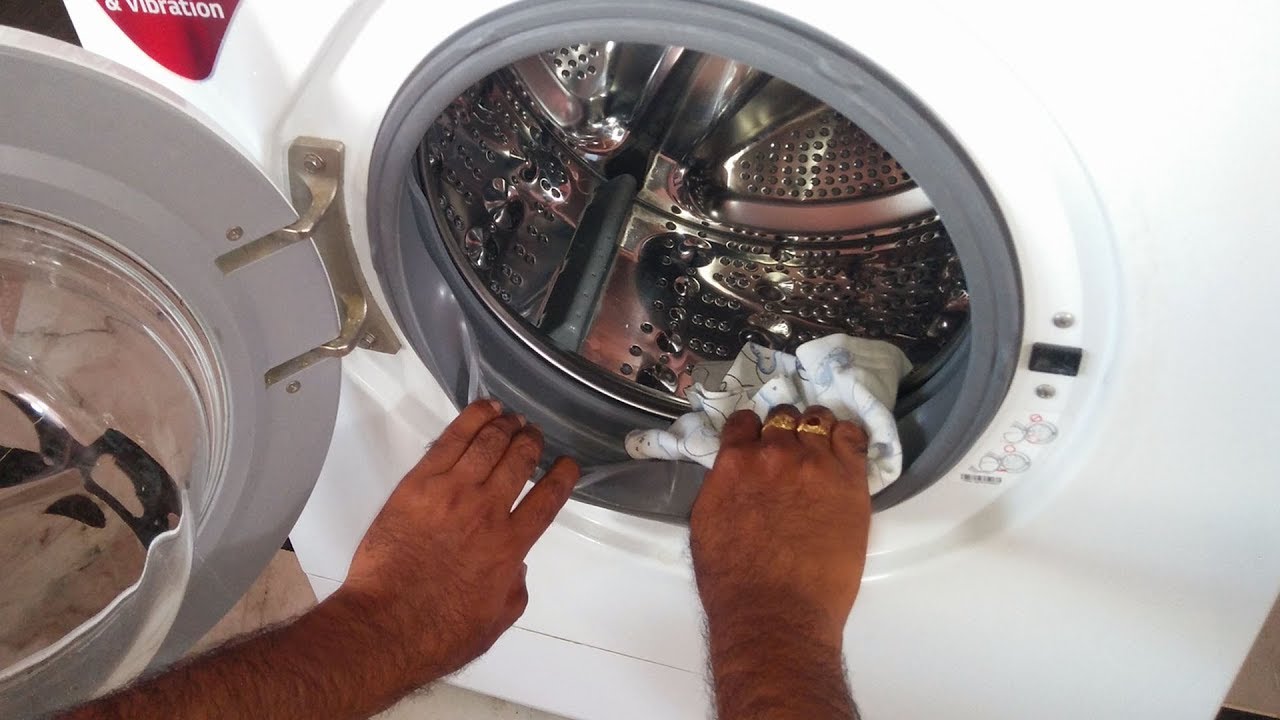
How do you clean the rubber gasket?
The gasket is the rubber seal around a front loader’s door, and it’s prone to mold and mildew because it’s warm, dark, and moist. To check, pull apart the folds and run a clean microfiber cloth around it — if it comes away green, brown, or black, there’s mold growing.
To clean and sanitize it, spray a microfiber cloth with white vinegar, all-purpose cleaner, or bleach and wipe the gasket, paying attention to the folds and any spots where water pools. For heavy buildup, use a soft-bristled brush. For lasting results, dry the gasket after every wash and leave the door ajar.
How do you clean the soap dispenser?
Dispenser drawers quickly accumulate soap scum that looks bad and can cause blockages. Most trays slide out entirely — remove all the parts you can and wipe away as much residue as possible with a paper towel. Soak the parts in warm, soapy water for half an hour, then clean with a sponge or microfiber cloth (an old toothbrush helps in tight corners). Dry everything thoroughly before reassembling.
How do you maintain a washing machine between deep cleans?
An ounce of prevention beats a pound of cure. Cleaning your washer as part of your routine keeps it in prime condition and prevents odors and stains.
Pro Tip: Many machines have a preset cleaning cycle — check your manual.
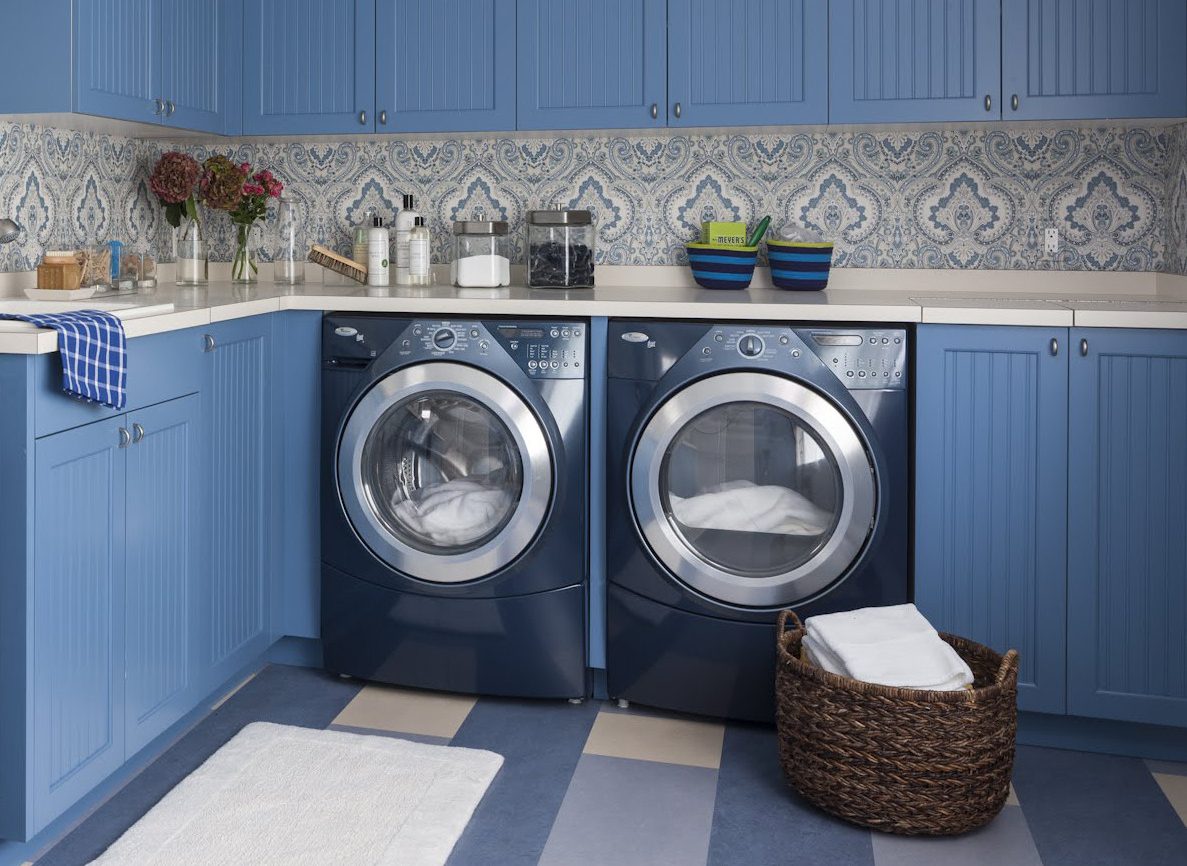
Once a month, run a hot cycle with a cleaning solution to sanitize the drum and flush the pipes — bleach, vinegar, soda crystals, a DIY solution, or a specialist cleaner.
Use the right detergent. High-efficiency (HE) washers need HE detergent, or they create too many suds, leading to residue buildup, smells, blockages, and bacteria. If you’ve been using the wrong kind, a couple of hot rinse cycles should clear the pipes.
Don’t leave wet clothes in the machine — damp laundry creates the moist atmosphere microorganisms thrive in, and moving clothes promptly keeps them from getting musty.
Leave the door open so air can circulate. Most new machines have a magnetic door holder that props the door open an inch to dry; aftermarket latches do the same for older machines.
If your laundry room is humid, run a dehumidifier — the drier you keep the machine, the longer it lasts.
That’s all there is to it. With regular cleaning and a little TLC, your washing machine will stay clean and efficient for years.
FAQ
How often should you clean a washing machine?
Run a hot cleaning cycle once a month, and wipe down the gasket and door of a front loader weekly. Between washes, leave the door ajar and don’t let wet laundry sit inside.
Can you clean a washing machine with vinegar and bleach together?
No — never combine them, as the mix can release harmful chlorine gas. Use one or the other, and run a rinse cycle in between if you want to switch.
Why does my washing machine smell even after cleaning?
The most common culprit is the door gasket or a clogged filter, which both trap residue a regular cycle misses. Clean those by hand, then leave the door open between loads so the drum can dry out.