
How to Get Rid of Mildew from Anything
Pro Housekeepers is a Tampa-based nationwide housekeeping company (since 2015). This guide covers how to get rid of mildew on walls, tile, fabrics, and appliances — vinegar, peroxide, and bleach options, moisture control that stops regrowth, and the safety rule against mixing cleaners.
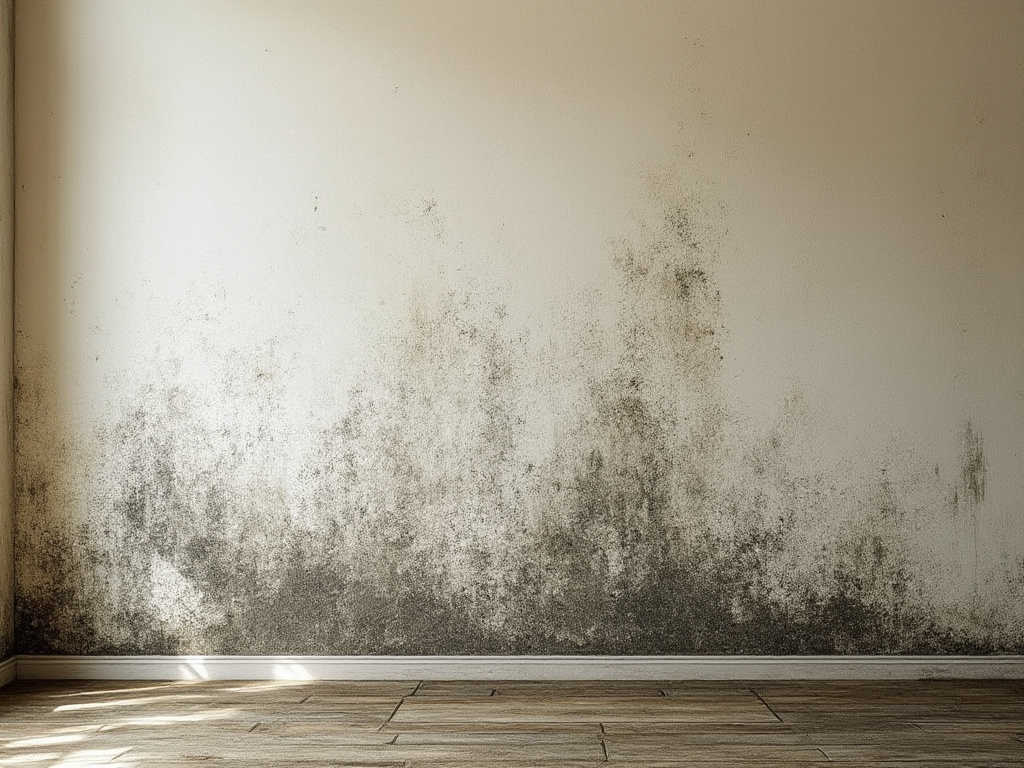
Mildew thrives where air stays damp: bathrooms, closets, laundry rooms, and poorly ventilated kitchens. Killing the visible growth without fixing moisture only buys a short break — spores return when humidity stays high. Use one disinfectant chemistry at a time, scrub, rinse if the product requires it, and dry the area completely.
Mildew vs mold (quick clarity)
Mildew is a surface fungus that often looks powdery, downy, or flat — white, gray, or black dots. Deeper black mold into drywall or porous materials may need professional remediation, not just a spray bottle. Pink “mildew” on shower curtains is often a yeast (Rhodotorula), not true mildew, but the same clean-and-dry approach helps. If you smell a strong musty odor with large patches, or anyone in the home has serious respiratory issues, treat large infestations cautiously and consider a specialist.
Supplies
- White vinegar; 3% hydrogen peroxide; baking soda
- Household bleach for non-porous surfaces only (optional)
- Soft brush; spray bottles; microfiber cloths; gloves
- Fans or dehumidifier; paper towels
Safety: never mix bleach with vinegar, ammonia, or hydrogen peroxide — toxic gases can form. Ventilate. Wear gloves. Keep kids and pets out of the room while bleach is wet. Discard heavily mildewed porous items (cheap curtains, stuffed toys) you cannot fully dry.
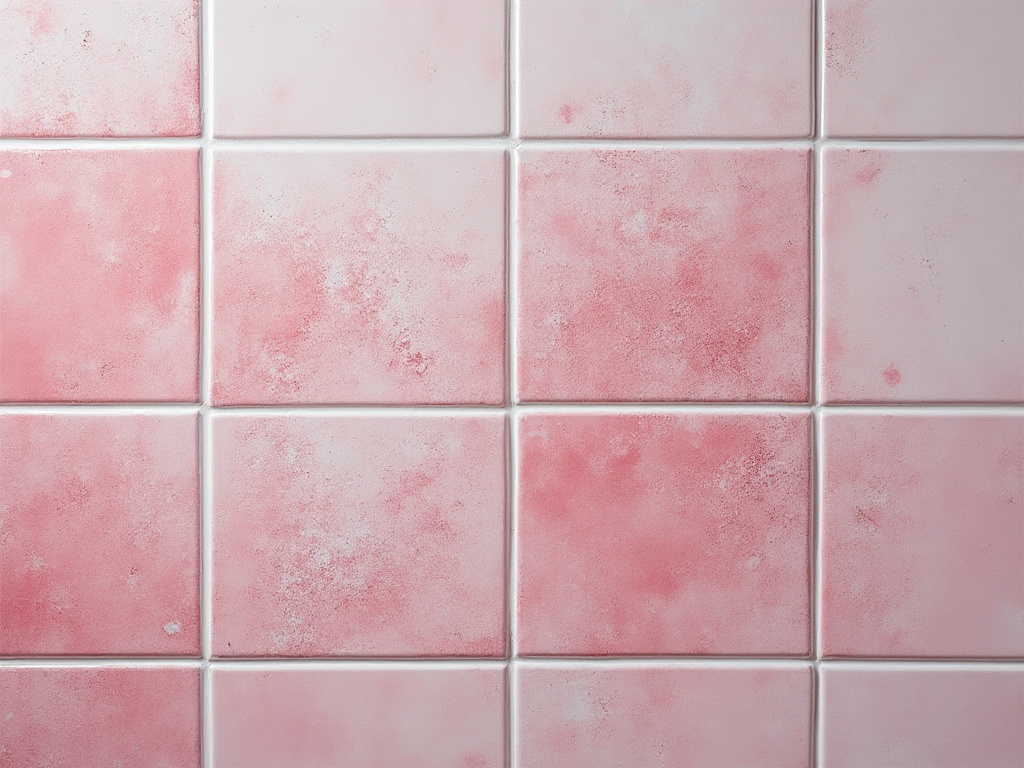
Tile, grout, and shower surfaces
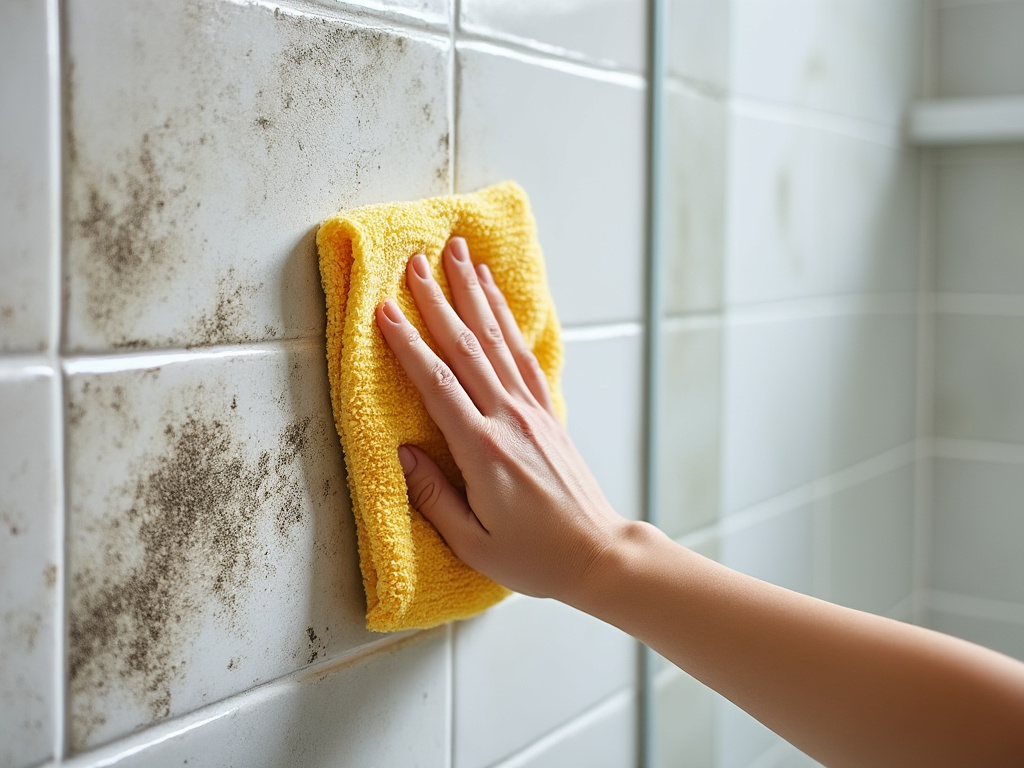
- Spray undiluted white vinegar on the growth; wait at least 30 minutes.
- Scrub with a soft brush; rinse and dry thoroughly.
- For grout: make a paste of baking soda and hydrogen peroxide, scrub into lines, wait 10–15 minutes, rinse, dry.
- On non-porous tile only, a diluted bleach solution (follow label; often about 1 cup bleach per gallon of water) can disinfect after cleaning — never on top of vinegar residue. Rinse and dry.
Leave the shower door open after use and run the exhaust fan 20–30 minutes. Wipe corners where water pools.
Painted walls and ceilings
- Test a small spot. Vinegar spray often lifts light surface mildew.
- Wipe gently — heavy scrubbing can damage paint.
- Dry with fans. If stains remain or growth returns through paint, you may need mold-resistant primer and paint after the wall is dry and cleaned.
Large areas of black growth behind wallpaper or in soft drywall are beyond DIY wipe-downs.
Fabrics, towels, and shower curtains
- Washable fabrics: wash in the hottest water safe for the fabric with detergent; add a cup of white vinegar to the rinse, or use a laundry sanitizer per label. Dry completely in sun or a hot dryer — damp folds regrow mildew overnight.
- Plastic shower curtains: wash with towels on gentle, or scrub with vinegar, rinse, hang fully open to dry. Replace when pink film will not clear.
- Non-washable upholstery: vacuum, spot with vinegar lightly if fabric allows, then dry with airflow. When in doubt, call a cleaner.
Washing machines and musty smells
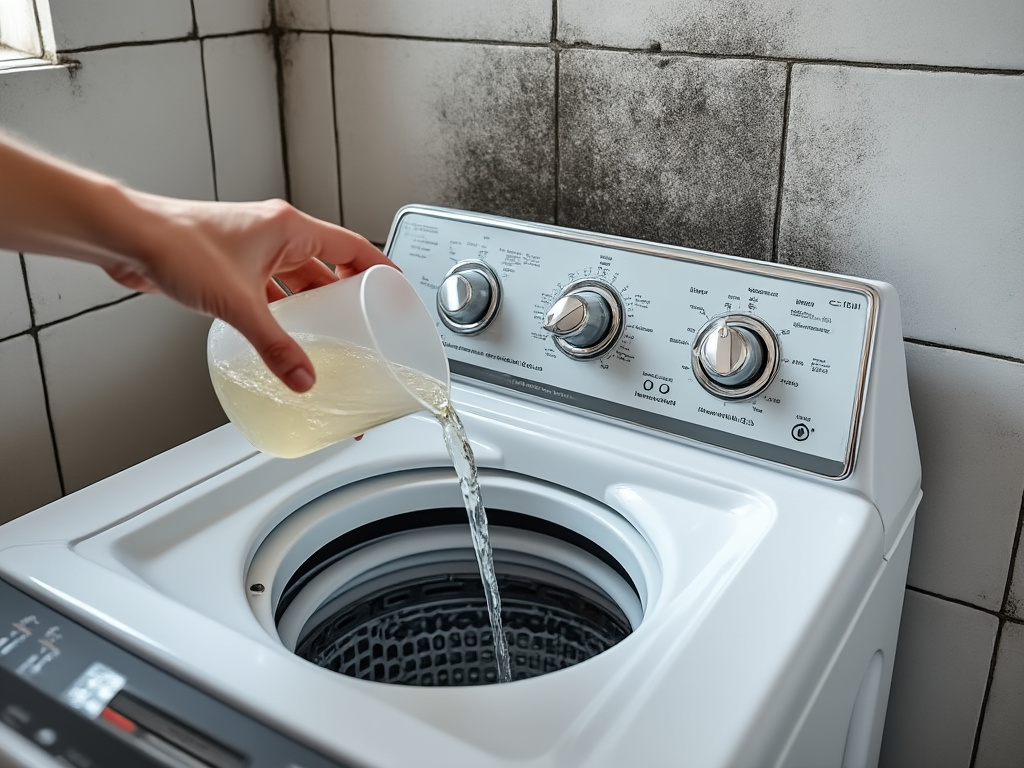
- Run an empty hot cycle with vinegar or a manufacturer-approved cleaner.
- Wipe the door gasket, detergent drawer, and rubber folds where sludge hides.
- Leave the door ajar between loads; remove wet clothes promptly.
Prevention: moisture is the real enemy
- Keep indoor humidity under about 50% when you can (dehumidifier or AC)
- Fix leaks, sweating pipes, and poor bathroom exhaust
- Do not press wet towels into closed cabinets
- Clean bath toys and keep them drained — see our bath toy mold guide
If mildew keeps winning in bathrooms between your own cleans, Pro Housekeepers’ deep cleaning and regular cleaning help reset tile, fixtures, and high-touch damp zones. Hard-water film can trap moisture too — see hard water stain removal.
Frequently asked questions
Is vinegar enough to kill mildew?
It helps on many surfaces and is a solid first step. Severe or structural mold may need stronger products or pros.
Can I mix bleach and vinegar for “extra power”?
No. That combination produces dangerous chlorine gas.
Why does mildew come back in the same corner?
Moisture source is still there — condensation, leak, or no airflow.
Should I paint over mildew?
Never paint over active growth. Clean, dry, then use appropriate primer if staining remains.