To get rid of mold, first fix the moisture source feeding it, then kill and remove the visible growth with white vinegar, 3% hydrogen peroxide, or a bleach solution matched to the surface. Wear an N95 mask and gloves, ventilate the area, and call a professional for anything larger than about 10 square feet or growing inside walls. Whether it’s a few spots along your shower door tracks or a sizable outbreak in a basement corner, here’s what mold is, when it’s dangerous, and how to remove it from every surface in your home or commercial property.
What is mold?
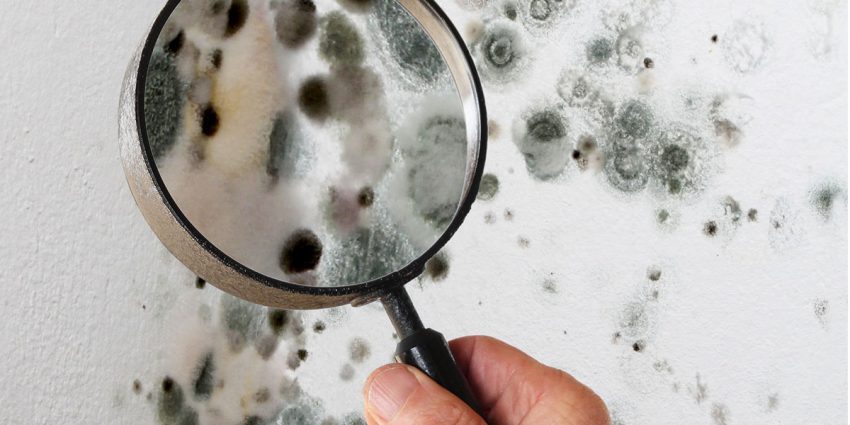
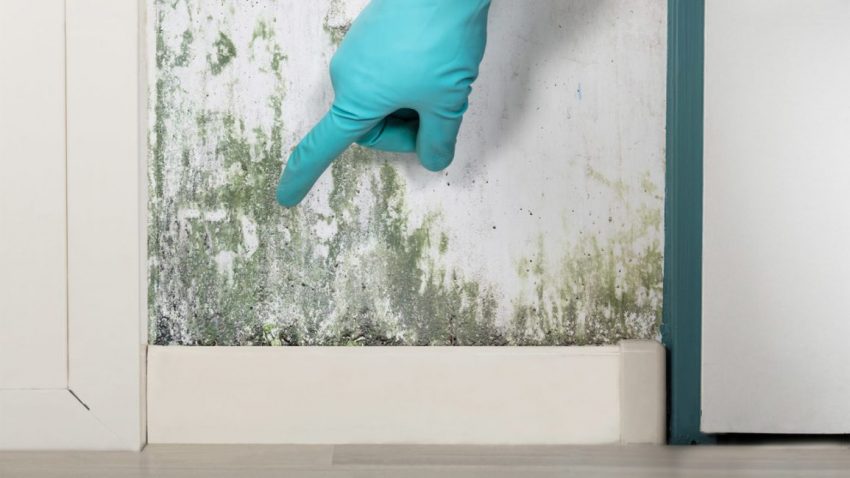
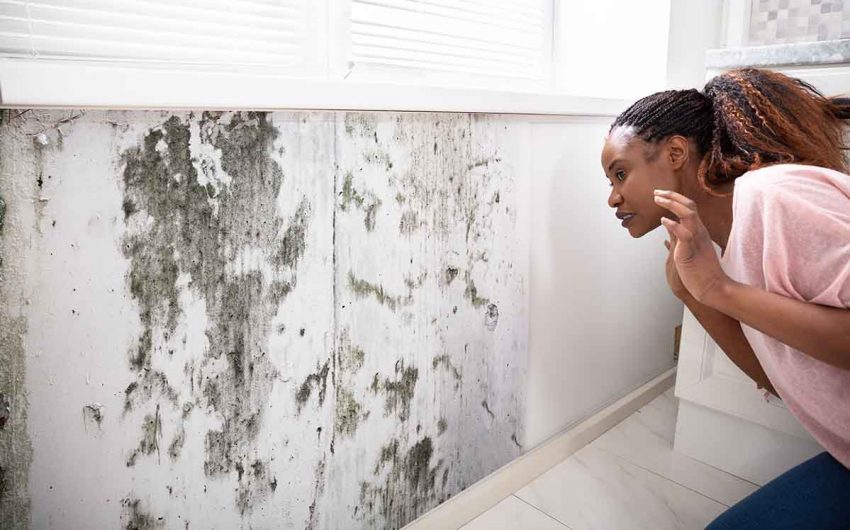
Mold is a type of fungus that grows on almost any damp surface. It’s common in bathrooms, kitchens, and basements, and anywhere condensation is a problem. Mold can be black, white, green, purple, or orange, ranging from small, penny-sized spots to whole walls. Left unattended, it spreads as long as there’s water and food to sustain it — so it can get out of hand quickly in areas you don’t use often, like a basement, attic, or even inside the walls.
What causes mold in a property?
Mold and mildew need only two things to grow: moisture and a food source — usually an organic material like cotton, leather, or the cellulose in wood and paper. Both are extremely common in any building. A little water sitting in your shower door tracks, or condensation from a failed window seal, is all mold needs, and the frame, walls, floors, ceilings, and furniture all give it plenty to feed on. Mold can grow almost anywhere, so staying vigilant and tackling it early minimizes the damage to your home and your health.
Why is it important to get rid of mold?
Before the best ways to banish mold, here are some facts worth knowing.
Mold is extremely common in buildings — the EPA notes that mold can be found almost anywhere there is excess moisture, and any home with a humidity, leak, or condensation problem is at risk.
TheCDC reports that mold exposure may cause respiratory issues, eczema, pneumonitis, or the development or worsening of asthma.
Removing mold improves your family’s health and saves money on expensive remediation later, which can become necessary if mold grows unchecked.
What are the different types of mold and mildew?
Most types of mold are harmless to humans. Some cause low-level irritation such as runny noses and eyes, coughs, and rashes. A few are extremely harmful and should be removed immediately by a professional. These are the most common kinds of dangerous mold and mildew found in homes:
Moist, high-cellulose surfaces, especially inside walls
Respiratory, neurological, and immune impairments, especially in the young, old, and immunocompromised
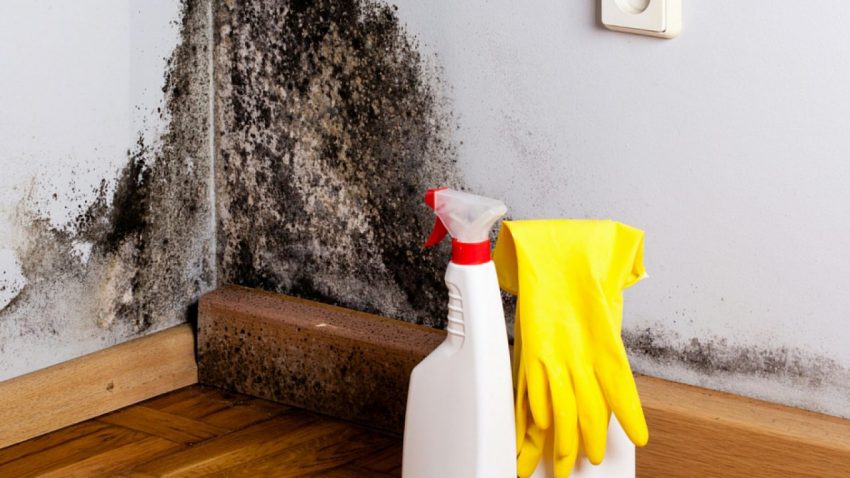
Black mold (Stachybotrys) is the variety most people fear, but even black mold is easy to remove if caught early enough. What kills it is the same as for other molds — white vinegar, hydrogen peroxide, rubbing alcohol, and fungicidal solutions all work. Some websites suggest essential oils for black mold removal; don’t. They might make a room smell fresh, but they can’t kill mold.
If an infestation gets out of hand, black mold removal can get expensive fast, so it’s always better to treat mold as quickly as you spot it.
That said, most molds (and there are hundreds of thousands) are benign or cause only mild allergic reactions like sneezing, coughing, and irritation. But it’s hard to tell which mold you have or how it might affect you or your tenants. To reduce exposure and limit liability if anyone gets sick, it’s always wise to remove mold and mildew as quickly as possible.
How do you tackle the underlying cause of mold?
Molds are all around us — we breathe in their spores every day. You can’t keep mold from entering a property, but you can stop it from settling in. Without addressing why mold is growing in a particular spot, it will just keep coming back.
Mold needs only food and damp. You can’t remove its food, because your property is made of it — particle board, gypsum, wood framing, and soft furnishings all sustain large colonies. What you can control is the damp. When you find mold, look for the underlying source of water.
Water tends to cause problem mold growth in three common ways:
Maintenance issues such as leaking pipes or failed window seals
Human error, like not drying water in shower door tracks or splashing around a sink
Construction-related condensation from poor airflow
The first two are easy to resolve — repair the problem or adjust your habits around where water pools. If mold is growing because of how your property is built, it may need more extensive work: installing fans or vents, replacing portable heaters, or investing in a dehumidifier.
How do you remove mold from different surfaces?
Once the root cause is handled, address the visible mold. The infestation is often worse than it looks, so do more than wipe and hope. The mold you see is the spores or fruiting body of the fungus, but the hidden roots often survive a first attempt and the mold returns. Here’s how to remove it for good, wherever you find it.
Before you start: Ventilate the work area and wear proper PPE against the spores you’ll disturb — gloves, safety glasses, and an N95 or better mask are essential. Wear long sleeves and pants to keep spores off your skin. Close off the area from other rooms to stop spores spreading, and consider renting a HEPA air filter.
Pro Tip: The EPA recommends only removing mold yourself if it covers an area smaller than 10 square feet. Anything larger, and you should call in the pros.
How do you get rid of mold on walls?
Many people first notice a mold problem when they see it on their walls. Check the corners near the ceiling and floor in high-moisture rooms like kitchens, bathrooms, laundry rooms, and basements.
You’ll need:
Bleach, water, white vinegar, 3% hydrogen peroxide, 2 spray bottles, and a scrubbing brush.
Method:
Step 1: Make a solution of one part bleach to three parts water in a spray bottle.
Step 2: Saturate the mold and the surrounding area.
Step 3: Let it soak into the mold for 10-15 minutes.
Step 4: Scrub away the mold and stains with the brush.
Step 5: Repeat as needed to remove all traces.
Step 6: In the second spray bottle, make a 50/50 mix of white vinegar and hydrogen peroxide.
Step 7: Spray the cleaned surface and let it absorb and air dry.
This works because it addresses both the visible mold and the underlying roots. Vinegar and hydrogen peroxide are actually more effective at killing mold roots than bleach, and because they work best on different molds, using them together covers more varieties.
Pro Tip: No hydrogen peroxide on hand? You can clean mold with vinegar and baking soda instead.
How do you remove mold from drywall?
Drywall is tricky because if it gets too wet, it’s ruined. Often it’s easier to cut out and replace the infected section than to treat it directly — if the drywall feels soft, it’s beyond saving. If you do want to clean it in place, here’s how.
You’ll need:
3% hydrogen peroxide, white vinegar, disinfectant wipes, a scrubbing brush, a medium-bristled brush, and a spray bottle.
Method:
Step 1: Brush the mold off the drywall, removing as much as possible without getting the wall wet.
Step 2: Make a 50/50 solution of white vinegar and hydrogen peroxide and spray until damp, not soaked.
Step 3: Wait 10 minutes, then clean in circular motions with the medium-bristled brush. Don’t scrub too hard or you’ll damage the drywall.
Step 4: Wipe down with household disinfectant wipes.
Step 5: Let it dry. In humid environments, aim a box fan at the wall to speed it up.
If the drywall is stained once dry, use a primer or stain block before repainting. Consider mold-resistant paint for extra protection, and reduce humidity to keep mold from returning.
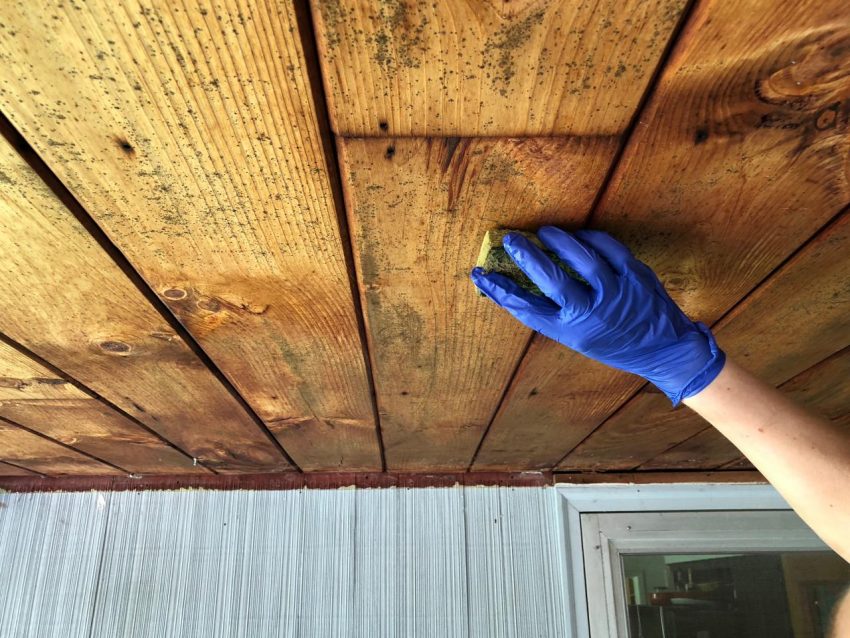
Mold loves wood. Whether it’s window sills, flooring, wall framing, or furniture, wood’s high cellulose content feeds mold, and because wood is absorbent, even a little moisture creates the perfect environment. Here’s how to get rid of it.
You’ll need:
Dish soap, water, borax, a HEPA-filter vacuum, a spray bottle, a soft-bristled brush, paper towels, a box fan or dehumidifier, and 100-grit sandpaper.
Method:
Step 1: Vacuum up as much mold as possible with a HEPA-filter vacuum, using a soft-bristled brush to dislodge it. Wear a dust mask to avoid breathing in spores.
Step 2: Add a teaspoon of soap to two cups of water in a spray bottle, shake, and spray the mold and surrounding surface.
Step 3: Scrub away the mold with a soft-bristled brush and soak up excess water with paper towels.
Step 4: To kill the roots, mix 1 tablespoon of borax into a cup of water and brush it onto the area. Let it absorb into the wood.
Step 5: Run a fan or dehumidifier to dry the wood quickly.
Step 6: For stubborn mold, sand the affected area with 100-grit sandpaper.
Wood’s porosity makes mold hard to remove completely, and you also risk staining it. That’s why dish soap and borax are best here — they’re less likely to discolor wood (both vinegar and peroxide have a bleaching effect). Bleach is a poor choice for wood because it won’t absorb, so the mold roots survive.
Pro Tip: Wood still stained? That’s usually mildew — the discoloration mold leaves behind. Bleach won’t kill mildew, but it can remove the stains. Try scrubbing a small area with a dilute bleach solution.
How do you remove mold from painted wood?
A painted surface isn’t immune to mold — interior doors, window frames, and baseboards can all get moldy. The good news is paint forms a protective barrier that keeps mold out of the wood, making cleanup faster.
You’ll need:
Dish soap, water, white vinegar, 3% hydrogen peroxide, a spray bottle, a soft-bristled brush, and paper towels.
Method:
Step 1: Wipe away visible mold with damp paper towels, using a soft-bristled brush for stubborn spots.
Step 2: Make a solution of 1 teaspoon dish soap to 2 cups water and spray it on.
Step 3: Gently scrub with the brush to remove remaining stains, then wipe clean.
Step 4: Mix equal parts white vinegar and 3% hydrogen peroxide, spritz the surface (damp, not soaked), and air dry.
Mold is rarely a big problem on painted wood thanks to that barrier. Vinegar and peroxide keep it from returning, but address the underlying cause — painted wood isn’t mold’s first choice, so there’s likely a damp issue nearby.
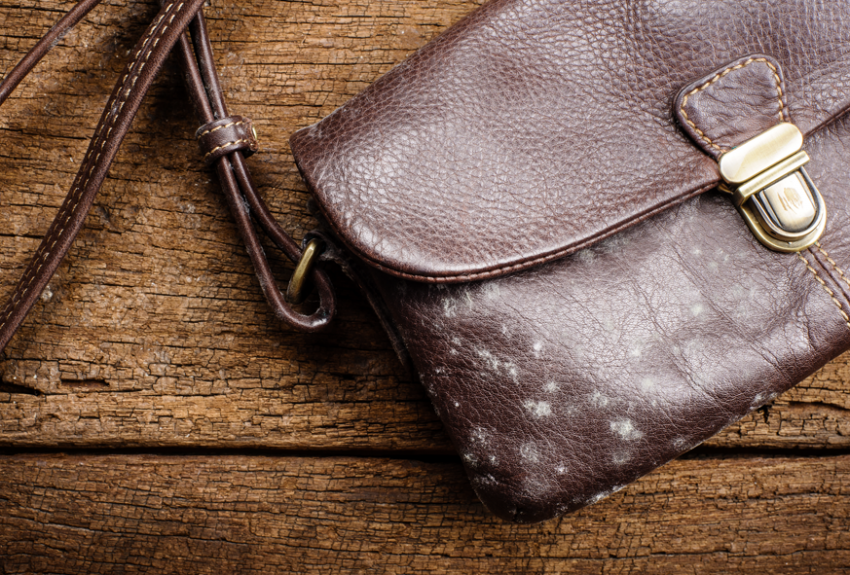
How do you clean mold off leather?
Leather is a luxury product but extremely susceptible to mold. If you find it on your recliner or favorite boots, all isn’t lost — here’s how to clean it and stop it coming back.
You’ll need:
Soapy water or leather cleaner, and a soft cloth.
Method:
Step 1: Place the leather somewhere warm and let it dry completely — this makes mold removal easier.
Step 2: Wipe down the leather with a damp cloth to remove the mold.
Step 3: Clean it with a leather cleaner or a mild soap such as baby shampoo.
Step 4: Clean and maintain regularly to prevent mold returning.
Mold can take hold of leather fast, causing discoloration and shortening its lifespan. You can’t use detergents or bleach on leather either, as they cause damage. Treating leather regularly with specialized cleaners and keeping it dry is the best defense.
Pro Tip: No leather cleaner on hand? Alcohol can help — it does kill mold and is particularly effective on leather. Always spot-check any cleaner first!
How do you remove mold from fabric?
It’s easier than you’d think for fabric to attract mold — a forgotten load in the washer, a pile of clothes at the bottom of a closet, or an armchair in a humid room can all become overrun. Catch it early and your fabrics can still be saved.
Bleachable fabrics
If you can bleach a fabric without worrying about discoloration, do it — it’s the fastest, most effective option. Many laundry bleaches work on white and colorfast fabrics (always check the instructions, and never use bleach on wool or silk). Apply one part bleach to three parts water, let it absorb for a few minutes, then launder as usual.
Non-bleachable fabrics
For fabrics you can’t bleach, use white vinegar. Either apply it to a cotton pad and rest it on the stain for five minutes before laundering, or briefly soak in ¼ cup vinegar to one gallon of water. Rinse and launder as normal.
Upholstery
Mold doesn’t grow on synthetic fabrics, so mold on upholstery often warns of something underneath. Check the furniture’s framework for extensive damage before cleaning — if it’s bad, you may need to replace the item. If the area is small, scrub away the visible mold, then blot with a 50/50 solution of 3% hydrogen peroxide and white vinegar (spot-test first!). Dab with a clean damp cloth and dry thoroughly with paper towels.
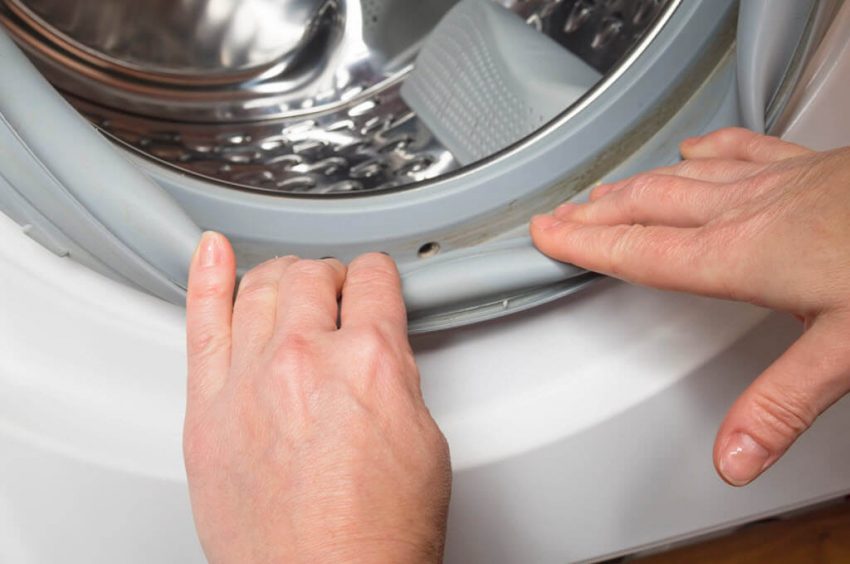
How do you clean mold from a front-load washer gasket?
Your washing machine can be a haven for mold, and the front-load gasket is usually where it appears first. Prevention beats cure, so wipe the gasket between loads to keep it clean and dry. Use a 50/50 solution of white vinegar and hydrogen peroxide to clean the gasket regularly and keep mold from returning.
Some rooms are more prone to mold than others. Bathrooms are notorious because they’re damp and humid. Less-used rooms like basements and attics can also suffer, often going unnoticed for a long time. Here’s how to keep mold from taking hold in each.
How do you get rid of mold in a basement?
Mold needs damp surfaces and organic matter — two things most basements have in abundance. If yours is unfinished or rarely used, mold can be especially problematic. First, remove as much moisture as possible and keep it from building up: check seals, insulate pipes, and fix leaks. Run a dehumidifier or fan regularly to keep air moving and prevent condensation, and check the corners of walls and floors regularly so problems don’t go unnoticed.
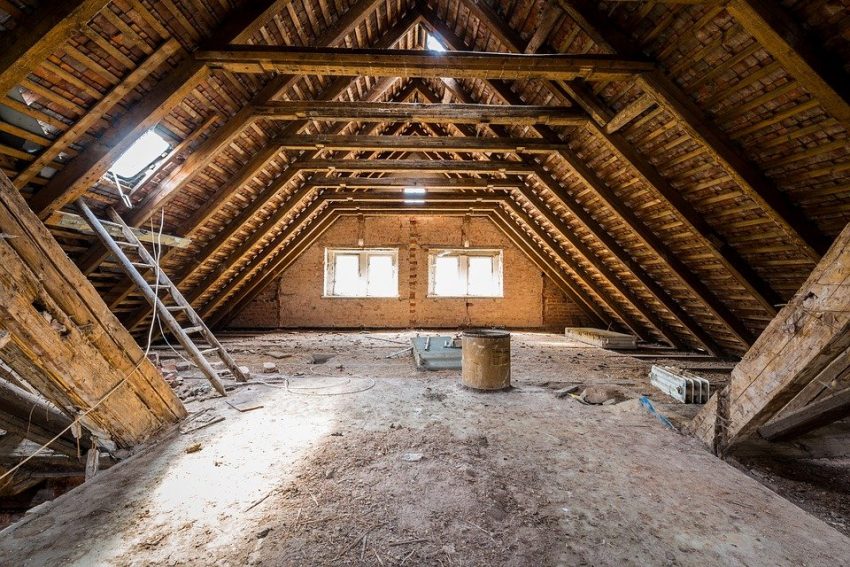
How do you get rid of mold in an attic?
Attics get mold from roof or window-seal leaks, or from poor ventilation that lets condensation build up. Treating those problems is the most important step to avoid attic mold or stop it returning. Once the attic is watertight and ventilated, discard contaminated stored items or remove them for cleaning and restoration. Seal off the attic during cleaning, use a wet vacuum on as much visible mold as possible, treat walls, floor, and exposed timbers with a mold-removal spray, and install a fan or dehumidifier to dry everything once treatment is complete.
How do you remove mold from inside walls?
The inside of your walls is a great environment for mold and a terrible one for you to reach. Homeowners often don’t realize there’s mold inside the walls until it’s a major problem. Warning signs include an earthy, musty odor, allergy symptoms that clear up when you leave the property, and stains or dampness on the wall itself. If mold gets inside your walls, you’ll probably need a pro — at minimum, the drywall has to come down to properly access and treat it. This kind of hidden, behind-the-wall mold is exactly the situation where our post-construction cleaning team can help once the affected materials are opened up or replaced. You can mitigate the damage by watching for the warning signs and reducing humidity.
Removing mold from a ceiling is no different than a wall — just harder to reach. Use a step ladder, ask a friend to help, or get an extending pole to apply cleaning solution safely. Ceiling mold usually shows up in humid rooms like bathrooms or in poorly ventilated areas. Prevent it by installing a vent or fan and using it regularly.
How do you clean mold in a bathroom?
Mold can take hold in many spots in a bathroom. In general, wipe down surfaces to remove condensation and blot up standing water to keep mold from growing.
How to clean mold in the shower
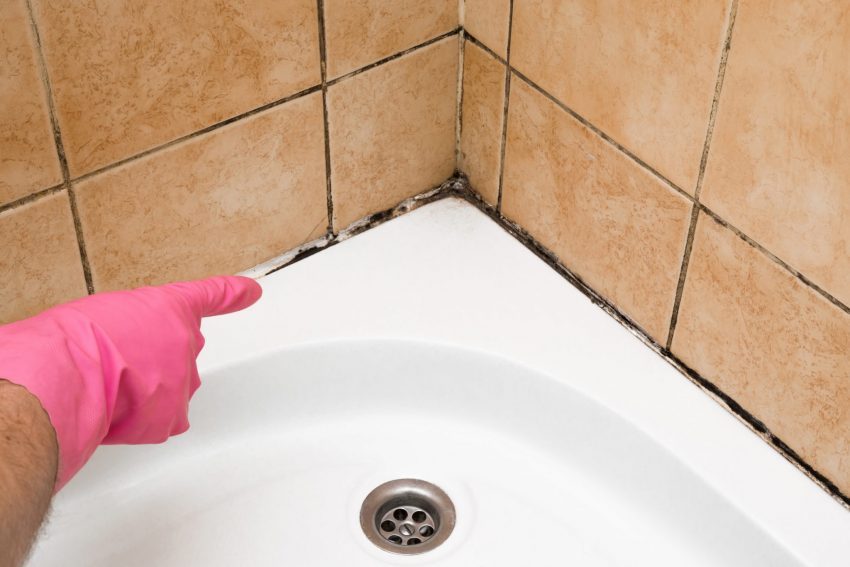
Check the corners and door tracks for mold. If you find it, spray liberally with a 50/50 solution of white vinegar and 3% hydrogen peroxide, or use a mold-removal product. Let it sit 20 minutes, then wipe dry with a soft cloth.
How to get rid of black mold in the shower
Black mold in the shower can look scary but cleans up like any other mold. Just wear respiratory protection and wipe the area down regularly to keep it from returning.
How to clean mold in shower grout
Grout attracts and harbors mold too. Soak it with a 50/50 vinegar and peroxide mix, leave for half an hour, then scrub with a firm-bristled brush. Rinse with plain water and wipe dry.
How to clean mold off a bathroom ceiling
Some bathrooms have mold-resistant tile or plank ceilings, easily cleaned with a bathroom fungicidal solution or with vinegar and hydrogen peroxide. For a plaster or drywall ceiling, use the same methods as for walls. Prevent return by reducing condensation with vents or fans, and leave the bathroom door open when not in use to circulate air.
Pro Tip: Many sites tell you how to treat mold with lemons, but the only room where that’s really effective is the bathroom — lemon juice only cleans surface mold, not what’s underneath. For faucets, shower doors, tiles, and other non-porous surfaces, lemons make an effective mold cleaner.
How do you treat mold in the air?
Mold is around us all the time — spores travel through the air until they land somewhere they can grow. Some people treat mold spores before they take hold, which can reduce your risk and is especially useful in regions with lots of naturally occurring mold, like near farmland or swamps.
How do you get rid of mold spores in the air?
No machine can remove all the mold that might enter your property — it’s too small and too common. But you can reduce your risk with an air scrubber, UV light treatment, or a fogger designed against mold spores.
How to use an air scrubber for mold
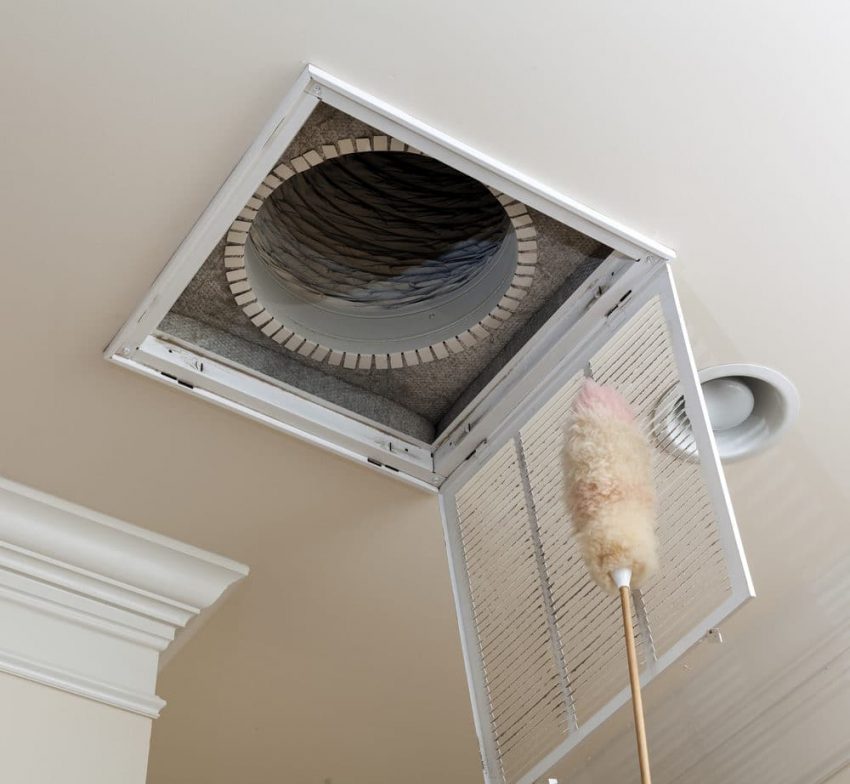
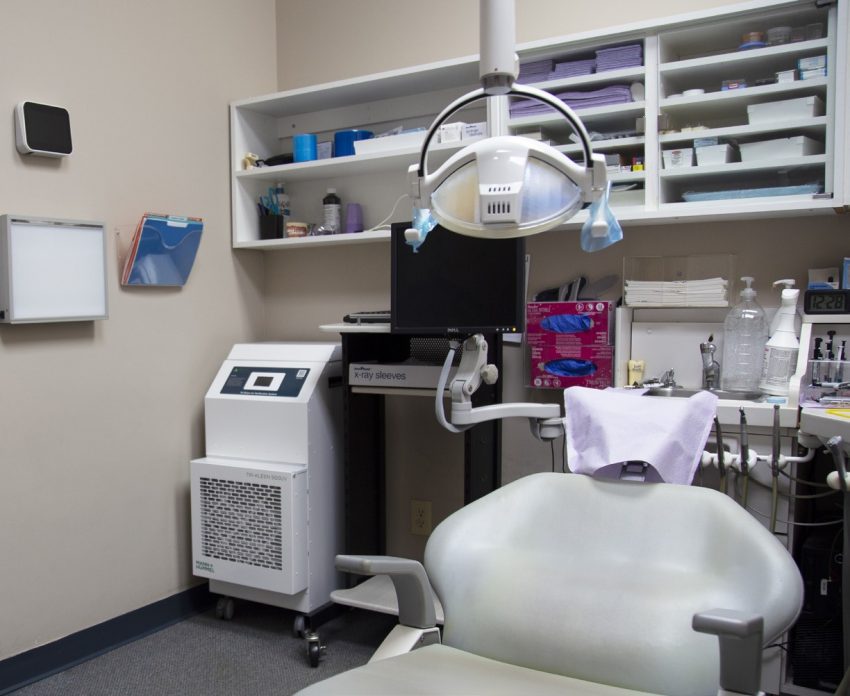
Air scrubbers are usually part of an HVAC system — essentially a series of superfine filters. Air drawn into the system runs through the scrubber, removing harmful particles like mold spores. Some also contain purifying filters that kill pathogens and bacteria, and many businesses now use industrial air scrubbers for air-quality control.
A properly installed air scrubber can remove up to 99% of contaminants from the air, making it a great option if you live in a mold-prone area or are immunocompromised. What it can’t do is remove all the mold from your home — every time you open a door or window, or a seal isn’t quite tight, unscrubbed air enters and almost certainly carries spores. Talk to a technician about the best HVAC air scrubber for your system.
Air scrubbers vs air purifiers
Air purifiers do the same job as air scrubbers but on a smaller scale — basically portable air scrubbers. If you’re only worried about air quality in one room, a purifier is faster and cheaper than installing a whole-house air scrubber.
Using an air scrubber vs UV light
Another option is a UV light attachment in your HVAC system instead of a scrubber. It’s often cheaper and simpler, and UV light has germicidal properties that kill all kinds of bacteria and pathogens, including mold spores. UV lights are unobtrusive and won’t affect HVAC performance, whereas air scrubbers can force the system to work harder to push air through increasingly fine filters, reducing power.
Mold bomb foggers for cars
Like your property, your car can suffer from mold. Foggers release a fine mist of fungicidal solution that gets into the nooks and crannies where mold hides. Many are safe for vehicles, but always check the instructions and air the car out afterward to avoid breathing in chemicals.
Conclusion
Knowing how to treat mold with hydrogen peroxide and vinegar gives you a simple solution that works on almost any surface. In most cases, homeowners, landlords, and property managers can handle mold themselves. When professional remediation is required, it can run into several thousand dollars for treatment alone, plus the repairs to put the property back in order. Homeowners’ insurance often covers remediation, but usually limits it to one claim per policy. For large outbreaks, or the deep, whole-home clean that follows remediation, our deep cleaning service can help restore the space afterward.
To avoid the headache and expense, stay on top of mold growth: watch for condensation, fix broken seals, and leave doors open to circulate air and keep your home mold-free.
FAQ
What’s the best way to prevent mold and mildew from growing in my home?
According to the EPA, ventilation is one of the best ways to prevent mold and mildew. Installing a bathroom fan helps showers and tubs dry faster, and you can cover earthen surfaces (in a basement, for example) with a tarp to keep moisture from escaping.
Do I still need to remove mold after it’s dead?
Yes. Dead mold can still affect your health, so it should still be removed. Even after bleach or an antifungal has killed it, it’s not safe to leave in your home — you may want a professional to clean up after you’ve killed all visible mold.
How can I find hidden mold in my house?
If you can smell mold but can’t see it, search the house thoroughly. If you still can’t find it, hire a general contractor or home inspector to track down the source. The key is not to ignore the smell — doing so only lets the problem get worse.