
Post-Construction Cleaning: Step-by-Step Guide and Checklist
Post-construction cleaning works best in three passes. Once the trades finish, do a rough clean to clear debris and bulk dust, a detailed clean from top to bottom after the dust settles, and a touch-up a few days later. HEPA-vacuum before you wipe, damp-wipe instead of dry sweeping, and wear a respirator, gloves, and eye protection.
What is post-construction cleaning?
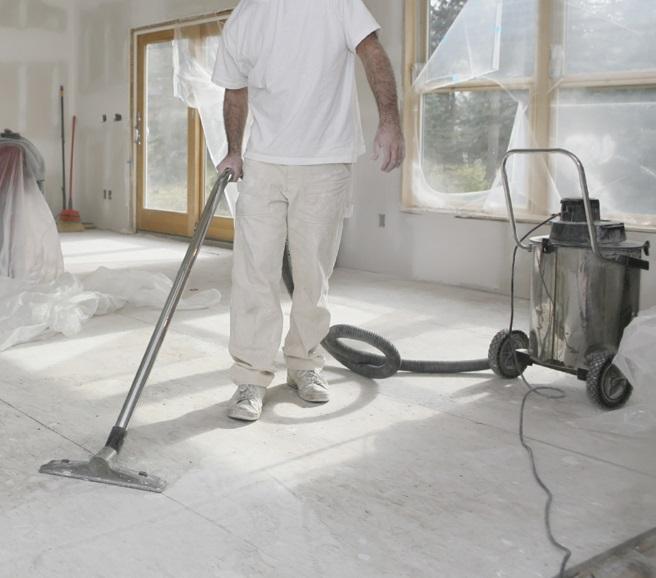
Post-construction cleaning is the cleanup that follows new construction, a remodel, or a renovation. It removes what builders leave behind after the large debris is gone: fine drywall and sawdust on every surface, dust inside cabinets and vents, paint and caulk splatters, stickers and protective film on fixtures, and grit ground into floors. It is more involved than a regular or deep clean because construction dust is finer, heavier in volume, and harder on finishes and equipment.
What does post-construction cleaning include?
- Removing leftover packaging, scraps, and light debris (bulk construction waste is usually the contractor’s job)
- HEPA vacuuming ceilings, walls, trim, floors, vents, and window tracks
- Damp-wiping walls, doors, frames, baseboards, and light fixtures
- Cleaning cabinets and drawers inside and out
- Removing manufacturer stickers, labels, and protective film
- Cleaning appliances, counters, sinks, tubs, showers, and toilets
- Cleaning interior windows, glass doors, and mirrors
- Detailing floors for the specific material: tile, wood, vinyl, stone, or carpet
- A final touch-up pass once the last of the airborne dust has settled
When should you schedule the cleanup?
Clean after the trades are done and large debris is out. If painters, electricians, or flooring installers still have punch-list items, the fine cleaning will likely need a second visit. Builders and homeowners usually plan the final clean as close to move-in, closing, or the final walkthrough as possible.
Safety first: construction dust, silica, and lead
Construction dust is not ordinary house dust. Cutting concrete, tile, stone, brick, and some joint compounds can release crystalline silica. Under its construction silica rule, OSHA bars dry sweeping or dry brushing where it could add to silica exposure unless wet sweeping, HEPA vacuuming, or another low-dust method is not feasible. That rule is written for job sites, but it is the right habit at home too: vacuum with a HEPA filter and wipe damp instead of sweeping dust into the air.
If your home was built before 1978 and the work disturbed painted surfaces, the dust may contain lead. EPA rules require renovation firms working on those homes to use lead-safe practices, including a final cleanup in which surfaces are HEPA-vacuumed, wet-wiped, and checked. Read the EPA’s lead-safe work practices, and ask your contractor to complete the cleaning verification before you take over.
What do you need for post-construction cleaning?
Protective gear:
- N-95 or better respirator
- Safety glasses or goggles
- Work gloves, plus rubber gloves for wet cleaning
- Closed-toe, rubber-soled shoes (nails, screws, and glass are common)
Tools and supplies:
- Shop vacuum or wet/dry vacuum with a HEPA filter and fine-dust bag
- Microfiber cloths in bulk, plus a microfiber mop
- Two buckets (one for cleaning solution, one for rinsing)
- Dish soap or a pH-neutral all-purpose cleaner
- White vinegar for drywall haze on tile and ceramic
- Glass cleaner and a squeegee
- Plastic putty knife and a soft scrub pad
- Extension pole and a stepladder
- Plastic sheeting, painter’s tape, and heavy trash bags
- Replacement HVAC filters
A standard household vacuum is not the right tool. Fine drywall dust clogs ordinary filters fast and can be blown right back into the room.
How to clean after construction: step by step
- Walk through and plan. Note surfaces that need special care: natural stone, unsealed wood, new paint, coated glass, and appliance finishes. Check manufacturer care instructions for new floors, cabinets, and fixtures before you use any product on them.
- Protect the HVAC system. Keep the system off or cover the returns and supply vents while you work. When cleanup is done, replace the filter.
- Seal off finished rooms. Close doors or hang plastic sheeting with painter’s tape so dust from the work zone does not drift into clean spaces.
- Clear debris. Pick up scraps, packaging, and fasteners by hand or with a shop vacuum. Leave bulk waste for the contractor or dumpster.
- Rough clean, top to bottom. HEPA-vacuum ceilings, walls, ledges, window tracks, and floors, starting at the room farthest from the exit and working toward the door. On large areas, a dust-binding sweeping compound is an alternative to dry sweeping.
- Let the dust settle. Fine dust stays airborne for hours. Waiting before the detail pass keeps you from cleaning everything twice.
- Detail clean, top to bottom. Damp-wipe light fixtures, ceiling fans, walls, doors, trim, and baseboards with a well-wrung microfiber cloth. Clean cabinet interiors, shelves, and drawers. Wash windows and glass. Clean the kitchen and bathrooms last before the floors.
- Floors last. HEPA-vacuum, then damp-mop with a cleaner suited to the floor. Change the mop water as soon as it turns cloudy.
- Touch up a few days later. Dust keeps settling after the work stops. Wipe horizontal surfaces, vacuum floors and vents again, and clean any smudged glass.
Post-construction cleaning checklist
Every room
- Ceilings, corners, and crown molding vacuumed
- Light fixtures, fans, and switch plates wiped
- Walls, doors, frames, and baseboards wiped
- Window glass, sills, and tracks cleaned
- Vent covers and return grilles vacuumed
- Stickers and paint drips removed
- Floors vacuumed and mopped
Kitchen
- Cabinets and drawers cleaned inside and out
- Counters and backsplash cleaned with a surface-safe product
- Appliance exteriors and interiors wiped, protective film removed
- Sink and faucet polished
Bathrooms
- Grout haze and caulk smears removed
- Tub, shower, glass, and toilet cleaned
- Vanity drawers and medicine cabinet wiped
- Mirrors and fixtures polished
Final pass
- HVAC filter replaced
- Touch-up wipe of horizontal surfaces
- Punch-list items noted for the contractor
What is the best cleaning solution for construction dust?
For most surfaces it is a HEPA vacuum followed by plain warm water with a few drops of dish soap, applied with a microfiber cloth wrung out until barely damp. Too much water turns fine dust into a paste that streaks and settles into grout and wood grain. Rinse the cloth often and change the water when it clouds.
For the white haze drywall dust leaves on ceramic tile and glazed surfaces, a solution of about 2 cups of white vinegar per gallon of warm water cuts it. Do not use vinegar on marble, limestone, travertine, or other natural stone, since acid etches it. Use a pH-neutral stone cleaner there instead; our guide to cleaning granite countertops covers safe products.
How to clean walls after construction
- HEPA-vacuum the walls from the top down with a soft brush attachment.
- Wipe with a barely damp microfiber cloth, working top to bottom.
- For fresh paint, check the paint can or ask the painter how long to wait before washing. New paint can burnish or lift if scrubbed too soon.
- Spot-clean scuffs with a soft sponge and a little soapy water. Save abrasive erasers for durable finishes and test them first.
How to clean floors after construction
- Tile: vacuum, then mop with warm water. Use the vinegar solution above to remove haze on ceramic or porcelain, but not natural stone.
- Hardwood and engineered wood: vacuum with a soft floor head, then use a barely damp microfiber mop and a cleaner the flooring maker approves. Never flood wood floors.
- Vinyl and laminate: vacuum, then damp-mop with a pH-neutral cleaner.
- Carpet: vacuum slowly in several directions with a HEPA vacuum. Never wet brick or drywall dust on carpet; it will stain. Deep extraction can follow once the loose dust is out.
Drywall, brick, and mortar dust
Drywall and plaster dust is fine and chalky. HEPA-vacuum it first, then damp-wipe in small sections and dry each area with a towel as you go. Expect to repeat the wipe two or three times on dark surfaces to remove the last white film.
Brick and mortar dust is heavier and gritty, so it scratches. Vacuum as much as you can before touching surfaces, then wipe with a soft cotton cloth and clean water, lifting rather than dragging. Be especially careful on stone, varnished wood, and glossy cabinets.
How to remove spackle, paint, and stickers
- Spackle on tile: soften with a damp towel for a few minutes, then lift with a plastic putty knife and wipe.
- Spackle on wood: keep water to a minimum. Scrape gently with a plastic putty knife and wipe residue with a barely damp cloth.
- Spackle on carpet: let it dry completely, break it up, and vacuum. Treat what remains with a carpet cleaner and blot.
- Latex paint drips: fresh drips wipe up with soapy water. Dried drips on glass can be lifted with a plastic scraper; check the window manufacturer’s care guide before using a metal blade on coated glass.
- Stickers and labels: peel slowly, then remove adhesive with a product that is safe for the surface. Our guide to removing sticker residue covers the options.
DIY or hire a post-construction cleaning crew?
A small bathroom refresh is a reasonable weekend project. A full remodel or new build is different: it means renting a HEPA vacuum, buying supplies in bulk, cleaning every surface at least twice, and working around builder schedules. Hiring a crew makes sense when you are on a move-in or closing deadline, when the property is large, or when finishes are expensive enough that a mistake would cost more than the cleaning. Once construction cleanup is done, our deep cleaning checklist helps you keep the house in shape.
Frequently asked questions
Is post-construction cleaning the same as deep cleaning?
No. A deep clean targets everyday buildup. Post-construction cleaning deals with construction dust, debris, residue, and protective films, and it usually takes more than one pass.
Can I use my regular vacuum for drywall dust?
It is not recommended. Fine drywall dust clogs standard filters and can blow back into the room. Use a shop vacuum with a HEPA filter and a fine-dust bag.
Should I clean before or after the final punch list?
After, if you can. Any sanding, drilling, or touch-up painting after the final clean puts dust back on surfaces.
Do post-construction cleaners haul away debris?
Usually not bulk waste. Our crews handle light packing materials and film when it is in scope, but dumpster loads and leftover building materials stay with the contractor.
Need the dust gone before move-in? Our post-construction cleaning service sends background-checked, insured cleaners equipped for fine dust, with before-and-after photos on request. Book your post-construction clean or call (844) 242-9464 with your handover date.