How To Clean and Disinfect a Mattress Like a Pro


    To clean and disinfect a mattress, first strip the bedding and wash it (hot cycle if the fabric allows, to kill dust mites), then vacuum the whole mattress with an upholstery attachment, getting into the seams. Spot-clean stains with a little dish soap or an enzyme cleaner and cold water — never soak the mattress, since trapped moisture grows mold. Sprinkle baking soda over the surface, leave it several hours to absorb odors, then vacuum again. For specific stains like urine, blood, or vomit, use the targeted methods below, and always air dry the mattress fully before remaking the bed. Memory foam needs extra care — no steam, minimal moisture. Here’s the full guide.

    How to clean a mattress protector

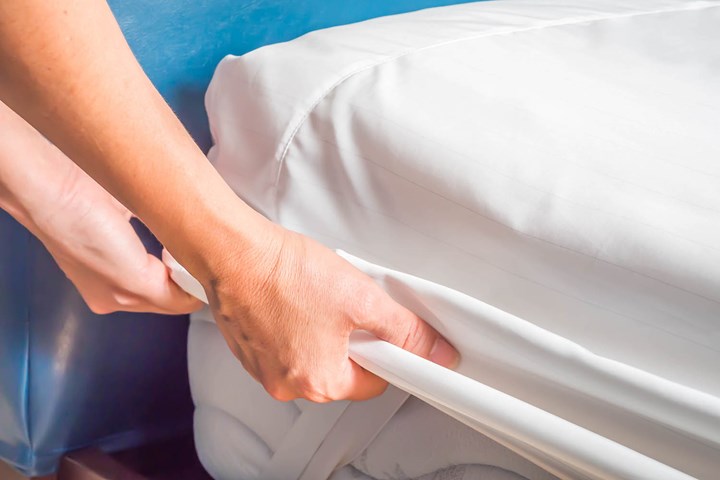
    Mattress protectors can usually be machine washed — but always check the label and follow the manufacturer’s instructions. Use a cold or lukewarm cycle so you don’t damage the water-resistant coating, and air dry rather than tumble drying. This keeps the protector working for as long as possible.

    If you don’t have a protector yet, a water-resistant mattress cover is the single best investment for keeping a mattress clean — it protects against spills, sweat, and accidents, and saves you most of the work below in the future.

    Related: Want to get your washing machine really clean? Our Pros show you how.

    Before you start: mattress type matters

    The cleaning approach depends on the mattress material and the reason for cleaning. The golden rule for every type: avoid getting the mattress too wet. Water soaks deep into a mattress where it can’t dry out, leading to mold and bacteria. Spot-clean and blot; never saturate.

    Types of mattresses

    • Memory foam (needs the most caution — see below)
    • Innerspring
    • Gel
    • Latex
    • Hybrid

    Common mattress stains

    • Blood
    • Urine
    • Sweat
    • Vomit
    • Food and drink

    How to clean a memory foam mattress

    Memory foam is petroleum-based and can react badly with some cleaning solutions, so skip harsh chemical cleaners. Spot-clean with plain water and a few drops of laundry detergent or dish soap instead, and use as little moisture as possible.

    Can you steam clean a memory foam mattress?

    No — don’t use a steam cleaner on memory foam. The heat and moisture can damage the foam and won’t dry out properly. Because memory foam is so absorbent, if you need to dry a damp spot quickly, use a hairdryer on a low or cool setting (not high heat, which can damage the foam), or a fan.

    Whatever type of mattress you have, if you’re cleaning an accidental spill, always blot up as much as possible first. If there’s no spill and you just need to freshen a smelly mattress, repeat the baking-soda odor-neutralizing step several times for best results.


      Routine mattress cleaning

      Keeping your mattress clean extends its lifespan, reduces allergens, and makes for more pleasant sleep. Aim to do this every few months.

      You’ll need:

      • A vacuum cleaner with an upholstery attachment
      • Dish soap or an enzyme cleaner
      • Baking soda
      • Microfiber cloths
      • Cold water
      1. Strip the mattress and launder the bedding — a hot cycle if the fabric allows, to kill dust mites. (Spruce up your pillows at the same time.)
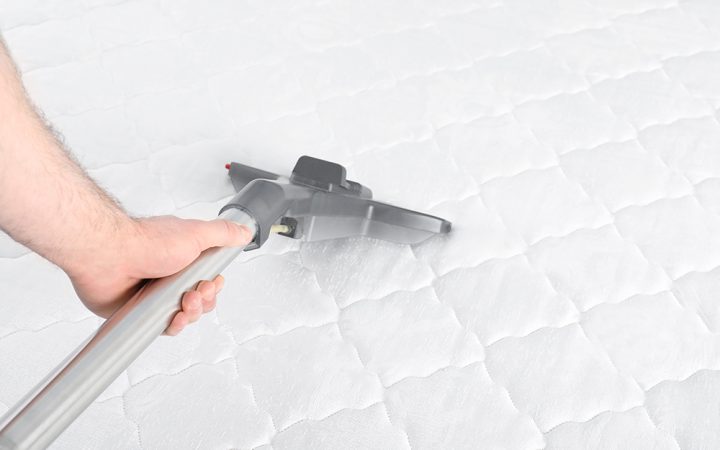
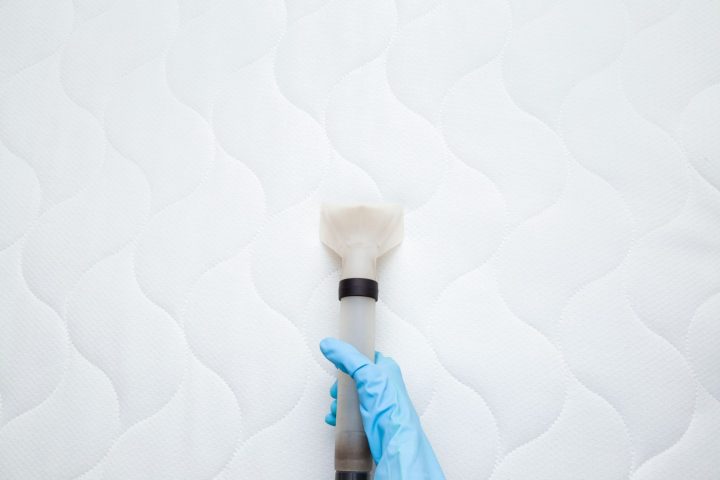
      2. Vacuum the whole mattress with the upholstery attachment to remove dust mites, dead skin, and debris. Work the seams and folds thoroughly.
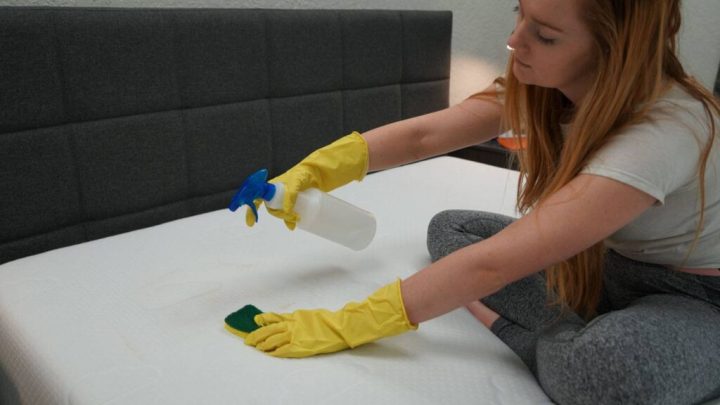
      3. Spot-clean any stains with dish soap and cold water, or an enzyme cleaner (check your mattress type first). Moisten a microfiber cloth with the solution and dab the stain until it lifts — don’t saturate.
      4. To absorb sweat odors, sprinkle a layer of baking soda over the mattress and leave it several hours or overnight. If it’s sunny, open the curtains — the UV in sunlight helps kill bacteria and the air helps dry the surface.
      5. Vacuum off the baking soda.

      Rotating the mattress head-to-foot (and flipping it, if it’s a flippable type) every few months while you’re at it evens out wear and helps it last longer.

      How to deep clean a mattress

      If it’s been a while, the mattress needs more attention. The exact method depends on the material and the reason, but in general:

      1. Blot up any dirt or wetness.
      2. Use an enzyme cleaner to lift stains, taking care not to soak the mattress.
      3. If the mattress is wet, press paper towels or a microfiber cloth into it to force out as much liquid as possible.
      4. Cover the area with a layer of unscented cat litter (or baking soda) and leave overnight to absorb odors and remaining dampness.
      5. Vacuum up the litter or baking soda.
      6. Flip the mattress and repeat as needed.
      Quick Tips for Cleaning a Mattress
      STAIN
      WARM WATER
      COLD WATER
      CLEANING SOLUTION
      BAKING SODA
      CAT LITTER
      Water
      No
      No
      No
      Yes
      Yes
      Soda
      Yes
      Yes
      Yes
      Yes
      Yes
      Human urine
      No
      Yes
      Yes
      Yes
      Yes
      Pet urine
      No
      Yes
      Yes
      Yes
      No
      Vomit
      Yes
      Yes
      Yes
      Yes
      Yes
      Blood
      No
      Yes
      Yes
      No
      No

      How to clean urine out of a mattress

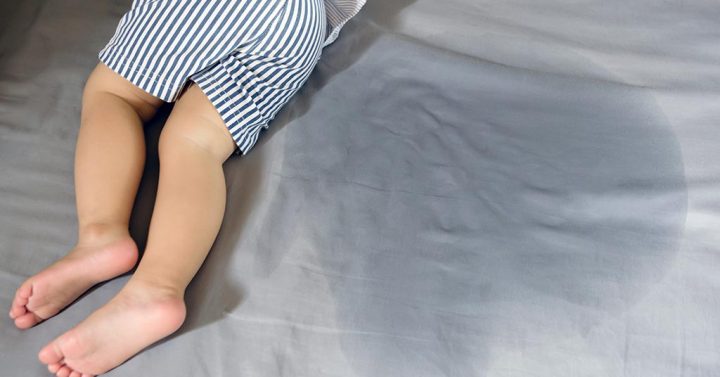
      Urine soaks in and leaves a lingering odor, so the sooner you treat it, the better.

      Start by blotting up as much as possible with paper towels or old bath towels, pressing in to pull out the urine. Don’t scrub — that spreads it deeper.

      If you don’t have a commercial enzyme cleaner on hand, you can make a DIY solution:

      DIY mattress cleaning spray

      • 2 tablespoons laundry detergent
      • 1 cup white vinegar
      • 2 cups cold water

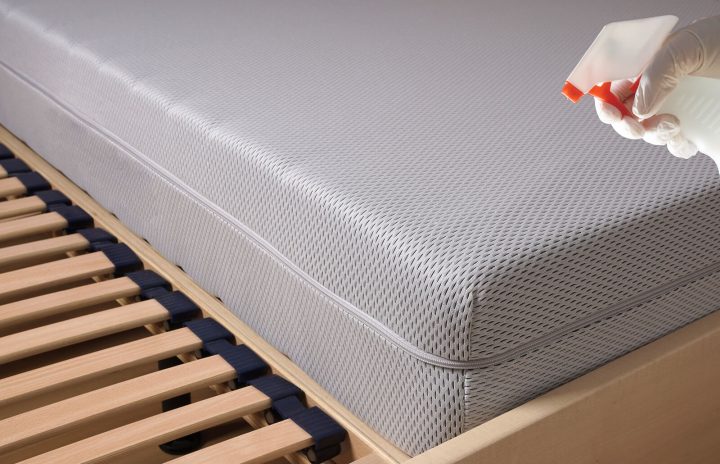
      Mix in a spray bottle and apply to the stain. (This is the exception to the don’t-soak rule — a urine-soaked area is already wet, so a little more moisture to flush it is fine.) Let it sit 15-20 minutes: the detergent lifts the urine, the vinegar neutralizes odor.

      Then cover the area with a thick layer of unscented cat litter or baking soda and leave overnight to absorb the liquid and odor. Once the powder is dry, vacuum it up (if it’s still wet, sweep it up and reapply fresh). Repeat the whole process if any odor remains.

      Note: for the toughest urine odor, a dedicated enzyme cleaner (the kind sold for pet messes) breaks down the uric-acid crystals that cause lingering smell better than vinegar alone.

      Cleaning dry urine out of a mattress

      If the urine has dried, you’ll need to rehydrate the stain to remove it (it may smell worse at first — that’s normal and part of the process).

      Soak the area with the same vinegar/detergent/water solution, cover with plastic wrap or a clean garbage bag, and leave 24 hours so the solution can work without drying out. Then remove the plastic and let the mattress air dry — up to 12 hours. Check for remaining stains or odor and repeat as needed.

      Dry urine on a memory foam mattress

      Memory foam isn’t supposed to get wet, but a dried urine stain needs moisture to remove. Use a solution of ½ cup 3% hydrogen peroxide and 3 tablespoons baking soda. Mix gently in a spray bottle (swirl, don’t shake), spray until the area is just damp, and leave an hour or two. Blot up the excess and air dry. Repeat as needed.

      Test first: hydrogen peroxide can lighten colored fabrics, so dab a hidden area before treating a visible one, especially on colored mattress ticking.

      How to clean dog or cat urine from a mattress

      Animal urine is more concentrated and stronger-smelling than human urine, and animals often mark territory, so treat it quickly to discourage repeat accidents.

      1. Blot up as much as possible — don’t rub.
      2. Cover the area with a generous amount of baking soda. (Don’t use cat litter if you have a cat — it can encourage them to treat the bed as a litter box.)
      3. Brush up the damp baking soda and reapply.
      4. Repeat until the baking soda stays dry on application.
      5. Then follow the human-urine steps, starting with the cleaning solution. An enzyme cleaner made for pet urine works best on animal messes.

      How to clean urine from a mattress without baking soda

      If you’re out of baking soda, unscented cat litter works to absorb the moisture and odor (again, not if you have a cat). Baby powder, talcum powder, or even regular table salt can also absorb mattress stains in a pinch.

      How to clean vomit out of a mattress

      Like urine, vomit absorbs deep and leaves odor, so clean it thoroughly.

      Clean up as much as possible without rubbing it in — use an old towel, then blot with paper towels or microfiber to pull out moisture.

      Mix laundry detergent with two cups of warm water. Dampen a clean cloth with the solution and spot-clean the surface (don’t soak). The detergent breaks down the vomit.

      Next, dilute three parts white vinegar with one part water, and lightly dampen (not soak) the area with a spray bottle. The vinegar smell dissipates as it dries.

      Air dry, repeating as needed. To disinfect, lightly mist the area with rubbing alcohol or hydrogen peroxide and air dry again. Safety note: rubbing alcohol is flammable — use it in a ventilated room, away from any flame, heat, or smoking, and let it dry fully. (Test hydrogen peroxide on a hidden spot first, as it can lighten colored fabric.) If odor remains, sprinkle baking soda, leave overnight, and vacuum.

      Pro Tip: How to get vomit out of your carpet.

      How to clean blood out of a mattress

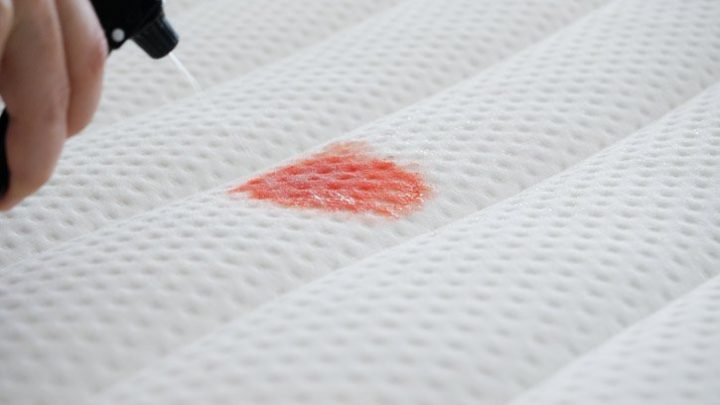
      Blood is tricky because it sets. Always use cold water — hot water locks the stain into the fabric. Apply cold water with a microfiber cloth and blot up as much as possible.

      Next, apply a small amount of hydrogen peroxide and let it fizz to work on the stain; once it stops, blot with a clean dry cloth. Repeat if needed. (Test on a hidden area first — peroxide can lighten colored ticking.)

      Then make a paste of baking soda and cold water (or hydrogen peroxide), apply to the stain, let it sit 30 minutes, and clean off with a damp cloth.

      Pro Tip: meat tenderizer makes a great blood remover — use it like the baking soda, made into a paste with cold water. The enzymes break down the proteins in blood.

      How to clean a wet mattress

      The biggest question with a wet mattress is what made it wet. For bodily fluids, use the tips above. Otherwise, get it as dry as possible quickly — a lingering wet mattress grows mold and bacteria. Blot up moisture, then use fans, a dehumidifier, and open windows or sunlight to dry it fully.

      If the mattress got wet in a flood, it’s probably beyond saving. Flood water is typically contaminated and can turn a mattress into a biohazard — for your family’s safety, throw a flood-soaked mattress away.

      In conclusion

      However your mattress got dirty, the same principles apply: blot don’t scrub, spot-clean don’t soak, use cold water on blood and protein stains, absorb odors with baking soda, and always dry fully before remaking the bed. A water-resistant protector going forward saves you most of this work next time.