
How To Clean, Seal and Polish Granite Countertops
To clean granite countertops, wash them with warm water and a few drops of pH-neutral dish soap on a microfiber cloth, then rinse and dry thoroughly so water can’t soak in and stain. Never use acidic or harsh cleaners — vinegar, lemon juice, ammonia, bleach, Windex, or Lysol — since they etch and dull the stone. Seal granite every year or two, and wipe up spills immediately to keep it looking new.
Granite is a popular choice for kitchen counters as well as floor and wall tiles. It’s harder than marble, and its shiny surface and wide range of colors make it an elegant, timeless addition to any home — with antibacterial and heat-resistant properties too. Its good looks come with a premium price tag, though. Whether you want to keep your granite looking new or you’re weighing installing it but daunted by the upkeep, here’s how to keep your work surfaces effortlessly clean.
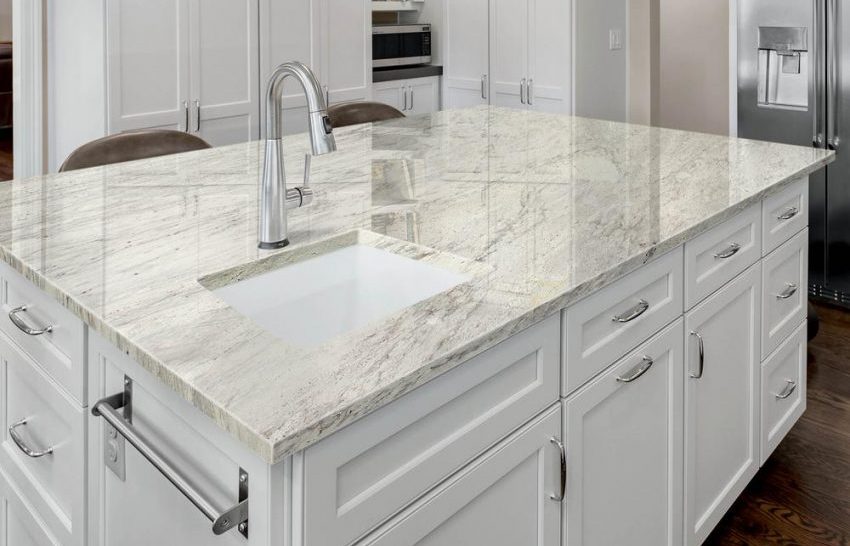
What is granite?
When you buy a granite countertop, you’re getting one of several kinds of rock. True granite is igneous, formed from cooled lava. What’s in your granite depends on where it formed and how long it took to cool, which is why granite comes in a range of colors and crystal sizes: each deposit is as unique as the volcano that created it.
The stone might contain silica, mica, feldspar, or quartz, among other minerals — or it might not be granite, or even igneous rock, at all. Metamorphic dolomites are sometimes sold as granite, as are sedimentary breccias and gabbros.
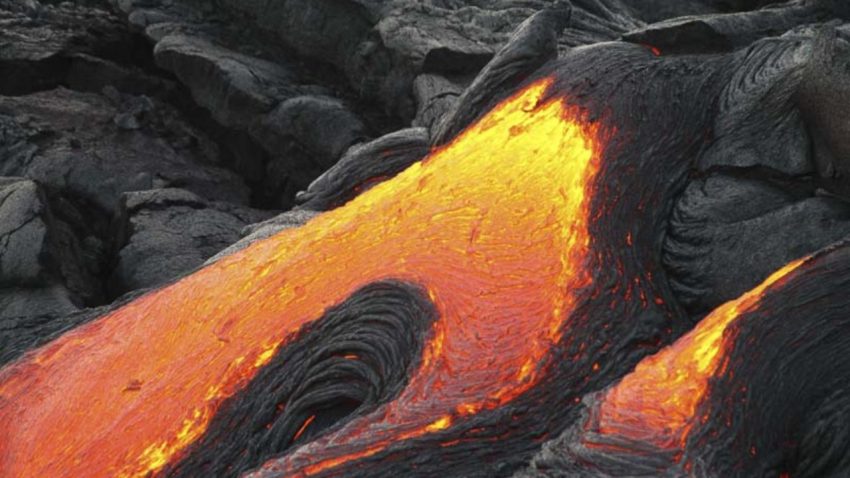
For most people, how their granite looks matters more than its chemistry — but these variations affect how you clean it. Some granites are harder than others, and some stain more easily. Knowing what will stain your particular surface, and which cleaners you can and can’t use, is the first step to maintaining it.
Pro Tip: It’s a myth that dark granite is harder than light granite. Because the minerals are so variable, you can’t tell how strong or porous granite is from its color.
If you haven’t chosen your granite yet, or you know which store your installed granite came from, you can probably get a sample piece to stain-test. If you can’t, don’t worry — these Pro tips will guide you through safely cleaning and maintaining it.
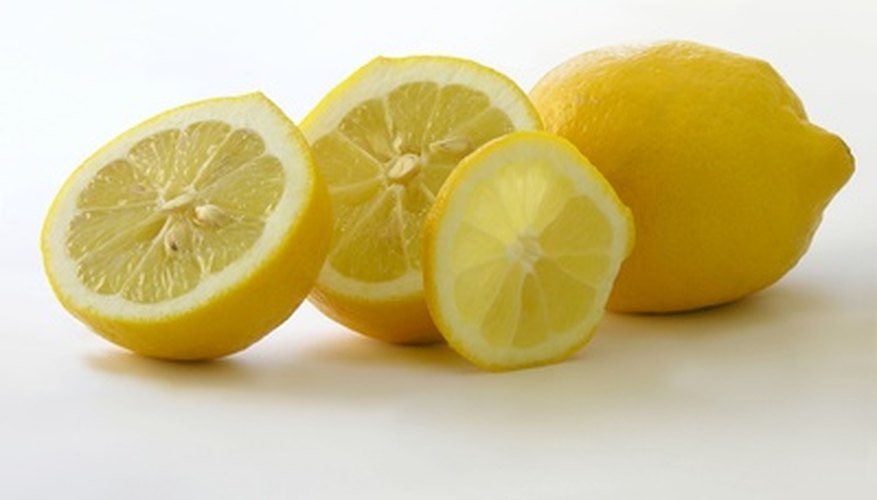
How do you test granite with lemon and water?
You’ll need:
- A sample of your granite counter
- Water
- Real lemon juice
- Optional: cooking oil, coffee, sliced fruit (e.g. strawberries, blueberries)
- Decorator’s tape
- Granite sealant
- Optional: magnifying glass
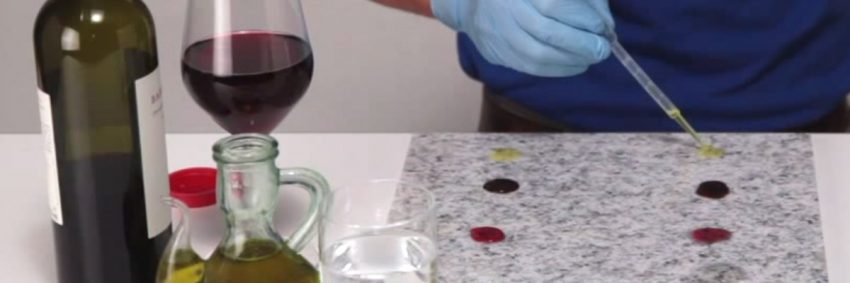
The lemon and water test is a simple way to find out how your granite will react to stains and cleaning solutions. You’ll need a sample from the stone yard or store it came from — don’t experiment on your installed worktop.
Step one: Use decorator’s tape to divide your test granite in half, and seal one half with the sealant brand you plan to use. See the sealing guide below, or follow the manufacturer’s instructions.
Step two: Once the sealant has set, put the granite on a level surface and add a little water on each side. Add a little real lemon juice beside the water, taking care not to mix them. For a fuller test, also add cooking oil, coffee, or cut fruit.
Step three: Let the test granite sit for at least an hour.
Step four: Wipe it clean and inspect for stains and marks, viewing from different angles and under different light. For the most detail, use a magnifying glass to check for tiny abrasions or dulling, known as etching.
What you’re looking for:
Where the water (and oil, if used) was placed, check for darkening of the stone. Darkening means the granite absorbed the liquid — it’s porous, and getting it wet risks discoloration.
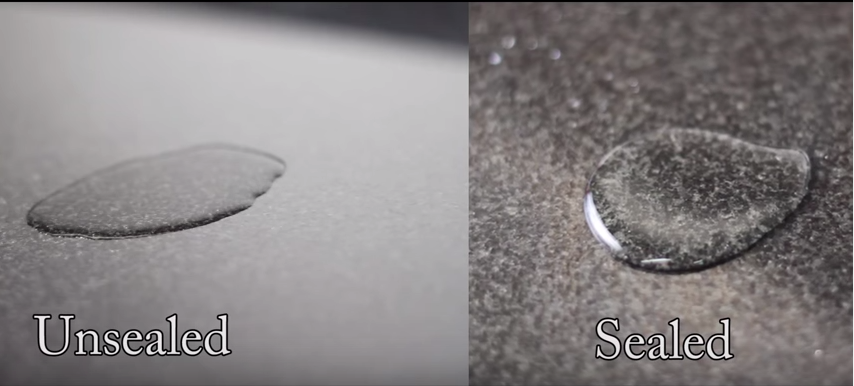
The sealed side shouldn’t show water damage even if the unsealed side does. If the sealed side still darkens, the granite is highly porous and needs a specialized sealant. Porous granite is also more maintenance — you’ll seal it more often and need to mop up spills instantly.
No discoloration where the water sat means the granite is non-porous and less likely to stain.
Where the lemon juice was, look for a change in shine or surface texture — rub your fingers over the spot if you don’t see anything. If the granite looks dull there, the acid has etched it.
Some granites etch very easily, others barely react to strong acids. Signs of etching mean your worktop needs protecting from acids like lemon juice, tomatoes, and red wine.
Sealant’s main job is to make granite less absorbent, not to stop chemical damage — so it won’t fully prevent etching, but it reduces the effect.
Finally, check staining by reviewing where you placed other test samples. Lighter granites tend to stain more easily, but a non-porous light granite is less of a concern.
How do you clean a granite countertop?
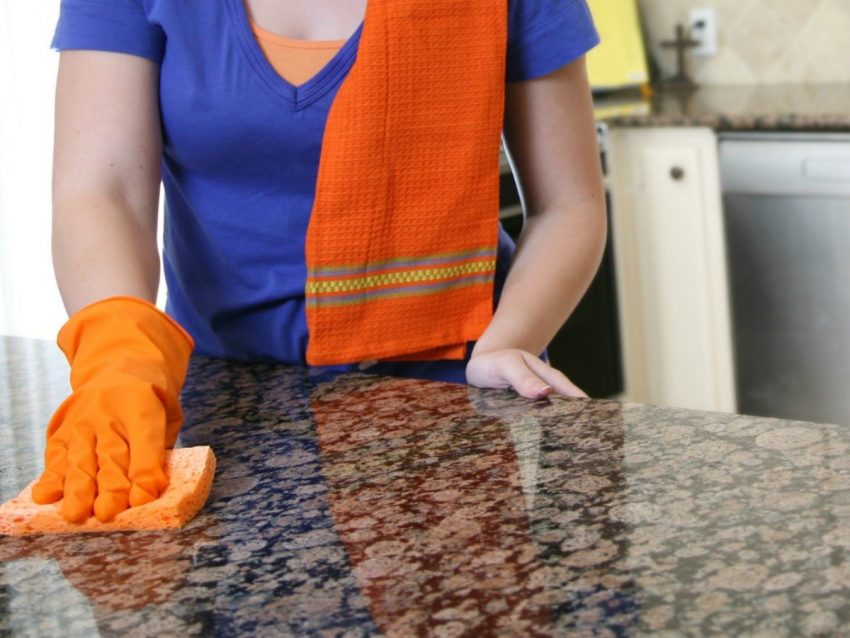
For everyday cleaning, you don’t need complicated or specialized chemicals. Wipe up spills as soon as you can, and avoid setting stain sources on the granite.
Although water can discolor granite, washing with water is still the best way to clean it. The key is to use only as much as necessary (don’t flood the stone) and wipe and dry the counter as soon as you’re done. Water only affects granite if it sits long enough to soak in.
Always use a pH-neutral cleaner to avoid etching. Gentle dish soap and water is usually enough — acidic or alkaline cleaners both damage the surface, making it look dull and dark.
What should you not use to clean granite?
- Lemon juice
- Vinegar
- Citric acid
- Ammonia
- Bleach
- Windex
- Lysol
What should you use to clean granite?
- Dish soap (e.g. Ivory, Dawn)
- Castile soap
- Warm water
- Baking soda
- Isopropyl alcohol
| Can I use these to clean my granite countertop? | |
| YES | NO |
| Dish soap (e.g. Ivory, Dawn) | Lemon juice |
| Water | Vinegar |
| Baking soda | Citric acid |
| Isopropyl alcohol | Ammonia |
| Bleach | |
| Windex | |
| Lysol | |
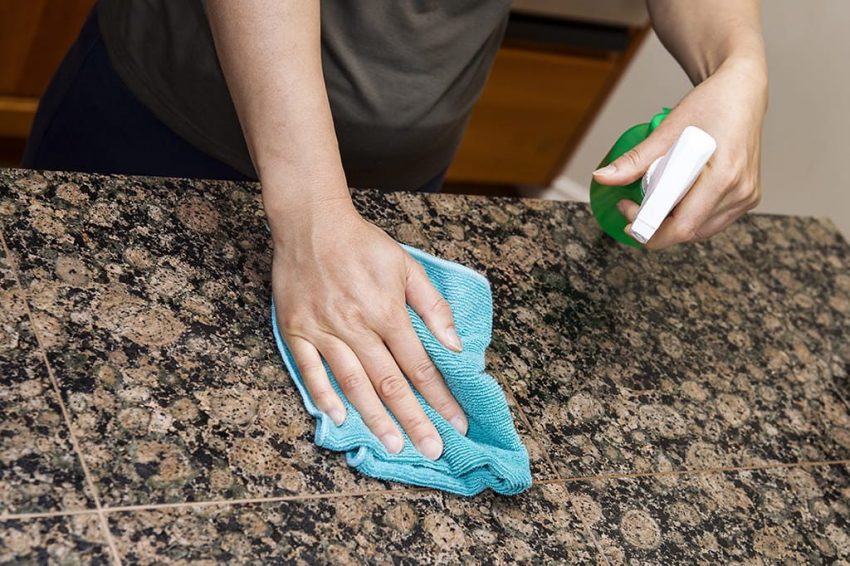
To clean granite, first wipe away dust or spills with a clean, damp microfiber cloth. Then wash the surface with warm water and a small amount of dish soap. Wring out the cloth and wipe again with clean water to remove soap residue, which can leave a film over time, especially on dark granite.
Pro Tip: Make sure your dish soap contains no citrus extracts or essential oils — even in tiny amounts, they can damage granite.
Never use an abrasive pad on granite or other natural stone. Wire cleaners, brushes, and even sponges can scratch the surface. Microfiber cloths are best, since they won’t scratch and they collect dust rather than moving it around.
For a sticky stain, resist scrubbing. Soak it with water or a pH-neutral cleaner and wipe with a soft cloth. For larger dried-on residue like food, carefully use a plastic scraper to dislodge it.
Once clean, dry the counter completely with a fresh microfiber cloth — leaving water on granite risks discoloring it.
That’s it. Keeping granite clean isn’t difficult, and it doesn’t require any expensive specialist cleaners.
How do you remove dried spills from granite?
Despite your best efforts, you’ll miss a spill at some point — it doesn’t mean your granite is ruined.
Avoid strong cleaners like bleach or ammonia, and DIY ones like white vinegar or lemon juice. All are too harsh for natural stone. Even if one or two uses don’t seem to harm it, over time they erode the surface, dulling it, changing its color, and making it absorb stains more easily.
Instead, make a 50/50 solution of isopropyl alcohol and water. Spray the spill and work it gently with a microfiber cloth. If the residue won’t lift, dampen a paper towel with the solution and press it over the mark for five to ten minutes, then wipe clean.
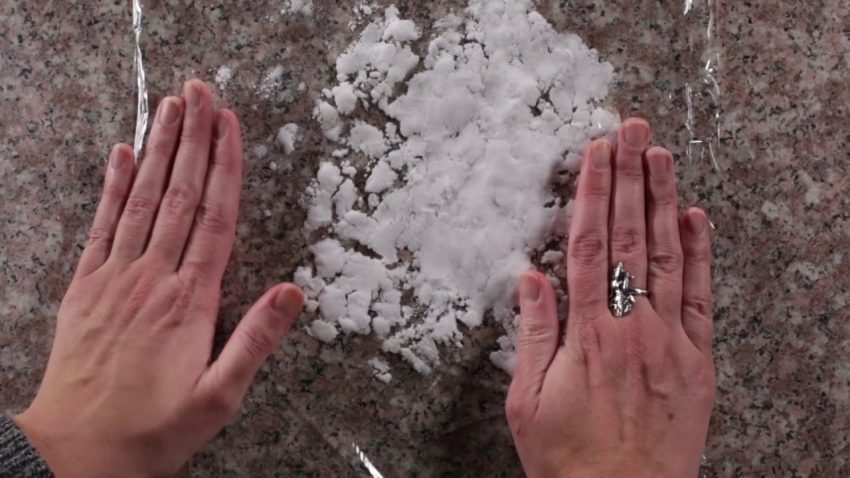
If that fails, make a paste of baking soda and water, apply it to the spill, gently rub with a microfiber cloth, then wipe clean with warm, soapy water. This works especially well on oily marks.
Wash the counter with fresh water and dry thoroughly once the residue is gone, to keep your granite in top condition.
How do you remove stains from granite?
A stained granite countertop can usually still be fixed. The cause of the stain determines the best approach.
Water marks
Most water marks disappear once fully evaporated, but very porous granite or a large spill can leave a dark area. Gently wash the spot with warm, soapy water, rinse off residue with a clean damp cloth, and dry thoroughly.
If the mark remains once dry, try a paste of baking soda and a little water. For the most stubborn marks, gently buff with fine steel wool (#0000) — never wet the steel wool on granite, as it will damage the surface.
Oil-based stains
The best fix is a paste of baking soda and water. Apply it to the stain, work it in gently with a soft cloth, and leave up to an hour. Remove residue with a damp cloth and dry well. Large or deep stains may need several rounds.
Organic stains
Food stains can look bad but still come out of granite. Fruit, coffee, soy sauce, and more can stain, but hydrogen peroxide removes them if other methods don’t work.
| What kind of stain is in my granite countertop? | ||
| WATER | OIL | ORGANIC |
| Hard water | Cooking oil | Strawberries |
| Mineral deposits | Pizza grease | Tomato juice |
| Soap scum | Lipstick | Coffee |
Hydrogen peroxide is slightly acidic, so don’t use it regularly, but you can spot-clean stubborn stains with it. Make a paste of hydrogen peroxide and talcum powder, apply it to the stain, rub gently with a soft cloth, and wipe away residue. Rinse with fresh water to remove all the peroxide and protect the stone.
What DIY and natural cleaners are safe for granite?
Most common DIY cleaners aren’t suitable for natural stone — vinegar and lemon juice are acidic and will damage granite. For a stain, though, you can use a poultice of baking soda and water. Mix two or three tablespoons of water with enough baking soda for a thick paste, apply thinly to the stain, work it out with a soft cloth in circular motions, and clean well with fresh water. Dry the granite afterward to prevent water marks.
To disinfect granite, use one part isopropyl alcohol to three parts water with a few drops of dish soap in a spray bottle. Mist the counter, let it sit ten minutes, then wipe away excess with a dry microfiber cloth. This boosts granite’s natural antibacterial properties.
Pro Tip: To add scent to a cleaning solution, avoid citrus essential oils — use tea tree, eucalyptus, rosemary, or lavender instead.
As a natural alternative to dish soap, look for eco-friendly products. Castile soap is also safe on granite — just substitute a few drops for the dish soap.
How do you polish granite until it shines?
Granite’s appeal is its high-shine finish, and you’ll want to keep it sparkling. You can buy a specialist granite polish, or try one of these.
Baking soda
Cleaning Pros love baking soda — versatile, effective, and gentle. Mix three parts baking soda to one part warm water until smooth, apply a thin layer to the granite, and gently buff with a clean cloth. Wipe away residue with a damp cloth and dry for a smooth, shiny surface.
Cooking oil
Although cooking oil can stain granite, in small amounts it also polishes. Any oil works — vegetable or olive. Apply a little to a soft, clean cloth and buff in circular motions, including the edges. Oil gives a nice shine and helps the granite repel water.
Sometimes granite looks dull from etching — erosion of the surface. Small etches can be polished out with polishing powder (usually tin oxide), but no amount of polishing undoes deep etching. For that, call a professional who can refinish the stone.
What substances stain granite countertops?
Granite is generally very stain-resistant, though it depends on porosity and color. A few simple precautions go a long way.
Water
Water can stain granite if it soaks in. Wipe up spills quickly, especially around sinks and prep areas. Don’t leave damp sponges or cloths on the counter, and don’t set wet gloves or an umbrella on it when you come home.
Even so, don’t be afraid to use water regularly to clean — it only stains if it soaks in, so always dry thoroughly.
Oils
Oils can discolor granite, and their stains are harder to remove than water marks. Be vigilant wiping down the counter, especially around cooktops. Some foods contain oils that soak in, so avoid putting anything organic directly on the surface — use cutting boards and silicone mats.
Fruit juice, red wine, and soda
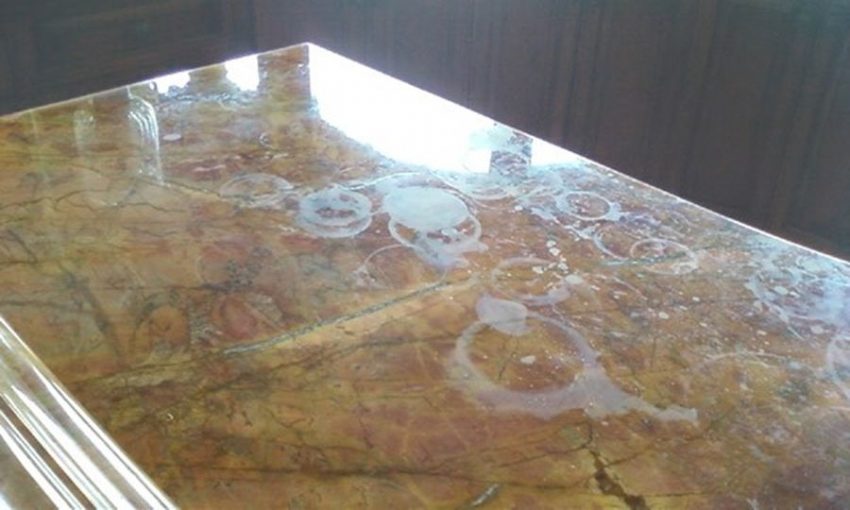
These are acidic and strongly colored — a bad combination for granite. The acid eats into the surface and the color permeates the stone, leaving etching and stains. Wipe these spills immediately, and use coasters against drink rings.
Bleach and ammonia
Anything that isn’t pH-neutral can damage granite, including common household cleaners. Unless you’ve tested a sample of your worktop, avoid strong solutions, which cause etching and discoloration.
Heat
Surprisingly, hot pots and pans can damage granite — even though heat resistance is part of its appeal. The sealants and finishes on the surface aren’t as heat-resistant as the stone itself, so heat can leave black marks or, in the worst case, crack the granite. Use trivets or protective pads under hot pans.
Fresh fruit
Like fruit juice, fruit itself is usually acidic and brightly colored. Berries, grapes, tomatoes, and citrus are especially likely to stain. Always put something under fruit you set out.
Coffee
Coffee is acidic enough to dull and etch granite, leaving it prone to absorbing stains. Keep grounds off the counter, use coasters under cups, and consider a silicone mat under your coffeemaker.
Makeup
Makeup products contain oils and dyes that can discolor natural stone. Avoid putting makeup on your worktops, or place something underneath to protect the surface.

Should granite countertops be sealed?
In short, yes. Sealants keep granite from absorbing stains, giving you time to clean up before damage occurs. Unsealed granite is much more likely to stain.
Two types are common: topical sealers coat the granite with a protective layer, while impregnating sealers soak in and fill the pores that absorb liquids. Impregnating sealers last longer, but both need reapplying every year or two as they break down.
Color enhancers
Color enhancers are applied like topical sealers but don’t provide the same protection. Their job is to make granite look glossy and “wet” and bring out the stone’s natural color — and they can mask etching damage. They also improve matte finishes like leathered or honed granite.
You can use a color enhancer alongside a sealant, but it’s not a replacement for properly sealing the stone.
How do you seal a granite counter?
You’ll need:
Dish soap or granite cleaning solution
Warm water
Microfiber cloths
Granite sealant
Note: Always follow the product’s instructions, but this covers the basics. You should be able to seal your counters in about an hour, including drying time.
Step one: Clean the surface thoroughly with warm, soapy water (or granite cleaner).
Step two: Wipe away residue with a fresh, damp microfiber cloth.
Step three: Dry the counter thoroughly with a dry cloth.
Step four: Let the granite air-dry so all the water evaporates — about ten to fifteen minutes.
Step five: Spray sealant evenly across the granite, covering all surfaces including the sides.
Step six: Rub in the sealant with a clean, dry microfiber cloth.
Step seven: Let the sealant absorb for about ten minutes, then wipe away excess with a microfiber cloth.
Pro Tip: If the sealant sets too long and dries on the counter, add a little more to break it down, then buff it away.
How do you know when granite sealant needs reapplying?
Most sealants last about a year, but it depends on how you use your kitchen and what the granite contacts daily. To check, spray a little water on the counter. If it beads, the sealant is still keeping liquids out. If it doesn’t bead, it’s time to reseal. It’s that simple.
How do you maintain granite countertops?
The best way to keep granite looking its best is to prevent damage. Five key steps:
- Don’t place anything hot or organic directly on the granite
- Guard against abrasive dust and grit
- Clean up spills immediately
- Avoid harsh chemicals and cleaners
- Seal your granite regularly
Prevention beats cure, so be mindful of how you use your granite and what you set on it. Wiping it daily with a damp cloth and buffing away excess moisture keeps it gleaming and lets you catch spills before they become stains.
With the right treatment and a little daily attention, your granite counters will last a lifetime and be the easiest thing in your home to clean.
FAQ
Can you use vinegar on granite countertops?
No. Vinegar is acidic and will etch and dull granite over time, even though it’s a popular all-purpose cleaner elsewhere. Stick to pH-neutral dish soap and warm water.
How often should you seal granite countertops?
Most granite needs resealing every year or two. Test it by spraying a little water on the surface — if the water stops beading and soaks in, it’s time to reseal.
Why does my granite look dull or cloudy?
Usually it’s either soap-film buildup or etching. Try wiping with clean water and drying thoroughly first; if the dullness remains and feels rough, it’s likely etching from acidic spills or cleaners, which may need professional refinishing.