
Everything You Need To Know About Vinegar As A Household Cleaning Agent
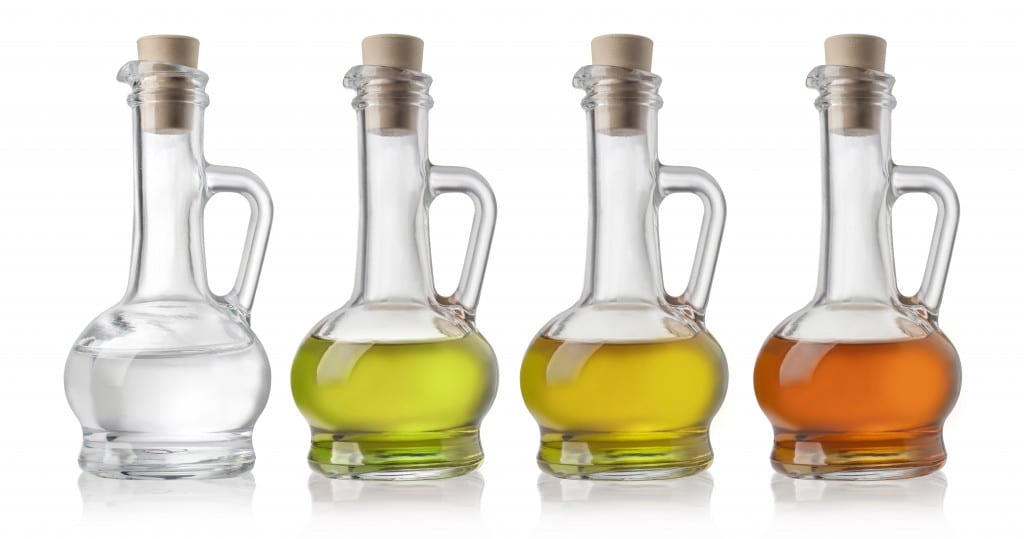
Distilled white vinegar is one of the cheapest, most effective natural cleaners you can keep in the house. Its acetic acid cuts grease, dissolves mineral deposits, deodorizes, and kills many bacteria, which makes it a great all-purpose cleaner for non-porous surfaces like glass, ceramic tile, laminate, mirrors, and most countertops. The big exceptions: never use it on natural stone such as granite or marble, on solid wood, or on unsealed grout, where the acid causes damage. Below is the full rundown on how vinegar works, where to use it, and where not to.
Vinegar, from the Latin “vinum acer” meaning “sour wine,” dates back at least 7,000 years. It has been found in Ancient Egyptian urns, was a lower-class drink in Roman times, was mentioned in the Old Testament, and was in large-scale production in China by 500 BC.
Vinegar can be made from any sugary substance but usually comes from fruit, through a process that ferments the sugar into acetic acid. There are two common ways of making it — using yeast, or a genus of bacteria called Acetobacter. Ironically, we use microorganisms to create vinegar, which can then be used to fight them.
Titus Livy chronicled how Hannibal poured boiling vinegar on boulders to clear the way as he crossed the Alps. Louis XIII of France allegedly spent 1.3 million livres on vinegar to cool and clean his cannons during battle. Medieval English knights used vinegar and sand to clean their chainmail, and each soldier was supplied with a ration of vinegar during the American Civil War.
Vinegar’s use as a household cleaner and disinfectant is just as long and widespread, and today it’s undergoing a revival as more people look for an effective, inexpensive, eco-friendly cleaner to replace harsh bleaches and chemicals.
Acetic acid, the active cleaning component in vinegar, is a natural deodorizer that damages the cell membranes of most bacteria, causing the microbes to die. It isn’t completely effective against all pathogens, though, and doesn’t reliably kill some dangerous bacteria such as staph — so it’s a great everyday cleaner, but not a substitute for a registered disinfectant where one is genuinely needed.
The science behind using vinegar as a household cleaner

Even though vinegar isn’t a complete disinfectant, it’s an effective cleaner when used correctly, and several studies back that up. A team of Japanese researchers found vinegar effective at inhibiting the growth of E. coli and concluded it was “markedly effective for the prevention of bacterial food poisoning.” It was also shown to work as a biocide preventing the growth of pathogens in burn wounds, in a study by the Institute of Microbiology and Infection with Queen Elizabeth Hospital in the UK.
A further study, published in the Journal of Clinical and Diagnostic Research, found vinegar to be an effective disinfectant for extracted human teeth and recommended it for lab decontamination.
It isn’t just bacteria. The Institute for Food and Agricultural Sciences at the University of Florida studied the effects of vinegar on poliovirus, bacteriophages (a virus that parasitizes bacteria), and salmonella, and found a vinegar wash reduced all of these pathogens by 95 percent.
Finally, the American Society for Microbiology published a study showing vinegar was effective at killing multidrug-resistant strains of tuberculosis and other mycobacteria. The study concluded that “acetic acid (vinegar) is an effective mycobactericidal disinfectant that should also be active against most other bacteria.”
Choosing the right type of vinegar for cleaning
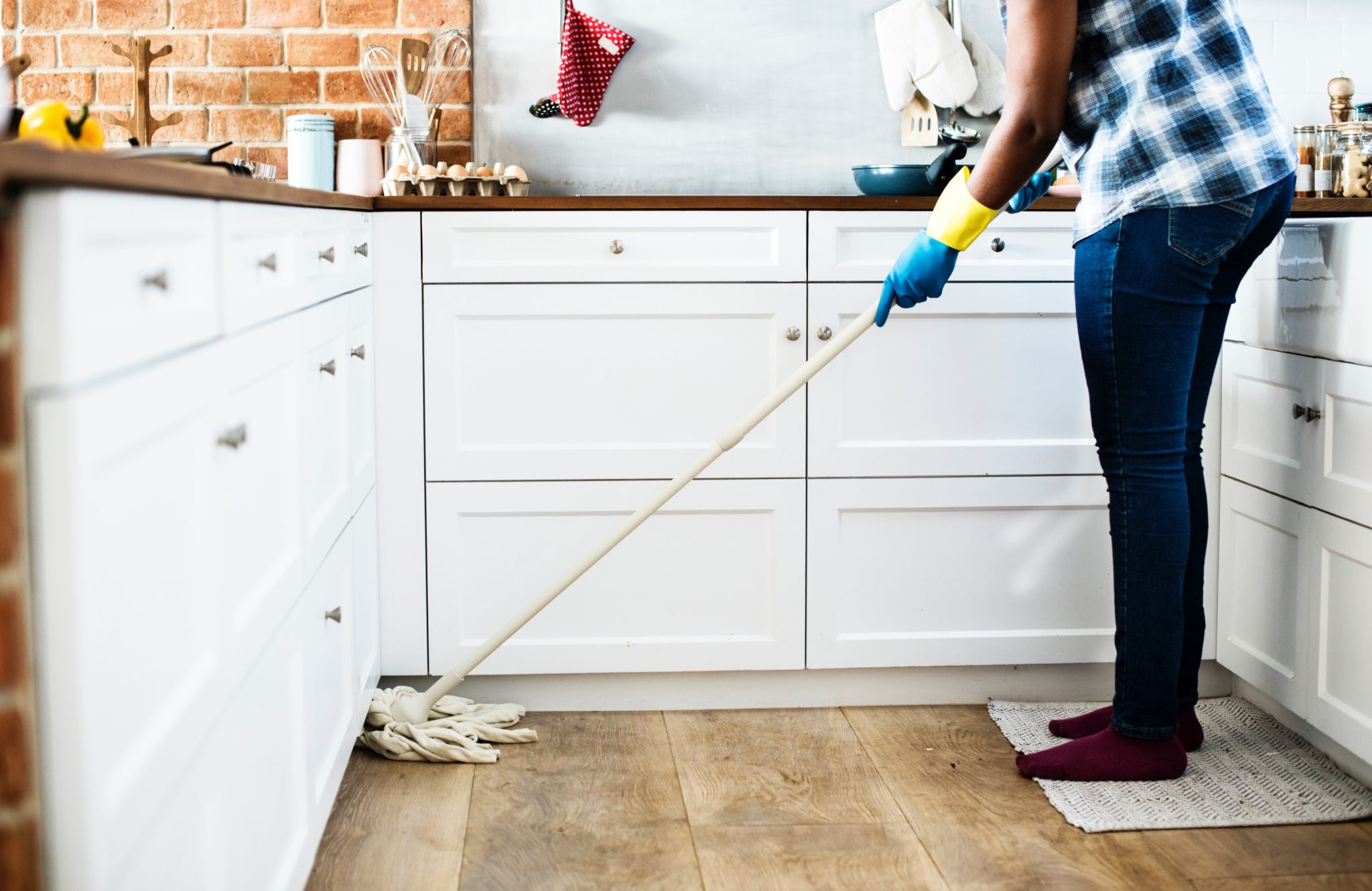
Not all vinegar belongs under the sink — most types (malt, rice, red and white wine, balsamic) belong in the pantry. The best vinegars for cleaning are distilled white vinegar and apple cider vinegar.
Most distilled white vinegar sold for cleaning and cooking is about 5% acetic acid and 95% water — that gentle acidity is what makes it good for everyday surfaces. You’ll also see “cleaning vinegar” at around 6% acetic acid, which is modestly stronger (and not food-safe), and some industrial-strength white vinegars run far higher — up to 20% or more. Those high-strength products are corrosive and meant for weeds and heavy-duty jobs, not kitchen counters, so always check the concentration before using any vinegar as a cleaner.
Apple cider vinegar, made by fermenting apple juice, has similar cleaning properties to white vinegar, and many people prefer its sweeter, fruitier scent.
While vinegar is a cheap, eco-friendly antibacterial cleaner, it isn’t safe for every surface. It’s an acid — distilled white vinegar has a pH around 2.4, more acidic than almost everything except stomach and battery acid — and acid doesn’t react well with some materials, so always check that a surface is vinegar-safe before you start.
When not to use vinegar
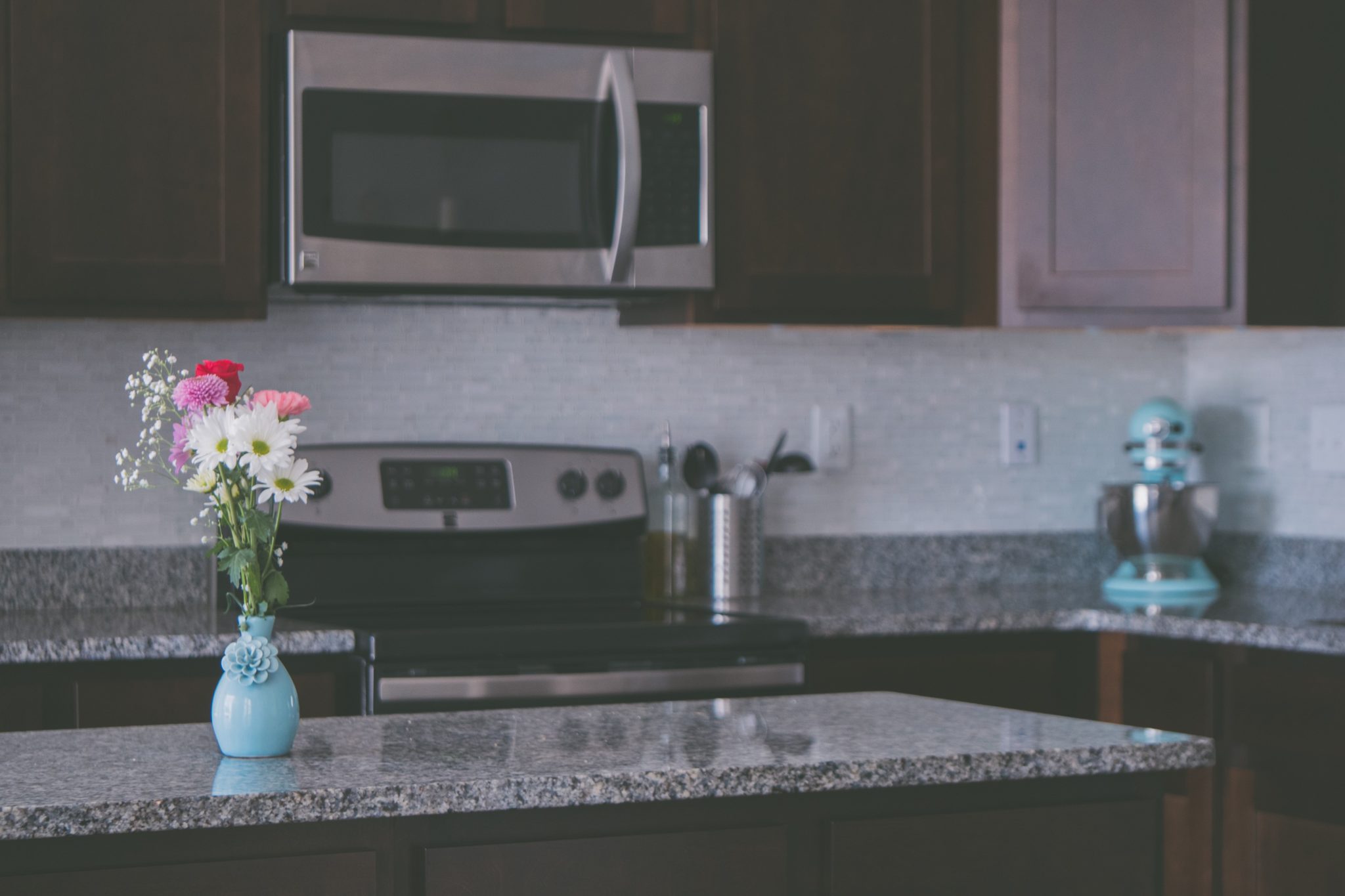
- Natural stone: granite and marble countertops or tiles react badly with the acid, which etches the surface, leaving it pitted and dull.
- Non-stainless knives and cutlery: vinegar removes rust spots, but on anything other than stainless steel the acid can eat through the blade over time.
- Solid wood: on furniture or hardwood floors, vinegar can dissolve some finishes and leave water marks on others.
- Egg messes: vinegar reacts with egg protein and turns it into a glue that’s even harder to clean up.
- Grout (use sparingly): a little can clean off mold and mildew, but used too often it breaks down the seal and causes more problems than it solves.
When to use vinegar
Vinegar is great as a general cleaner on non-porous surfaces — ceramic wall and floor tiles, laminate flooring, kitchen cabinets and countertops (except natural stone), mirrors, windows, and more.
It also cleans and freshens many appliances. Clean a microwave by heating vinegar inside and letting the steam loosen old food stains. Freshen a dishwasher by running a hot wash with a bowl of white vinegar inside. For a washing machine, run hot water with vinegar added (in the drum for top loaders, or the dispensers for front loaders) and let it soak before running. Wipe down the inside of the fridge to cut germs from food storage, and use vinegar to maintain small appliances like your coffee maker and clothes iron, and to clear smells from garbage disposals, drains, and toilets.
It’s a great fabric cleaner too: soak dark denim in vinegar to set the color, use it as a spot-treatment on stains, and add a cup of distilled vinegar to a hot wash to freshen smelly towels.
A note on washing produce: the FDA recommends plain cool running water as the primary way to wash fruits and vegetables, and water alone is effective for everyday use. If you want to go further, an optional soak in a solution of one part vinegar to about three parts water for a few minutes can help reduce some surface residues — just rinse with clean water afterward, and never use soap or detergent on produce.
Room-by-room: using vinegar to clean
Every room in your home can benefit from vinegar. Here are ideas to try in each.
Kitchen
Vinegar is a natural fit for the kitchen — non-toxic and harmless near food. Beyond disinfecting surfaces (except natural stone), there are dozens of uses:

- Use a paste of vinegar and baking soda to scrub away stains and remove hard-water marks and limescale from sinks and faucets.
- Tie a bag filled with vinegar over a faucet overnight to have it sparkling by morning.
- Spray cutting boards with vinegar and rinse to reduce bacteria.
- Coat plastic containers with vinegar before washing to lift old stains.
- Pour a cup of baking soda down the drain followed by a cup of vinegar to keep it running clean and fresh.
Bathroom
The bathroom is another place to use distilled vinegar liberally — just go easy around tile grout and any natural stone.

- Pour a cup of vinegar into the toilet bowl and leave overnight; for better results, add baking soda the next morning and scrub before flushing.
- Clean a bath drain with baking soda and vinegar, then pour another half cup of vinegar over the closed drain overnight to clear buildup.
- Tie a bag of vinegar around the showerhead overnight to dissolve mineral deposits from the jets.
- Spray vinegar on a glass shower door and wipe with newspaper for a streak-free finish, or wash shower curtains on a warm cycle with a cup of vinegar to clear mold and mildew.
Bedroom
No drains or appliances here, but vinegar still helps.

- Remove carpet stains by sprinkling with baking soda, then adding half a cup of vinegar; let it fizz, dry naturally, and vacuum up.
- Clean window blinds by moistening an old sock with vinegar, slipping it over your hand, and running it along the slats.
- Remove odors from clothes by washing on a hot cycle with a cup of vinegar, which also softens fabrics and reduces static.
- Brighten whites by adding a cup of vinegar to two quarts of boiling water and soaking overnight.
- Lightly mist a mattress with vinegar and let it dry to combat mildew, mites, and odors.
Living room
In your living areas, vinegar keeps surfaces clean and stain-free.

- Clean a computer mouse, keyboard, and peripherals with a cloth barely dampened with vinegar — wring out as much as you can so no moisture gets into electronics, and switch everything off first.
- Wipe down the TV remote and cell phone with a vinegar-dampened cloth to cut bacteria.
- Remove water rings on wooden furniture with a 50/50 mix of vinegar and olive oil, applied sparingly with the grain, then buff with a dry cloth.
- Mist the backs of rugs with vinegar to discourage mildew and odors.
- Clean windows, mirrors, and glass with a 50/50 water-and-vinegar mix.
Outside the home
Vinegar’s uses don’t end at the front door — it’s handy in the yard and garden too.

- Spray weeds with vinegar to knock them back, or pour it over areas where grass shouldn’t grow.
- In hard-water areas, increase soil acidity by diluting a cup of vinegar in a gallon of water for acid-loving plants like azaleas, rhododendrons, and hydrangeas.
- Soothe wasp stings by dabbing with vinegar — wasp stings are alkaline, so the acid helps neutralize them.
- Make a DIY bug spray by mixing three parts water to one part vinegar with a teaspoon of dish soap; lightly spray plants, including the undersides of leaves.
- Keep cut flowers fresh longer by adding two tablespoons each of sugar and vinegar to a quart of water, changing it every five days.
Vinegar: the homeowner’s secret best friend
You don’t need to spend a fortune on harsh chemicals or specialist solutions to keep your home clean and fresh. Distilled white vinegar is a cheap, scientifically backed answer to a huge range of everyday cleaning needs — from disinfecting the kitchen and bathroom to brightening laundry and leaving windows streak-free. Just remember the exceptions (natural stone, solid wood, and unsealed grout), and vinegar earns its place as one of the most useful things under your sink.