
A Simple Room-by-Room Deep Cleaning Checklist
Pro Housekeepers is a nationwide housekeeping company. This deep-cleaning checklist is built for real life: one room at a time, top to bottom, over days or weeks — so you finish what you start without burning out. Use it seasonally or before guests, move-in, or allergy season.
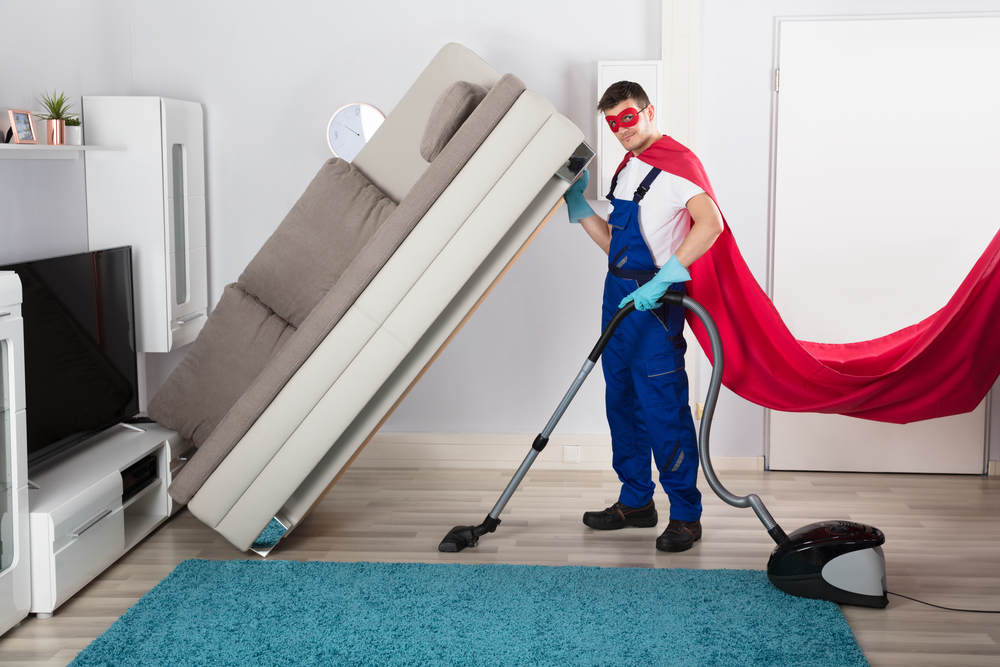
Pace yourself: two rules that save time
- Farthest room first, then work toward the exit so you are not tracking dirt through finished spaces.
- Top to bottom in every room — ceilings, fans, and light fixtures first; floors last — so dust falls onto surfaces you still plan to clean.
Declutter as you go. A deep clean on overloaded surfaces turns into moving piles around. Put a donation box by the door and keep only what has a home.

Supplies worth staging
- Microfiber cloths, extendable duster, vacuum with HEPA if you have it
- All-purpose cleaner, bathroom disinfectant, glass cleaner, degreaser
- Grout brush, soft brush for vents, ladder or sturdy step stool
- Trash bags, laundry baskets, gloves; replace HVAC filters if due
Bedrooms
- Wash all bedding including duvet covers, pillow protectors, and mattress covers; vacuum the mattress and rotate if recommended
- Dust ceiling fan, light fixtures, headboard, and blinds; wipe baseboards and switch plates
- Wipe mirrors and glass; empty and wipe nightstands and dresser tops
- Vacuum under the bed and in closets; wipe closet shelving
- Launder curtains or dust them; spot-clean walls where needed
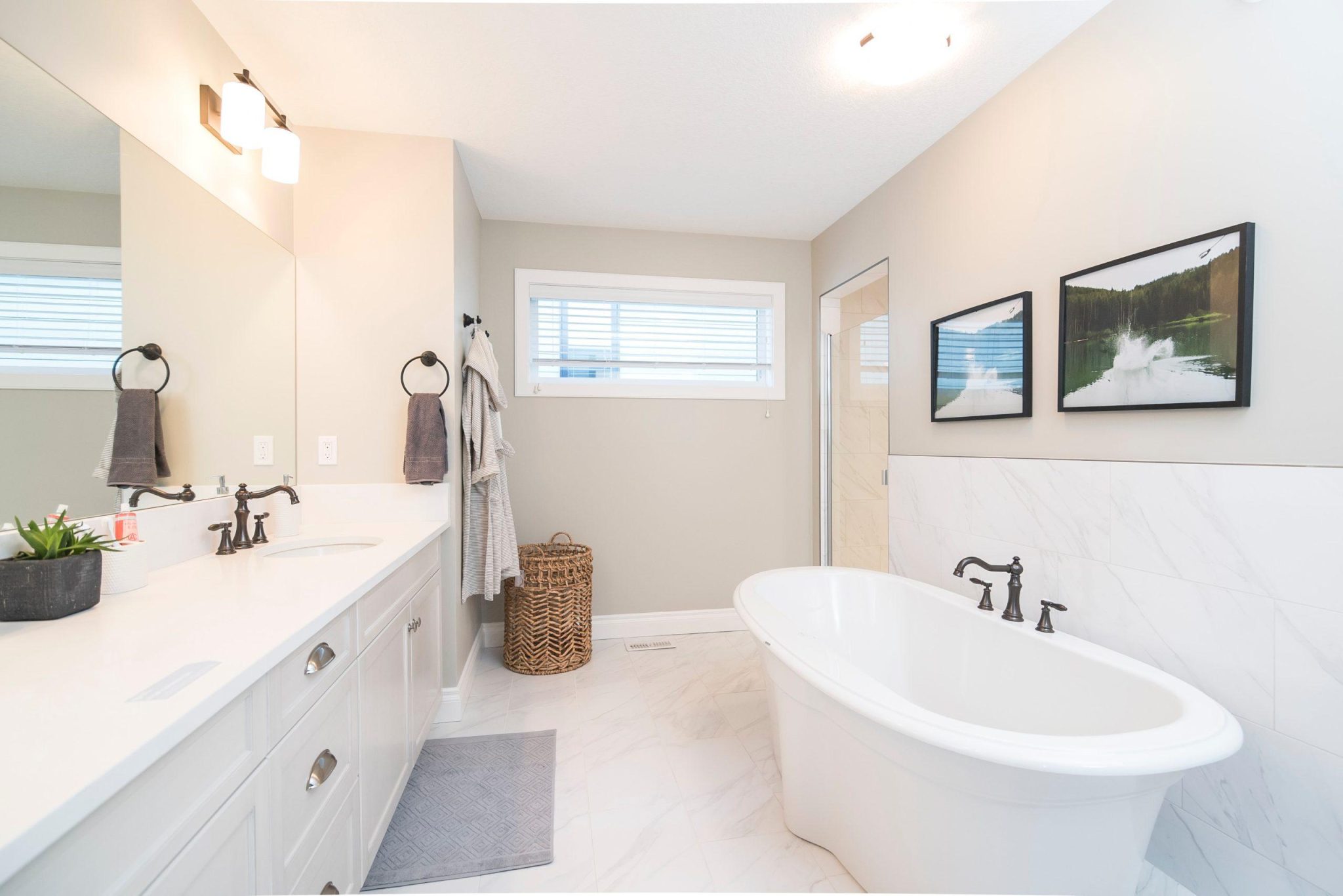
Bathrooms
- Declutter counters; toss empty bottles
- Clean exhaust fan cover; wipe light fixtures and mirror
- Scrub shower walls, doors, and grout; descale showerhead
- Disinfect toilet inside/out including base and handle; wipe sink and faucet
- Wash or replace bath mats; empty trash; mop floor last including behind the toilet
Kitchen
- Empty fridge; discard expired food; wash shelves and door seals; wipe exterior
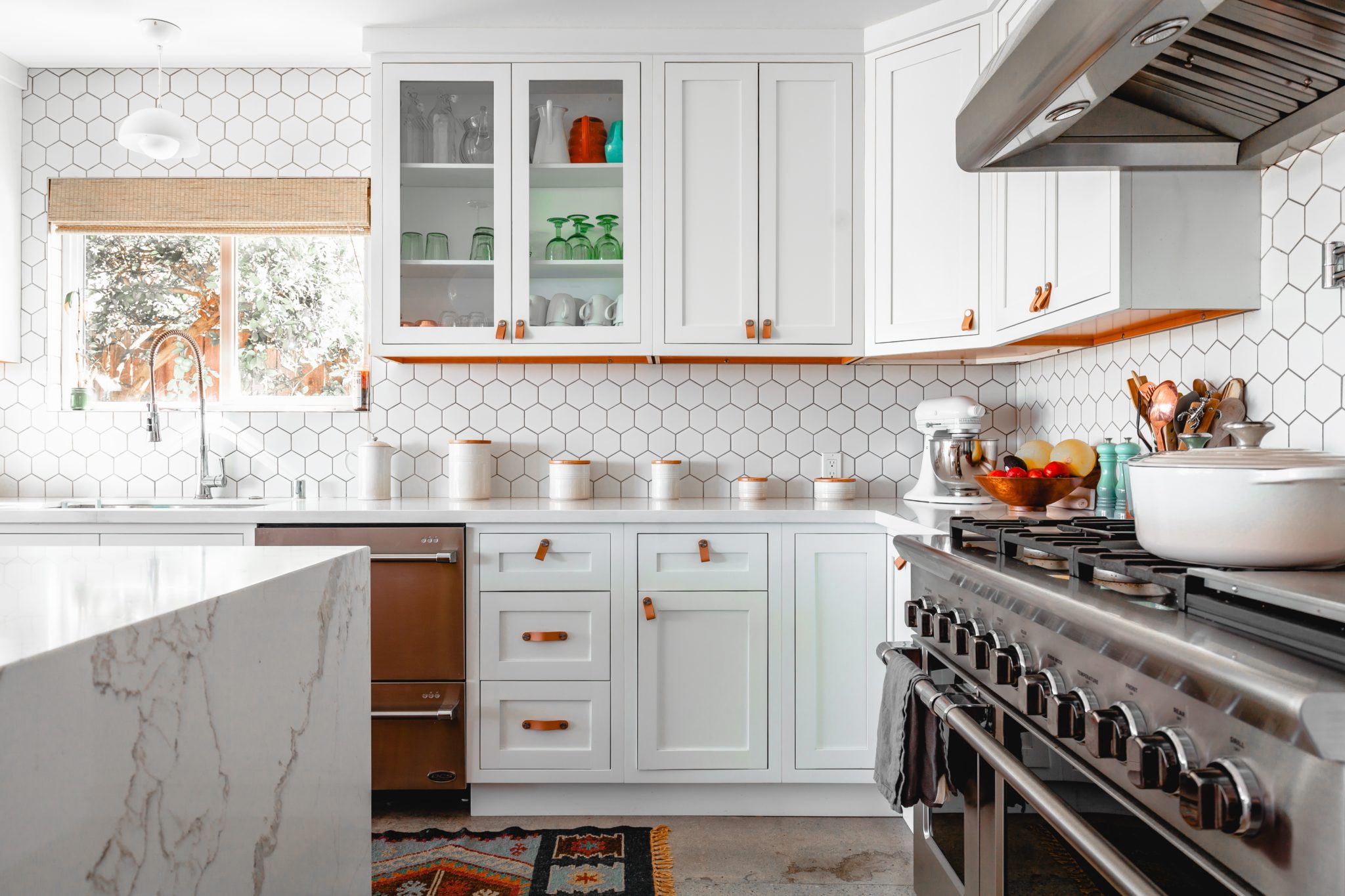
- Degrease stovetop, knobs, hood filter, and backsplash
- Clean microwave inside/out; wipe small-appliance exteriors
- Wash cabinet fronts and pulls; wipe inside one cabinet zone per session if time is short
- Sanitize sink and faucet; run garbage disposal with ice/citrus if appropriate
- Sweep and mop; pull out fridge/stove if safe to vacuum coils and floors behind
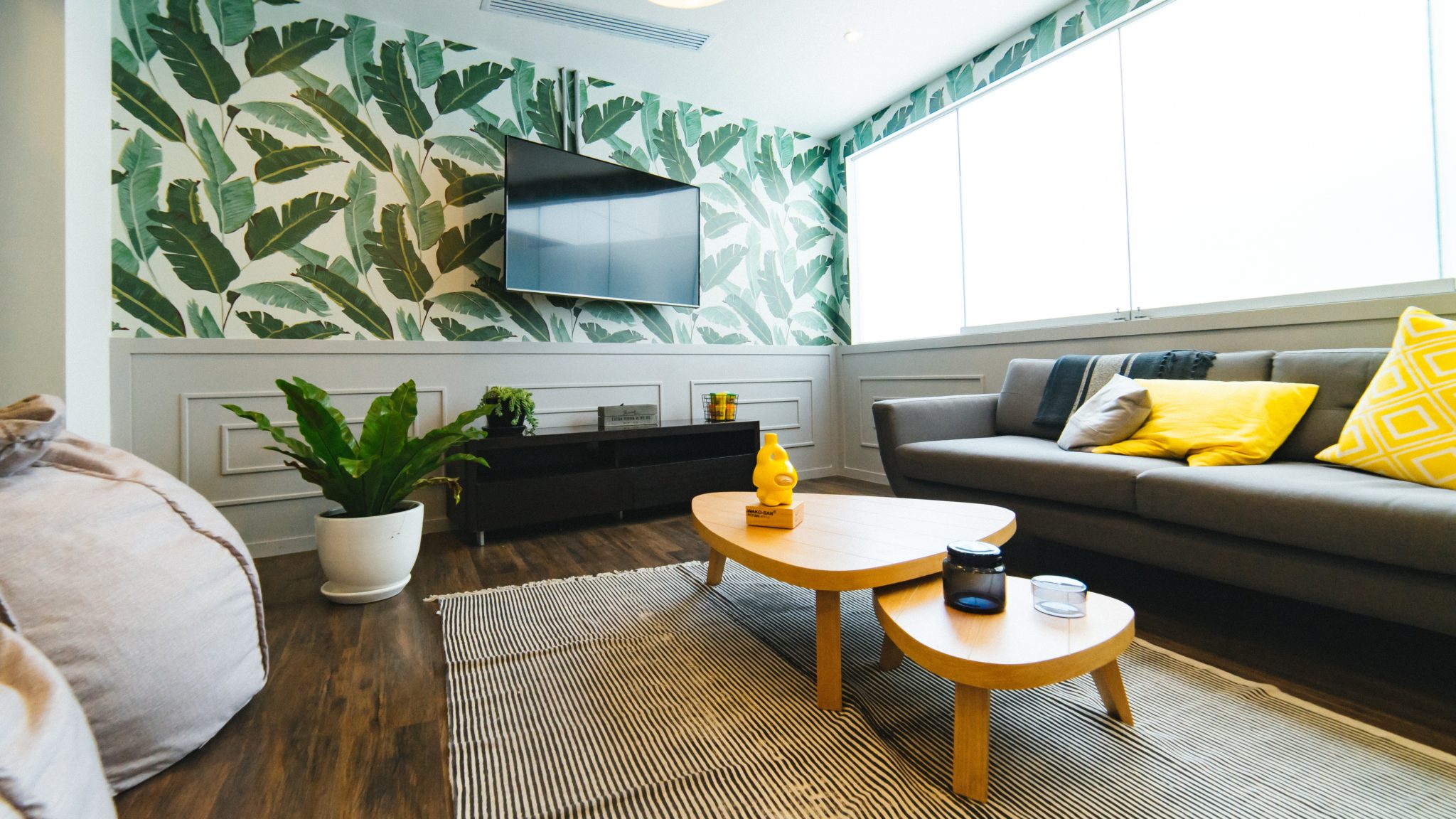
Living areas
- Dust electronics, shelves, décor, and window tracks; vacuum sofa including under cushions
- Wash throw blankets and pillow covers; clean remote controls and light switches
- Wipe baseboards, vents, and door frames; clean interior windows
- Vacuum edges and under furniture; mop hard floors
Entry, laundry, and “skipped” zones
- Shake out entry mats; wipe door glass and handles
- Clean washer detergent drawer and rubber seal; wipe dryer lint trap housing; vacuum dryer vent access if reachable
- Change HVAC filter; vacuum return grilles
- Test smoke and carbon monoxide detectors; replace batteries on schedule
- Spot-clean walls, wipe light-switch plates housewide, and empty all trash/recycling

A simple weekly rhythm
Week 1: farthest bedrooms. Week 2: bathrooms. Week 3: kitchen. Week 4: living + entry + detectors/filters. Adjust to your home size — the checklist matters more than the calendar.
Frequently asked questions
How is deep cleaning different from regular cleaning?
Regular cleaning maintains visible surfaces. Deep cleaning hits baseboards, vents, inside appliances, grout, under furniture, and other rarely touched zones.
How long should a whole-home deep clean take DIY?
Often a full weekend for a small home, or several evenings room-by-room. Larger homes may need a week of sessions.
Do I need special products?
A few solid basics beat a dozen specialty sprays. Match chemistry to the surface (never acid on marble, etc.). If you would rather not risk stone or grout yourself, fold that room into a regular cleaning or deep cleaning visit.
What if I only have one free afternoon?
Do kitchen + bathrooms first — highest payoff for health and odor — then schedule the rest.
Prefer to hand the whole checklist to a crew? Start with our deep cleaning service, then keep the shine with regular cleaning. Book online or call (844) 242-9464.