
To spring clean efficiently, declutter first, then work room by room from the top down and from the farthest point back toward the door, so you’re never tracking dirt through areas you’ve already cleaned. Start each room at the ceiling (light fittings, then shelves and furniture, then floors last), and you can clean most of your home with cheap household staples — dish soap and warm water for walls and trim, white vinegar and baking soda for bathrooms and drains, and lemon for fixtures and the garbage disposal. Here’s a complete room-by-room guide with checklists for every space.
May 28, 2026
Your Complete Guide to Spring Cleaning
It’s that time of year again. Nobody loves to spring clean, but there are more benefits to a fresh, clean home than you might realize — it looks and feels better, and it’s a healthier, more relaxing place to live. Follow our guide and top tips to get your home sparkling in no time.
Before you begin
It’s tempting to dive at the one spot that’s been bugging you, but a little planning makes spring cleaning much easier. Declutter first, before you worry about cleaning — a tidy house is far easier to clean and maintain. Label a few boxes and carry them between rooms so you can gather out-of-place items and return them all at once.
Pro tip: Got kids? Get them involved in sorting old toys and clothes. Label cheap, colorful storage boxes and give everything a home so their things don’t overrun the house.
Start from the top
Begin at the farthest point from your door and work toward it. You want to move dirt out, not shuffle it between rooms by walking back and forth through spaces you’ve already cleaned. Whether you’re in a two-room apartment or a twenty-room ranch, an organized route saves a lot of time and effort.
Pro tip: Start from the top in each room too. Dust light fittings and frames before you change the bed or vacuum, so you’re not cleaning the same area twice.
Bedrooms
Your bedroom should be a sanctuary, but it’s often where clutter piles up. Whether you want to reclaim the chair that’s always buried under clothes or just give everything a thorough scrubbing, this checklist will have you loving your bedroom again.
Checklist
- Dust light fittings and fixtures
- Wipe down pictures and paintings, baseboards, and door frames
- Wash walls and windows
- Vacuum curtains and/or wipe down blinds
- Rotate the mattress and change bedding
- Wash comforters, blankets, and pillows
- Wipe down furniture and shelves
- Move furniture where possible to clean underneath, or use a long-handled vacuum attachment
- Deep clean carpet or vacuum thoroughly
You don’t need expensive products. A few drops of dish soap in a bucket of warm water is all you need to wash walls, baseboards, and door and picture frames — use a damp sponge to soak up dust and lint.
Your bed should be one of the most welcoming spots in the house. Turn or flip your mattress to prevent sagging and extend its life, and consider an inexpensive mattress protector to guard against dust mites and allergens.
Pro tip: Most down and synthetic pillows can be machine washed and dried on low — aim for a wash temperature of at least 140°F to kill dust mites. Foam pillows can’t be machine washed, so dust them with cornstarch and vacuum thoroughly after at least an hour.
For carpets, you can hire carpet cleaners for a deep clean, or use cornstarch or a specialist carpet powder that you vacuum up. Diatomaceous earth, sold at most large grocery stores, can also be used on carpets, hardwood, and around baseboards if you’re worried about ants, mites, spiders, and other pests — just vacuum it up after an hour, like cornstarch.
Closets
You might not think there’s much to spring clean in a closet, but decluttering and sorting your clothes is well worth it — you’ll clear out what you don’t need, free up space for what you do, and make the closet a clean, inviting space.
Checklist
- Dust light fittings and fixtures
- Wipe down shelves, baseboards, and door frames
- Wash walls
- Remove your clothes and reposition them to better manage your space
Don’t just pull everything out and put it straight back — take the time to consider whether you still need each item. One survey found people don’t wear a large share of their wardrobes, and another found the average person has hundreds of dollars of unworn clothes sitting in the closet.
Rotate your wardrobe and put seasonal clothes away until later in the year. Keeping what you need at the front means you won’t undo your organizing by digging through everything to find it. Label boxes and bins so the seasonal swap is easy.
Pro tip: When you return clothes to the closet, turn all the hangers to face away from you. As you wear something and put it back, turn its hanger the normal way. At the end of the year, the hangers still facing away show you which clothes you never wore.
Old clothes can be donated to Goodwill and local charities, or sold at a garage sale or online to earn a little extra cash.
Bathrooms
The bathroom is probably the space you’re dreading most. However much you clean during the year, bathrooms are especially prone to dirt and grime — but this guide will get yours gleaming again quickly.
Checklist
- Dust light fittings and fixtures
- Wipe down mirrors, shower doors, baseboards, and door frames
- Wash walls and windows
- Vacuum curtains and/or wipe down blinds
- Clean grout and seals, including shower door tracks
- Clean plugholes and pipes
- Soak your showerhead
- Wipe down furniture and shelves
- Discard old or empty bottles and boxes, including expired medication
- Wash towels, bathmats, and washcloths
- Replace loofahs and shower sponges
- Move furniture where possible to clean underneath, or use a long-handled vacuum attachment
- Clean and disinfect the floor
Bathrooms take a little more elbow grease, but it’s worth it. An old toothbrush is great for scrubbing grime from shower door tracks and tile grout, and common household ingredients make effective, cheap cleaners.
White vinegar is a good natural cleaner with antimicrobial properties — it’s often cited as killing around 82% of mold species. To treat mold and mildew, spray undiluted white distilled vinegar onto the affected area, leave it at least an hour, then wipe down. (Vinegar works best on surface mold; for large infestations — roughly 10 square feet or more — or black mold that’s penetrated porous material like drywall, call a professional.) Clean your showerhead by soaking it in a bag of white vinegar overnight.
Citrus is another effective cleaner. Citric acid tackles mold, bacteria, and mildew and helps remove soap scum, hard-water stains, lime, rust, and calcium deposits — which makes lemons a cheap, green way to clean the bathroom. Use a halved lemon on fixtures like faucets, shower hoses, and sinks; add salt to the lemon to scrub stubborn stains. Lemon juice in water works as a general wipe-down solution for baths and showers.
Pro tip: Blocked drains are a homeowner’s nightmare, but you can tackle them during your spring clean. First clear hair and clogs with a cheap plastic drain snake from the grocery or hardware store. Then pour baking soda into the drain and follow with white vinegar — the fizzing “volcano” reaction helps loosen residue. Once the bubbles subside, flush with hot water for a clearer drain.
Wash or replace worn-out bathmats, shower curtains and liners, and washcloths. You can add white vinegar to your washing machine, or toss a vinegar-dampened cloth in the dryer, to get mold and mildew out of soft fabrics.
Hallways and stairs
Halls and stairs are some of the easiest areas to clean — and the easiest to overlook. Don’t forget these well-traveled parts of your home.
Checklist
- Dust light fittings and fixtures
- Wipe down picture frames, baseboards, and door frames
- Wash windows
- Polish bannisters and handrails
- Wash walls
- Vacuum or deep clean carpets
Reaching high light fittings on stairs can be awkward or dangerous. Skip the stepladder and use a long-handled duster or brush for hard-to-reach spots.
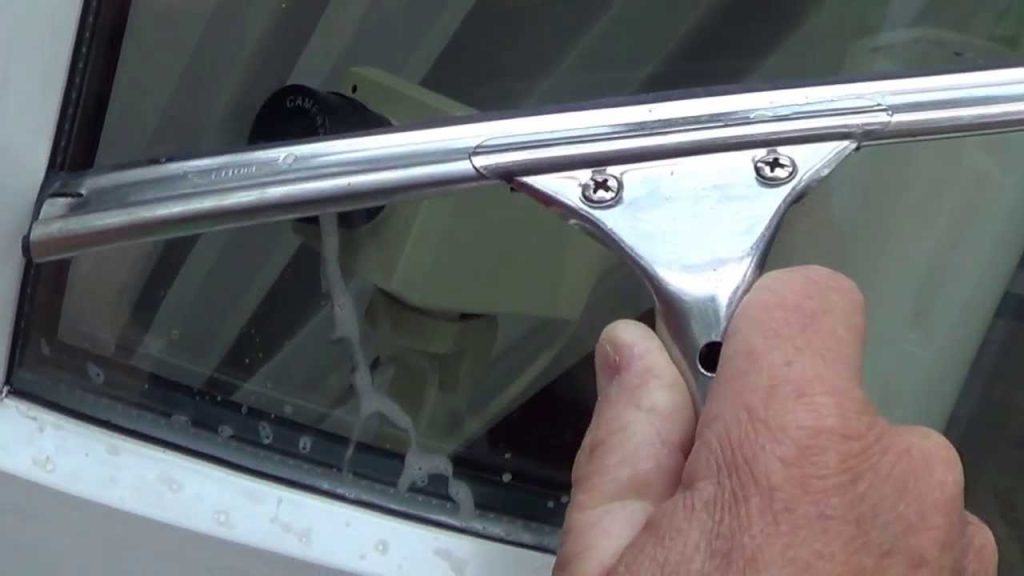
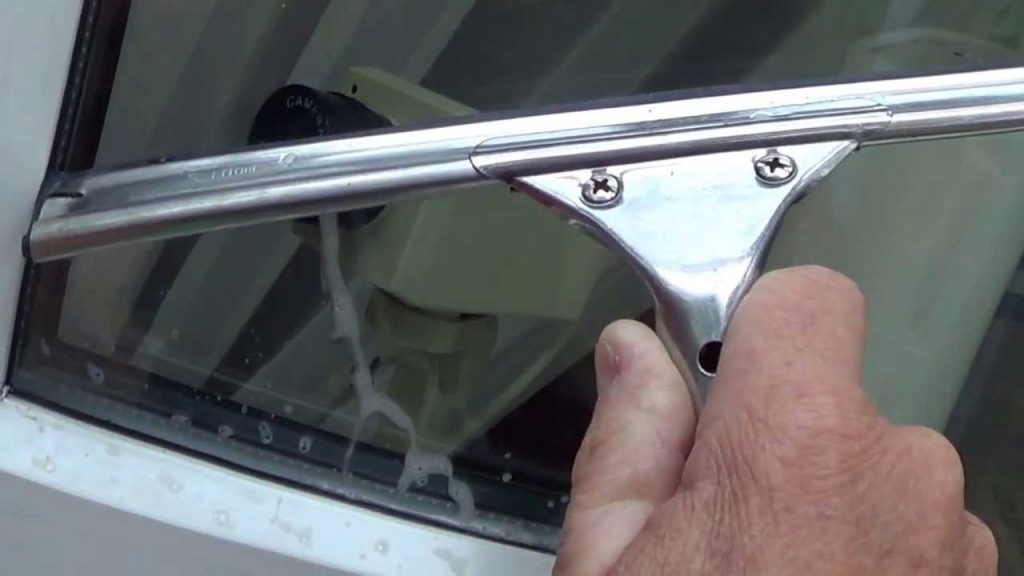
Pro tip: Wash windows on a cloudy day. If cleaning solution dries too fast it leaves streaks that undo your work. For glass, plain water and a microfiber cloth often beat abrasive detergents.
Make your own DIY wood polish: mix half a teaspoon of olive oil with half a cup of vinegar or lemon juice in a spray bottle, shake well, and spray onto a microfiber cloth. Always test an inconspicuous area first.
Living room
The living room is the heart of the home, and you want it fresh and clean — but cleaning the space where the family spends most of its day can be tricky. This checklist will have it immaculate in no time.
Checklist
- Dust light fittings and fixtures, including ceiling fans
- Wipe down mirrors, picture frames, baseboards, and door frames
- Wash walls, windows, and sliding glass doors
- Clean sliding glass door tracks
- Vacuum curtains and/or wipe down blinds
- Wipe down furniture and shelves
- Move furniture where possible to clean underneath, or use a long-handled vacuum attachment
- Vacuum chairs and sofas
- Wash cushions and soft furnishings or refresh in the dryer
- Deep clean carpet or vacuum thoroughly
The biggest job is usually the furniture. Cloth chairs and sofas can be steam-cleaned or vacuumed to remove dust and dirt; always use the appropriate cleaner on materials like leather or suede to keep them in good condition.
Don’t neglect knickknacks, ornaments, and the TV remote. Dust books and shelves, polish glass and metal ornaments, and give the remote a thorough clean with an antibacterial wipe — you might be surprised what comes off it.
Pro tip: Small changes make a big difference. Swap candles or air fresheners for light, summery scents to instantly shift the mood — scent plays a big part in how a space feels.
Most curtains and drapes can be vacuumed if taking them down to launder is too much; alternatively, tumble them on low with a dryer sheet to freshen and de-dust. Dryer sheets also work for wiping blind slats — they trap dust and make the job easier.
Kitchen
Spring cleaning the kitchen doesn’t have to be a nightmare. As the room where you prepare your family’s food, a clean, tidy kitchen brings real health benefits — and the joy of a fresh space to cook in.
Checklist
- Dust light fittings and fixtures
- Wipe down cupboard tops, baseboards, and door frames
- Install new shelf paper inside cupboards
- Wash walls and windows
- Vacuum curtains and/or wipe down blinds
- Clean grout and seals
- Clean plugholes, pipes, and garbage disposals
- Wipe down inside cupboards and shelves
- Discard expired food, spices, and sauces
- Wash or replace hand towels, washcloths, and sponges
- Move furniture where possible to clean underneath, or use a long-handled vacuum attachment
- Clean the cooling coils on your refrigerator
- Sanitize your dishwasher
- Clean inside large appliances including the oven and microwave
- Clean inside small appliances like toasters
- Descale kettles and coffee makers
- Clean and disinfect the floor
- Check smoke and carbon monoxide detector batteries
Many people are nervous about deep cleaning kitchen appliances, but doing so can improve their performance and extend their life.
Clean a garbage disposal by grinding a halved lemon with hot water running. Vinegar and baking soda also work, but use them sparingly, as they can degrade the disposal’s rubber components over time.
Remove calcium deposits from coffee machines and kettles by running a 50/50 mix of water and white vinegar through a heating cycle and leaving it at least an hour. To clean the microwave, heat half a lemon in a cup of water for three minutes to loosen dried-on food.
Pro tip: The oven’s self-cleaning feature can fill your house with smoke and odor if it’s been a while. Instead, make a thick, spreadable paste of baking soda and water and coat the inside surfaces (avoiding the heating element), leave it overnight, then wipe clean with a damp cloth — use white vinegar in a spray bottle to lift the last of the baking soda. For the full method, see our guide to cleaning your oven.
Pull appliances out to clean behind them where you can, and vacuum the fridge’s coils to keep it running efficiently.
Garage and exterior
Now the house is shining, don’t neglect the outside. This checklist gets every part of your property clean and tidy.
Checklist
- Dust light fittings and fixtures
- Wipe down storage shelves and door frames
- Lubricate garage door tracks and hinges
- Properly dispose of old and expired paints, fuels, and chemicals
- Oil and refuel lawnmowers and other gardening equipment
- Clean oil stains and mop or sweep the floor
- Remove leaves and dirt from gutters
- Trim shrubs and bushes
- Power wash the house exterior, decking, and paving
Garages are often where junk collects. If you have workbenches or storage shelves, use your spring clean to declutter, store tools and possessions in labeled boxes, and donate or discard anything you no longer use.
Old paint, oil, fuel, and cleaning chemicals must be disposed of correctly — never pour chemicals down the drain or onto your garden. Latex paint can be left to dry before disposal, or mixed with cat litter to solidify it, and some organizations recycle paint, so check your local area. Motor oil is required to be recycled in many places; auto parts stores and service stations often accept it. Your local waste authority will usually take old garden chemicals at a household hazardous waste facility.
Pro tip: The best way to dispose of old gasoline is to use it. As long as it’s been stored in an airtight container, you can mix old gasoline with new in your lawnmower without problems. If it’s been exposed to air for a long time, take it to your local hazardous waste center instead.
With this complete guide, you can spring clean your home efficiently and effectively without spending a fortune on supplies. Still daunted? Our cleaning Pros have spring cleaning down to a fine art — give us a call or book online to arrange a visit from a crew of dedicated experts.