To get rid of pink mold, scrub it away with a solution of 1.5 cups of bleach per gallon of water (or a 50/50 white vinegar and water mix on surfaces where you’d rather avoid bleach), let it sit for an hour, then rinse and dry. Wear gloves and a mask while cleaning, since pink mold is actually a bacteria — Serratia marcescens — that can cause infections. Keep it from returning by drying wet areas, improving ventilation, and wiping surfaces with vinegar every month or two.
Many kinds of mold and bacteria can appear in your home or workplace. Most are harmless, but some can make people very sick — and none are pleasant to be around. Over the long term, most molds can cause respiratory stress and worsen allergies, so it’s important to get rid of them when they appear.
Our cleaning Pros have seen it all, and they have top tips for tackling different kinds of mold. Here, they share their secrets for identifying and removing pink mold — what it is, what causes it, and how to get rid of it.
What is pink mold?
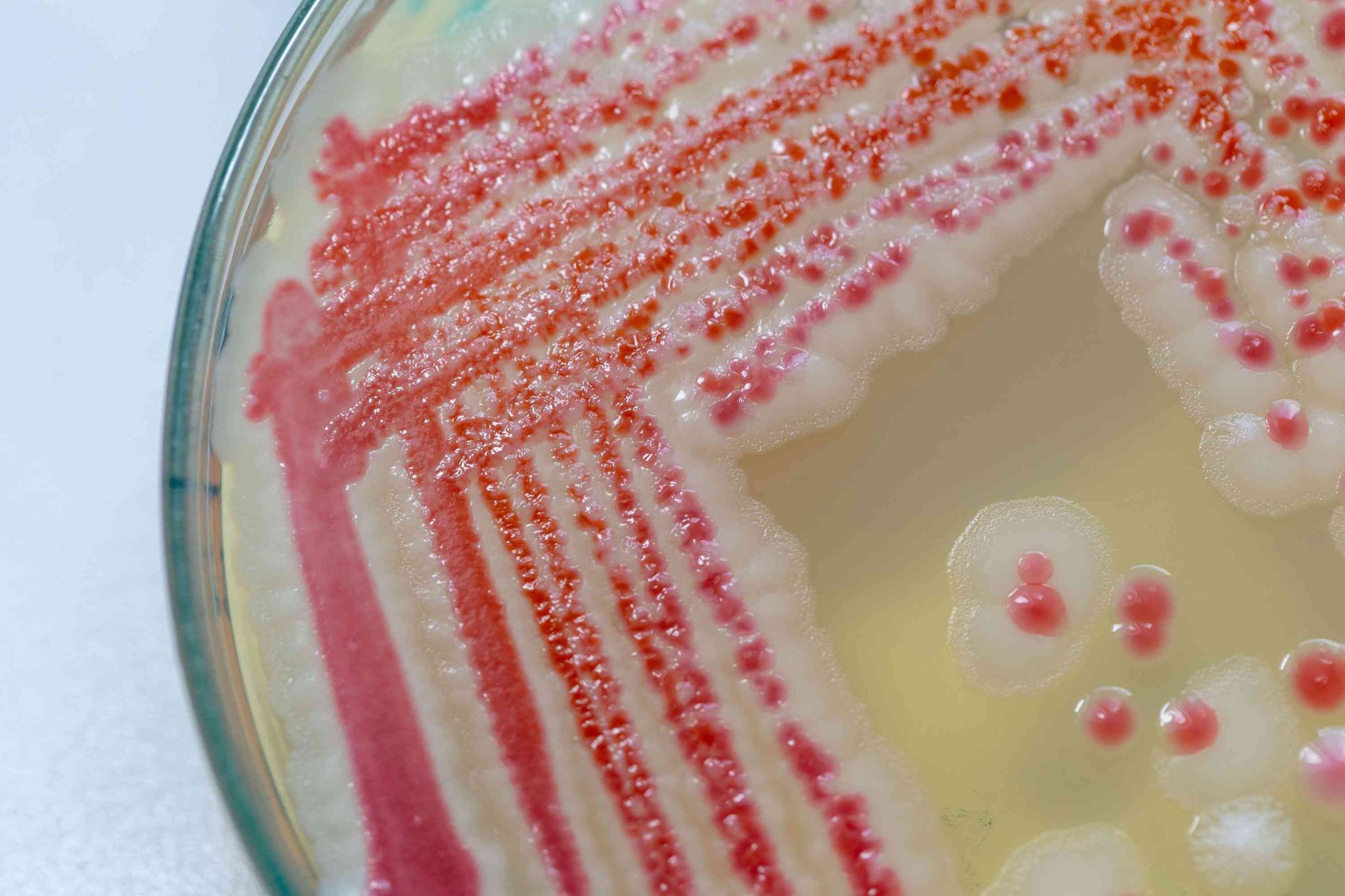
Pink mold isn’t actually a mold at all — it’s a very common airborne bacteria found all over the world that loves dark, damp indoor spots. In most houses it appears as a slimy buildup, and it might not even be pink: the color comes from the temperature of the room and can range from orange to bright red. A few key facts:
The bacteria behind pink mold is called Serratia marcescens. It was first identified in Italy in 1819.
Pink mold is responsible for approximately 1.4% of hospital-acquired infections in the United States, including UTIs and pneumonia.
S. marcescens is antibiotic-resistant in many cases, so see a doctor if you suspect you’ve been infected.
If you have pink mold in your home, it’s important to remove it to avoid infection and other health hazards.
Is pink mold dangerous?
In humans, pink mold is more of a nuisance than a danger, though it can cause some nasty infections — many of them in people who are already immunocompromised, which is why it accounts for so many hospital-acquired infections. The most common infection sites are the urinary tract, respiratory tract, eyes, and open wounds, leading to UTIs, pneumonia, conjunctivitis, and tear duct infections.
For most people, pink mold is relatively harmless, but it’s still important to remove it as soon as you spot an outbreak. Even healthy people with strong immune systems can develop pink mold allergy symptoms, including:
Sneezing
Runny nose
Congestion
Itching or rash
Dry, scaly skin
Eye irritation
Coughing
Worsening asthma
Long-term exposure to any mold or bacteria is bad for your health and raises your risk of more serious effects.
How do you kill pink mold?
Spotted pink mold in your bathroom? Don’t panic — you can kill it with simple household products. The best is bleach, which kills the bacteria and tackles the stains it leaves behind.
Step 1: Identify the extent of the infestation.
Step 2: Put on protective gear — rubber gloves, a mask, and glasses.
Step 3: Make a solution of 1.5 cups bleach to 1 gallon of water.
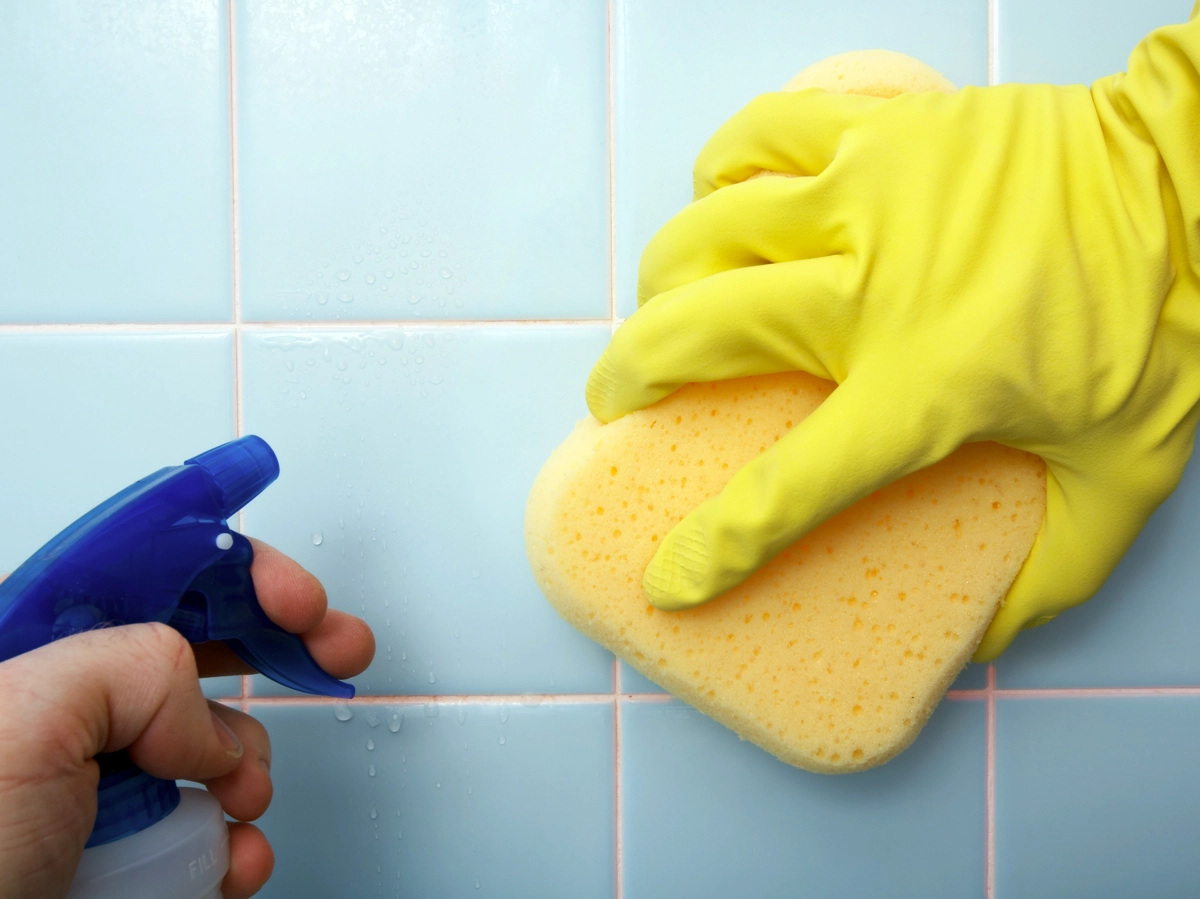
Step 4: Apply it liberally to the mold with a sponge or spray bottle.
Step 5: Let it sit for 1 hour.
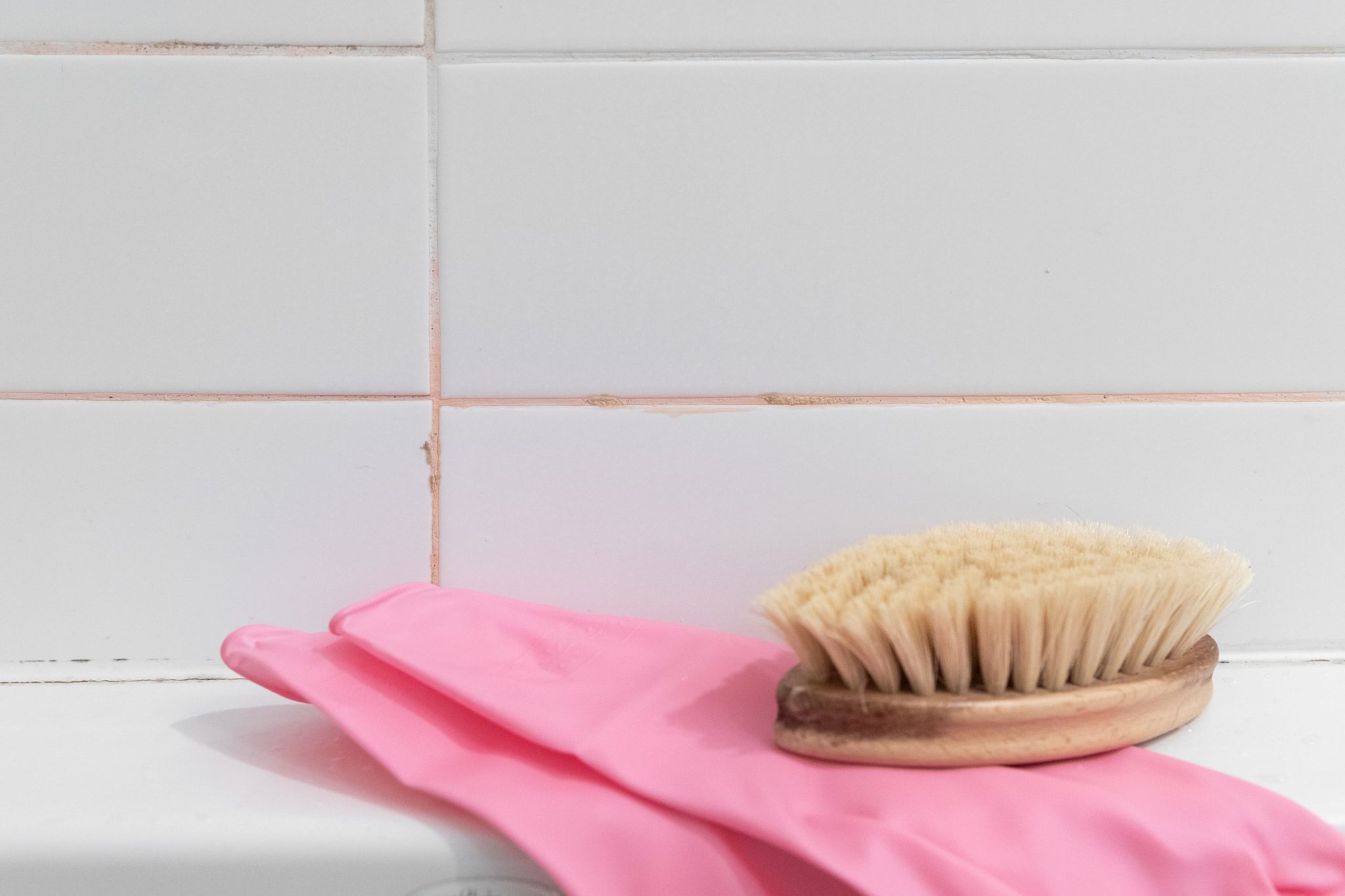
Step 6: Scrub the mold away with a brush.
Step 7: Wash the surface with clean water and dry with a microfiber cloth.
This works on most common surfaces — baths, faucets, and bathroom tiles. For pink mold on a shower curtain, follow our Pro tips on how to clean a shower curtain.
To prevent pink mold from returning, stay on top of your cleaning routine. Remove soap scum and residue regularly, and consider spraying the area with white vinegar every month or two — vinegar is effective at preventing pink mold and should shield your home from a repeat outbreak.
Pink mold is so common in showers it’s often called “pink shower mold” — the most likely place to find an outbreak. To remove it, follow the bleach steps above.
If you don’t have bleach or don’t want to use it in your shower, white vinegar works too.
Step 1: Make a 50/50 solution of warm water and white vinegar.
Step 2: Apply it to the pink mold with a sponge.
Step 3: Let it sit for half an hour.
Step 4: Scrub the mold away with a brush.
Step 5: Flush the area with clean water.
Step 6: Spray the shower with a light coat of white vinegar and let it dry.
Prevention beats cure, so here are some Pro tips for preventing pink mold in your shower:
Dry the shower after use with a squeegee and avoid standing water.
Wash shower curtains regularly (every 4-6 weeks).
Run the bathroom ventilator after a shower until the excess humidity is gone.
Leave the bathroom door open when the room isn’t in use to circulate air.
Repair any leaks or drips as soon as you notice them.
Consider shower curtain liners treated with an antimicrobial additive.
How do you treat pink mold in a toilet?
Your bath and shower aren’t the only places pink mold appears — but it’s easy to treat in a toilet.
Step 1: Add 1/4 cup of bleach to the toilet bowl and leave for 30 minutes.
Step 2: Add another 1/4 cup of bleach to the cistern tank and leave for 30 minutes.
Step 3: Scrub any visible pink mold away with a brush.
Step 4: Flush several times to remove the last traces of bacteria.
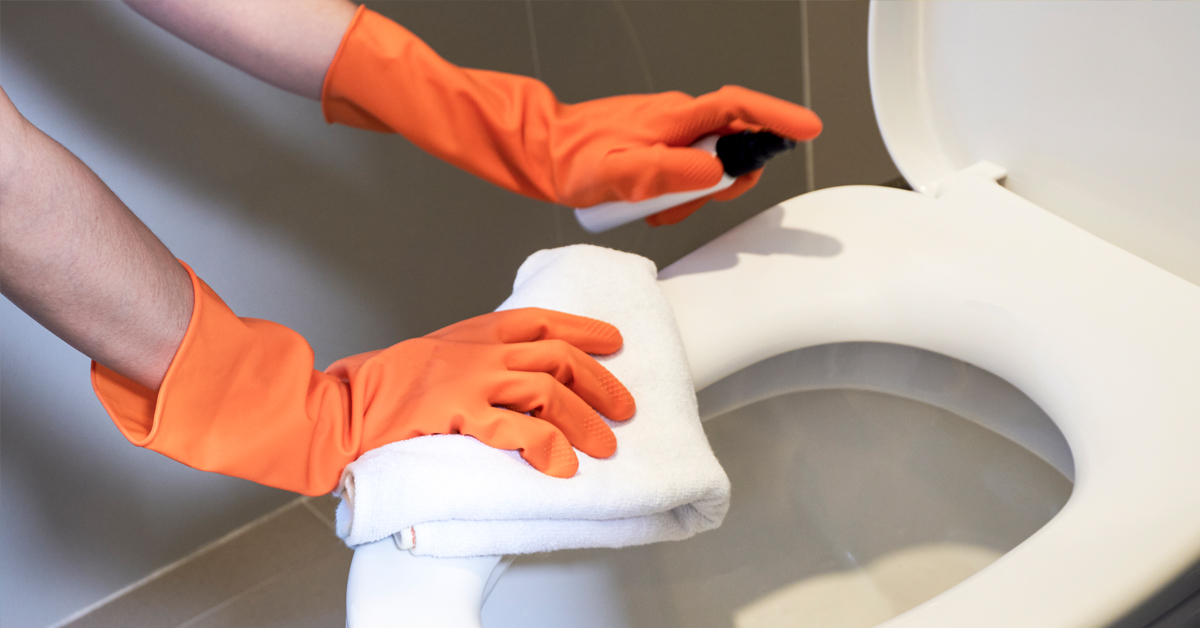
Step 5: Wipe down the seat and handle with a bleach-based disinfectant wipe.
Pro Tip: Bleach isn’t an effective cleaner for most molds, but it works on pink mold — because pink mold is actually a bacteria, not a true mold.
How do you treat pink mold in a humidifier?
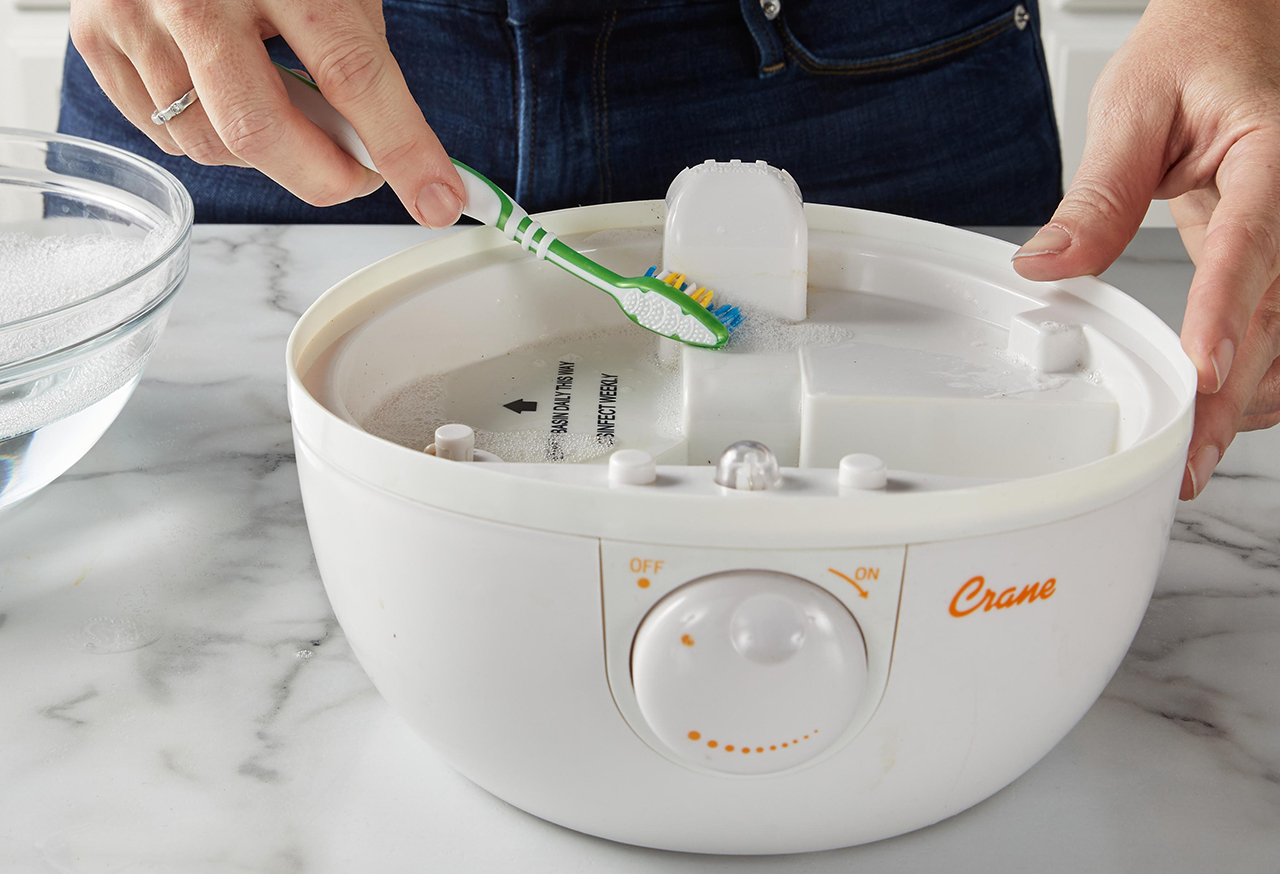
Another place pink mold shows up is inside a humidifier, which offers the damp, dark atmosphere it loves. Our Pros don’t recommend bleach in humidifiers — anything in there can end up aerosolized and breathed in by anyone nearby, and bleach leaves an unpleasant chemical odor. Instead, follow these steps.
Step 1: Unplug the humidifier.
Step 2: Remove the tank, fill it with a 50/50 mix of water and white vinegar, and let it sit for 30 minutes.
Step 3: Disassemble any other removable parts and soak them in the same solution.
Step 4: Scrub the interior with a brush dipped in the vinegar solution.
Step 5: Clean the inside with plain water and rinse the removable parts.
Don’t like the smell of vinegar? Use 3% hydrogen peroxide instead — a 50/50 mix of peroxide and water. Don’t mix hydrogen peroxide with vinegar, though, as this creates peracetic acid, an irritant that can harm your skin, eyes, and lungs.
How do you treat pink mold in a dishwasher?
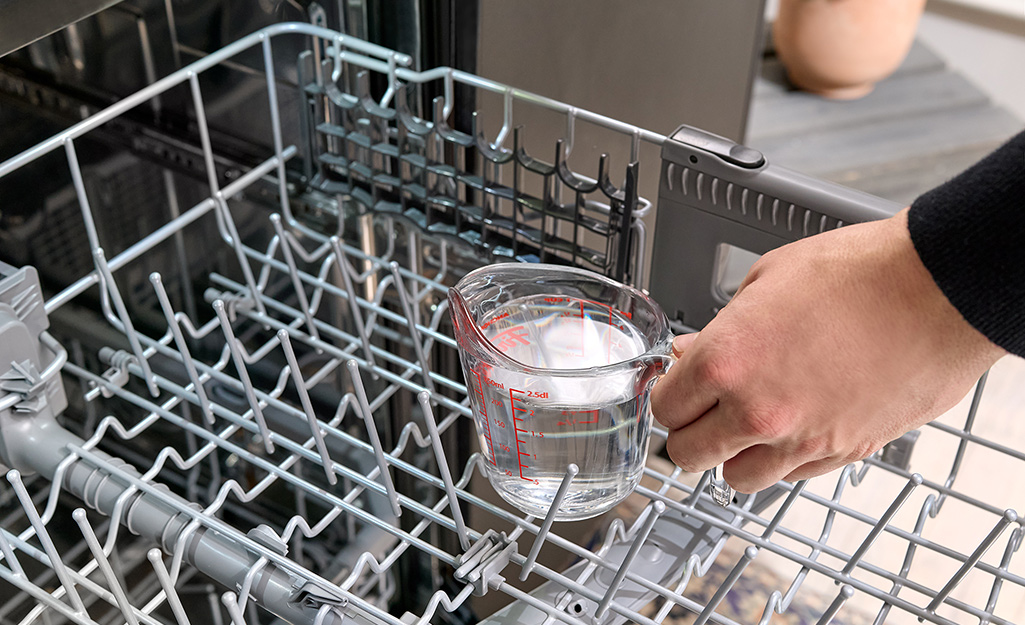
If you find pink mold in the dishwasher, chances are it hasn’t been run in a while. First, check the filter and remove any food debris the mold could be feeding on. Then fill a dishwasher-safe mug with a cup of white vinegar, place it upright on the top rack, and run a normal hot-water cycle — let the vinegar do the cleaning for you.
Although pink mold prefers wet environments like bathrooms, you might find it on foods like bread and dairy. If you do, throw the food away — it isn’t safe to eat, even if you cut off the moldy section.
Sometimes mold gets onto food during manufacturing or shipping, and it’s just bad luck. But if you regularly find pink mold on food, look for the underlying cause — a leak where you store food, or a fridge that isn’t staying cold enough. Finding and fixing the cause should solve the problem.
When should you call in the Pros?
Most pink mold outbreaks can be safely treated without expert help, but sometimes you need to call the Pros. Get expert help if:
You have medical conditions that put you at risk of severe health effects from mold.
The area of mold is bigger than 5 square feet.
There is mold in your HVAC system.
You can smell mold but can’t find it.
The mold is black.
FAQ
Is there any way to prevent pink mold from forming?
Yes. One of the best ways is to keep wet areas dry — wipe down your bathtub, shower, tile, countertops, and sinks, and run a bathroom fan to keep humidity down.
Should I wear protective gear while cleaning pink mold?
It’s a good idea whenever you’re in close contact with bacteria. At minimum, wear gloves to keep pink mold out from under your fingernails and a mask to avoid inhaling it. Anyone with a compromised immune system or who’s recently had surgery should avoid contact with pink mold entirely.
What allows pink mold to grow?
Pink mold thrives in humidity, and it also needs organic matter to feed on — things like the proteins in shampoo and conditioner, dead skin cells, and body oil left behind after a bath or shower.