
How To Remove Water Stains from Wood
To remove a water stain from wood, identify whether it is a white cloudy mark in the finish or a dark stain that reached the wood. White marks often lift with gentle heat (dry cloth + warm iron, no steam) or an oil-based overnight remedy. Dark stains need a wood-safe remover or, if needed, refinishing — not sandpaper as your first move. Always test on a hidden spot, work with the grain, and stop if the finish softens or dulls.
Safety first
- Test the finish first. A hidden underside or inside edge tells you whether heat, oil, vinegar, or toothpaste will haze the sheen.
- Do not start with sandpaper. Sanding removes finish and wood. Use it only after gentler methods fail and you are prepared to refinish the whole area evenly.
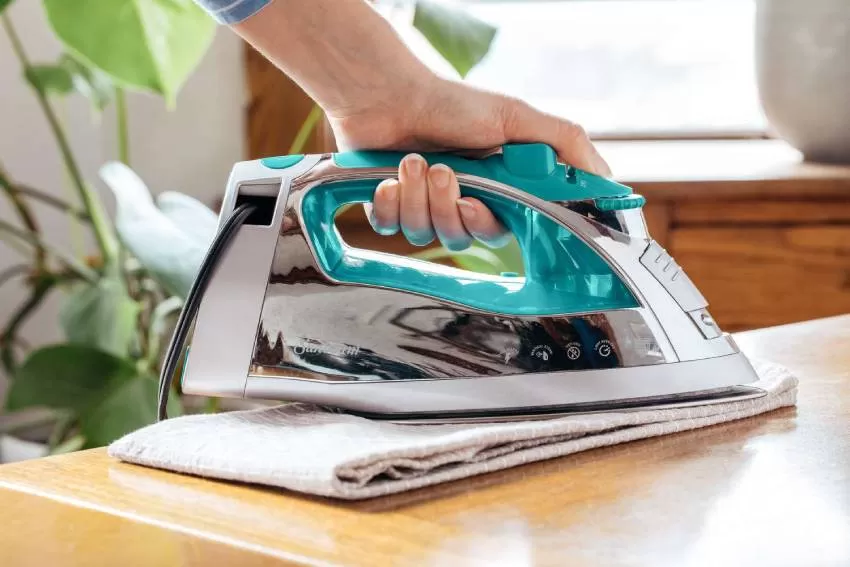
- No steam. Steam adds moisture to a moisture problem. Iron method means dry cloth, dry iron, lowest heat, short passes.
- Go easy on vinegar. A light olive-oil-and-vinegar rub can help some white marks; puddling vinegar on bare or worn finish can dull it. Wipe dry.
- Oxalic acid and commercial removers: follow the label, ventilate, and keep kids and pets away. These are for dark, deep stains — not everyday white rings.
White marks vs dark stains
- White or cloudy: moisture trapped in the finish film. Usually treatable on the surface.
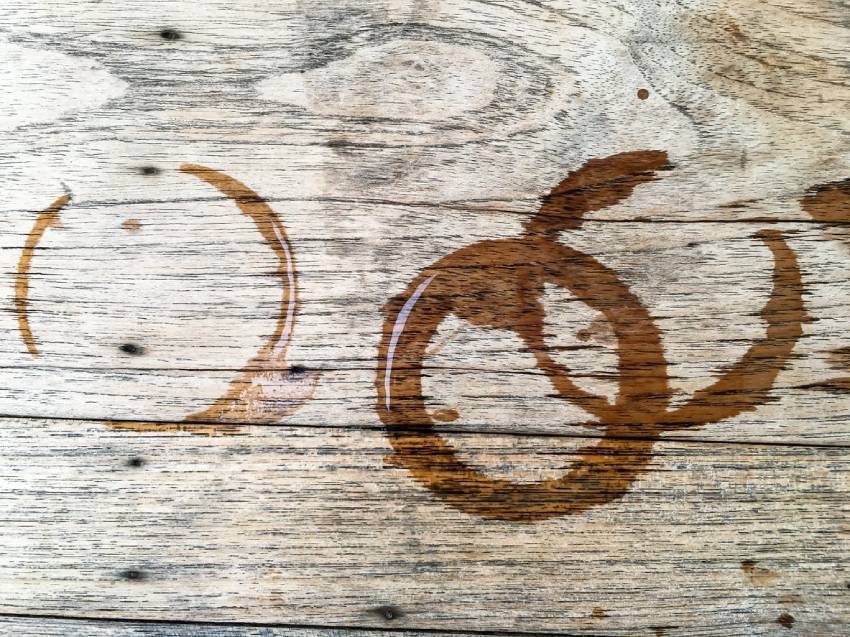
- Dark: water reached the wood under the finish. Surface tricks rarely fix it. Remover or refinish.
Cold glasses and hot pans without coasters or trivets cause most rings. Fresh marks are easier than marks left for months.
How to lift white water marks
Iron method (fresh white rings): Set the iron low, steam off. Lay a clean dry cotton cloth over the mark. Pass the iron briefly, keep it moving, check often. Stop when the cloudiness fades.
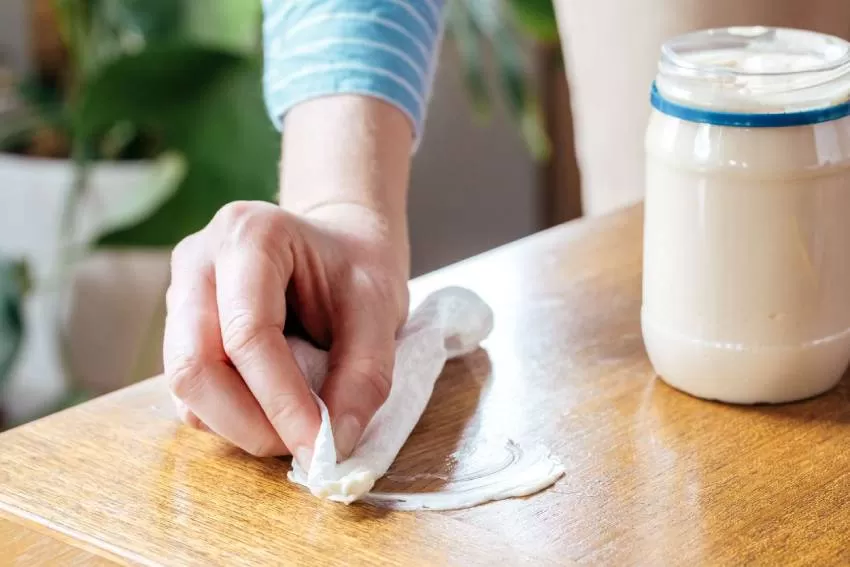
Petroleum jelly or mayonnaise: Thin layer over the mark, overnight, wipe clean. Oil displaces trapped moisture in many finishes. Best on light, fresh marks.
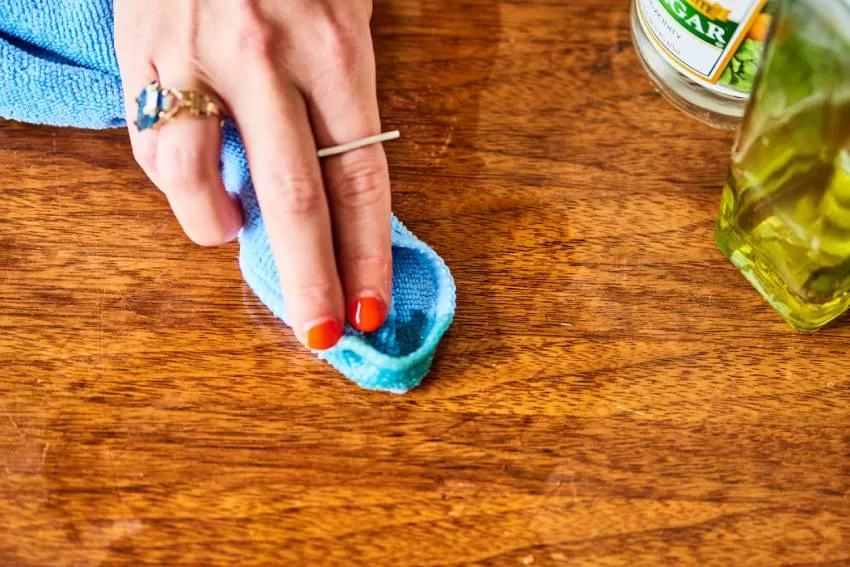
Olive oil and white vinegar (equal parts): Light rub with the grain on a soft cloth, then buff dry. Test first. This is a polish-style fix, not a stripper.
Toothpaste (careful): Plain white non-gel, non-whitening paste only. Whitening formulas are abrasive. Dab on a soft cloth, rub very gently with the grain, wipe, buff. Skip on high-gloss or delicate finishes if the test spot dulls.
Dark, deep water stains
When the mark is dark, the finish barrier failed. Options, in order:
- Confirm it is not dirt — clean gently with a wood-safe cleaner and dry.
- Try a commercial wood water-stain remover labeled for your finish type, following the product directions on a test spot.
- Oxalic-acid wood bleach products are traditional for some dark iron/water stains on bare or stripped wood — not a casual wipe on a sealed dining table.
- If the stain remains, sanding and refinishing (or a furniture pro) is the honest fix. Spot-sanding one ring often leaves a dull patch unless you blend and reseal the area.

Laminate and engineered wood
Many have a wear layer that resists light rings. Use the gentlest white-mark methods and avoid soaking edges where water can swell the core. Do not sand through a thin laminate print layer expecting solid wood underneath.
Prevent the next ring
Coasters, trivets, and wiping spills right away beat restoration. Keep plant pots and iced glasses off unfinished or worn spots.
Water marks on furniture are a finish problem. Sticky, dusty wood furniture across a whole home is a cleaning problem — Pro Housekeepers’ regular house cleaning dusts and wipes finished wood as part of a recurring visit so rings and film do not stack up.
FAQ
Are water stains on wood permanent?
Most light white marks are not. Dark stains that reached the wood sometimes need refinishing.
Should I sand first?
No. Try surface methods and test the finish. Sand only when you are ready to refinish evenly.
Do laminate pieces need different care?
Use gentle white-mark methods and avoid soaking edges. Do not sand through a printed laminate layer.
When do I call a pro?
For dark stains on valuable pieces, failed DIY tests, or when the whole top needs even refinishing.