
How To Clean Grout With a Steam Cleaner
The best way to steam-clean grout is slow and methodical: clear the loose dirt, fill the steamer with distilled water, fit a soft nylon brush, and work a short section at a time while you wipe up the dirty water. Steam loosens what lives in porous cement grout without bleaching the color — but it is hot enough to burn skin, and it can crack weak grout or harm some stone. Spot-test first. Reseal cement grout after it dries.
Safety first
- Steam burns. The vapor and the metal nozzle stay well above boiling. Keep bare skin, kids, and pets away. Never point the nozzle at anyone, and let attachments cool before you swap them.
- Electricity and water. In a bathroom, plug into a GFCI outlet. Do not rest the steamer in standing water. Keep the cord off the wet floor.
- Water only in the tank — distilled if the manual asks for it. Do not pour vinegar, bleach, or soap into a machine that is not rated for it. Minerals in tap water clog heating elements; chemicals can void the warranty and put fumes in the steam.
- Spot-test a hidden grout line for a few seconds. If grout powders, tiles loosen, or stone etches or darkens unevenly, stop.
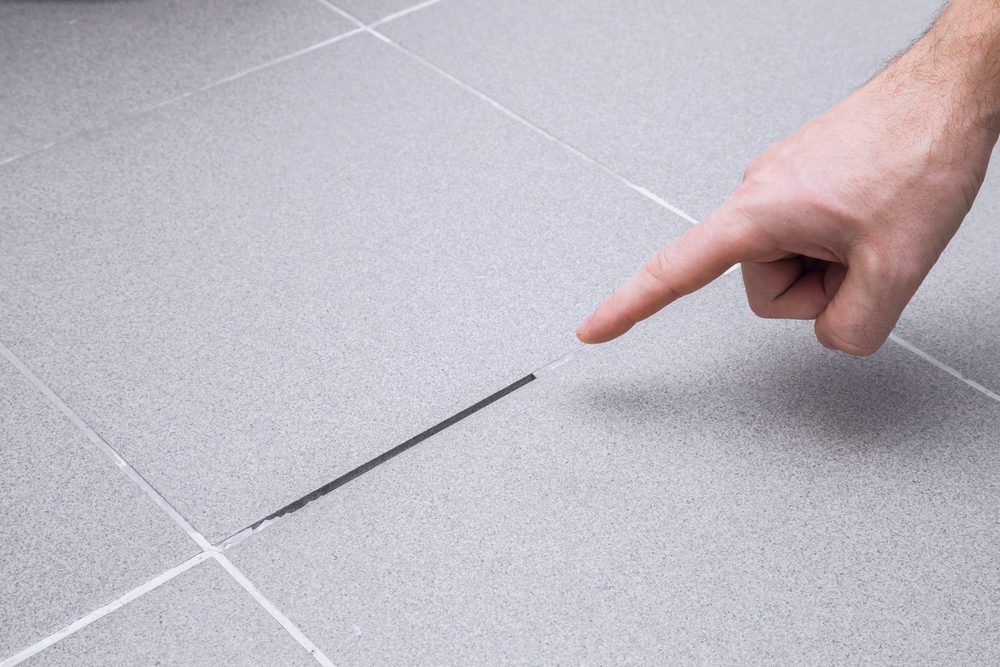
- Do not steam unsealed or crumbling grout, natural stone that the maker forbids (many marbles, limestones, and some travertines dislike thermal shock and moisture), painted grout, acrylic shower pans, or vinyl/laminate “tile.” Skip steam on cracked grout you plan to keep — heat and moisture can open the crack.
What steam actually does
Cement grout is porous. Dirt, soap scum, and body oils sit in the pores where a mop never reaches. Hot steam plus a nylon brush loosens that film so you can wipe it away. Steam is not magic bleach: rust, hard-water mineral stains, and dye often need a different cleaner. And a home steamer is not an EPA-registered disinfectant just because it is hot. You get a deep clean, not a hospital kill-claim.
Epoxy grout is denser and usually does not need sealing. Steam can still lift surface film, but you will not “restore” epoxy the way you restore neglected cement grout.
What you’ll need
- Steam cleaner with a hose and a soft nylon brush (not steel, which scratches glaze)
- Distilled water
- Vacuum or broom, plus a mop or wet/dry vac
- Microfiber cloths or a sponge
- A pH-appropriate tile cleaner for the pre-clean (no vinegar on natural stone)
- Cement grout sealer, for after the grout is fully dry
Smaller units are easier on shower walls; larger tanks cover a floor with fewer refills. You need a detail brush, not a floor-only steam mop, if you want to hit grout lines.
How to steam clean grout on tile floors
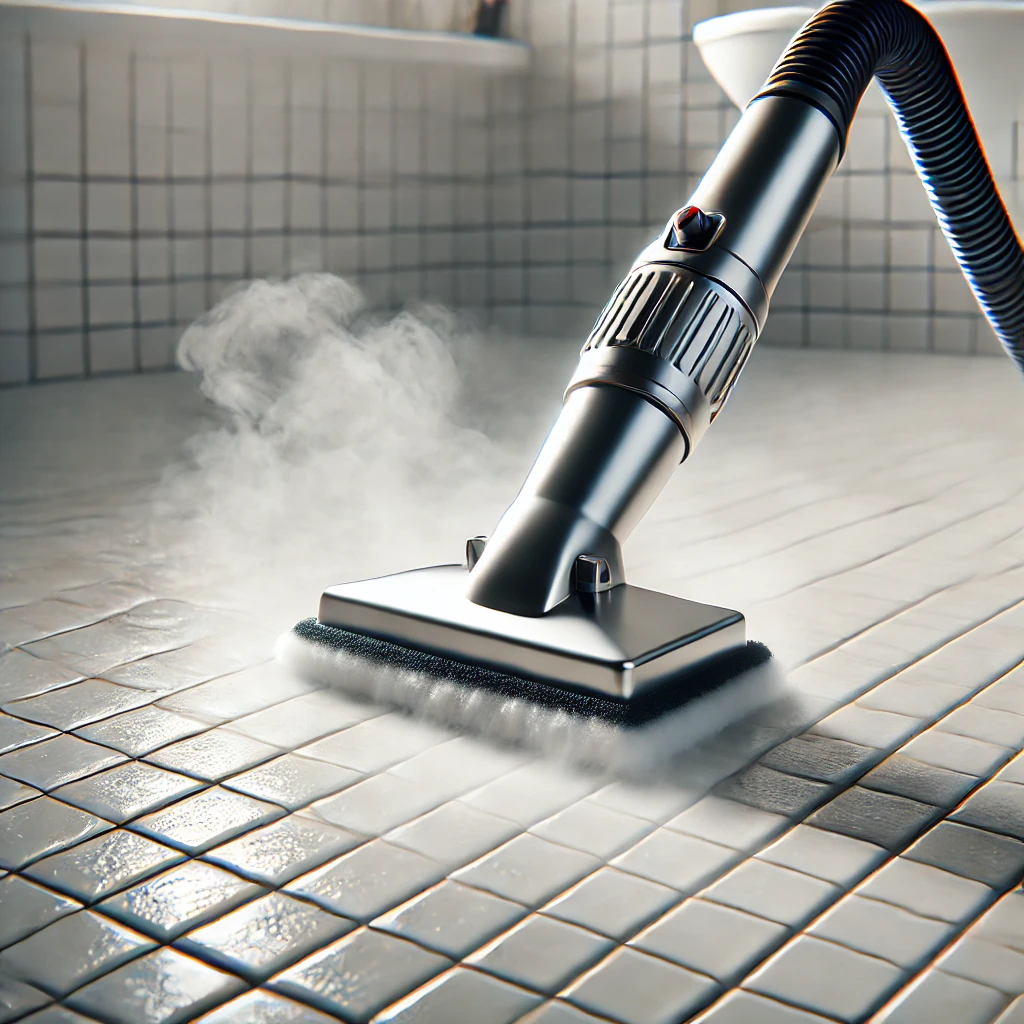
- Sweep or vacuum. Grit under a brush scratches tile.
- Mop with a little mild cleaner and rinse. Steam should meet grout, not a layer of crumbs and hair.
- Fill the steamer with distilled water and let it reach full pressure. Fit the nylon grout brush.
- Start in a back corner and work toward the exit so you are not walking on hot, wet tile.
- Hold the brush on a grout line for a few seconds, then scrub along the line — not in circles that grind dirt into neighboring tile. Dark grout may need two or three passes.
- Wipe or wet-vac the gray water as you go. If it dries on the grout, the soil redeposits and you have done the job twice.
- If nylon is not cutting a stain, switch to a slightly stiffer nylon or polymer brush. Stay off metal bristles on glazed ceramic and porcelain.
- When the floor is done, let it dry. Recoat cement grout with sealer only after it is dry all the way through — often 24 hours, longer in a humid bathroom.
Kitchen backsplash
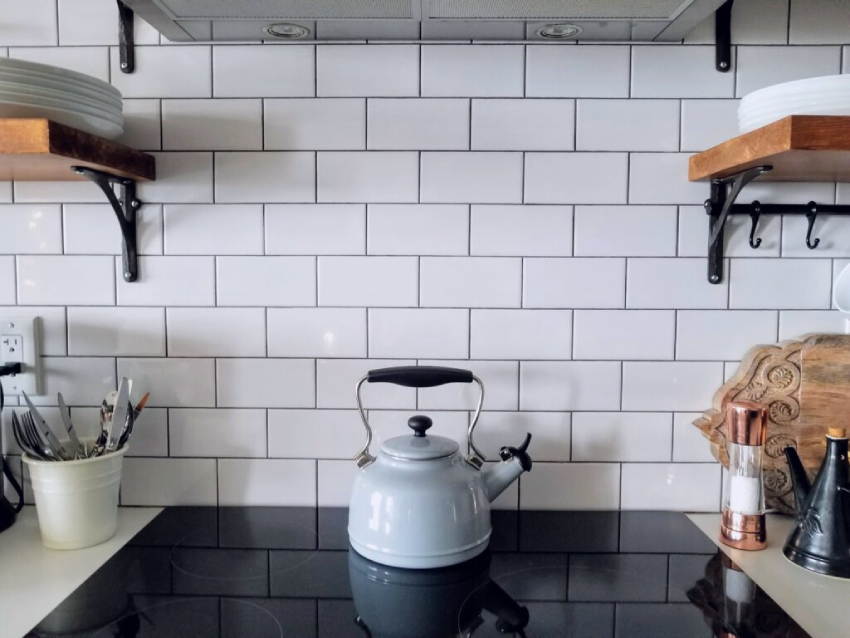
- Degrease first with a kitchen-safe cleaner and a sponge. Steam alone struggles with polymerized cooking oil.
- Fill and heat the steamer. Use a small nylon brush.
- Start at the top so dirty water runs onto grout you have not cleaned yet.
- Steam, scrub, wipe. Repeat on heavy spots rather than camping the nozzle in one place (that is how grout pits).
- Wipe the tiles so you are not left with mineral dots. Reseal cement grout if it was unsealed or the water no longer beads.
Shower
- Wash the tile with your usual shower cleaner and rinse. Run the fan.
- Start at the top of the wall. Keep steam off silicone caulk as much as you can — repeated high heat can shorten its life. Recaulk later if the beads look cooked or moldy underneath.
- Work grout lines with the brush, then rinse with the shower to flush soil down the drain.
- Finish the floor last. Watch your footing; steamed showers are slick.
- Squeegee and dry. Reseal cement grout when fully dry. If grout is black, soft, or missing, steam will not rebuild it — grind out and regrout, or recaulk corners.
Should you reseal grout afterward?
Sealed cement grout stays cleaner because soil sits on the sealer instead of soaking in. If water still beads and the grout was recently sealed, you may not need a new coat. If the grout was never sealed, or a drop of water darkens it instantly, reseal after a full dry. Skip sealer on most epoxy grout unless the manufacturer says otherwise.
When steam is not enough
A home steamer will not always lift years of neglected, unsealed grout. In that case a professional truck-mount or a grout restoration (clean, color-seal, or recaulk) is the honest next step — not more hours of the same wand. Book a Pro Housekeepers deep clean if the whole bath or kitchen is in the same shape, not just the grout lines.
FAQ
Are steam cleaners good for grout?
Yes, on sound cement grout in ceramic or porcelain tile, with a nylon brush and immediate wipe-up. They beat dry scrubbing and skip bleach.
Can steam damage grout?
It can powder old, unsealed, or already cracked grout. Spot-test. Do not use steam as a way to “save” grout that is crumbling — replace that grout.
Do I have to use distilled water?
Follow the manual. Distilled water prevents mineral scale in the boiler, which is why so many makers require it.
Will steam kill mold in grout?
Heat can knock down surface growth, but mold in porous grout often needs the grout replaced, plus ventilation so it does not come back. Do not mix bleach into the steamer.