The 7 Best Cleaners for Glass Shower Doors


    The best cleaners for glass shower doors fall into two camps: gentle natural options like a vinegar-and-dish-soap spray for everyday use, and stronger commercial products for tackling built-up soap scum and hard-water stains. A squeegee used after each shower prevents most buildup in the first place, and a sealant like Rain-X helps keep doors cleaner longer. Here are seven products and methods that work, from natural sprays to soap-scum scrubbers and protective coatings.

    One safety note before you start: never mix chlorine bleach with vinegar, ammonia, or other cleaners — it produces toxic fumes that are especially dangerous in a small, enclosed bathroom. Pick one cleaning method, ventilate, and rinse thoroughly before introducing a different product.

    Top seven cleaners for glass shower doors

    Each of these options serves a slightly different purpose — some are for tough soap scum, others for everyday maintenance or for protective coatings that slow buildup.

    1) Mr. Clean Magic Eraser

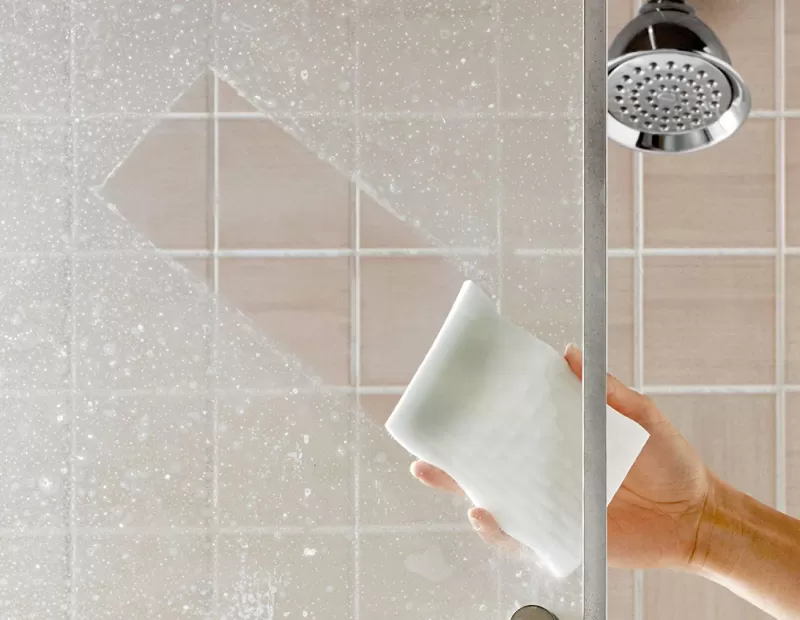
    Mr. Clean’s Magic Eraser line has long been a go-to for tough soap scum. It’s an abrasive scrubber, so it’s not the choice for a gentle, fully natural approach — but it earns its place on this list for the tough jobs.

    What to know:

    • The Magic Eraser is made from melamine foam (which Procter & Gamble markets under the “Durafoam” name) — a porous material that acts like very fine sandpaper when wet, lifting stains and scum mechanically. Standard Magic Erasers don’t contain a built-in detergent: just dampen the pad with water and start scrubbing. (There’s a separate “Magic Eraser with Dawn” variant that does have soap baked in — check the package if you want either.)
    • Because it’s abrasive, test it on a hidden corner of the glass first to make sure it doesn’t dull the surface, and use a light hand on any glass with a protective coating.

    2) Clean-X Repel

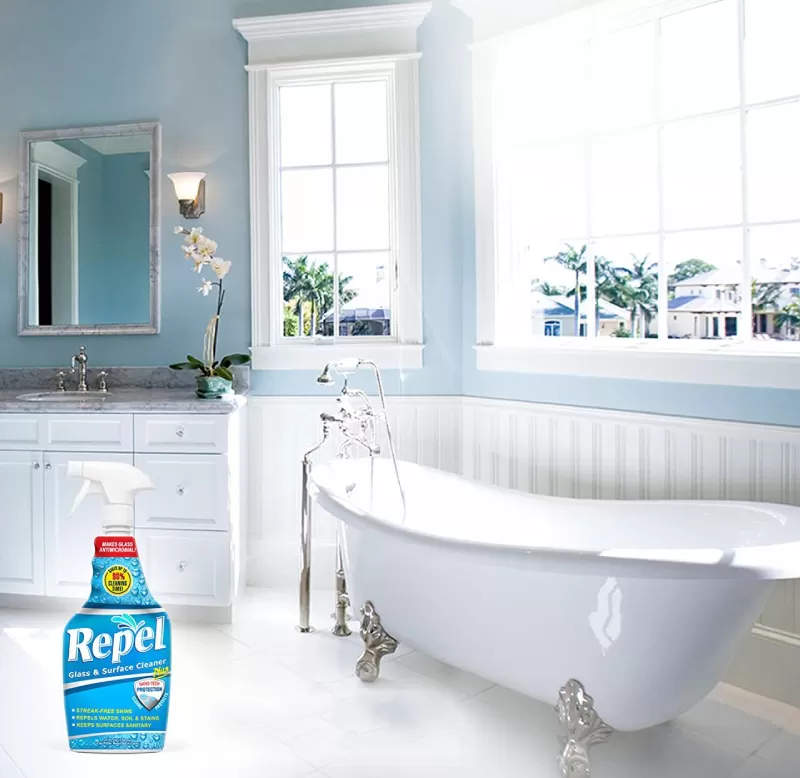
    Clean-X Repel is another favorite for soap scum. The cherry scent gets mixed reviews — some love it, some don’t — and it doesn’t come in other scents, so factor that in.

    • It’s multi-surface and can clean more than just the shower door — useful for the whole bathroom.
    • It dissolves soap scum rather than just unsticking it, so you’ll need a towel or sponge to wipe it away.
    • A common complaint is that it can leave a streaky finish if not wiped thoroughly.
    • It leaves an invisible coating to help prevent future buildup, so the doors stay cleaner between full cleans.

    3) Vinegar and dish soap (homemade)

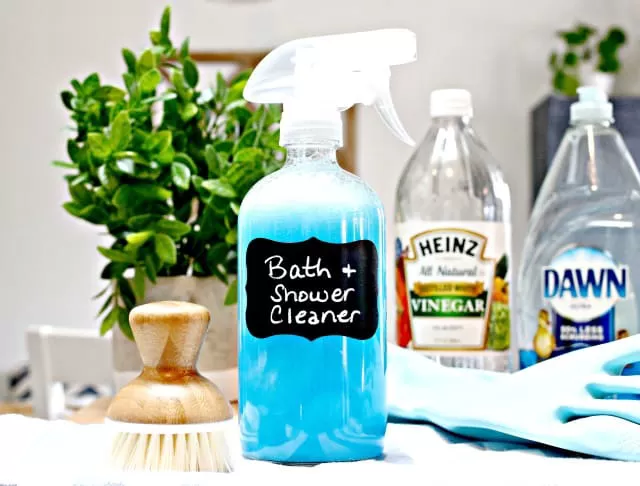
    A simple homemade spray that works well for routine cleaning and is gentler than most commercial products. (Just remember the safety note above — don’t combine this with any bleach-based cleaner.)

    How to make it:

    1. Mix one part white vinegar with three parts warm water and one part dish soap (a gentle, low-additive option like Mrs. Meyer’s works well).
    2. Stir gently — a little foam is fine.
    3. Pour into a spray bottle and spray onto the glass.
    4. Wipe with a soft microfiber cloth or sponge, then rinse.

    This is multi-use — you can use it across the rest of the bathroom and elsewhere in the house. It’s a low-fragrance option without the strong chemical smells of many commercial sprays.

    4) Grove Co. Shower Cleaner

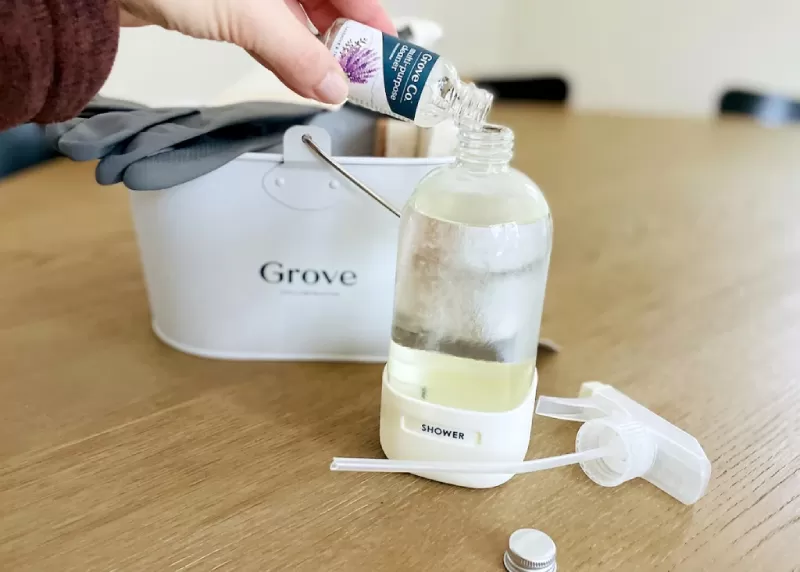
    A natural-leaning option that doesn’t require DIY mixing — good for routine, every-day-or-two cleaning rather than tackling heavy buildup.

    • Spray-and-wipe formula; the manufacturer says no rinse needed.
    • Made largely from plant-based ingredients (the brand cites 89%), with fewer of the additives in conventional cleaners.
    • Plant extracts and essential oils give it pleasant scents.
    • EPA Safer Choice certified.

    Think of it as a maintenance cleaner that prevents buildup, rather than something to tackle severe soap scum.

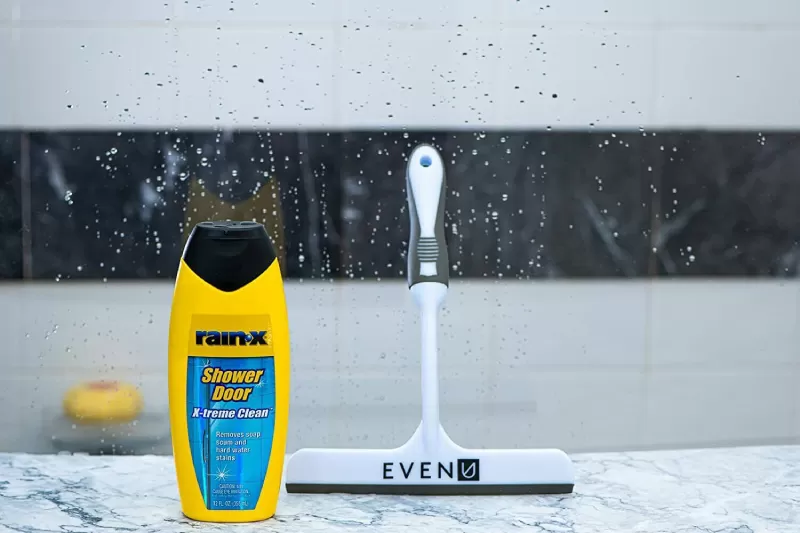
    5) Rain-X Shower Door Water Repellent

    Not a cleaner — a coating you apply after cleaning to repel water and slow new buildup.

    • It’s a sealant, not a cleaning agent. Spraying it on dirty glass and expecting it to clean won’t work.
    • Apply to a clean, dry shower door; it leaves a hydrophobic coating that helps water sheet off rather than leaving spots.
    • It’s water-resistant, so it doesn’t wash off after one shower — you don’t need to reapply daily.
    • It’s formulated for glass; don’t use it on other bathroom surfaces.

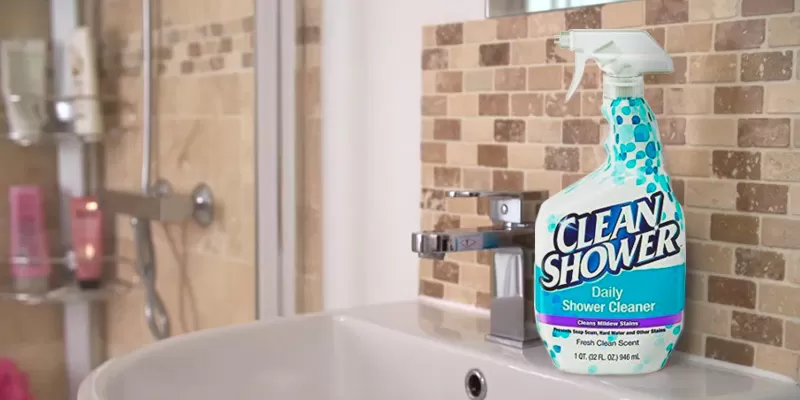
    6) Clean Shower Daily Shower Cleaner

    A gentle daily-use spray, easy to find online, good for keeping a clean shower clean rather than tackling existing buildup.

    • Designed for daily or every-other-day spraying as a maintenance step — not for cutting through established mold, mildew, or heavy scum.
    • Best as a preventive layer after a deep clean.
    • Pricing varies by seller.

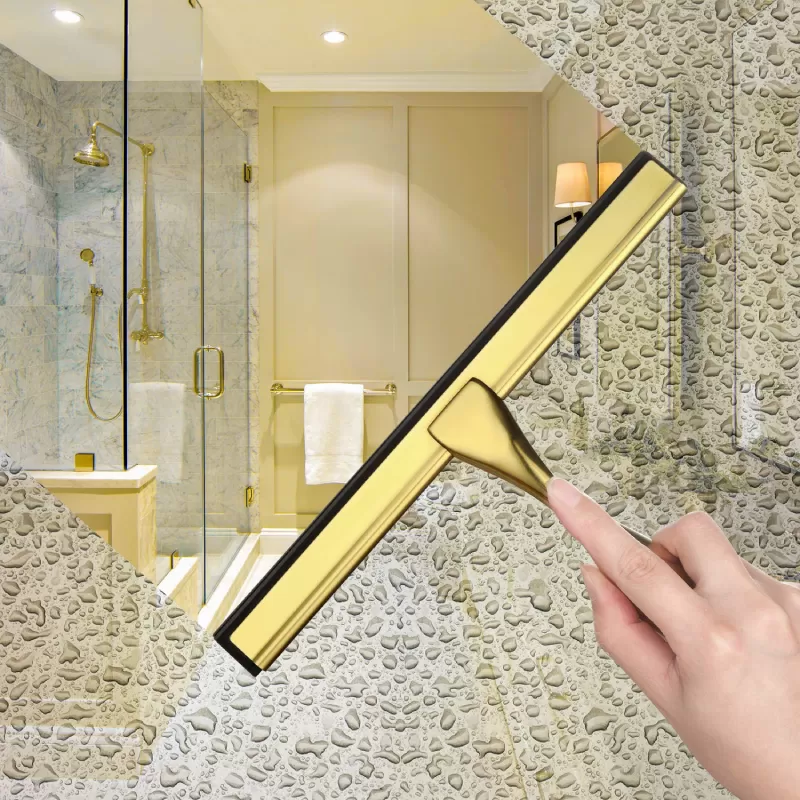
    7) HIWARE squeegee (tool, not cleaner)

    The single most effective thing you can do to keep shower glass clean is to squeegee the doors after every shower — it prevents most water spots and scum from forming in the first place, the same principle pros use when they clean glass windows. A poor-quality squeegee can scratch the glass, which is why a quality tool matters.

    The HIWARE all-purpose squeegee is a solid pick — it’s also usable on car and home windows, so it earns its keep. Rinse and dry it after every use so you’re not transferring grime back onto the glass next time.

    What do hotels use to clean shower doors?

    It varies by property, but many hotels have moved toward gentler cleaning products in recent years, in part because guests prefer less-fragranced rooms. Most use commercial-grade glass cleaners and squeegee the doors after cleaning. Some larger chains have their own in-house lines. For an everyday version of the same approach: clean with a gentle product, then squeegee the doors dry.

    What are hard-water stains, and how do you treat them?

    Hard-water stains are different from soap scum: they’re mineral deposits (mostly calcium and magnesium) left behind when the water evaporates, and they need an acid to dissolve them. The vinegar-and-dish-soap spray above handles light deposits. For heavier stains, a stronger acidic approach:

    1. Spray or pour white vinegar directly on the stains and let it sit at least 30 minutes — longer for stubborn deposits. (Don’t combine vinegar with any bleach-based cleaner. See the safety note at the top.)
    2. For really stuck-on mineral buildup, a paste of baking soda and water can help — the baking soda adds mild abrasion. Apply, gently work it with a damp microfiber cloth, then rinse thoroughly. Note: baking soda and vinegar largely neutralize each other chemically, so you’re benefiting from the abrasion of the paste, not a magical reaction.
    3. Rinse with clean water, then squeegee to a streak-free finish.

    For very stubborn hard-water stains, a dedicated commercial lime/calcium/rust remover (like CLR) is more effective than DIY — follow the label carefully and ventilate.

    Getting the job done

    Cleaning shower glass takes some trial and error to find what fits your situation — stubborn soap scum and hard-water stains often need stronger products, while routine maintenance does fine with gentler options. The single best habit, whatever cleaner you choose: squeegee the doors after every shower. That alone keeps most buildup from ever forming, and turns a once-tough job into a quick wipe-down.