How To Get Rid of Bed Bugs DIY Guide


    Getting rid of bed bugs takes weeks of consistent work — there’s no “overnight” fix, despite what some guides claim. The approach the EPA recommends is Integrated Pest Management (IPM): combining non-chemical methods (heat from a hot dryer, steam at 130°F+, washing in hot water, mattress encasements, interceptor traps under bed legs, decluttering, and a good vacuum) with EPA-registered bed-bug pesticides, used carefully per the label. Repeat treatments every 1-2 weeks for at least 4-6 weeks to catch eggs as they hatch. Bed bugs are not a sign of an unclean home — they’re hitchhikers that travel on luggage, used furniture, and clothing, and they can infest spotless houses just as readily. Severe or persistent infestations are worth a professional. Here’s the full DIY plan.

    First, the hard truths

    Before any method, three things to set expectations:

    • There’s no overnight or one-day fix. Bed bug eggs are protected from many treatments and hatch over about 6-10 days. Even professional treatments usually need follow-up visits. Plan for 4-6 weeks of consistent effort minimum, sometimes longer.
    • Bed bugs are not a hygiene problem. Spotless homes get them too. They hitchhike on luggage, used furniture, clothing, and bags from infested locations — hotels, apartments, public transit, and used-furniture sources. Skip the shame and focus on the treatment.
    • If you live in a rental, notify your landlord immediately. In most jurisdictions, pest control in a rental is the landlord’s responsibility, and treating only your unit while neighbors are infested means the bugs come right back.

    What actually kills bed bugs

    Several things kill bed bugs reliably — and several popular hacks don’t. The EPA recommends Integrated Pest Management (IPM): combining methods rather than relying on any single one.

    Heat (the most effective DIY tool)

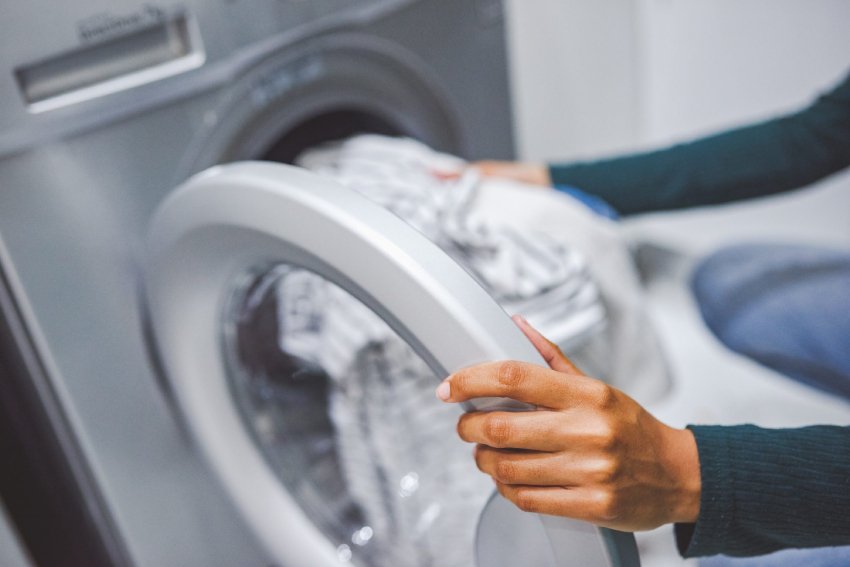
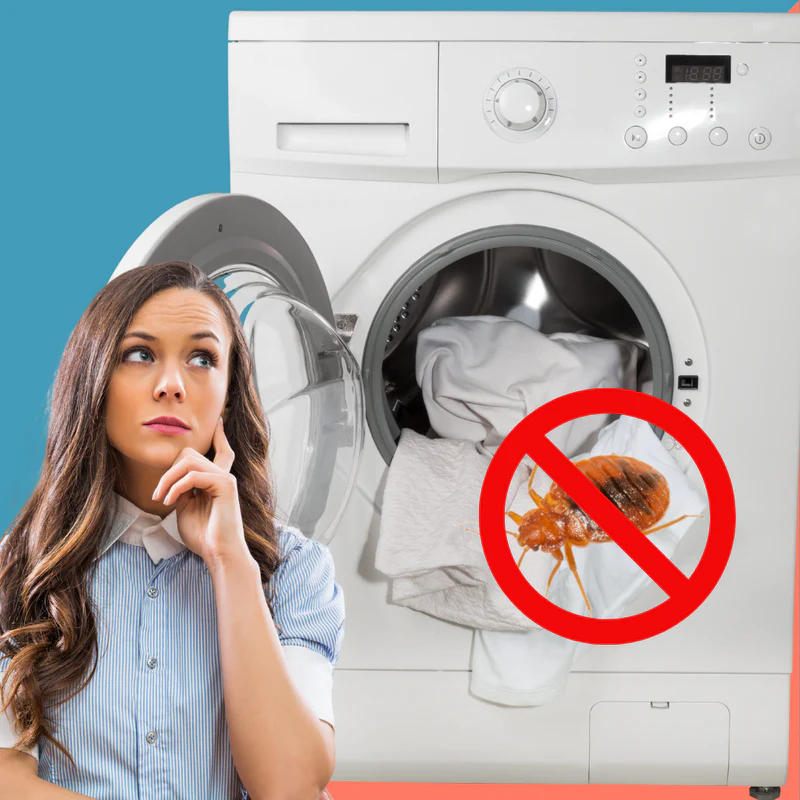
    • Hot clothes dryer (high heat for at least 30 minutes) kills bed bugs and eggs on washable items — bedding, clothing, soft toys, curtains. Use this even for items that don’t need washing first; the heat is what matters. (Wash in hot water too if the fabric allows.)
    • Steam at 130°F+ reaches into seams, cracks, baseboards, and the crevices of mattresses, box springs, and upholstered furniture where bed bugs hide. Use a low-airflow steamer or a diffuser — high-pressure steam scatters the bugs instead of killing them. Move slowly so the heat penetrates.
    • Portable heat chambers (sold for suitcases and similar items) raise the contents to a kill temperature for several hours — useful after travel.

    EPA warning: do NOT try to kill bed bugs by raising your home’s indoor temperature with a thermostat, space heater, or fireplace. This doesn’t reach the temperatures needed and creates a serious fire risk. Whole-home heat treatments require specialized professional equipment. Also avoid the “closed car in the sun” method — it’s unreliable and can damage belongings.

    Cold (works, but with strict conditions)

    A freezer set to 0°F (-18°C) kills bed bugs and eggs if items stay sealed inside for at least 3-4 days. The catch: many home freezers don’t actually reach 0°F — check with a thermometer. Bag items, squeeze out air, and leave them in.

    EPA-registered pesticides

    Heat and steam don’t reach every hiding spot, so EPA recommends combining them with chemical treatments. Use only EPA-registered pesticides that specifically list bed bugs on the label and are approved for indoor use (and for mattresses, if you’re treating those). A few notes:

    • Most household sprays are pyrethrin- or pyrethroid-based. Many bed bug populations have developed resistance, so you may need to rotate to a different chemical class if the first product doesn’t fully work.
    • Desiccant dusts (silica gel and EPA-registered pesticide-grade diatomaceous earth) work by drying the bugs out. They take longer (weeks to months) but bed bugs can’t develop resistance to them. Critical: use only EPA-registered pesticide-grade DE — NOT pool-grade or food-grade, which have different particle sizes and can harm your lungs.
    • Wear gloves and a mask when applying, ventilate, follow label directions exactly, and keep kids and pets out of treated areas until the product has dried.

    Mattress encasements and interceptor traps

    These are inexpensive, evidence-based, and central to IPM:

    • Encasements (zippered, bed-bug-rated covers for the mattress and box spring) trap any bugs inside and stop new ones from getting in. Leave them on for at least a year.
    • Interceptor traps (small plastic cups that sit under each leg of the bed) catch bed bugs trying to climb up or down. Combined with pulling the bed away from walls and other furniture, they isolate the bed.

    What doesn’t work (or works poorly)

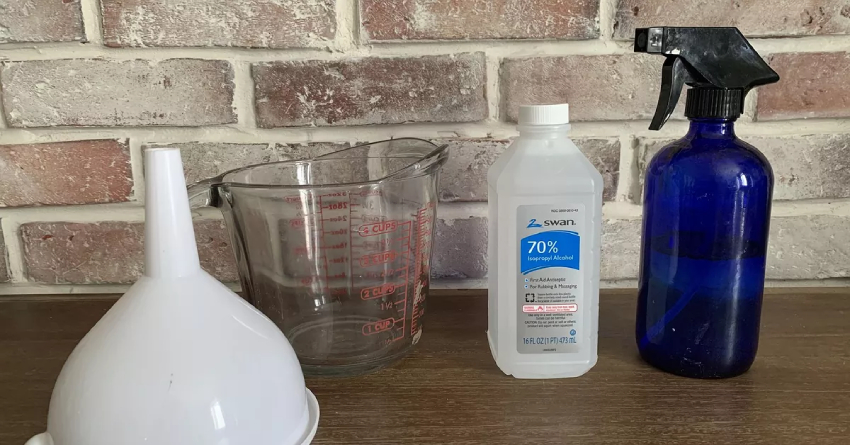
    • Rubbing alcohol sprays kill bed bugs only on direct contact, miss anything hidden, don’t reliably kill eggs, and are a real fire hazard when sprayed on bedding and furniture — documented house fires have started this way. Skip alcohol as a treatment.
    • Bug bombs and total-release foggers are largely ineffective against bed bugs (which hide in places the fog doesn’t reach) and can drive bugs deeper into walls or into neighboring units. EPA discourages their use here.
    • Essential oils, ultrasonic devices, and “natural” repellents aren’t reliable bed-bug treatments. Some kill on direct contact in lab tests but don’t eliminate infestations.
    • Don’t apply pesticides to your skin as a bed-bug deterrent — some myths suggest this and it’s dangerous.


      How bed bugs get into your home

      The big three routes:

      • Travel. Bed bugs are common in hotels, hostels, and short-term rentals — not because they’re dirty, but because high turnover gives bugs constant new hosts. Inspect the bed and headboard area on arrival (look for tiny dark spots on the mattress seams), keep luggage off the bed and floor (use the luggage rack, away from walls), and run all clothing through a hot dryer when you get home.
      • Used furniture and bedding. Curbside furniture is a major risk. Inspect anything secondhand thoroughly, and ideally heat-treat or steam it before bringing it inside.
      • Shared housing and visitors. Apartment buildings can have units that share infestations through wall outlets and shared spaces. Bags, jackets, and items from infested locations can carry bugs home.

      None of this requires an “unclean” home — it’s about exposure, not cleanliness.

      The DIY treatment plan, step by step

      1. Confirm it’s bed bugs

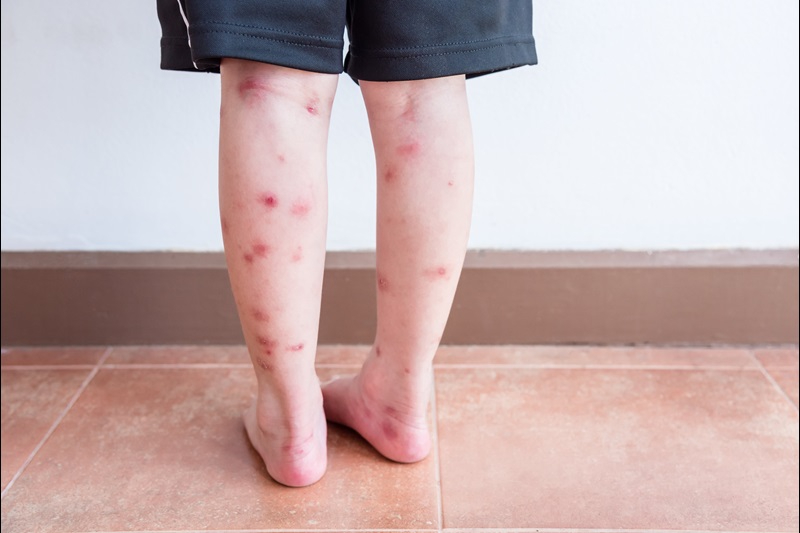
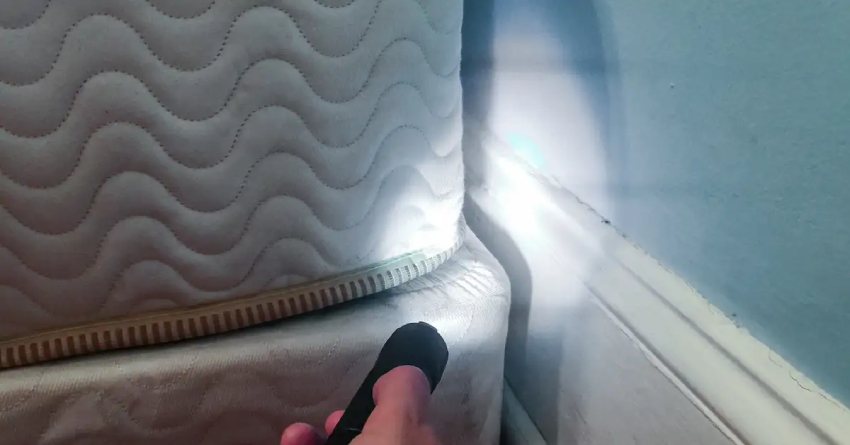
      Bed bug bites are often itchy and appear in lines or clusters, but bites alone aren’t diagnostic. Look for the bugs themselves (apple-seed-sized, reddish-brown, flat), tiny dark fecal spots on mattress seams and headboards, shed skins, and a faint sweet musty smell in heavy infestations. Bring a captured sample to your county Extension office or a pest professional for confirmation — most will identify it for free or low cost. Treat any bites with over-the-counter hydrocortisone or antihistamine cream; see a doctor if bites become infected.

      2. Track everything

      Write down when and where you first saw bugs, every room or piece of furniture affected, every treatment date and method, and the products you used. This catches what’s working and what isn’t, and helps a professional if you eventually call one.

      3. Reduce hiding places

      Bed bugs hide in cracks, seams, and clutter — the fewer hiding places, the better the treatment.

      • Declutter, but carefully. Don’t move items from infested to clean areas — you’ll spread the bugs. Bag what you’re keeping (label the bags), keep it sealed until treated, and discard or recycle cardboard (a favorite hiding spot) directly into outdoor bins.
      • Pull the bed away from walls and other furniture, so the only path to it is the legs (which you’ll fit with interceptor traps).
      • Caulk cracks in baseboards, wall outlets, and around windows to seal hiding spots. Don’t let this be your only treatment — sealing in untreated bugs doesn’t kill them.
      • If you’re discarding infested furniture, mark it clearly (a sign or spray paint, as required by some local ordinances) so no one drags it home and restarts the cycle.

      4. Treat washable items with heat

      Bag all bedding, clothing, soft toys, and washable curtains from affected rooms. Wash in hot water if the fabric allows, then dry on high heat for at least 30 minutes. For items that can’t be washed, run them through a hot dryer for 30+ minutes anyway — it’s the heat that kills, not the water. Store treated items in clean sealed bags until you’ve finished treating the rest of the area.

      5. Steam-treat the bedroom

      Use a steamer at 130°F+ with low airflow to slowly treat the mattress (all seams and tufts), box spring (top, bottom, edges), bed frame, headboard, baseboards, the seams of upholstered furniture, and any carpet edges. Move slowly — a few inches per second — so the heat penetrates. Then encase the mattress and box spring in zippered bed-bug-rated covers.

      6. Apply EPA-registered pesticide or desiccant

      Treat cracks, crevices, the underside of the bed frame, the back of the headboard, and other hiding places with an EPA-registered bed bug spray or a desiccant dust per label directions. Don’t spray pesticides on top of a mattress unless the label specifically allows it — use the encasement instead. Wear gloves and a mask, ventilate, and keep kids and pets out until dry. Many infestations need two or three rounds of pesticide, spaced 1-2 weeks apart, to catch newly hatched bugs.

      7. Install interceptor traps under bed legs

      Put one under each leg of the bed. They both catch wandering bugs and act as a monitor — if bugs stop showing up in the traps over several weeks, your treatment is working.

      8. Vacuum thoroughly

      A vacuum (preferably with a HEPA filter) lifts live bugs, eggs, and shed skins from carpets, baseboards, and upholstered furniture. Immediately seal the vacuum bag or contents in a plastic bag and discard in an outdoor bin. Clean the vacuum afterward so you’re not redistributing eggs.

      9. Repeat — every 1-2 weeks, for at least 4-6 weeks

      This is the part most DIY guides understate. Bed bug eggs hatch over 6-10 days, so a single treatment misses the next generation. Keep treating, monitoring with the interceptor traps, and inspecting for at least a month after you think they’re gone. If you’re still seeing bugs or fresh bites after several rounds, it’s time to call a professional — some infestations need stronger products or techniques that aren’t available to consumers.

      When to call a professional

      DIY can work for early or limited infestations. Call a licensed exterminator if:

      • Bugs are still showing up after 4-6 weeks of consistent DIY treatment.
      • The infestation has spread to multiple rooms or upholstered furniture you can’t easily treat.
      • You live in a multi-unit building — pros can coordinate treatment across units, which is what actually solves the problem there.
      • You can’t safely manage pesticides yourself (young children, pregnancy, respiratory conditions, pets).

      Professional treatments — whole-room heat, commercial-grade pesticides, structural fumigation — use equipment and chemicals that aren’t safe for DIY. The cost varies widely by region and severity. Get quotes from a few licensed exterminators and ask for their plan, including how many visits are included.

      Preventing future infestations

      Once you’ve cleared an infestation, the goal is keeping bugs from coming back. Prevention is much easier than treatment:

      1. Travel routines. Inspect hotel beds on arrival (lift the sheet at the corners and look at the mattress seam, the headboard, and the area around the bed). Keep luggage on the rack, away from the bed and walls. When you get home, unpack outdoors or in the garage if possible, run all clothing through the hot dryer for 30+ minutes (even unworn items), and inspect the suitcase before bringing it inside.
      2. Used furniture and bedding. Avoid curbside furniture entirely, and inspect anything secondhand carefully — ideally heat-treat it before bringing it in.
      3. Keep bedding regularly laundered in hot water, especially after travel or guests.
      4. Leave interceptor traps under the bed legs as a permanent monitor — they’ll alert you to any future intrusion early, when it’s easy to handle.

      The bottom line

      There’s no overnight cure, but bed bugs can be eliminated with a methodical IPM approach — heat-treat washable items, steam the bedroom, encase the mattress, apply EPA-registered pesticide or desiccant to hiding spots, set interceptor traps, vacuum, and repeat every 1-2 weeks for at least 4-6 weeks. Avoid the shortcuts that don’t work (rubbing alcohol, bombs, essential oils, raising the thermostat) and the ones that aren’t safe (pesticides on skin, food-grade DE, closed cars in the sun). If you’ve followed the plan and they’re still around, call a licensed exterminator — it’s not a failure, it just means your infestation needs the bigger tools.