
How to Choose and Use the Best Bed Bug Heaters
Pro Housekeepers is a Tampa-based nationwide housekeeping company (since 2015). This guide explains how to choose and use bed bug heaters safely — when heat works, what temperatures kill bugs and eggs, how to prep a room, which DIY heat methods are realistic, and when to call professionals instead of risking a fire with underpowered consumer heaters.
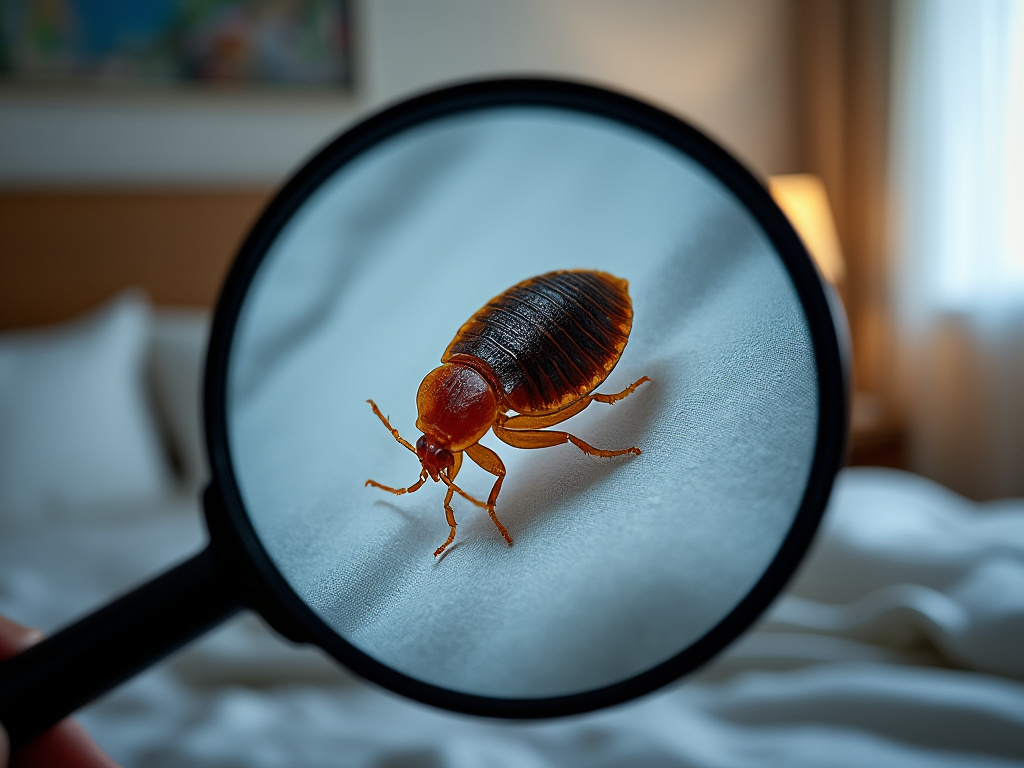
Heat kills bed bugs at every life stage, and bugs cannot evolve resistance the way they do to some insecticides. The catch: lethal temperature must reach the cracks and cores where they hide — not just the open air in the middle of the room. That is why a hot dryer or portable heat chamber is a strong DIY tool for items, while whole-room heat is usually a professional job.
What a bed bug heater is (and is not)
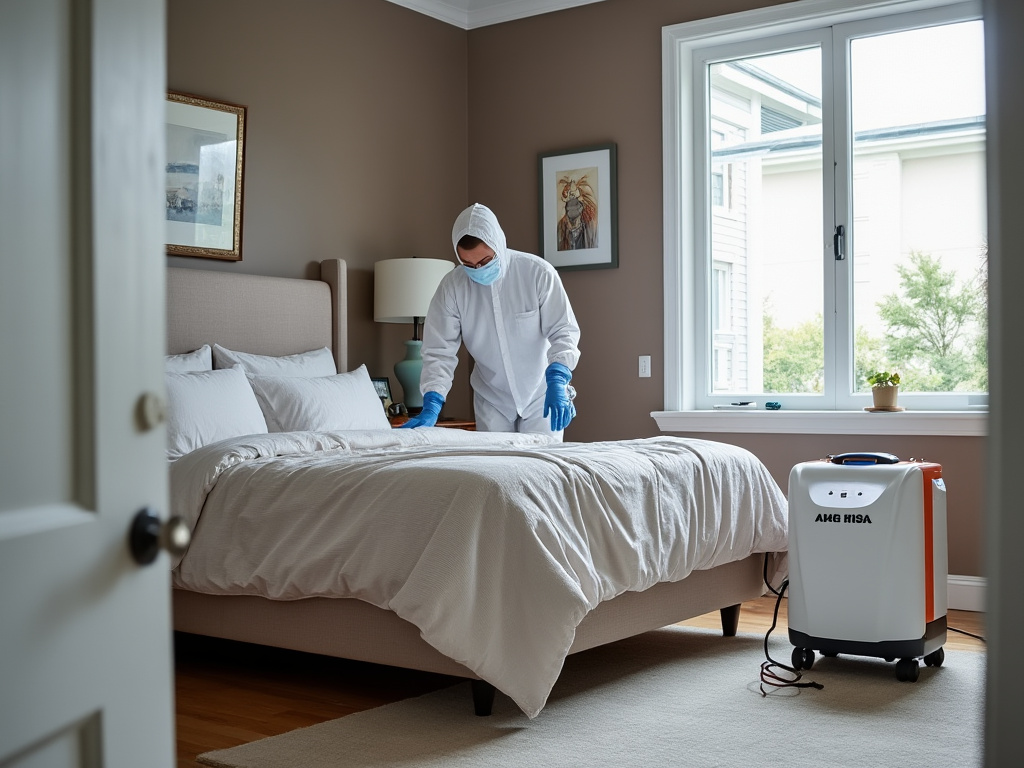
Purpose-built systems include portable chambers for bagged belongings and larger electric or propane units used by pest pros for rooms. A regular space heater is not a bed bug heater: it rarely maintains even lethal heat in voids, and misused heating equipment is a leading cause of home fires.
- DIY-friendly: clothes dryer on high; portable bed-bug heat chambers for shoes, books, luggage
- Pro territory: whole-room or whole-home heat with calibrated sensors and monitored equipment
Temperatures that actually kill
Bed bugs, nymphs, and eggs die when infested surfaces stay around 120–130°F (about 49–54°C) long enough for heat to penetrate hiding spots. Pros often push room air higher so wall voids and furniture cores reach that band. A brief warm-up that never holds temperature fails — survivors rebound fast.
After any heat work, vacuum dead bugs and eggs, then launder fabrics on hot when the material allows.
Safest DIY heat methods
- Clothes dryer: the EPA notes high heat in a dryer is effective for items — run clothing, bedding, and soft toys on high for at least 30 minutes (longer for bulky loads).
- Hot wash first: wash fabrics in the hottest water the care label allows, then dry on high.
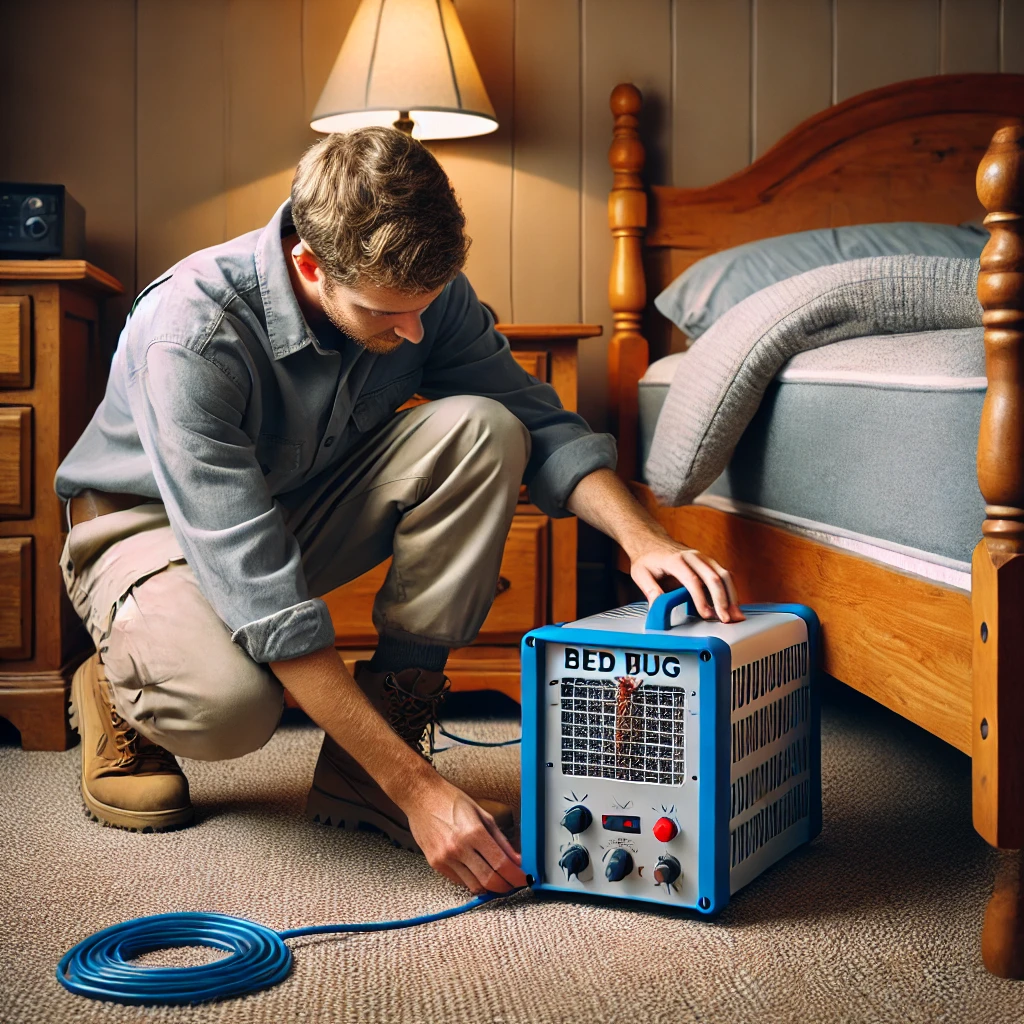
- Portable heat chamber: a purpose-built box brings bagged items to lethal temperature without heating the whole room.
These methods treat belongings. They do not replace inspection of mattresses, baseboards, and furniture where live bugs remain.
How to prep before any heat treatment
- Confirm bed bugs: look for bites, blood spots on sheets, dark fecal specks, shed skins, and eggs — and rule out fleas or other look-alikes.
- Map the infestation: check couches, chairs, outlets, headboards, and loose wallpaper, not only the bed.
- Create airflow: pull furniture a few inches off walls; bag loose items so you do not spread bugs while moving them.
- Remove hazards: aerosols, flammable liquids, candles, meltable plastics, delicate items, and electronics that can warp.
- Get people, pets, and plants out of the treated space for the full heat cycle.
Skip scattering chemical sprays right before heat if a pro advises against it — sprays can drive bugs into other rooms.
Room heaters: safety rules and when to stop DIY
- Seal one manageable room; use fans to circulate heat evenly (concrete floors soak heat).
- Follow the manufacturer’s hold time at target temperature.
- Never leave a high-output heater running unattended.
- Choose metal-cased units with automatic over-temperature shutoff — never plastic shells pushed to extreme heat.
- Afterward, use monitors at bed legs and re-launder bedding on hot.
Be honest: many consumer room heaters underperform in voids, leaving survivors. Fire risk rises when people “just crank it hotter.” For heavy or multi-room infestations, hire pros with sensors and commercial equipment.
How to choose equipment (practical checklist)
- Size the unit to the space (BTU/voltage match your circuit)
- Metal housing; auto shutoff; clear temperature control
- Prefer chambers for items if you only need to treat belongings
- Read real reviews for whether units actually hold 120°F+ inside loads
- Warranty of two to three years is a good signal of build quality
Pros and cons of heat
- Pros: non-toxic residue profile vs sprays; kills eggs in one successful cycle; no insecticide resistance
- Cons: energy cost; can damage plastics and finishes; DIY room attempts often fail; fire risk if misused
Heat treatment is pest control, not housekeeping — but cleaning supports recovery. Vacuum thoroughly, wash textiles, and reset bedrooms. Pro Housekeepers’ deep cleaning and regular cleaning help after extermination. Related reads: how to clean and disinfect a mattress and how to get blood out of clothes.
Frequently asked questions
Does heat treatment work?
Yes when lethal temperatures reach every hiding spot long enough. That is why pros outperform DIY room heaters.
Can I use a regular space heater?
No for whole-room bed bug kill. It is ineffective for voids and unsafe as a DIY “bug oven.”
What temperature kills bed bugs?
Sustained roughly 120–130°F throughout the infested materials — not a brief spike on a thermostat.
Will heat damage electronics?
It can melt plastics and harm devices. Remove electronics before treatment.
What does professional treatment cost?
Often roughly $1,000–$4,000 depending on square footage and severity — get local quotes.