
How to Get Blood Out of Clothes (Cold Water First)
To get blood out of clothes, start with cold water — never hot. Heat cooks the proteins in blood and sets the stain. Rinse from the back of the fabric, treat with an enzyme laundry detergent or a cold-water method suited to the fabric, blot instead of scrubbing, then wash cold and check the stain is gone before any dryer heat. Skip bleach as a first move, and treat someone else’s blood as a biohazard with gloves and care.
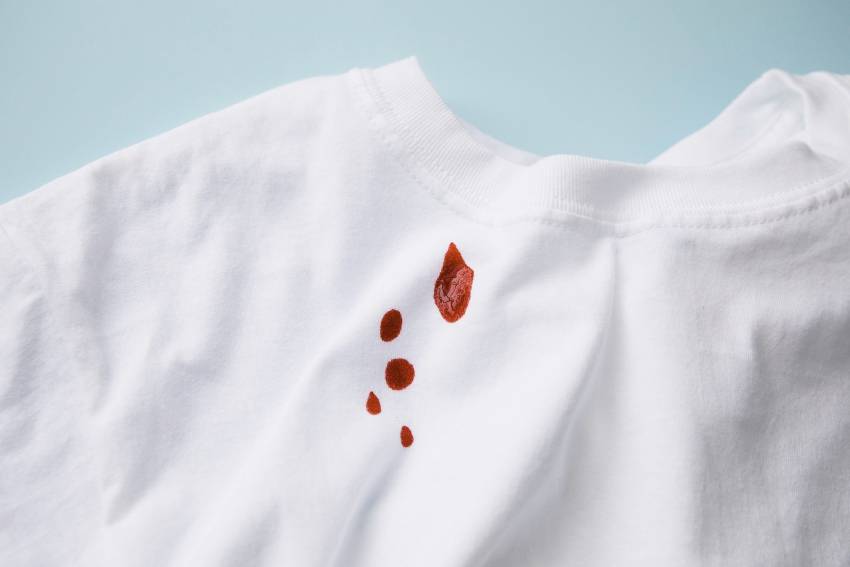
Why blood stains set so easily
Blood is protein-based. It soaks into fibers and binds. Warm or hot water makes those proteins coagulate and lock in permanently — the same reason you do not rinse a protein stain with hot water. Two rules cover almost every fabric:
- Act while it is wet if you can. Fresh blood rinses out far more easily than dried.
- Cold water only until the stain is gone. No warm rinse, no hot pre-soak, no dryer until you are sure.
For dried blood, soak or blot with cold water first to rehydrate the stain, then treat. Check the care label: silk, wool, and “dry clean only” pieces need gentler handling or a cleaner.
Safety: Wear gloves if the blood is not yours. Work in a ventilated area. Use one chemistry at a time and rinse between methods. Never mix ammonia with bleach or with hydrogen peroxide — those combinations can release dangerous gases. CDC bloodborne-pathogen guidance treats human blood as potentially infectious; dispose of heavily soiled paper towels and wash hands after.
Step 1: Cold rinse from the back
Hold the stained area under cold running water and flush from the back of the fabric so water pushes blood out the way it entered instead of deeper in. This alone removes a surprising amount from cotton and many synthetics. Blot with a clean white cloth; do not scrub — scrubbing spreads the stain and abrades fibers.
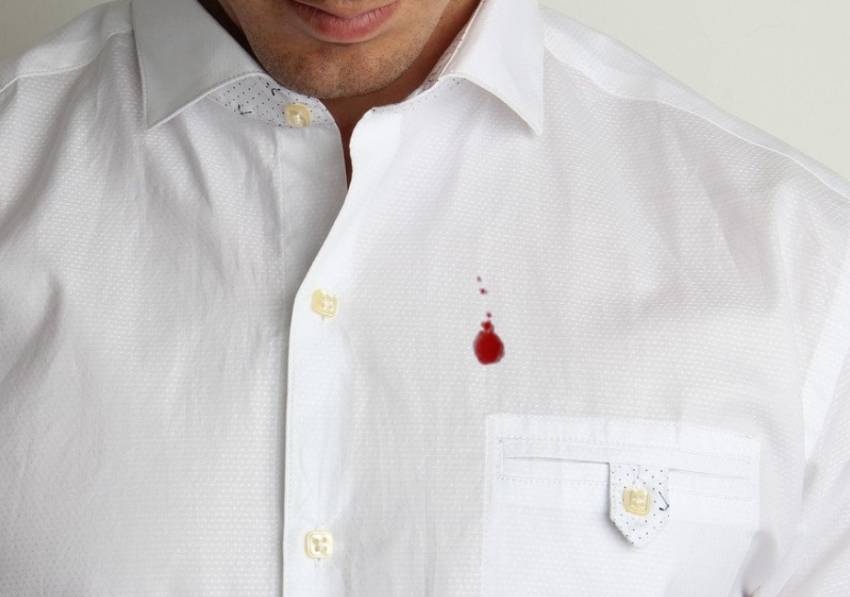
Best first treatment: enzyme detergent
Modern laundry detergents labeled for protein or enzyme stains (protease enzymes) are the most reliable household option for washable clothes. Work a small amount of liquid enzyme detergent into the damp stain with cool water, wait 10–15 minutes (or follow the label), then launder on cold. Enzyme products are designed for blood, grass, and food proteins — they outperform bleach myths for this job.
If you do not have an enzyme detergent, a drop of clear dish soap worked into the stain with cold water is a solid backup for many everyday fabrics.
Colored clothes vs whites
Colored or dark fabrics: Prefer enzyme detergent, cold saltwater paste, cornstarch paste, or dish soap. Be cautious with hydrogen peroxide — it can lighten dyes. Always spot-test in a hidden seam.
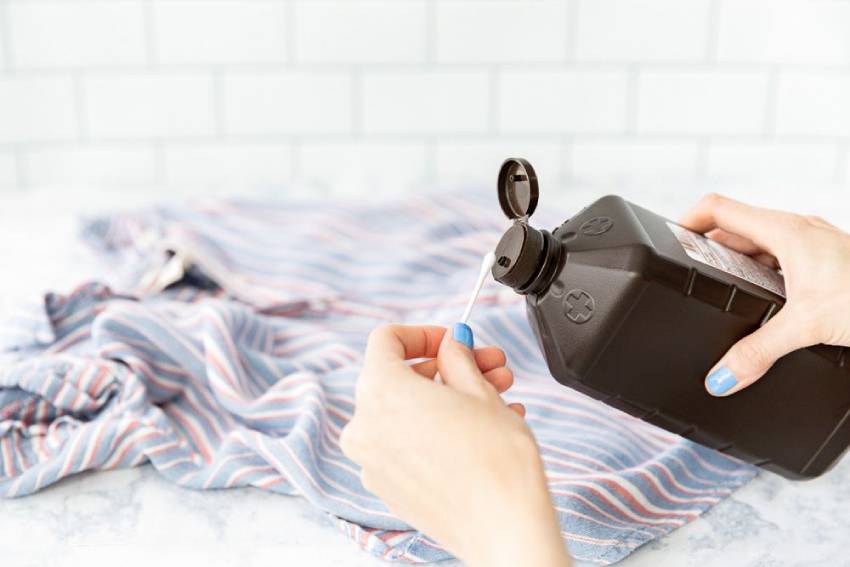
White or known colorfast fabrics: You can add 3% hydrogen peroxide after the cold rinse. Apply a small amount, let it fizz a few minutes, blot, and rinse cold. Repeat if needed. Peroxide is an oxidizer; it is useful on blood but is not “magic bleach,” and it can still fade some dyes.
Dried blood and fabric-by-fabric notes
- Cotton and linen: Cold rinse, enzyme detergent, wash cold. Air-dry to check.
- Synthetics (polyester, blends): Same cold-first approach; blot gently so you do not fuzz the knit.
- Denim: Cold rinse and enzyme detergent; avoid hot washes that set leftover protein and shrink.
- Wool and silk: Blot cold water only; use a wool/silk-safe detergent if the care label allows wet cleaning. Do not soak silk. When in doubt, take it to a cleaner and point out it is a protein stain.
- Upholstery and mattresses: Blot cold water and a tiny amount of mild detergent; lift moisture with towels. Do not flood foam. For rugs, see our guide on cleaning area rugs.
Household backups (honest ranking)
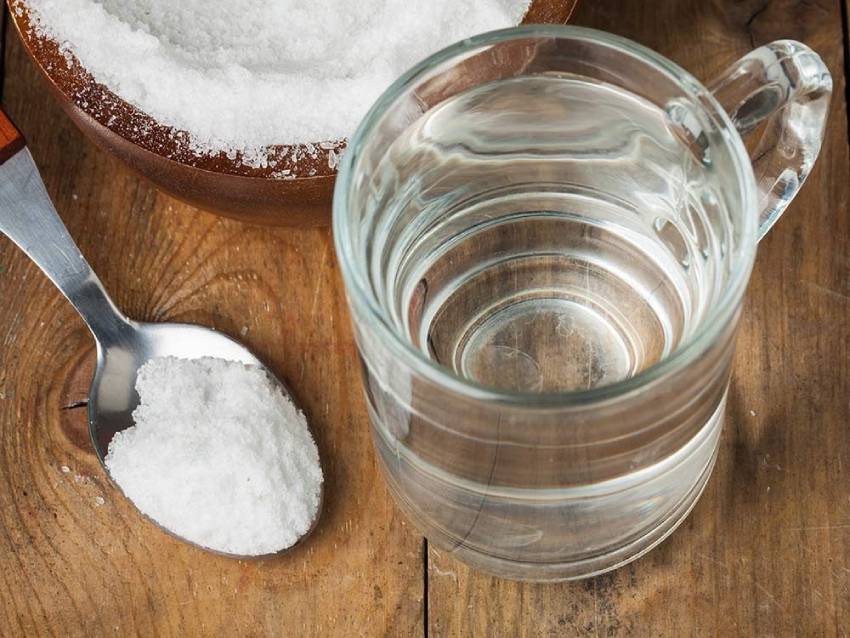
- Cold saltwater paste: Salt plus cold water, sit 15–20 minutes, rinse cold. Mild and fabric-friendly.
- Cornstarch paste: Mix with cold water, apply, let dry, brush or rinse off. Helps absorb as it dries.
- White vinegar: Some people use a short vinegar soak on colorfast washables; rinse thoroughly with cold water afterward. Not a first choice over enzyme detergent.
- Ammonia: Skip as a default. Older advice sometimes mixes dilute ammonia for whites, but it conflicts with peroxide/bleach safety, smells harsh, and is easy to misuse. Prefer enzymes.
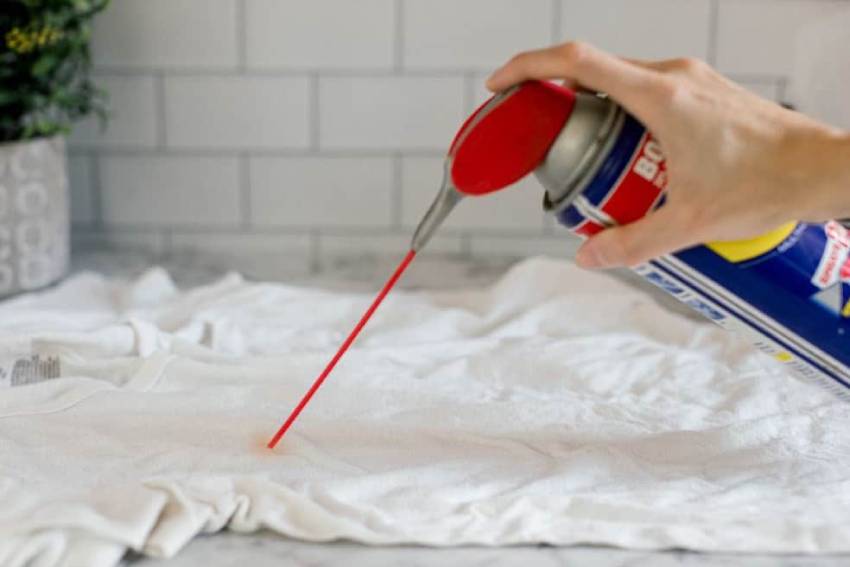
- Cola or WD-40: Novelty backups at best. Cola leaves sugar residue; WD-40 can leave oil that needs dish soap to remove. Not recommended as a primary method.
Wash, check, then dry
- Launder on cold per the care label with your usual detergent (enzyme formulas help).
- Inspect in good light before drying. If a shadow remains, re-treat and wash again.
- Only then machine-dry or iron. Dryer heat will permanently set leftover blood.
Chlorine bleach is a poor first tool for blood: it is harsh on fibers and skin, and it does not outperform cold water plus enzymes on protein stains. If you ever use bleach on white cotton only, never combine it with ammonia or other cleaners, and rinse thoroughly.
Frequently asked questions
Can I use hot water after the stain is gone?
Yes — once the stain is fully removed, you can wash at the temperature the care label allows. Until then, stay cold.
Does hydrogen peroxide ruin colored clothes?
It can lighten dyes. Spot-test first and prefer enzyme detergent on colors.
What about baby clothes or delicate washes?
Use cold water and a gentle or baby-safe detergent; the same protein rules apply. See also how to wash baby clothes and our broader stain removal guide.
Blood looks dramatic, but panic moves — hot water and bleach — make it worse. Cold rinse, enzyme detergent, blot, wash cold, and verify before the dryer. For the rest of the laundry room and hard floors, Pro Housekeepers’ regular cleaning and deep cleaning keep the house under control while you handle the one tough stain by hand.