
How To Remove Oil Stains from Clothes
To remove an oil or grease stain from clothes, blot the excess (do not rub), cover the spot with an absorbent powder such as baking soda, cornstarch, or chalk, then work in a few drops of grease-cutting dish soap and wash in the warmest water the care label allows. Check that the stain is gone before the dryer — dryer heat sets leftover oil and can make it permanent. Leather, silk, and other delicates need different care than cotton. Act fast; set-in oil takes more rounds, not more heat.
Safety first
- Never put the garment in the dryer until the stain is gone. Heat cooks oil into the fibers. Air-dry, inspect, and re-treat if you still see a shadow.
- Blot, do not scrub. Rubbing spreads grease sideways and deeper into the weave.
- Read the care label. Hot water helps dissolve grease on sturdy cotton; it can shrink wool or wreck silk finishes.
- One product at a time. Do not stack random stain removers, solvents, and bleach on the same spot.
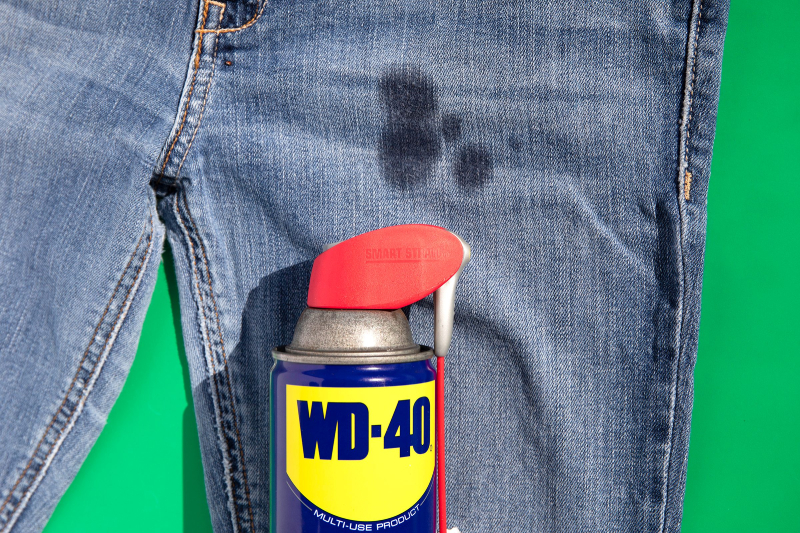
- WD-40 is a last resort. It is oil-based itself. Tiny amount on washable fabric only, then immediate dish-soap wash. Keep aerosols away from kids, pets, and flames.
What you need
- Paper towels or clean white cloths
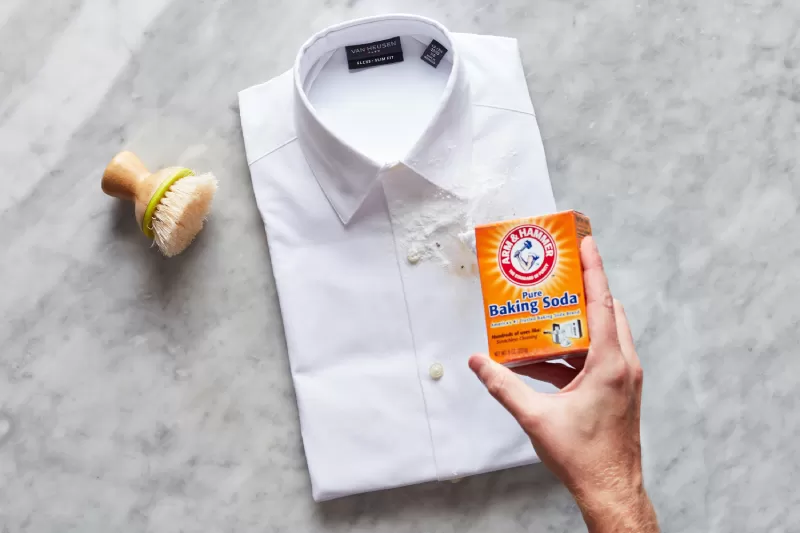
- Baking soda, cornstarch, or plain white chalk
- Grease-cutting liquid dish soap
- Soft toothbrush (optional)
- Laundry detergent for the wash cycle
Step-by-step for washable clothes
- Lay the garment flat. Blot up liquid oil with a paper towel. Rotate to a clean section as it transfers. Do not rub.
- Cover the stain with baking soda, cornstarch, or chalk. Press gently. Let it sit 10–30 minutes (longer for heavy spills). When the powder browns or feels greasy, brush it off and repeat once.
- Work a few drops of dish soap into the dampened stain with fingers or a soft brush. Wait 10–15 minutes.
- Wash alone or with similar items in the warmest water the label allows. Warm water helps grease; cold is for protein stains like blood, not oil.
- Check in good light before drying. If the stain remains, repeat powder + dish soap. Only machine- or air-dry when it is gone.
Home remedies that actually help
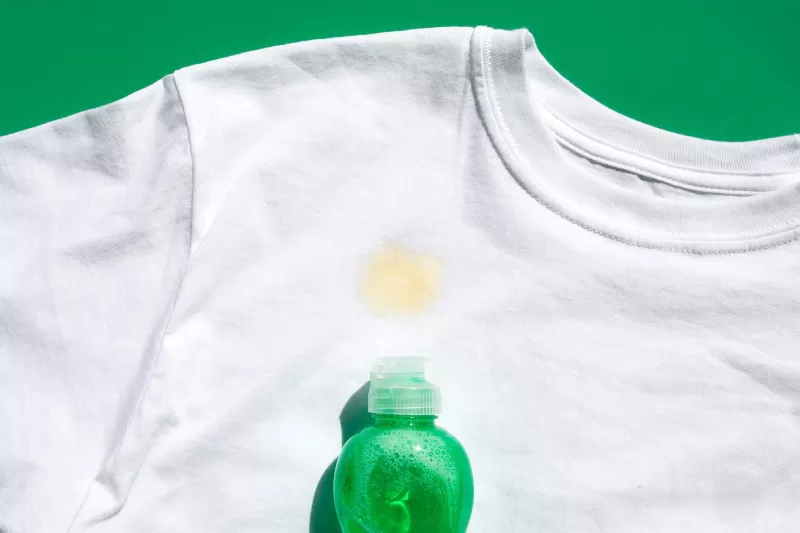
Dish soap is the workhorse for cooking oil and food grease on cotton and many everyday fabrics. It is formulated to cut grease.
Baking soda or cornstarch pull fresh oil to the surface before you soap. Best on new stains.
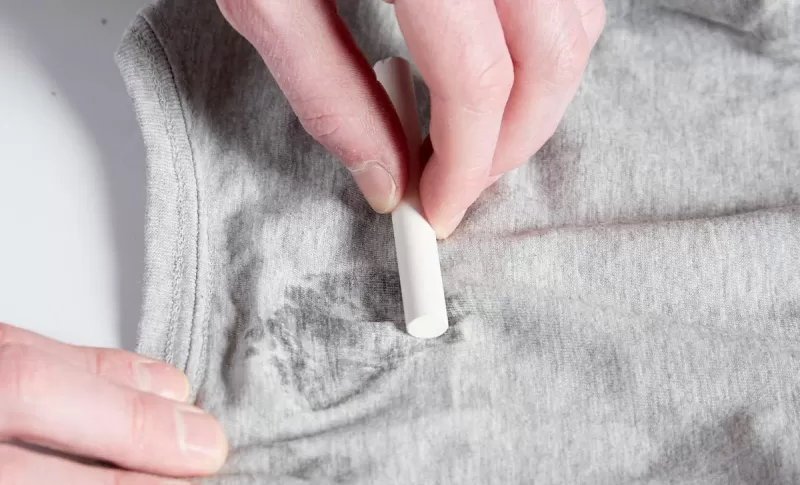
Chalk works well on table linens and cotton: rub chalk over a fresh mark, brush away, repeat, then dish soap and wash.
By fabric
- Cotton: powder, dish soap, warm wash, inspect, then dry.
- Linen: chalk or powder plus dish soap; wash per label.
- Corduroy / velvet: absorb with powder first; gentle soap; avoid harsh scrubbing that crushes the pile.
- Silk: powder only as a first aid, then professional cleaning for anything valuable or set-in. Do not soak silk in hot dish-soap baths.
- Leather: blot, dust with cornstarch or talc to pull surface oil, then a leather cleaner or saddle soap made for that finish. Do not soak leather in water-based home remedies.
Old, set-in oil stains
For washable cotton-type fabrics, soak in warm water with detergent, work dish soap into the mark, and wash. You may need several rounds. If it already went through a hot dryer, treat again before the next wash and keep it out of the dryer until the shadow lifts — or accept that some motor-oil marks on light fabric will not fully leave.
Mistakes that set the stain
- Waiting days before treating
- Rubbing instead of blotting
- Dryer or iron before the stain is gone
- Wrong method for leather or silk
- Dumping solvent, bleach, and soap on the same spot at once
Grease on clothes is laundry work. Grease filmed across kitchen cabinets and floors is a different job — Pro Housekeepers’ deep cleaning resets kitchens and hard surfaces so oil does not keep transferring onto what you wear.
FAQ
Hot, warm, or cold water?
Warmest water the fabric allows for oil and grease. Cold is for blood and other proteins. Always check the label.
Are oil stains permanent?
They can be after heat or long delay. Fresh treatment plus no dryer until clear gives the best odds.
Can I use WD-40?
Only as a last resort on washable fabric, tiny amount, then dish soap wash immediately. Try powder and dish soap first.
How do I get motor oil out?
Same process: blot, absorb, dish soap, warm wash, inspect. Expect multiple rounds. Some black motor oil on white fabric will not fully disappear.