
Do Cleaning Products Expire? How Long Cleaners Last
Cleaning products do expire. How long they last depends on the ingredients and whether the bottle has been opened. As a rough guide: opened bleach lasts about 6 months, laundry detergent about 6 months, hydrogen peroxide about 6 months after opening, dish detergent 12–18 months, and most all-purpose or disinfectant sprays around 1–2 years. Expired cleaners are usually not dangerous — they just get weaker — which matters most for disinfectants, because you may think a surface is sanitized when it is not. Store products cool, dark, and dry, and check the date before relying on anything antibacterial.
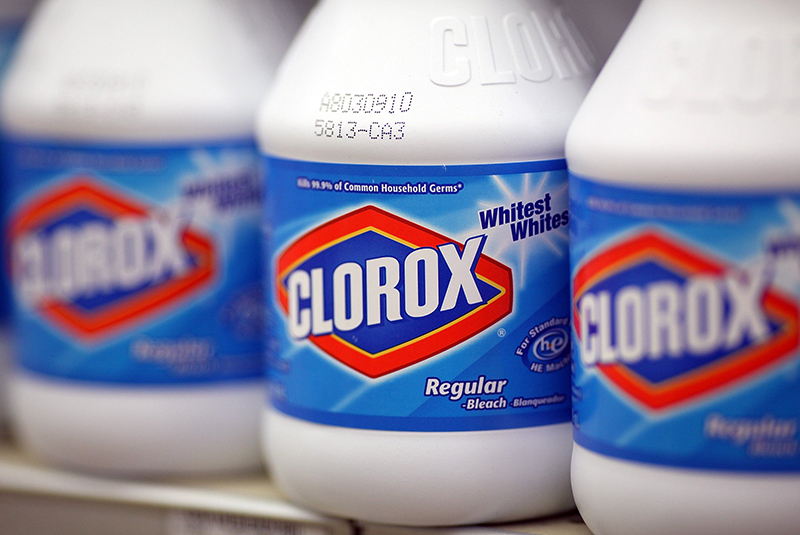
Opened vs unopened shelf life
Once air, heat, and light reach the formula, active ingredients break down faster. Unopened bottles last longer, but seals are not perfect — still respect the printed date. Liquids generally expire sooner than powders.
Opened (typical home storage):
- Bleach (sodium hypochlorite): ~6 months
- All-purpose sprays: ~2 years
- Dish detergent: 12–18 months
- Laundry detergent (liquid): ~6 months
- Disinfectant sprays: ~2 years (closer to 1 year if labeled antibacterial)
- Hydrogen peroxide: ~6 months after opening (store in the opaque bottle)
- Ammonia: ~2 years
Unopened (cool, dark, dry):
- Bleach: ~1 year
- All-purpose sprays: ~2 years
- Dish detergent: 12–18 months
- Laundry detergent: 9–12 months
- Disinfectant sprays: ~2 years (antibacterial closer to 1 year)
- Hydrogen peroxide: up to ~3 years sealed
- Ammonia: 5+ years
- Powdered laundry detergent / oxygen bleach powder: often years if kept dry
- Castile soap: around 3 years
Does bleach expire?
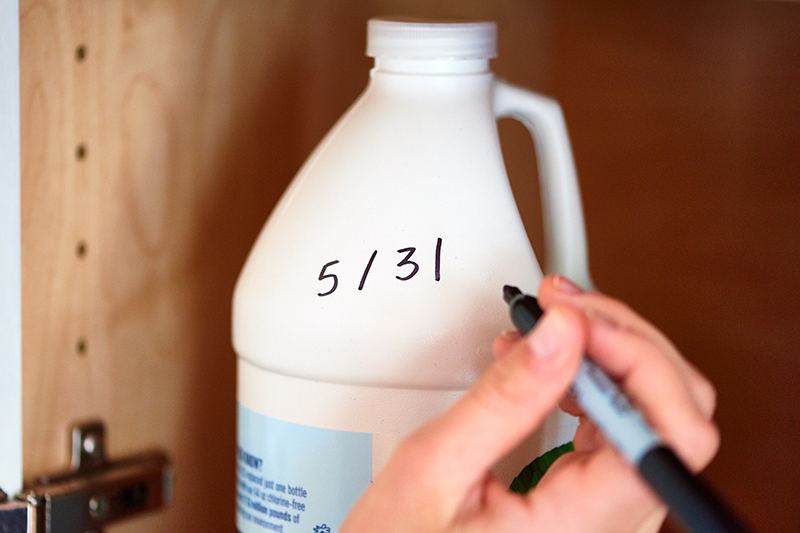
Yes. Household bleach is sodium hypochlorite in water — an unstable mix that slowly breaks down into salt and other compounds. Potency drops roughly 20% per year even when sealed; after opening, expect meaningful loss within about six months. You can still use older bleach for laundry whitening or non-critical cleaning, but do not trust it for disinfection at the dilution printed on a fresh bottle. Buy smaller bottles if you use bleach slowly.
Disinfectant potency matters most
All cleaners lose effectiveness over time. An expired disinfectant may still reduce some germs, but not reliably enough to count as true disinfection. Because you cannot see microbes, the printed shelf life and contact time on the label are what you are counting on — especially after illness in the home. For glass cleaner or dryer sheets, weaker performance is a minor inconvenience; for sanitizing, check the date.
Signs a product is past its best
- Separated layers that will not remix
- Color or texture change (lumpy, cloudy when it should be clear)
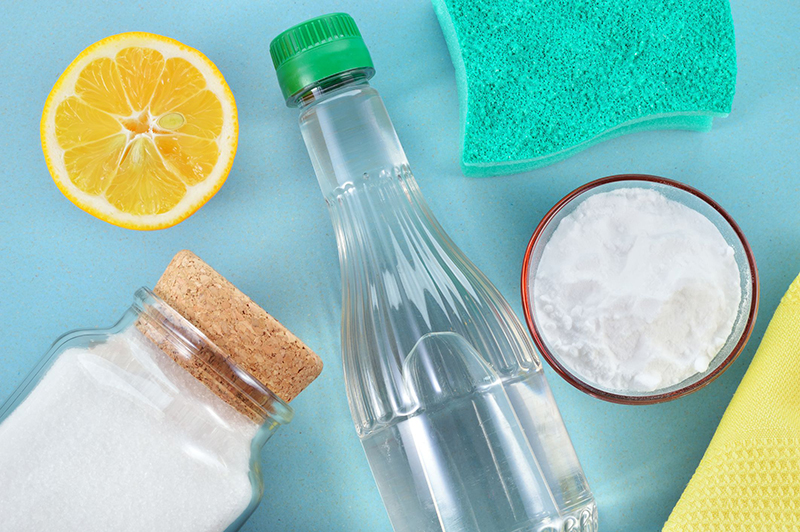
- Baking soda no longer fizzes with vinegar
- Baking powder no longer fizzes in hot water
- Dryer sheets have lost scent
- Hydrogen peroxide no longer fizzes when poured (it has largely become water)
- Fragrance gone or “off” on scented cleaners
Can you use expired cleaners?
Usually yes for low-stakes jobs — scrubbing a shower with old peroxide, washing curtains with old detergent. Results will be weaker. Do not rely on expired products when you need EPA-registered disinfection. Never “boost” an expired cleaner by mixing it with another product; that is how toxic gas accidents happen (especially bleach + ammonia or bleach + acids).
How to dispose of expired products safely
- Use them up on non-critical chores when performance is not critical.
- Trash: most sprays and detergents can go in household trash — absorb liquids with cat litter first. Check the label.
- Drain: only products that normally go down a drain in use, in small amounts, with plenty of water. Match the drain (do not pour toilet cleaner down the kitchen sink). Large volumes of foaming detergent belong in the trash, not the pipes.
- Bleach: dilute and flush alone with lots of water — never with other cleaners in the same trap.
- Hydrogen peroxide: pour down a drain with running water (breaks down to water and oxygen).
- Ammonia: absorb with cat litter and trash; never introduce it where bleach residue may remain.
Critical: never pour incompatible cleaners down the same drain one after another — bleach with ammonia or acids can release toxic gas in the trap. Dispose of one product, flush thoroughly, ventilate, then handle the next. On a septic system, only put septic-safe products down drains. Large or clearly hazardous chemicals go to household hazardous-waste collection.
Storage and “natural” formulas
Keep cleaners cool, dark, and dry — not in a damp basement or an uninsulated garage that bakes and freezes. Freezing can ruin some liquids. Keep them in original labeled containers, out of reach of children and pets. Plant-based and “natural” cleaners often use fewer synthetic preservatives, so they expire sooner — buy only what you will use, and check dates more often. For a full home reset after you rotate the cabinet, Pro Housekeepers’ deep cleaning can handle the rooms while you restock only what you need.
Frequently asked questions
Where is the expiration date?
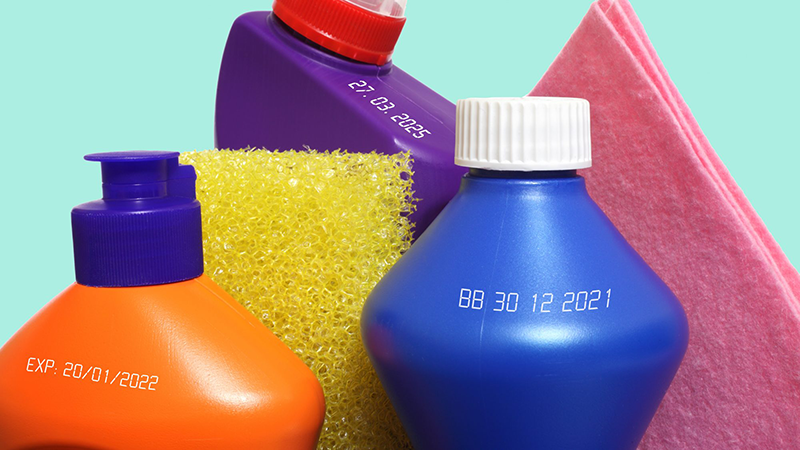
Usually near the label edge, on the neck, lid, or bottom. Some brands use a lot code; when unsure, use the opened timelines above and watch for separation or color change.
Is expired bleach toxic?
No — it is mostly weaker. The risk is false confidence that you disinfected when you did not.
Do disinfectant wipes expire?
Yes. Once the pack dries out or past the printed date, wipe saturation and kill claims are unreliable. Close packs tightly between uses.