
How To Clean Ceramic Tile
To clean glazed ceramic tile, sweep or vacuum grit first (loose sand scratches glaze), then mop with warm water and a mild detergent — or a 50/50 white-vinegar-and-water mix on glazed ceramic only — and finish with a plain-water rinse. For grout, scrub a paste of baking soda and hydrogen peroxide into the lines, wait, brush, and rinse. Vinegar and other acids are fine on most glazed ceramic but must never go on natural stone (marble, granite, slate), which they etch. Skip oil soaps on glazed floors (they leave a dull film), skip abrasives on polished tile, and never mix bleach with ammonia or vinegar.
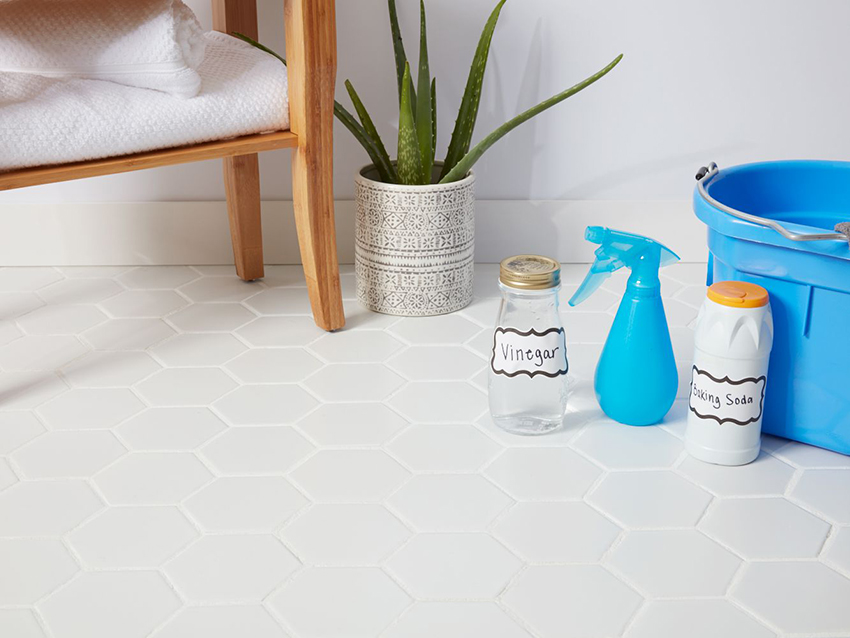
Floors vs walls, showers, and backsplashes
- Floors: sweep or vacuum 2–3 times a week; mop weekly with hot water and mild detergent. Grit is the main enemy of glaze.
- Shower walls: squeegee after each use; weekly spray of ceramic cleaner or 50/50 vinegar and water on glazed ceramic; soft cloth or soft brush; rinse and squeegee dry.
- Bathroom wall / vanity tile: same mild cleaners as above; focus on splash zones.
- Kitchen backsplash: wipe grease regularly with hot soapy water or diluted vinegar on glazed ceramic; for heavy grease, a baking-soda paste (see below).
Confirm the material first. Glazed ceramic is common on walls; shower floors are often porcelain. Natural stone needs pH-neutral stone cleaner only — never acids.
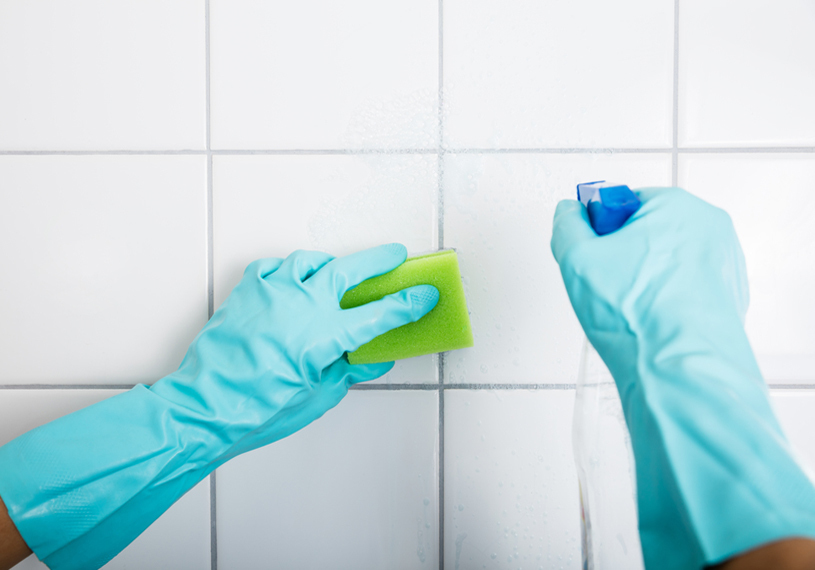
Weekly floor method
- Sweep or vacuum thoroughly — including corners and under toe-kicks.
- Mop with warm water and a small amount of mild dish soap or a pH-neutral tile cleaner.
- Optional on glazed ceramic: follow with a light 50/50 vinegar-and-water pass for film, then rinse with clean water.
- Dry high-traffic paths with a microfiber cloth to reduce spots and slips.
Avoid leaving standing cleaner in grout lines; rinse matters as much as scrubbing.
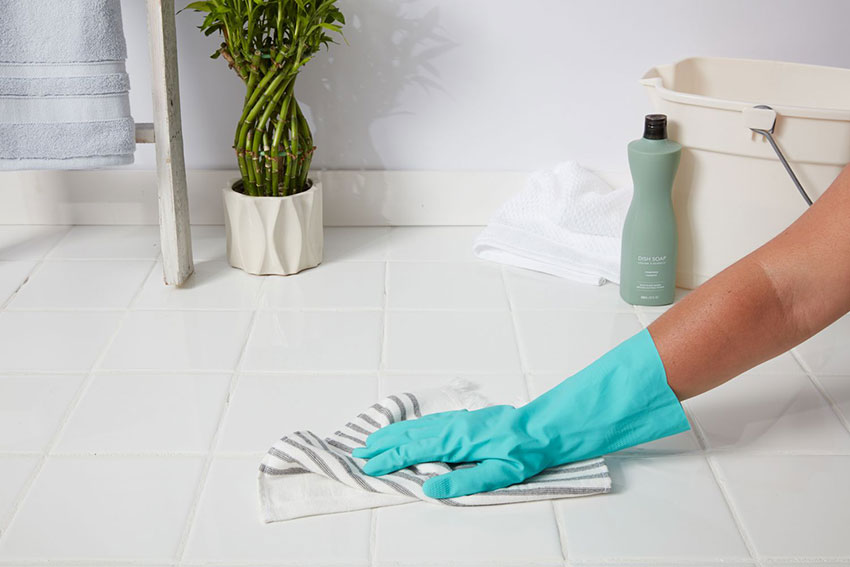
Grout care
Routine mopping skims over recessed grout. Homemade paste that works on most cement grout:
- ½ cup baking soda
- ¼ cup hydrogen peroxide
- 1 tsp dish soap
Make a loose paste, apply to grout, wait 5–10 minutes, scrub with an old toothbrush or nylon nail brush, wipe with clean water. Test peroxide on colored grout first — it can lighten pigment. After cleaning, seal cement grout when dry to slow future staining. For mold in grout lines, see our mold cleaning guide.
Shower grout: use a thicker paste so it sticks to vertical lines; rinse with the showerhead and squeegee dry.
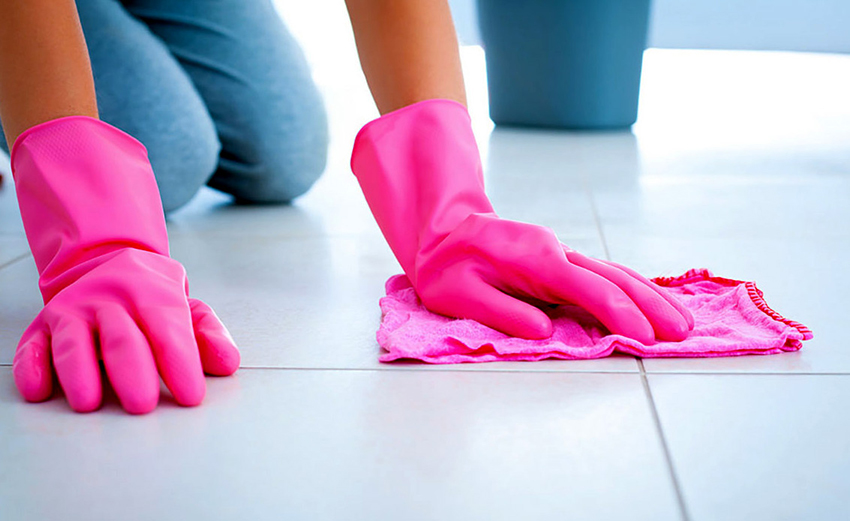
Grout haze after new tile
Cloudy film after grouting is common. Remove it about 2–10 days after grouting — too soon and soft grout damages; too late and haze hardens.
- Try a damp cloth and clean water.
- Use a rubber grout float like a squeegee to lift leftover grout.
- On glazed ceramic only: mist 1 part white vinegar to 4 parts water, wipe with microfiber.
Epoxy grout haze may need a commercial haze remover — follow the product directions.
Steam notes
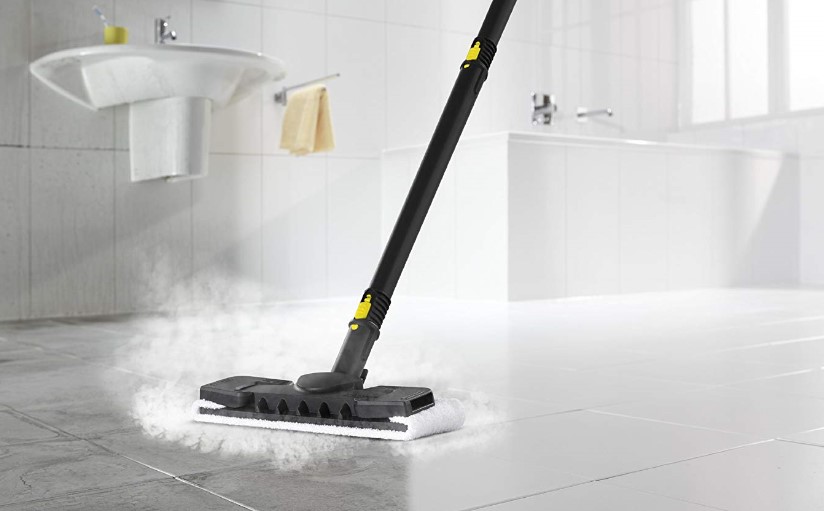
A steam mop can loosen dirt and refresh grout without chemicals on many sealed glazed ceramic floors. Check manufacturer guidance first. Avoid steam on cracked or crumbling grout, unsealed porous stone, or some floating/vinyl-look “tile” products that are not true ceramic. Excess steam can drive moisture into failed grout and underlayment.
Kitchen backsplash deep clean
For greasy splash zones, spread a paste of equal parts warm water and baking soda, let it dry so it pulls grease, then wipe with a wet microfiber cloth and finish with a clean damp cloth. Regular soapy wipes prevent the paste step.
Before sealing
Glazed ceramic usually does not need a tile sealer; cement grout and unglazed/porous tile often do. Clean thoroughly first or you lock stains in. Remove haze, wash with mild soap or a material-safe cleaner, rinse with plain water, and dry completely before sealing.
What NOT to use on ceramic tile
- Oil soap / oily mop solutions on glazed floors — leave a sticky film that attracts dirt and dulls shine.
- Abrasive pads, steel wool, and melamine “magic” erasers on polished or glossy glaze — micro-scratch the finish.
- Undiluted strong acids — can dull glaze; never use acids on natural stone or most unglazed ceramic.
- Routine bleach or ammonia — harsh on grout color and unnecessary for weekly cleaning; never mix them with each other or with vinegar.
- Brightly dyed cleaners — can tint porous grout over time.
Stick to mild soap, diluted vinegar (glazed ceramic only), baking-soda paste, soft cloths, and nylon brushes.
Frequently asked questions
Can I use vinegar on all tile?
Only on glazed ceramic/porcelain that is not stone. Never on marble, limestone, travertine, or other acid-sensitive stone — see marble floor care.
How often should I deep-clean grout?
Every few months in kitchens and baths, or when lines look gray. Sealed grout stretches that interval.
Is porcelain cleaned the same way?
Yes for most glazed porcelain floors — still avoid oil soaps and abrasives on polished surfaces.
For a bathroom or kitchen reset that includes tile, showers, and floors, Pro Housekeepers’ deep cleaning covers the hard-to-reach work while you maintain the weekly mop.