
How to Clean Grout on Floor Tile Without Damaging It
To clean grout on floor tile, identify the tile and grout first, then use a dwell-and-wipe method instead of aggressive scrubbing. Baking soda with a little dish soap or hydrogen peroxide handles many ceramic and porcelain jobs; oxygen bleach helps tougher stains. Skip acids (including vinegar) on marble, limestone, and other natural stone. Seal cement grout after it dries so the next cleanup is easier.
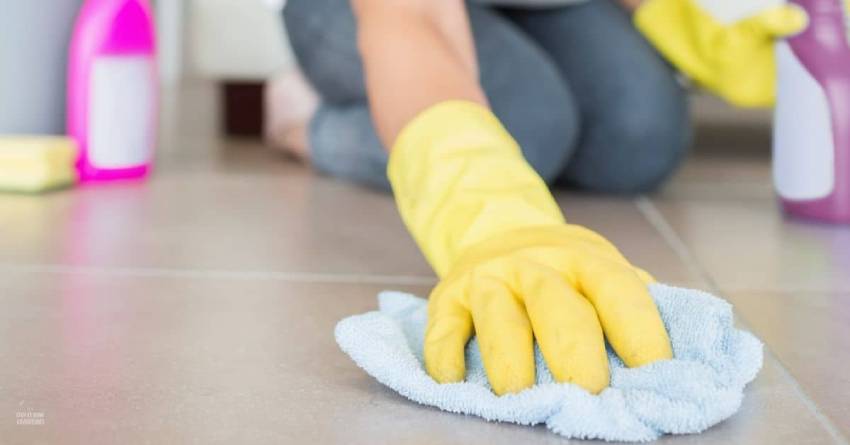
Know the tile and the grout
- Ceramic / porcelain tile: Most DIY methods below apply. Mild acids like diluted vinegar are sometimes used on the grout with care — still rinse well.
- Natural stone (marble, limestone, travertine, some slate): Acid etches stone. Use pH-neutral or stone-safe cleaners only. No vinegar, lemon, or toilet-bowl acid on these floors.
- Sanded cement grout: Common on wider floor joints; wears if you wire-brush it.
- Unsanded cement grout: Narrower joints; still porous until sealed.
- Epoxy grout: Dense and stain-resistant; usually needs only mild cleaner, not sealing.
If you are unsure whether the floor is stone, err toward pH-neutral. Related: how to clean a marble shower.
Gentle all-purpose method (ceramic / porcelain)
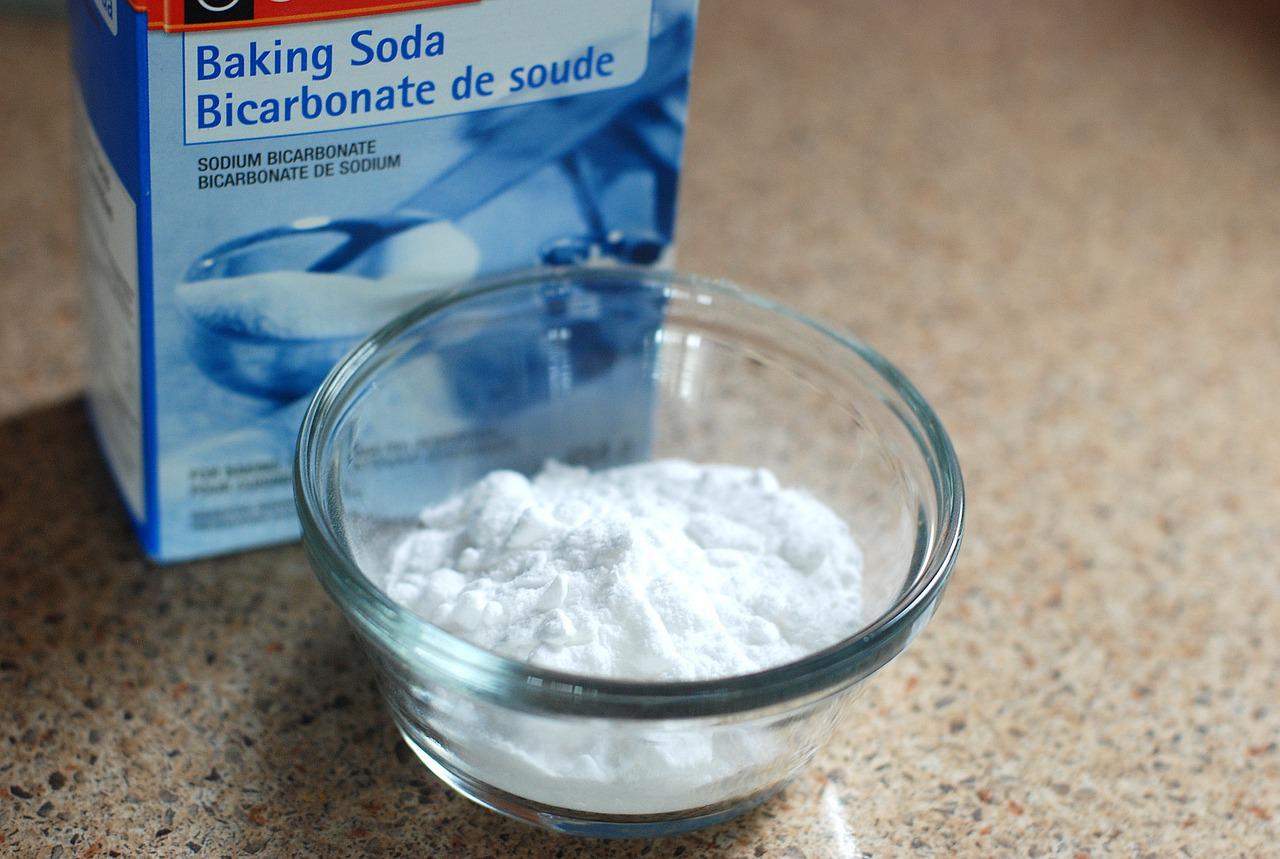
Mix about ⅓ cup baking soda, ¼ cup 3% hydrogen peroxide, and a teaspoon of dish soap into a spreadable paste. Apply along grout lines, wait 5–10 minutes, then wipe with a soft brush or microfiber — do not grind. Rinse with clean water and dry. Test peroxide on colored grout first; it can lighten pigment.
Baking soda alone with dish soap is a milder option when you want less oxidation.
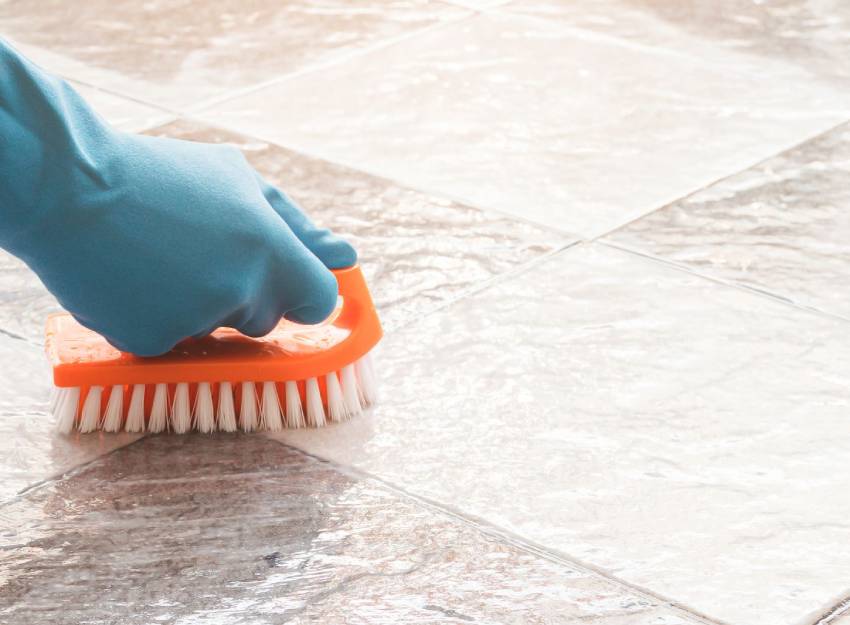
Oxygen bleach vs chlorine bleach
Oxygen bleach (sodium percarbonate — often sold as oxygen bleach or OxiClean-type powders) is the better escalator for dingy cement grout on ceramic/porcelain: dissolve per label in warm water, apply to grout, dwell 10–15 minutes, agitate gently, rinse thoroughly. Wear gloves and ventilate.
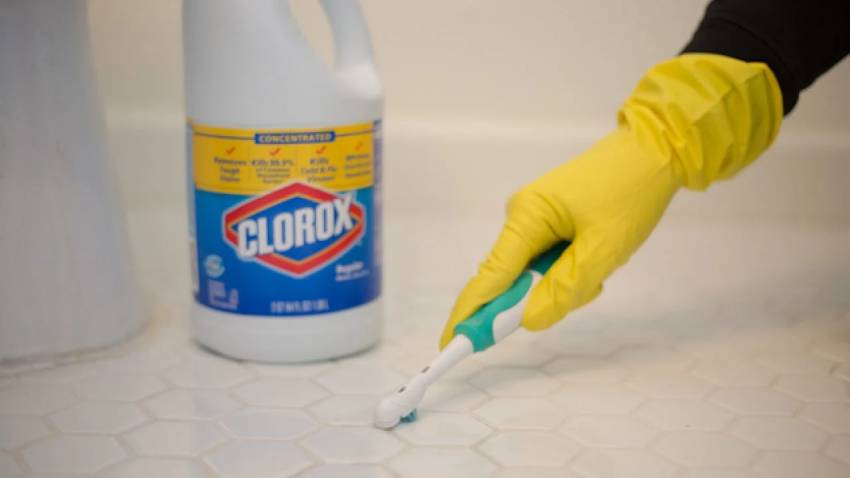
Chlorine bleach is harsher, can discolor colored grout, weakens grout with heavy repeat use, and must never be mixed with ammonia, vinegar, or other cleaners. Prefer oxygen bleach when you need whitening power.
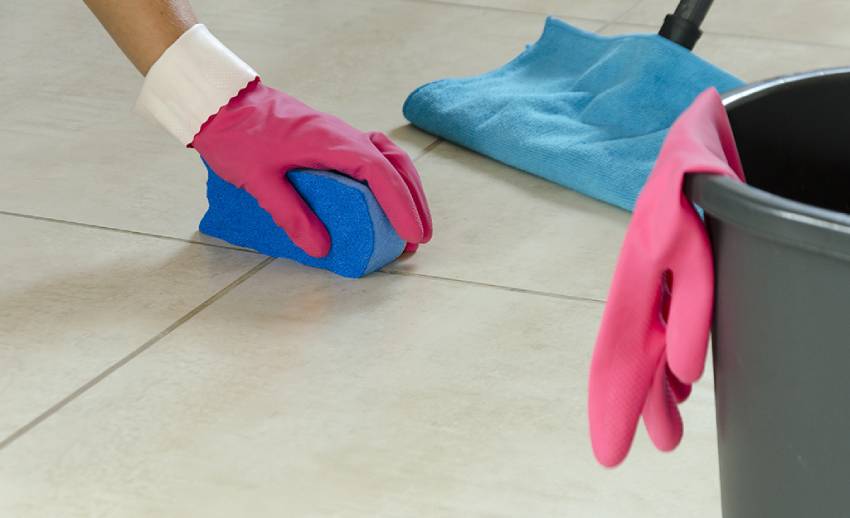
Steam — useful, not magic
Steam cleaners can loosen soil in grout with less chemistry, which is why they show up in pro kits. They are not a cure-all: excess moisture in poorly sealed cement grout is still undesirable, and steam will not permanently “seal” anything. Use manufacturer settings, keep the head moving, and dry the floor afterward. See clean grout with a steam cleaner and how to use a steam cleaner for technique notes.
How to avoid damaging grout
- No wire brushes, sandpaper, or metal scrapers on cement grout
- Let chemistry dwell instead of scrubbing harder
- Do not flood unsealed grout with standing water
- Never mix cleaners “to make them stronger”
- Use microfiber, not shedding paper towels that stick in joints
Seal after cleaning
Once cement-based grout is clean and fully dry, apply a penetrating grout sealer per the product label. Reseal every 1–2 years in wet or high-traffic areas (more often if water darkens the joints quickly). Epoxy grout usually does not need sealer. Sealing does not make dirty grout clean — clean first, then seal.
Frequently asked questions
Can I use vinegar on floor grout?
Sometimes on ceramic/porcelain grout as a short dwell spray, rinsed well. Never on natural stone tile. Never mixed with bleach.
Why is my grout still gray after cleaning?
Deep staining, missing sealer, or actual grout wear may remain. Cleaning lifts soil; it does not always restore original color. Recoloring kits or re-grouting are separate projects.
Is hydrogen peroxide safe on all grout?
It is milder than chlorine bleach but can lighten colored grout — spot-test first.
Start mild, match pH to the stone, rinse well, and seal cement grout when dry. For whole-home floors and baths, Pro Housekeepers’ regular cleaning and deep cleaning keep traffic soil from grinding into joints — and a clean microfiber cloth still beats a wire brush.