
To use a steam cleaner, fill it with distilled water (tap water’s minerals clog the nozzle), let it heat up, sweep or vacuum the surface first, spot-test a hidden area, then pass the steam slowly over the surface and wipe up the loosened dirt with a microfiber cloth. Steam deep-cleans and sanitizes tile, grout, sealed floors, showers, and upholstery using heat alone — no harsh chemicals. Avoid it on electronics, delicate fabrics, and surfaces that heat or moisture can warp, like hardwood, laminate, and waxed floors. Here’s the full room-by-room guide.
June 3, 2026
How to Use a Steam Cleaner Like a Pro
What a steam cleaner is and how it works
A steam cleaner uses hot, pressurized steam to deep-clean and disinfect surfaces — tile, grout, sealed floors, fixtures, and more — with heat rather than chemicals. (These are multi-surface cleaners, not clothing steamers.) They have a canister that heats water and a nozzle, usually with several attachments — brushes, extenders, mop heads — for different tasks.
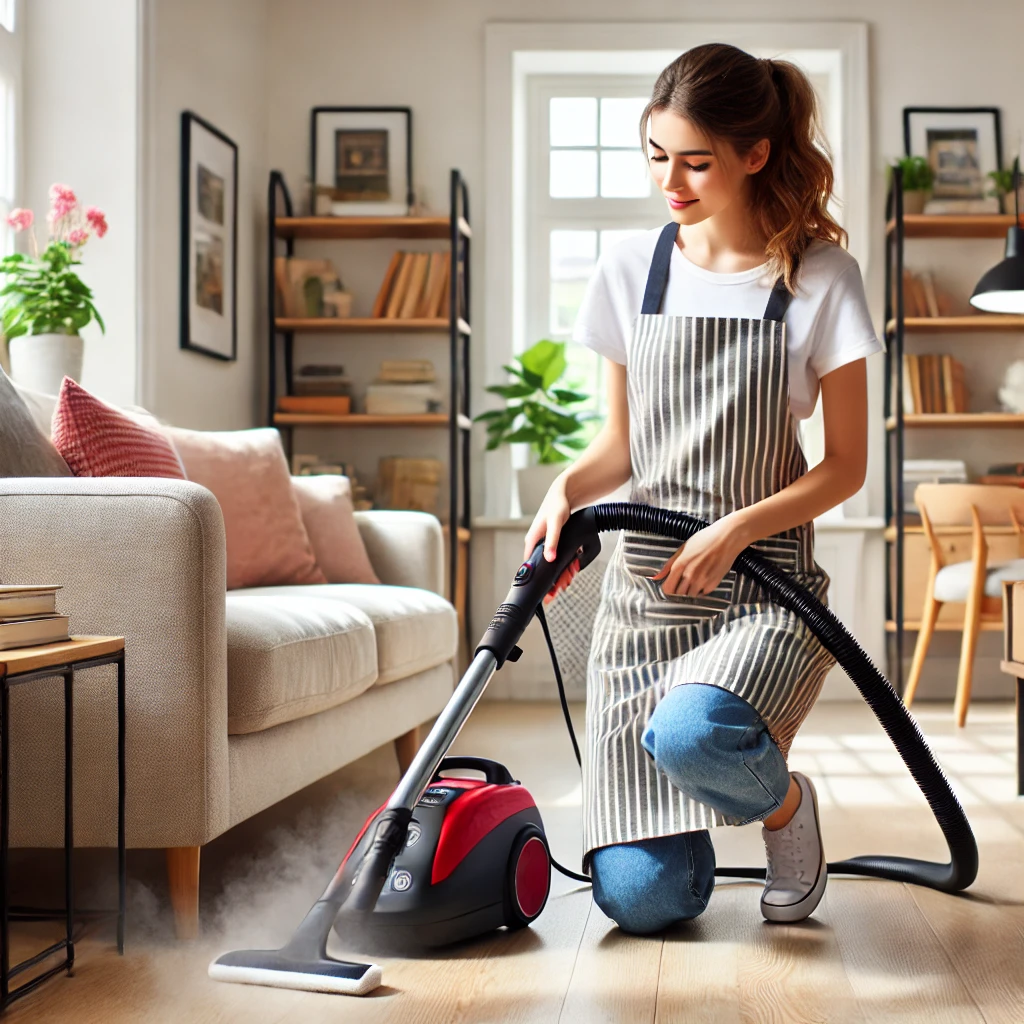
What to use with your steam cleaner
Cleaning Products |
Supplies / Equipment |
Distilled water |
Canister, upright, or handheld steam cleaner |
All-purpose cleaner |
Attachments |
White vinegar |
Microfiber cloths |
Manufacturer-approved detergent |
Broom, mop, or vacuum |
- Use distilled water — tap minerals clog the nozzle over time.
- Don’t pour all-purpose cleaner into the machine, but use it to pre-clean heavy grease before steaming.
- White vinegar can be added to the water only if your manual allows it.
- Attachments include nylon or steel brushes, nozzle extenders, and mop heads.
- Microfiber cloths wipe away the loosened dirt.
- Sweep, vacuum, or mop to clear debris before steaming floors.
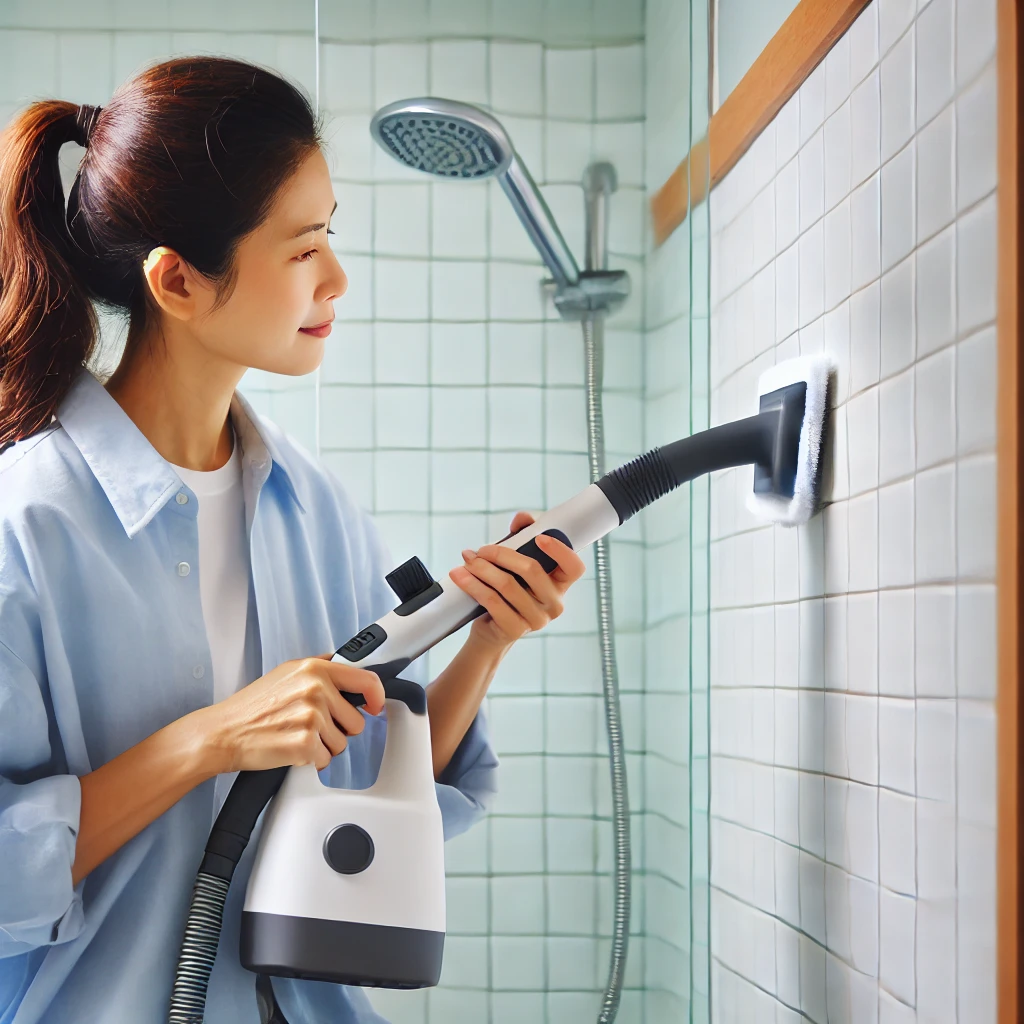
How to steam clean the bathroom
Great for faucets, floors, tile, grout, showers, and tubs.
Step 1: Pre-clean with a sweep or all-purpose cleaner to remove debris.
Step 2: Fill with distilled water, choose the attachment, and let it heat.
Step 3: Test on an out-of-the-way spot first.
Step 4: Steam a small area at a time — floors from one corner outward, showers from the top down so dirty water doesn’t run over clean tile.
Step 5: Wipe away dirty water with a clean microfiber cloth.
Step 6: Go over the whole surface again to finish.
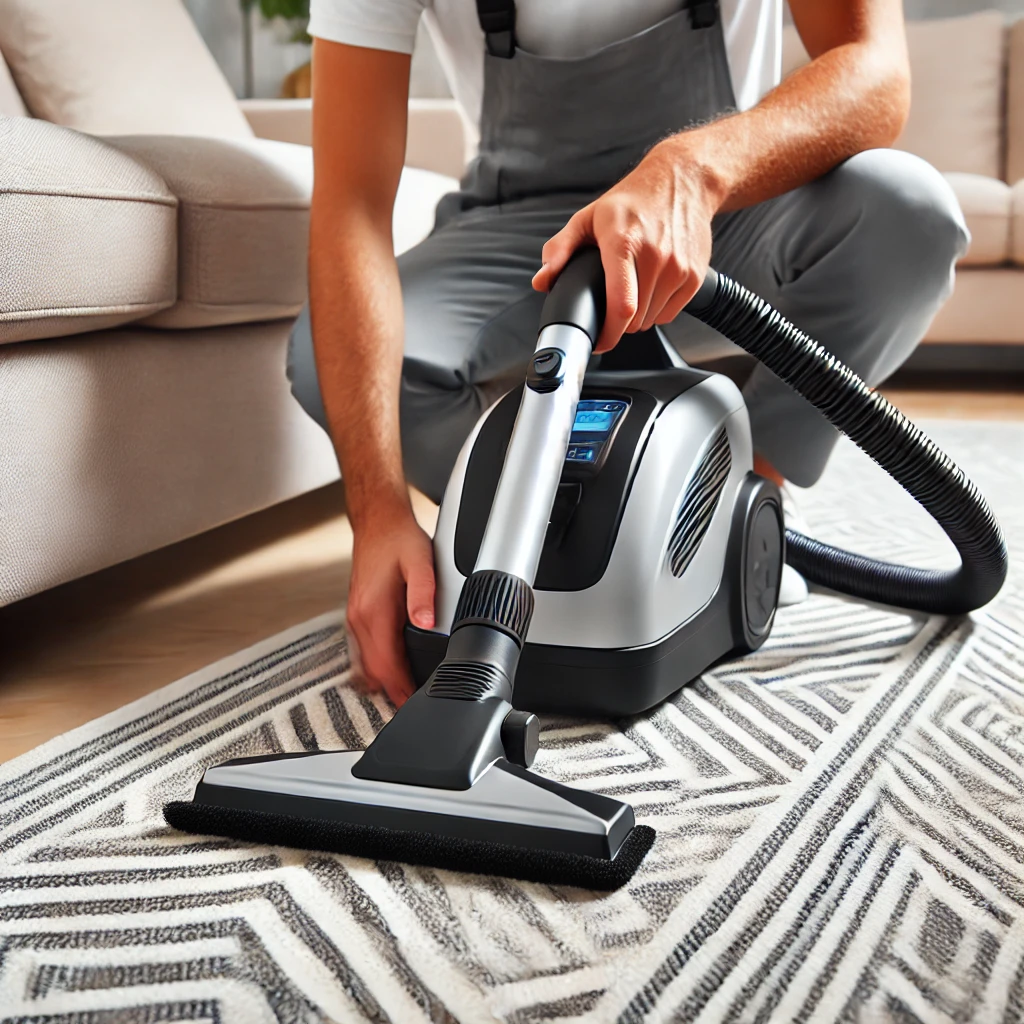
How to steam clean carpet, rugs, and upholstery
Fabric surfaces need different attachments than hard surfaces. The same steps work for carpets, rugs, couches, and upholstery.
Step 1: Fill with water (and manufacturer-approved solution or vinegar), and heat.
Step 2: Vacuum thoroughly first (use an upholstery attachment on furniture).
Step 3: Pretreat stains.
Step 4: Test a hidden area for damage.
Step 5: Work methodically from one corner, passing over each section.
Step 6: Let it dry fully.
The video below shows steaming upholstery. (Note: wool and other delicate natural fibers can be heat-sensitive — check the care label first.)
How to steam clean the kitchen
Useful on faucets, backsplashes, tile floors, grout, and the stove hood.
Step 1: Fill with distilled water (and vinegar if allowed), and heat.
Step 2: Pre-clean heavy grease with an all-purpose or kitchen cleaner.
Step 3: Test each surface first.
Step 4: Steam methodically with the right attachment.
Step 5: Wipe up dirty water with microfiber as you go.
Step 6: Re-clean floors and grout to finish.
See our full guide to steam cleaning grout.
How to choose a steam cleaner
- Match it to your tasks — an upright for carpets, a handheld for showers and backsplashes.
- Pros want a heavy-duty, large-capacity machine; homeowners can use a smaller one.
- Set a budget — smaller models cost far less.
- For tough jobs, choose a higher-pressure (PSI) unit.
Read reviews and watch demos to know what a model can and can’t do.
FAQ
Question |
Answer |
What solution goes in a steam cleaner? |
Usually just distilled water; some specify a detergent, and many allow a water-and-vinegar mix. |
How sanitary is a steam mop? |
Sanitary if you keep the mop head clean — a dirty pad isn’t. |
How hot is the steam? |
Roughly 200-300°F, so handle it carefully and keep it away from skin. |
Where should I NOT steam clean? |
Electronics, delicate fabrics, and surfaces heat/moisture can warp — hardwood, laminate, waxed floors, and unsealed stone. The flooring industry specifically advises against steaming hardwood. |
Steam before or after mopping? |
Sweep first, then steam, then mop up the dirty water. |
Deep clean like a pro
A steam cleaner deep-cleans and sanitizes with heat instead of chemicals, making bathrooms, kitchens, and soft furnishings look like new. Use distilled water, spot-test, and keep it off hardwood, laminate, electronics, and delicate fabrics, and it’ll be one of the most versatile tools in your kit.