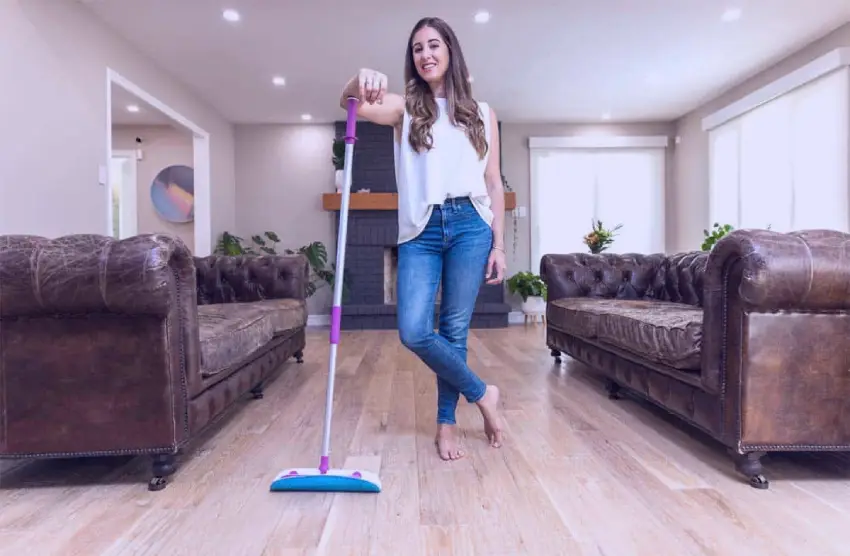
To clean hardwood floors safely, sweep or dust daily with a soft broom or microfiber mop and vacuum weekly using a hardwood attachment (no beater bar). For a deeper clean, damp-mop with a well-wrung microfiber mop using plain water or a pH-neutral cleaner made specifically for wood — keep the mop barely damp, work with the grain, and dry promptly, since standing water is hardwood’s biggest enemy. Avoid vinegar, steam mops, harsh chemicals, and abrasive tools, all of which can damage the finish over time. Always follow your floor manufacturer’s recommendations. Here’s the full guide.
Understanding hardwood floors
“Hardwood floor” covers permanent wood floor coverings made from species like oak, maple, or walnut. Known for their sturdy construction and timeless look, they add both appeal and value to a home and last for years with the right care.
Different types of hardwood floors
The term covers many species, types, and finishes — and the type you have determines how to clean and maintain it.
- Solid wood floors: milled from a single piece of hardwood; sturdy and long-lasting, but they need proper care.
- Engineered wood floors: multiple layers topped with a real hardwood veneer; beautiful and resilient, but they require careful cleaning.
- Prefinished wood floors: come pre-sanded and pre-sealed, making installation and maintenance easier.
- Unfinished wood floors: let you customize the finish, but demand diligent care to preserve their look.
- Oak, walnut, and mahogany: popular for durability and color, each with its own cleaning considerations.
Benefits of hardwood floors
Hardwood floors combine style, durability, and long-term value:
- They can last for generations, making them cost-effective over time.
- Their timeless elegance enhances a home’s appearance.
- Maintenance is straightforward — sweep, vacuum, and occasional deep clean.
- They’re a good choice for allergy sufferers, since they don’t trap debris the way carpet does.
- They don’t harbor dust mites or mold, supporting better indoor air quality.
- They add substantial resale value to a home.
Common problems
Even durable hardwood faces issues worth knowing about:
- Scratches: despite the myth that hardwood is immune to wear, pet claws, high heels, and furniture can easily mar the surface.
- Moisture, sun, and pests: over time floors can warp from moisture or humidity, fade from excessive sunlight, or suffer termite damage. Regular maintenance prevents many of these.
Regular cleaning and maintenance
Daily and weekly habits keep hardwood floors looking their best. Sweep or dust daily to remove dirt and grit that scratch the finish, and use floor protectors under furniture to prevent gouges. For damp cleaning, a well-wrung microfiber mop with water (or a pH-neutral wood cleaner) does the job — just keep it barely damp, never soaking.
Sweeping and dusting
Regular sweeping and dusting are the first line of defense against dust buildup and surface scratches.
- Use a soft-bristle broom or dust mop for daily cleaning.
- A dusting agent that traps dust beats one that just spreads it around.
- Sweep in the direction of the wood grain.
- Avoid hard-bristle brooms that can scratch.
- Switch to a vacuum with a hardwood attachment for weekly deeper cleaning.
Vacuuming
Vacuuming reaches fine dust and pet hair that a broom can leave behind, getting into corners and crevices with less effort.
- It pulls dirt from corners and tiny crevices.
- It removes allergens, pet hair, and fine dust that sweeping misses.
- Always use a floor-brush attachment with the beater bar off to prevent scratches.
- It helps prolong the life and beauty of your floors.
Choosing the right cleaning products
For hardwood, choose a pH-neutral cleaner made specifically for wood floors — ideally one your floor’s manufacturer recommends. These are gentle, non-toxic, and formulated to clean without stripping or dulling the finish. Avoid all-purpose cleaners, anything acidic or alkaline, and oil- or wax-based products unless your manufacturer specifies them.
Using microfiber mops
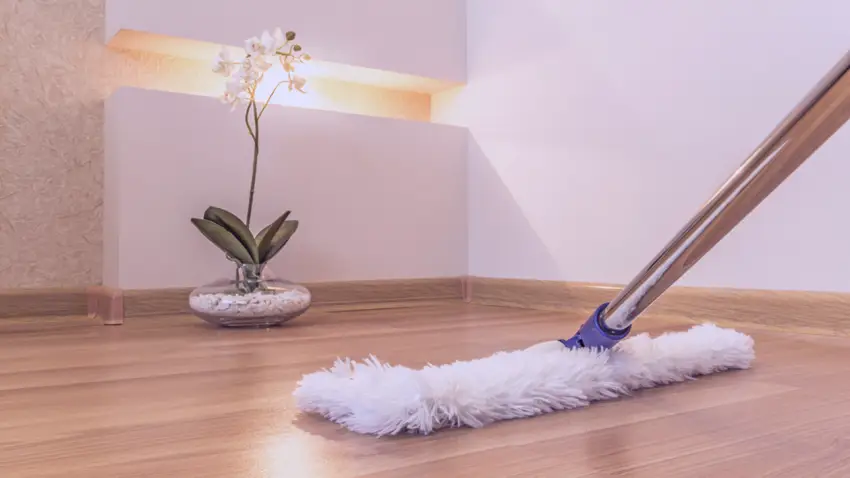
A microfiber mop is the best tool for hardwood. Its split fibers pick up more dirt than a standard mop, its soft texture is gentle on the finish, and — most importantly for wood — it cleans effectively with very little water, reducing the risk of warping. The mop head is machine washable and reusable, so it’s also a greener choice than disposable pads.
Deep cleaning hardwood floors
A periodic deep clean tackles the ground-in grime that daily sweeping can’t reach, restoring the floor’s gleam and helping it last.
Preparing the floor
Clear movable furniture so every surface is reachable, then thoroughly dust and vacuum before any liquid touches the floor — this prevents smearing dirt into a muddy film. Use a microfiber mop or soft brush vacuum attachment so you don’t scratch the surface. While you’re at it, check for loose floorboards or protruding nails and address them for safety and a smoother clean.
Methods for deep cleaning
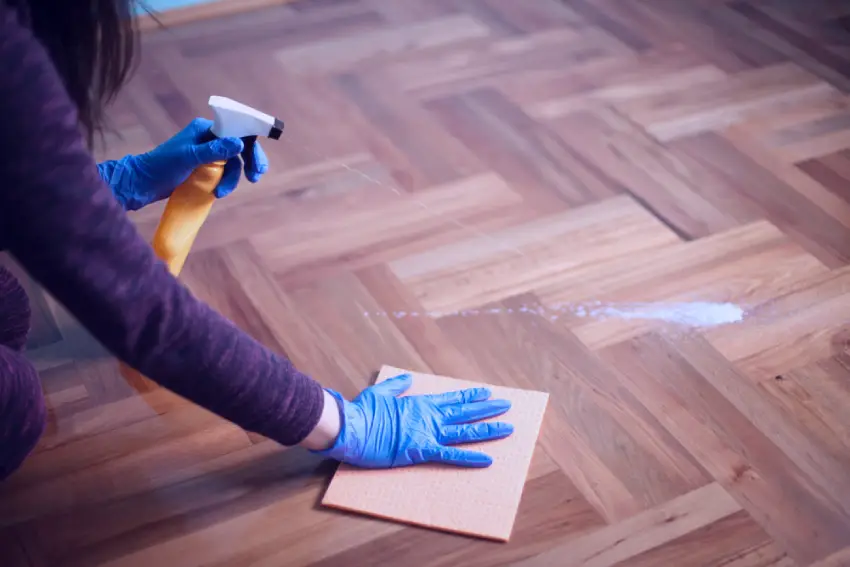
Use a pH-neutral hardwood floor cleaner with a well-wrung microfiber mop, wiping up any excess liquid immediately. For a stubborn spot, a little baking soda paste can help — apply, let it sit briefly, then wipe and dry. Throughout, keep liquid to a minimum to avoid warping or cracking.
A note on steam cleaning
Steam mops are marketed for hardwood, but the major wood flooring associations — including the National Wood Flooring Association — generally advise against them. The concern is that steam forces heat and moisture into the wood and between the boards, where it can cause warping, cupping, and finish breakdown, and most hardwood warranties exclude steam damage. Unless your floor’s manufacturer specifically approves steam cleaning, it’s safest to stick with dry and barely-damp methods.
Tough stains and spills
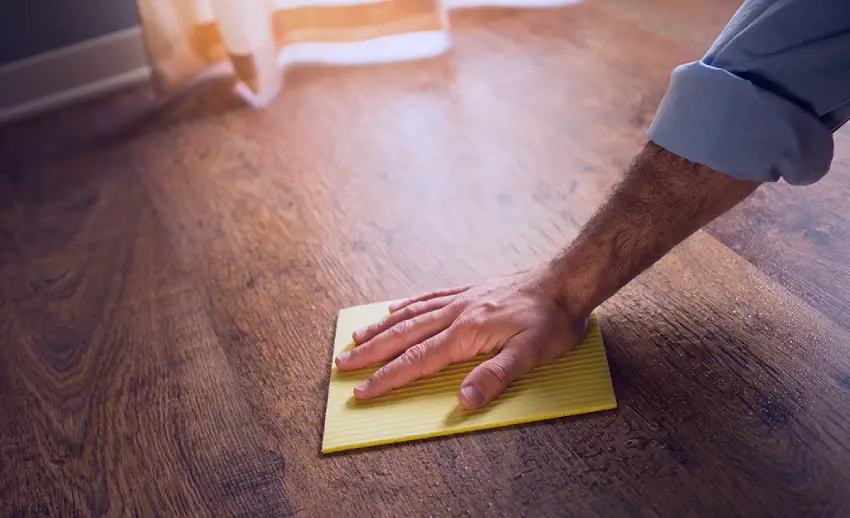
For stains on hardwood, a wood-safe stain remover is worth the investment — always test it on a hidden area first to check for discoloration. For spills, blot immediately and gently so liquid doesn’t seep into the grain, and avoid excess water or liquid cleaners, which cause swelling and warping.
What about vinegar and homemade cleaners?
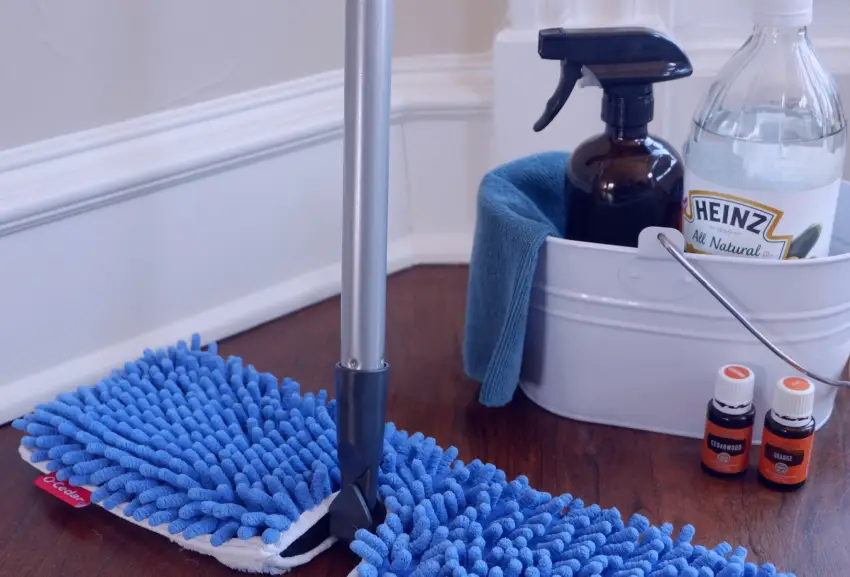
Vinegar is one of the most common DIY cleaning suggestions you’ll find — but for sealed hardwood floors, it’s not recommended. The National Wood Flooring Association specifically advises against using vinegar on wood flooring: it’s acidic, and even diluted it can gradually break down the protective finish, leading to cloudiness, streaks, and a dulled surface over time (the effect is worse on waxed or oil-treated floors). Because that damage builds up slowly, many people don’t notice until the finish is already compromised.
If you prefer a natural approach, the safest “homemade” method is simply a barely-damp microfiber mop with plain water for routine cleaning, followed by drying. For anything more, a pH-neutral cleaner formulated for wood floors is the better choice — it’s designed to preserve modern polyurethane and oiled finishes rather than wear them down. When in doubt, check with your floor’s installer or manufacturer.
(If you’ve been cleaning with vinegar and your floor still looks good, you don’t need to panic — just switch to a wood-safe method going forward. Vinegar remains a great cleaner for plenty of other surfaces around the home, just not sealed wood floors.)
Frequently asked questions
What’s the best thing to clean wood floors with? A pH-neutral cleaner made specifically for hardwood, used with a barely-damp microfiber mop. These clean effectively without damaging the finish.
Is it OK to mop wood floors with water? Yes, with a damp — not wet — mop, and don’t leave standing water on the floor. Dry it promptly to prevent warping.
What should you not clean hardwood floors with? Avoid vinegar and other acids, harsh or all-purpose cleaners, abrasive tools, steam mops, and excess water — all can strip the finish, scratch, or warp the wood.
How do I deep clean hardwood floors? Dust and vacuum first, then use a wood floor cleaner with a well-wrung microfiber mop or soft-bristle brush, working with the grain. Wipe up excess liquid and dry thoroughly.
How do I clean hardwood floors naturally? The safest natural method is a barely-damp microfiber mop with plain water, dried promptly. Avoid vinegar, which the National Wood Flooring Association advises against for wood.
How often should I clean hardwood floors? Dust or sweep daily, damp-clean every week or two depending on foot traffic, and deep clean every few months.
Always follow the manufacturer’s recommendations for your specific floor, and test any new cleaner or method on a small, inconspicuous area first. With the right approach, your hardwood floors will look beautiful for years to come.