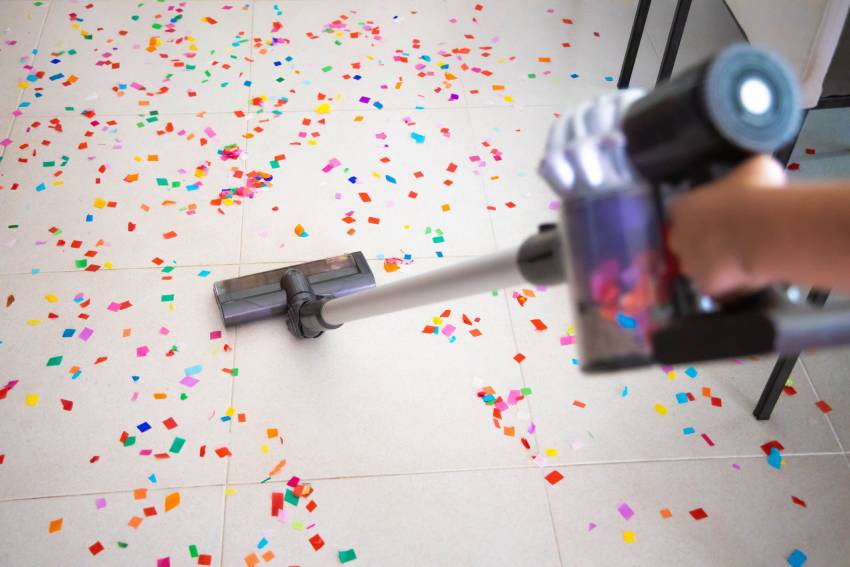
To clean a vacuum cleaner, first unplug it (or remove the battery). Empty the dust cup or bag, then wash the canister with mild dish soap and warm water and let it dry fully. Check and clean the filters — some are washable (let them air dry completely before reinstalling, which can take 24+ hours), others need replacing on a schedule. Cut tangled hair off the brush roll with scissors, and check the hose and attachments for clogs. Wipe the exterior with a damp microfiber cloth. Do this regularly — every month or two for filters and the brush roll — and a vacuum can last for many years. Here’s the full guide.
How To Clean a Vacuum Cleaner
Why cleaning your vacuum matters
If your vacuum doesn’t pick up like it used to, the problem usually isn’t the motor wearing out — it’s a clogged filter, an overfull bag, or a hair-wrapped brush roll restricting airflow. A vacuum that can’t move air can’t pick up dirt, and forcing a clogged or tangled machine to keep running is what actually burns out motors. Regular cleaning restores suction and dramatically extends the vacuum’s life. Not all vacuums are the same, so cleaning details vary — always check your manual — but the principles below apply across the board.
Safety first: always unplug a corded vacuum (or remove the battery on a cordless model) before cleaning it — especially before reaching near the brush roll with scissors or your fingers. You don’t want it powering on while your hand is in it.

Types of vacuums
A quick look at the types of vacuums so you can match the right process:
- Upright vacuums — popular and self-contained, with a bag or dust cup, good for carpets, and a hose with attachments.
- Canister vacuums — a two-part design with a canister on wheels that trails behind a wand; versatile on stairs and bare floors.
- Handheld vacuums — small, often cordless, for cars and tight spots.
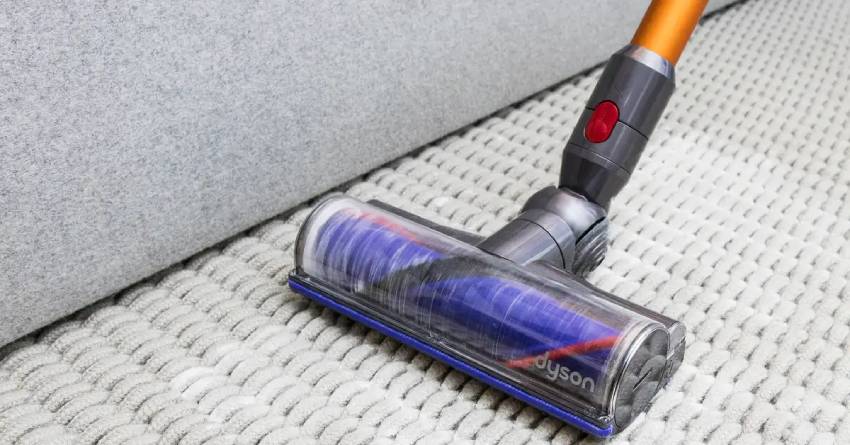
- Cordless / stick vacuums — cordless and lightweight, like a slimmer upright, great for quick cleanups; smaller dust capacity.
- Robot vacuums — small disc-shaped units that clean autonomously; small bins that need frequent emptying.
- Central vacuums — built into the home’s structure with a large canister in the garage or basement; you just connect a hose at wall inlets.

What you can use to clean a vacuum
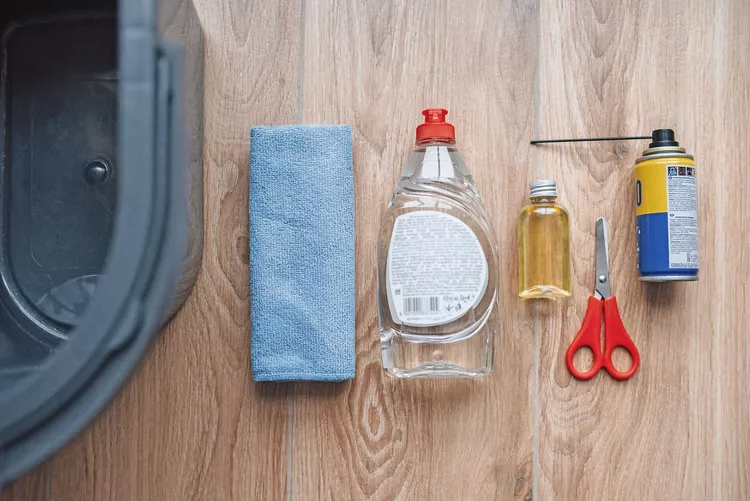
You don’t need special products — in fact, harsh store-bought cleaners can deteriorate plastic and rubber parts. A simple kit:
- An old toothbrush (for dust in small crevices)
- Scissors or a seam ripper (for hair tangled on the brush roll)
- A non-shedding microfiber cloth, dampened
- Mild dish soap and warm (not hot) water
- Compressed air or another vacuum (for dust you can’t reach)
- A flashlight (for spotting clogs in the hose)
Avoid hot water (it can warp or melt plastic parts) and avoid paper towels inside the machine (they shed and can lodge in the works). A damp microfiber cloth is the safest all-purpose tool.

How to deep clean a vacuum, step by step
Do a thorough clean every few months (more often with pets or heavy use), and empty the bin and check the brush roll far more frequently. This covers upright and canister vacuums; adapt for your model.
Unplug the vacuum (or remove the battery) before you start.
1. Empty and wash the bin or replace the bag
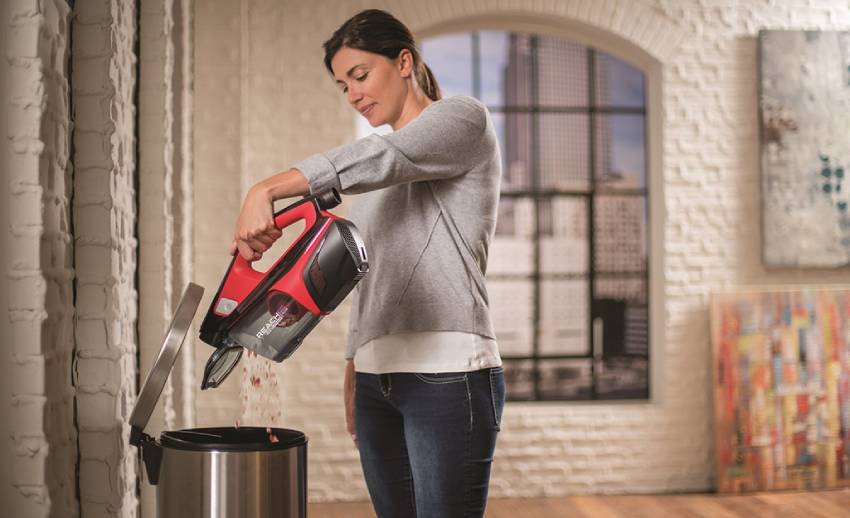
Empty the dust cup or bagged contents into a trash bag (do this outdoors or over the bin to avoid a dust cloud). For a bagless dust cup, wash it with mild dish soap and warm water, then — importantly — let it air dry completely before reattaching. Reassembling a damp bin invites mold and mustiness.
Why it matters: an overfull bin or bag restricts the airflow the machine needs, which kills suction and strains the motor. Empty bagless bins when they’re about two-thirds full, and don’t let bags overfill.
2. Clean or replace the filters
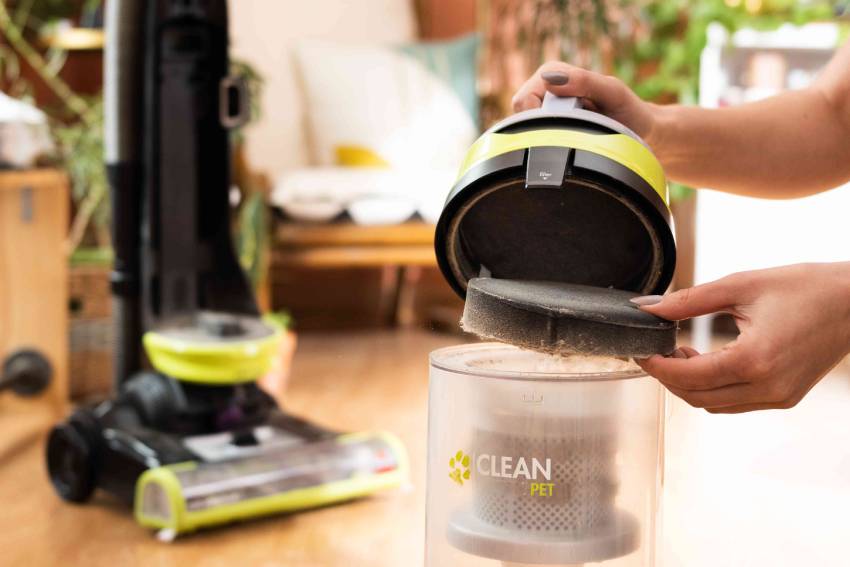
Filters are the most-neglected part and the most common cause of lost suction. Check your manual: some filters are disposable and replaced on a schedule; others (including many HEPA and foam filters) are washable. For washable filters, rinse under cool water until the water runs clear, then let them dry completely — often 24 hours or more — before reinstalling. A damp filter reinstalled too soon grows mold and can damage the motor. Never put a washable filter back wet, and never wash a filter that the manual says is dry-clean or replace-only.
Why it matters: a clogged filter is the number-one reason a vacuum loses suction gradually over time.
3. Check the hose and attachments for clogs
Disconnect the hose and attachments and shine a flashlight through them. Clogs (often from picking up something too big) usually lodge in the hose. Dislodge them with a broom handle or a straightened wire hanger fed gently through, or run water through a detached hose (then dry it fully before reattaching).
4. Clear the brush roll
With the vacuum unplugged, turn it over and look at the brush roll (the spinning bristled bar). Hair, thread, and fibers wrap around it over time. Cut through the tangles with scissors or a seam ripper and pull them off — take care to cut the hair, not the bristles. Many brush rolls pop out for easier cleaning; check your manual. Wipe it down before replacing.
Why it matters: a hair-bound brush roll can’t groom the carpet, and the strain of forcing it to spin can break the belt or burn out the motor.
5. Wipe the exterior
Finish by wiping the body, handle, and cord with a damp microfiber cloth. Let everything dry, then reassemble.

Frequently asked questions
Can you wash the inside of a vacuum?
Only the removable bin or dust cup, and washable filters — with mild dish soap and warm water, dried completely before reassembly. Don’t get the motor housing or electrical parts wet, and don’t use hot water (it can warp plastic). When in doubt, wipe with a barely-damp microfiber cloth rather than washing.
How do you clean a smelly vacuum?
Odor usually means trapped moisture, old debris, or a dirty filter. Empty and wash the bin, clean or replace the filter, and clear the brush roll. To freshen, sprinkle a little baking soda in the empty bin and let it sit, then wipe out. You can also buy scented vacuum-filter granules made for this. Avoid harsh store-bought chemicals inside the machine.
How do you clean a handheld vacuum?
Same principles, shorter process. Unplug it or remove the battery, remove and empty the dust container, wash it with mild soap and water, and let it dry completely. Clean or replace the small filter per the manual, clear any hair from the brush if it has one, and wipe the exterior. Reassemble once everything is dry.
How often should I clean my vacuum?
Empty the bin after most uses (or before it’s two-thirds full). Check the brush roll for hair every week or two. Wash or replace filters every 1-3 months depending on use and the manual. Do the full deep clean every few months. This is far more often than most people clean their vacuums — and it’s the difference between a vacuum that lasts three years and one that lasts fifteen.

Proper care pays off
A well-maintained vacuum can last for many years — some last decades. Just because the vacuum cleans for you doesn’t mean it doesn’t need cleaning itself. The big three: empty the bin regularly, keep the filters clean (or replaced), and detangle the brush roll before it strains the motor. Get ahead of that awful gurgling, suction-dropping moment by doing a little maintenance along the way, and unplug the machine every time before you reach inside.