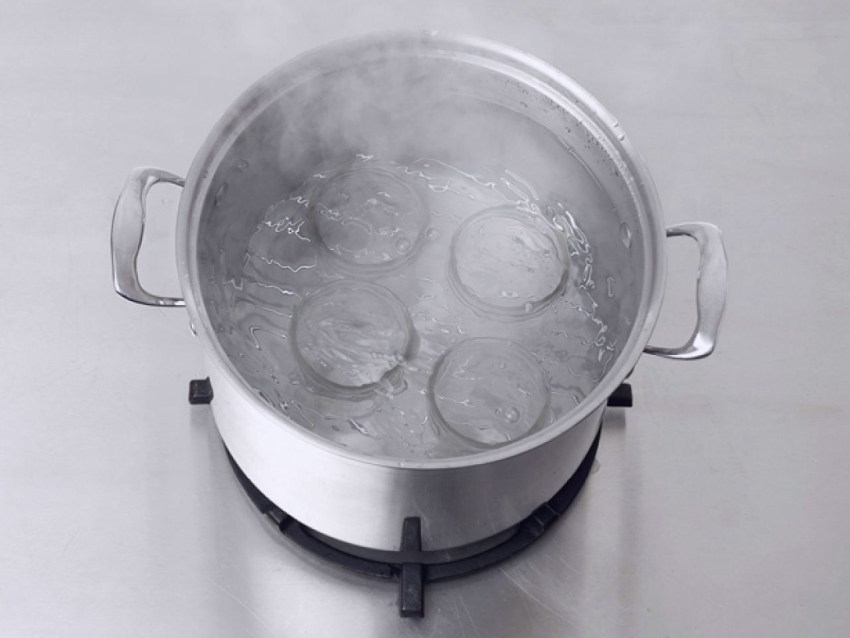
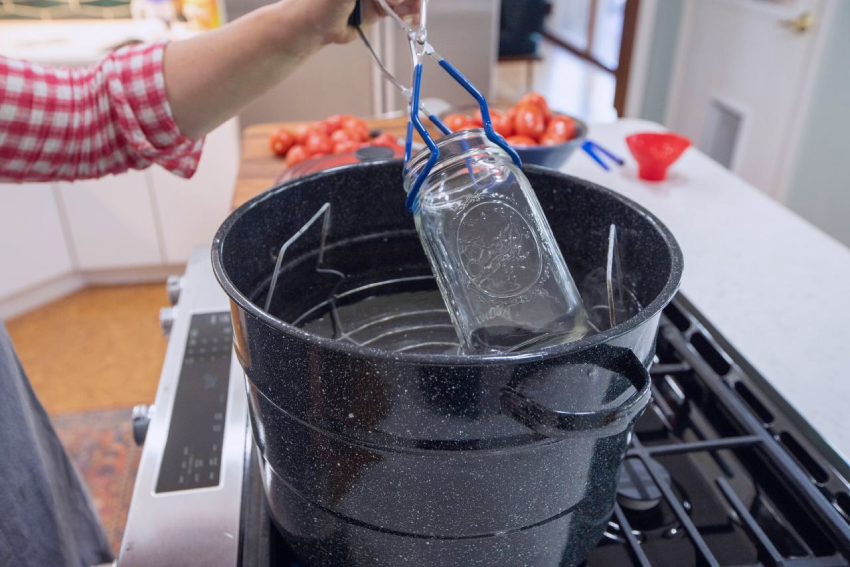
To sterilize Mason jars, stand the clean empty jars upright on a rack in a large pot or boiling-water canner, fill the jars and pot with water to one inch above the tops, and boil for 10 minutes (adding one minute for every 1,000 feet above 1,000 feet of elevation). Remove them with a jar lifter onto a clean surface. You only need to do this if your canning recipe processes for less than 10 minutes — longer processing or pressure canning sterilizes the jars during processing.
Who doesn’t love a Mason jar? They suit vintage decor and do everything from canning garden tomatoes to holding a bouquet to serving iced tea on a summer porch. Whether you’re a DIYer starting on jam, a pro housekeeper sterilizing jars for a client, or just wondering whether this is a job to hand off, this guide walks through the whole process.
A brief history of the Mason jar
The Mason jar was invented by John Landis Mason in 1858. Designed for canning, it was later produced in huge numbers by the Ball Corporation. Since then, Ball Mason jars have become more than a practical canning tool — they’re a genuine design phenomenon.
The jar’s most revolutionary feature was its airtight seal, the first resealable glass jar, which took the danger out of preserving food.
Today, Mason jars are still used to preserve food, but they’ve also become a popular home decor item, available in an array of colors and sizes.
What do you need to sterilize Mason jars?
You won’t need much in the way of supplies or cleaning products to sterilize Mason jars for canning.
Cleaning supplies |
Equipment |
Dish detergent |
Glass canning jars (Mason jars) |
Sponge |
Boiling water canner or a large pot with a rack |
|
Kitchen tongs or a jar lifter |
|
Clean dishcloths or towels |
Before you start, make sure you’ve cleaned your:
- Countertops
- Dishcloths
- Pot/canner
The last thing you want is an unclean work surface transferring bacteria back onto your freshly sterilized jars.
Do Mason jars need to be sterilized before canning?
Mason jars don’t need sterilizing if you’ll process them for 10 minutes or more, or if you’re pressure canning — the processing itself kills harmful bacteria and makes the contents safe to eat.
You do need to sterilize Mason jars if your recipe processes the filled jars for less than 10 minutes. Even when sterilizing isn’t required, heating the jars first is the best way to prevent them from cracking when you add hot food — and this method works if you want to sterilize Mason jars without a dedicated canner, too.
How do you sterilize Mason jars in boiling water?
The method approved by the National Center for Home Food Preservation is to sterilize Mason jars in boiling water. Follow these steps.
Step 1: Place a rack at the bottom of a large stainless steel pot at least two inches taller than your jars, or use a boiling water canner if you have one. The rack keeps the jars from bouncing into each other and breaking.
Step 2: Fill the jars with water, then fill the pot so the water sits one inch above the tops of the jars.
Step 3: Put the pot on the stove over high heat. When the water reaches a rolling boil, start timing.
Step 4: Boil the jars for 10 minutes if you’re at 1,000 feet of elevation or less. For higher altitudes, add one minute of boiling time for each additional 1,000 feet.
- 1,000 to 2,000 feet: boil for 11 minutes
- 2,000 to 3,000 feet: boil for 12 minutes
- 3,000 to 4,000 feet: boil for 13 minutes, and so on
The extra time is needed because water boils at a lower temperature as elevation increases.
Step 5: Turn off the heat and let the jars cool. You can leave them in the water for up to an hour if you need time to prepare food for canning.
Step 6: Using tongs or a jar lifter, gently remove each jar, empty it, and set it on a clean surface to dry. Don’t use dirty towels or place jars on a dirty counter, or you’ll risk contamination.
For an overview of the process, check out the video below.
How do you sterilize Mason jars in the oven?
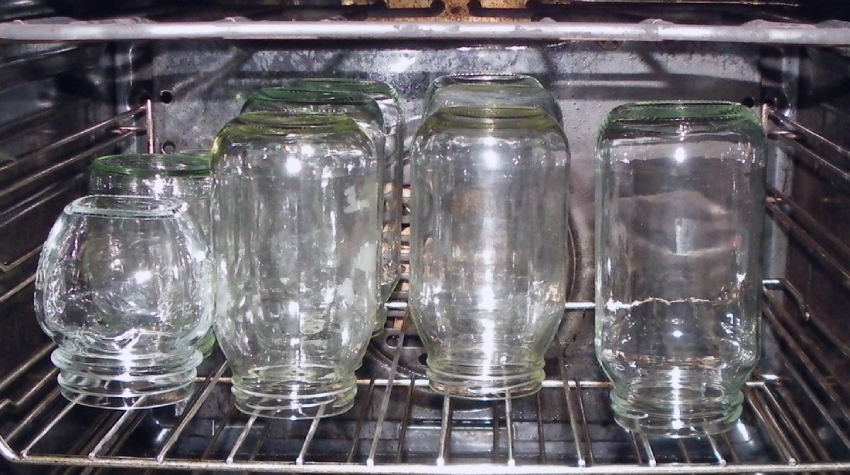
You may also read about sterilizing Mason jars in the oven. This method gets some attention, but it isn’t recommended by the FDA and may not be as safe as boiling. Here are the steps if you choose it.
Step 1: Preheat your oven to 275°F.
Step 2: Wash your Mason jars with soap and hot water.
Step 3: Rinse each jar, but don’t dry it.
Step 4: Place the rinsed jars on a baking sheet.
Step 5: Put the baking sheet in a clean oven and bake for 10 minutes.
Step 6: Set the jars on a clean surface and keep them warm until you’re ready to fill them.
Again, the FDA hasn’t approved this method. Some people prefer it, and it may suit someone who can’t lift a heavy pot of water.
How do you sterilize Mason jar lids?
It’s a common mistake to think Mason jar lids (the two parts: the flat sealing lid and the ring that holds it on) must be sterilized the same way as the jars. They don’t.
- The sealing compound on the lid is what creates the airtight seal that keeps contaminants out of your food.
- Boiling can damage that fragile sealing surface.
- If the seal isn’t airtight, bacteria can thrive.
Here’s how to properly prepare Mason jar lids for canning.
Step 1: Place both the lids and rings in hot, soapy water.
Step 2: Wash each one with a clean dishcloth or sponge.
Step 3: Rinse the clean lids and rings in hot water.
Step 4: Set them on a clean surface to dry.
If you’re worried about not boiling the lids, you can increase your recipe’s processing time by one minute to ensure they’re free of contaminants.
Frequently asked questions about sterilizing Mason jars
Question |
Answer |
Do Mason jars need to be sterilized for canning? |
Only if your recipe’s processing time is less than 10 minutes. Longer processing times reliably kill bacteria. |
What’s the simplest way to sterilize Mason jars? |
The easiest and safest way is to boil them in a large pot or canner. |
Can you sterilize Mason jars without boiling? |
There are other methods, like the oven or microwave, but the FDA has approved only the boiling method as safe. |
Is it safe not to sterilize Mason jar lids? |
Yes. You don’t need to sterilize the lids — boiling can damage the sealing compound, and the lid doesn’t contact the food directly. |
Final thoughts
Whether you’re preserving tomato sauce for winter or making jams and jellies as gifts, these Pro methods help DIYers and professional cleaners get Mason jars ready to use — and free of bacteria.