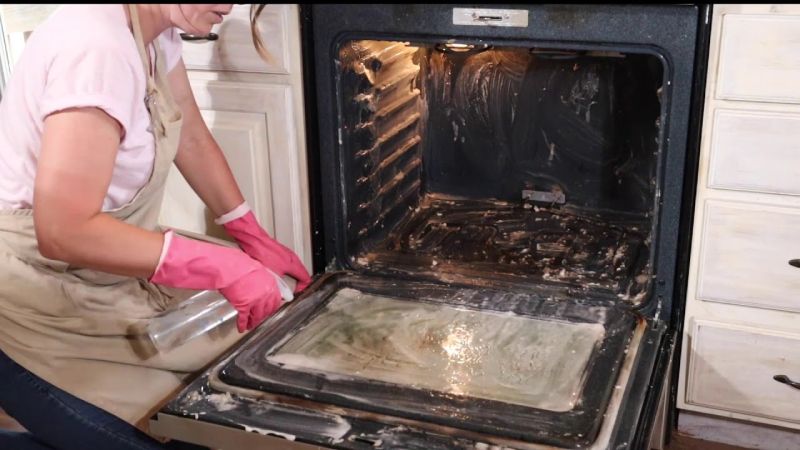
The most reliable oven-cleaning hack is the simplest one: spread a paste of baking soda and water inside a cool oven, leave it overnight (about 12 hours), wipe it out the next morning, and use a damp cloth with a little white vinegar to lift any residue. For the glass door, a wet dishwasher tablet rubbed gently over the inside breaks down baked-on grease. A small pan of lemon and water baked at low heat softens grime through steam for an easier wipe-down. Fresh spills lift easily if you cover them with salt while the oven cools. For self-cleaning ovens specifically, avoid commercial oven cleaners (they can damage the pyrolytic enamel coating) and stick to the gentler methods below or the self-clean cycle itself. Here are the hacks worth knowing — and one popular one to skip.
Crazy Oven Cleaning Hacks That Just Make Life Easier

Why your oven gets so dirty
Every time you cook, splatters and drips collect on the floor and walls of the oven. Heat bakes that residue on, and over time it builds up. A dirty oven isn’t just unpleasant — heavy grease buildup is a real kitchen fire risk (oven fires from accumulated grease are a documented cause of house fires), it smokes when you preheat, and it can affect how your food cooks and tastes. Regular cleaning prevents the buildup that takes hours to remove later.
So how do you get burnt-on stuff off the bottom of the oven?
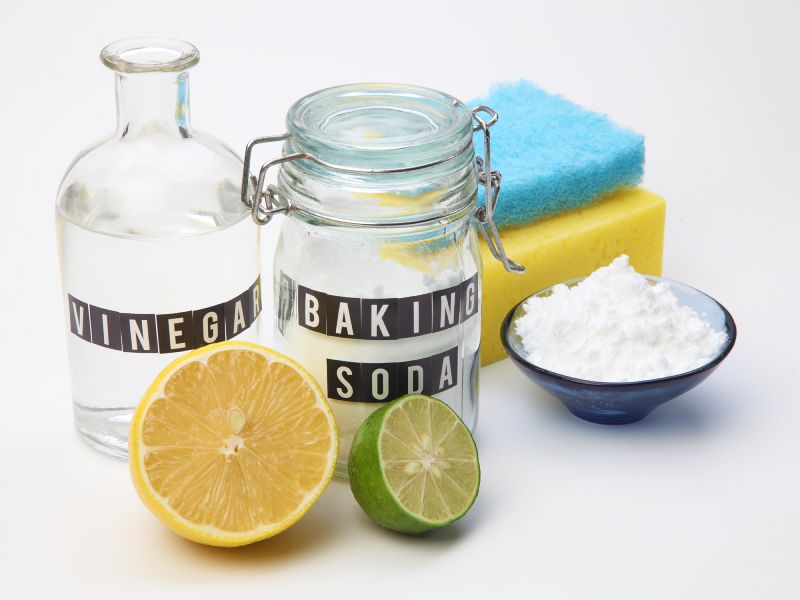
The good news is the materials list is short:
- Baking soda
- Water
- White vinegar
- Rubber gloves
- A sponge or microfiber dishcloth
- A vacuum (for crumbs only — see below)
A note on self-cleaning ovens: these methods are gentle enough for self-cleaning ovens too. The one thing to avoid in a self-clean oven is commercial oven cleaner (Easy-Off and similar) — the harsh ingredients can damage the special pyrolytic enamel coating, and manufacturers warn against it. Stick to baking soda, or just run the self-clean cycle itself. (See our self-cleaning oven guide for the full cycle process.)

The best oven-cleaning hacks
Start with the crumbs
Before any cleaner, pick up loose crumbs and debris — trying to scrub them away with cleaner just makes a paste of crumbs that’s harder to remove. Use a small dustpan and brush, or a shop vac on dry debris only. Don’t vacuum greasy residue with a household vacuum — you’ll just clog the filter and spread the smell, and on warm residue you risk damaging the vacuum.
Baking soda overnight (the workhorse method)
Baking soda is alkaline and mildly abrasive — it loosens carbonized food via mild abrasion and saponifies grease (turning fats into a soap-like substance that lifts away with water). This is the most reliable home method for a thoroughly grimy oven. Plan ahead, though: it needs about 12 hours.
Step by step
- Make sure the oven is fully cool (not warm). Remove the racks and set them aside on old towels or newspaper — they’ll be cleaned separately.
- Mix about ½ cup of baking soda with enough water to form a spreadable paste — think slightly thick yogurt consistency. Adjust as you go (more baking soda for thicker, more water for thinner).
- Put on rubber gloves and spread the paste across the inside of the oven — walls, floor, and inside of the door. Avoid the heating elements (top broiler element and bottom bake element), the fan opening in convection ovens, and any visible vents. Apply extra paste on heavily soiled areas.
- Leave it on for about 12 hours (overnight is the easy way). While it works, clean the racks: soak them in a tub or large sink with hot water and a few squirts of dish soap for an hour, then scrub with a non-abrasive sponge. (See “oven rack cleaning” below for the popular ammonia-bag method — and why it’s worth skipping.)
- Wipe out the paste with a damp sponge or microfiber cloth, taking out the loosened residue with it. A toothbrush helps in corners.
- Lightly spray any remaining baking soda residue with white vinegar in a spray bottle — the fizz is harmless and helps lift the last bits, and the vinegar mildly cuts water spots. Wipe clean.
Note on the vinegar+baking-soda combo: when sprayed onto residue, the foam helps lift remaining baking soda, but the two largely neutralize each other chemically — you’re not getting any super-cleaning power from mixing them. The benefit is sequencing: baking soda paste does the cleaning, vinegar rinse removes the residue.

Faster alternatives when you don’t have 12 hours
Dishwasher tablet on the glass door
Dishwasher tablets contain mild abrasives and degreasers that work brilliantly on the inside of an oven door window — the area that always seems to look terrible even when the rest of the oven is clean.
- Make sure the oven (and door) is fully cool. Put on rubber gloves — the tablet softens against your skin if held too long.
- Hold a powder-filled dishwasher tablet (not a gel pod) and dip it briefly in warm water to wet it.
- Gently rub it back and forth on the inside glass door. The grease film comes off as the tablet dissolves.
- Wipe clean with a damp microfiber cloth, then dry. Use a second tablet if needed for heavy buildup.
Use this only on the glass — not on heating elements, fan housings, or any internal coatings.

Lemon and water steam clean
This is a gentle method that uses steam to soften baked-on grime so it wipes away easily. Especially good if you don’t want to apply paste to the inside of the oven and you have lighter buildup.
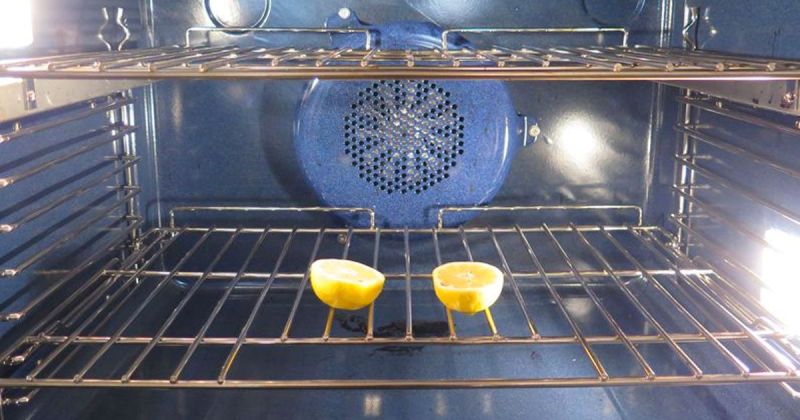
- Cut a lemon (or two) into quarters and place them in an oven-safe dish.
- Add water to the dish until the lemons are about half-submerged.
- Place the dish in the oven and bake at 250°F for 30 minutes.
- Turn the oven off and let it cool until you can safely touch the racks (at least 30 minutes — don’t rush this; oven burns are common with rushed cleanup).
- Dip a sponge in the now-cool lemon water and wipe the inside surfaces — walls, floor, racks, and door. The steam has softened most of the buildup so it lifts easily.
A small but important note: if you have a pet bird, take it to another well-ventilated room before any oven cleaning — birds have extremely sensitive respiratory systems and can be affected by any fumes from a heated oven, especially if there’s existing residue.

Salt for fresh spills
The easiest oven hack is the one you do during cooking. When something boils over or drips, immediately pour a generous layer of table salt directly onto the hot spill. The salt absorbs grease, prevents the spill from baking into a hard crust, and makes cleanup once the oven cools a simple wipe with a damp cloth.

Oven rack cleaning
Oven racks come out of the oven, which makes them easier to clean than the oven itself. A few methods:
- Soak in hot soapy water for an hour or two, then scrub with a non-abrasive sponge. Often enough for moderate buildup.
- Baking soda paste, same as the oven interior. Spread on the racks, leave overnight in the bathtub on towels, rinse and scrub.
- A dishwasher tablet dissolved in a tubful of hot water with the racks submerged for a few hours works for heavy buildup.
A popular hack to skip: ammonia in a sealed bag
There’s a widely-shared hack where you put greasy oven racks in a sealed garbage bag with a cup of ammonia and let the fumes do the work overnight. Skip this one. Two reasons: ammonia fumes in an enclosed space (a garage, a bathroom) can build to irritating or harmful levels, especially with weak ventilation; and if there’s any bleach-based cleaner residue in the area where you’re doing this, ammonia plus bleach produces chloramine gas, which is toxic. The baking soda and dishwasher-tablet methods above get racks just as clean without the chemistry risk.
Gas vs. electric ovens: any difference?
No real difference for cleaning. Heating method varies, but grease and spills set the same way under high heat regardless of the source. The hacks above work for both. Just remember in a gas oven to avoid the pilot light area and burner ports with any cleaner or paste, and confirm the oven is fully cool before working inside.
Don’t wait too long
The longer between cleanings, the harder the job. The methods stay the same, but baked-on grime that’s accumulated for a year takes far more rounds of paste-soak-wipe than a quarterly cleanup. The overnight baking-soda method handles even neglected ovens — just expect to repeat it once or twice for the worst cases. For fresh spills, the salt trick is your friend. And for that grimy door glass that always looks bad, keep a dishwasher tablet handy.