
How to Remove Hard Water Stains from Anything
Pro Housekeepers is a Tampa-based nationwide housekeeping company (since 2015). This guide shows how to remove hard water stains from glass, fixtures, appliances, clothing, and stone — with acid-safe methods, drying habits that prevent new spots, and clear rules for surfaces vinegar can damage.
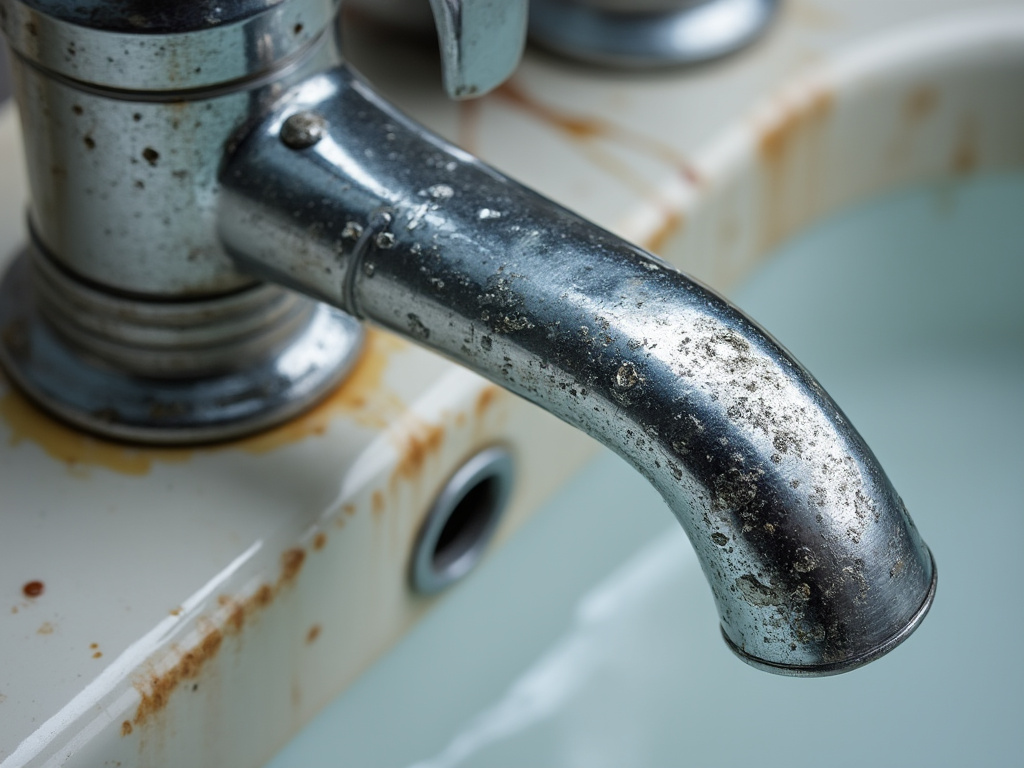
Hard water leaves chalky white or cloudy film wherever water evaporates: shower doors, faucets, glassware, coffee makers, and even laundry. Those deposits are mostly calcium and magnesium carbonate. Mild acids dissolve them; scrubbing alone often just smears the film. The same hard water that created the stain will leave a new one if you rinse and walk away — drying is part of the clean.
What hard water is (and why it stains)
Water hardness is measured in grains per gallon (gpg). Soft water is roughly 0–3 gpg; moderate about 3.5–7; hard is over 7. Beyond cosmetic spots, mineral scale can clog showerheads, reduce pipe flow over years, and make soap harder to rinse. Skin and hair can feel dryer in hard-water homes. The visible stains themselves are mineral residue left after evaporation — not dirt in the usual sense.
Supplies
- White vinegar; dish soap; baking soda
- Microfiber cloths; soft brush or old toothbrush; spray bottles
- Rubbing alcohol (for natural stone); distilled water optional for final rinse on glass
- Gloves; plastic scraper or credit card for thick scale (never metal on glass or chrome)
Safety: never mix vinegar (or any acid) with bleach. Ventilate when spraying vinegar indoors. On natural stone — marble, limestone, travertine, some granite — skip vinegar and lemon; acids etch the surface.
Glass, shower doors, and windows
- Spray equal parts white vinegar and water (or straight vinegar for heavy film).
- Let sit 15–30 minutes so minerals soften.
- Scrub with a soft cloth or non-scratch sponge; for stubborn rings, use a baking-soda paste after the vinegar soak.
- Rinse thoroughly, then dry with a clean microfiber cloth — this step prevents immediate re-spotting.
Weekly wipe-downs after showers keep doors clearer than deep cleans alone. A squeegee after each shower helps a lot in hard-water areas.
Faucets, chrome, and stainless steel
- Soak a cloth in vinegar and wrap it around the faucet or fixture for 20–30 minutes.
- Wipe and scrub crevices with a soft toothbrush.
- Rinse, then dry and buff — water left on chrome recreates spots fast.
For stainless sinks and appliances, vinegar works on mineral film; finish with a dry buff so you do not leave a dull haze. Avoid abrasive powders on polished stainless.
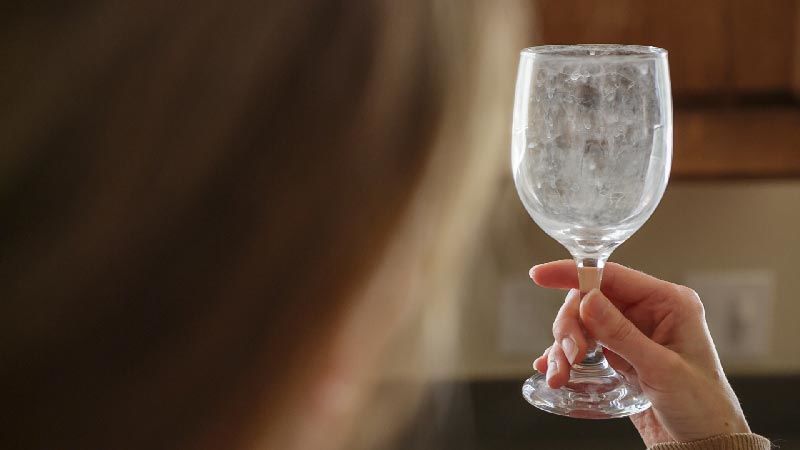
Glassware and dishwasher film
- Soak cloudy glasses in warm vinegar solution 30 minutes (or overnight for heavy scale).
- Wash as usual; air-dry or towel-dry.
If every load looks cloudy, check dishwasher rinse aid, water softener (if you have one), and whether you are overloading. Sometimes the “film” is etched glass from softener salt or too-hot cycles — etching cannot be polished away with vinegar.
Clothing and laundry
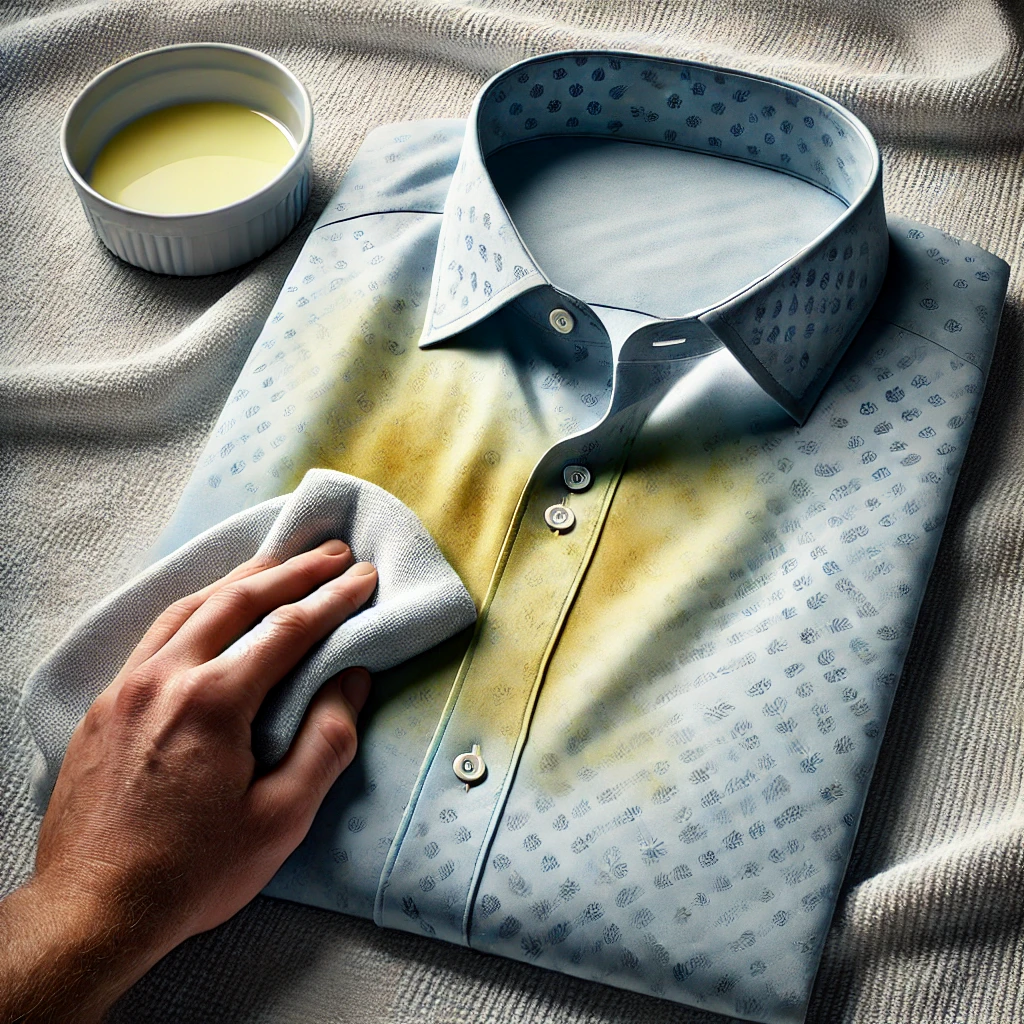
Hard-water residue on fabric often looks like chalky white marks, especially on dark clothes. Soak the item in a basin of warm water with a cup of white vinegar for 30 minutes, then wash with your usual detergent. For white towels that feel stiff, add vinegar to the rinse cycle occasionally. Do not pour vinegar into a bleach load.
Natural stone (do not use vinegar)
- Mix equal parts rubbing alcohol and water, or use a pH-neutral stone cleaner.
- Wipe, rinse with clean water, and dry immediately.
- For sealed stone, follow the sealer maker’s care sheet; re-seal on schedule so minerals do not bond as aggressively.
If you already etched marble with vinegar or lemon, polishing usually needs a stone pro — do not keep acid-treating it.
Coffee makers, kettles, and showerheads
- Coffee makers: run a full brew cycle with equal parts vinegar and water, then 2–3 plain water cycles to flush taste.
- Kettles: fill with vinegar solution, heat (if safe for the model), cool, scrub, rinse well.
- Showerheads: bag of vinegar tied over the head overnight, then rinse and wipe.
Prevention that actually works
- Dry faucets, glass doors, and chrome after use when you can
- Use rinse aid in the dishwasher; consider a water softener or salt-free conditioner if hardness is severe
- Clean filters and aerators so scale does not choke flow
- Book periodic deep cleans for bathrooms if hard water and soap scum stack up between DIY days
Pro Housekeepers’ regular cleaning and deep cleaning services include bathrooms and kitchens where hard-water film builds fastest. For related bathroom fungus control, see our mildew removal guide.
Frequently asked questions
Will vinegar damage chrome?
Short contact followed by rinse and dry is usually fine. Do not leave vinegar soaking for hours on cheap plated finishes.
Can I use CLR or commercial descalers?
Yes on compatible surfaces — read the label. Many are stronger acids; keep them off stone, wood, and some plastics.
Why do stains return overnight?
You rinsed with hard water and did not dry. Towel-drying or a squeegee breaks the cycle.
Is lemon juice better than vinegar?
Similar acid approach; still unsafe on marble and limestone.