
Homemade All-Purpose Cleaner Recipe: A DIY Guide
Pro Housekeepers is a nationwide housekeeping company. This DIY guide shares homemade all-purpose cleaner recipes — vinegar sprays, grease-cutters, and a wood wipe — plus clear safety rules so you know when DIY is enough and when you need a real disinfectant.
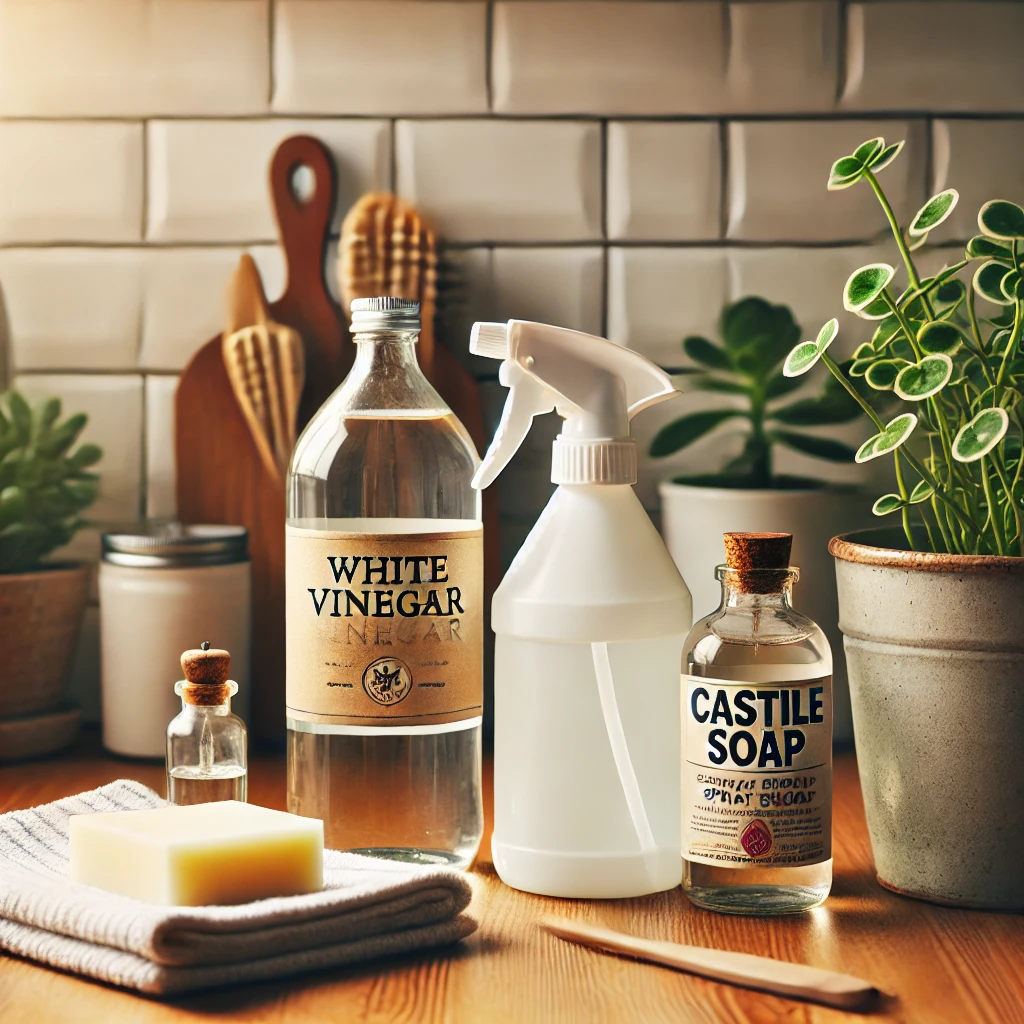
A basic spray is inexpensive and useful for everyday wipe-downs on many sealed hard surfaces. It does not replace EPA-registered disinfectants after illness, foodborne spills, or serious mold. Never mix vinegar-based cleaners with bleach or ammonia. Label every bottle and make small batches you will actually use.
Why DIY can make sense
- Uses pantry ingredients you already own
- Costs pennies per bottle versus many store brands
- Lets you control fragrance and skip additives you do not want
- Reduces plastic waste when you refill the same spray bottle
Safety: never mix vinegar (or any acid cleaner) with bleach — chlorine gas can form. Never mix bleach with ammonia. Label bottles clearly. Keep Borax, washing soda, and essential oils away from children and pets. DIY sprays clean soil; they do not reliably disinfect.
Basic vinegar all-purpose spray
Best for sealed countertops, tile, and many hard surfaces. Skip natural stone (marble, limestone, some granite) and unsealed wood — acid can etch or dull them.
- Add ¼ cup white vinegar, 1 tablespoon phosphorus-free dish soap or castile soap, and 2 cups distilled (or cooled boiled) water to a spray bottle.
- Shake gently. Optional: a drop of food coloring so it is not confused with water.
- Spray, wipe with microfiber, and dry chrome or glass to avoid spots.
Note: vinegar and castile soap can partly neutralize each other. For a soap-forward cleaner, pair soap with washing soda instead of vinegar. Distilled water reduces mineral spots in hard-water homes.
Grease-cutting kitchen spray
- Mix ½ teaspoon washing soda, 1 teaspoon dish soap (Dawn-type), 1 teaspoon Borax, and 2 cups distilled water.
- Shake in a spray bottle; leave headspace for the sprayer.
- Use on greasy stovetops, porcelain sinks, and tile. Rinse toys and food-contact surfaces after use.
Borax should not be ingested or inhaled as dust — measure carefully and store sealed. Washing soda (sodium carbonate) is stronger than baking soda; do not swap them 1:1 expecting the same result.
Simple wood wipe (sealed furniture)
- Combine ½ cup white vinegar, ¼ cup olive oil, 1 tablespoon lemon juice, optional 1 tablespoon vegetable glycerin.
- Shake before every use (oil separates).
- Spray lightly; wipe with a dry microfiber cloth. Spot-test sealed hardwood floors — many makers prefer pH-neutral floor cleaners over vinegar.
Fragrance and pets
Essential oils smell nice but many (citrus, tea tree, eucalyptus, pine) are toxic to cats and dogs. Skip oils if pets lick surfaces, or ventilate and keep animals away until dry. If a pet is exposed, contact your vet or ASPCA Animal Poison Control at (888) 426-4435.
When to skip DIY and disinfect properly
- After contagious illness (flu, COVID, norovirus)
- Raw meat juice spills or spoiled fridge food after a power outage
- Active mold remediation needs on porous materials
Use an EPA-registered disinfectant or properly diluted bleach following label dwell times. Clean visible soil first, then disinfect. For whole-home resets, Pro Housekeepers’ deep cleaning and regular cleaning cover the heavy lifting while you keep DIY sprays for light touch-ups. Related: bleach safety and cleaning with vinegar.
Frequently asked questions
Are homemade cleaners as good as store brands?
For everyday soil, often yes. For true disinfection, use a registered product.
Washing soda vs baking soda?
Washing soda (sodium carbonate) is much more alkaline and cuts grease harder; baking soda is milder for gentle scrubbing.
Can vinegar disinfect?
It reduces some microbes but is not a registered disinfectant for biohazards.
How long does a bottle last?
Make small batches and use within a few weeks; shake before each use.
Can I use these on stone counters?
Avoid vinegar on marble, limestone, and other acid-sensitive stone. Use a pH-neutral stone cleaner instead.