
How to Remove Rust from Stainless Steel
Pro Housekeepers is a nationwide housekeeping company. This guide shows how to remove rust from stainless steel sinks, appliances, and utensils using mild acids and gentle abrasion — plus how to stop rust from coming back — without scratching the finish.
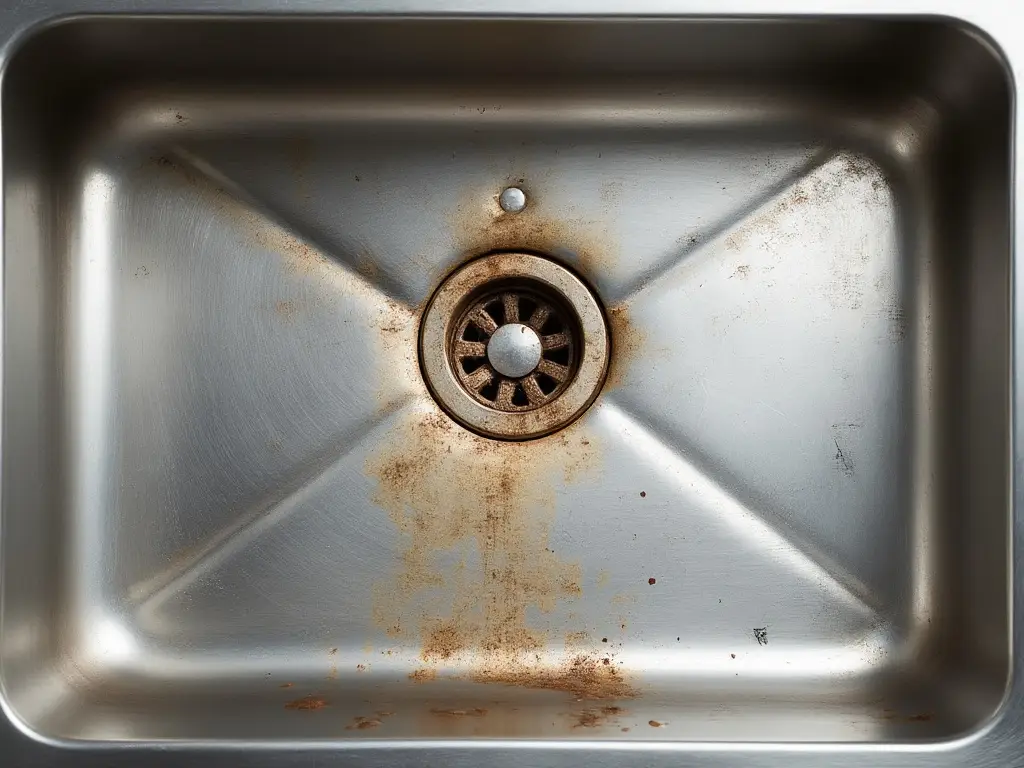
Stainless steel is an iron alloy with a protective chromium oxide layer. When that layer is damaged by standing water, salt, abrasives, or harsh chemicals, rust (iron oxide) can appear on sinks, fridges, knives, and cookware. Mild citric or tartaric acid plus soft scrubbing usually lifts light rust. Always wipe with the grain and dry thoroughly when you finish.
Why stainless steel rusts
- Items left wet or soaked overnight
- Scratches from steel wool or wire brushes that break the passive layer
- Salt, hard-water minerals, and food residue left on surfaces
- Bleach or other chloride cleaners that attack stainless
Left alone, rust can pit metal and weaken thin areas. Catch orange spots early and they usually wipe away with pantry ingredients.
Supplies you will need
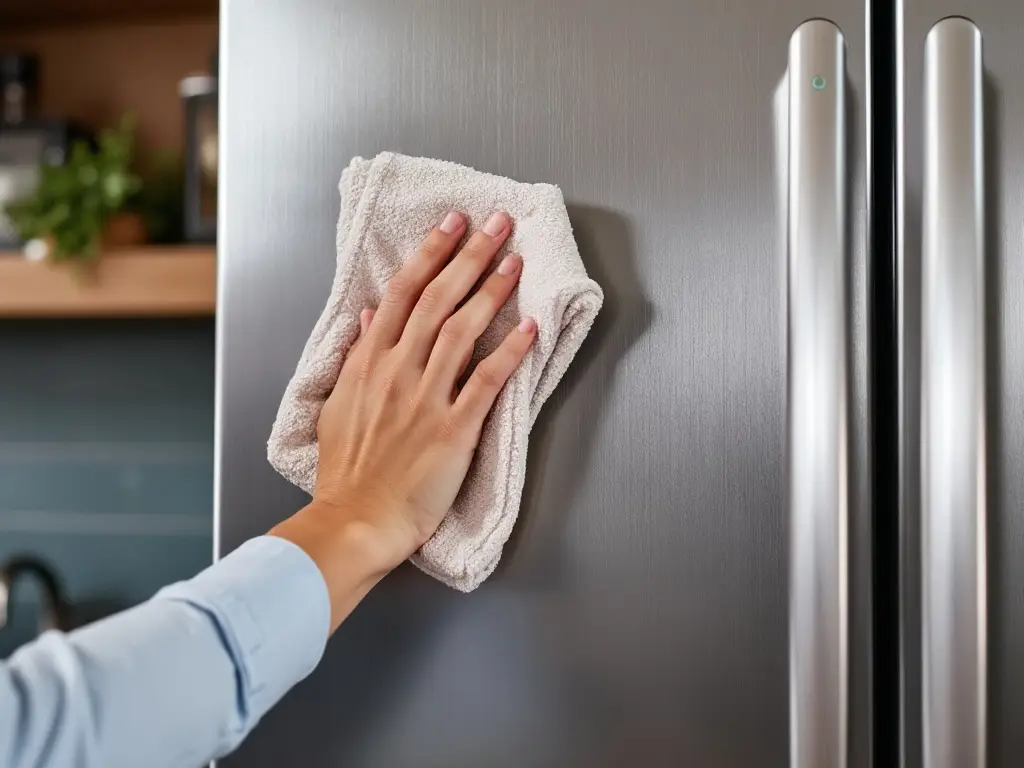
- Baking soda; lemon juice; white vinegar; cream of tartar; table salt
- Soft sponge, microfiber cloths, soft toothbrush
- Optional: Bar Keepers Friend (oxalic-acid cleanser) used per label
Safety: never mix bleach with vinegar or ammonia. Avoid steel wool and wire brushes on stainless. Rinse food-contact surfaces well after acid pastes. Wear gloves if you have sensitive skin. Do not use hydrogen peroxide as a rust remover — it can worsen oxidation on bare rust.
Baking soda + lemon paste (appliances and sinks)
- Mix about 2 parts baking soda to 1 part lemon juice into a spreadable paste.
- Apply over rust; keep the paste moist for 20–30 minutes (light mist if it dries).
- Wipe with a damp sponge along the grain; repeat if needed.
- Rinse and dry completely so new rust does not form on damp metal.
Alternate paste: about ¼ cup cream of tartar with enough white vinegar to make a paste; sit about 5 minutes, gentle scrub, rinse, dry.
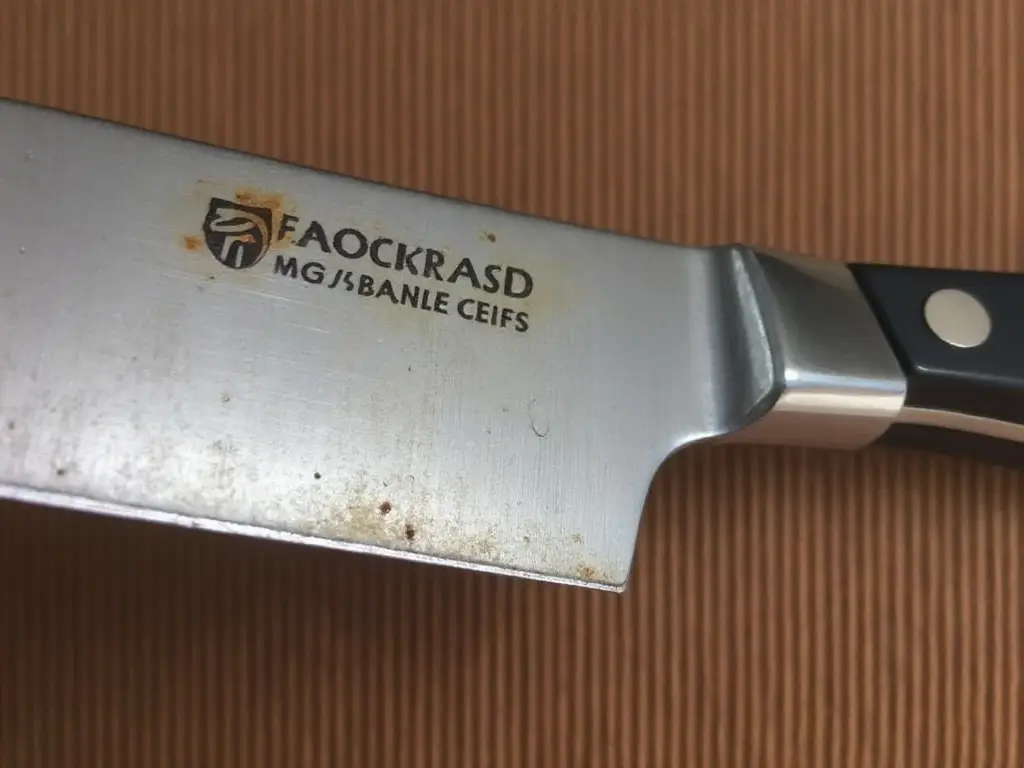
Lemon + salt for utensils and knives
- Wash the item in warm soapy water first.
- Dip a sponge corner in lemon juice, then salt.
- Scrub rust gently with the grain; use a soft toothbrush in crevices.
- Rinse, then dry fully before storing (cool air from a hair dryer helps ornate flatware).
Prevention checklist
- Dry sinks, appliances, and knives after use
- Skip steel wool, harsh scouring powders, and bleach soaks
- Do not leave stainless soaking overnight in the sink
- Run dishwasher dry cycles or crack the door so items dry before putting away
- Wipe salt and acidic spills promptly
- Store knives dry; avoid damp knife blocks when possible
For kitchens where hard water and busy sinks leave spots and residue, Pro Housekeepers’ regular cleaning and deep cleaning keep stainless looking cared for. Related: stainless appliance cleaning.
Frequently asked questions
Does vinegar alone remove rust?
It is weak alone; cream of tartar + vinegar paste works better on light spots.
Is Bar Keepers Friend safe on stainless?
Often yes when used as directed — rinse thoroughly and do not leave it sitting long.
Does WD-40 remove rust?
It can loosen surface rust for wipe-off, but wash and dry food-contact surfaces afterward.
Can a raw potato help?
Sometimes — potatoes contain oxalic acid. Rub the cut end with a little dish soap on the spot, rest, then rinse and dry. Results vary; lemon paste is more consistent.
Can I use hydrogen peroxide?
Skip it for rust removal on stainless; stick to the mild-acid methods above.