
How to Clean Wool Carpets and Area Rugs
Pro Housekeepers is a nationwide housekeeping company. This guide explains how to clean wool carpets and area rugs safely — cool-water methods, spot care, cautious steam use, and drying rules — so natural fibers stay fresh without shrinking, felting, or mildew odor.
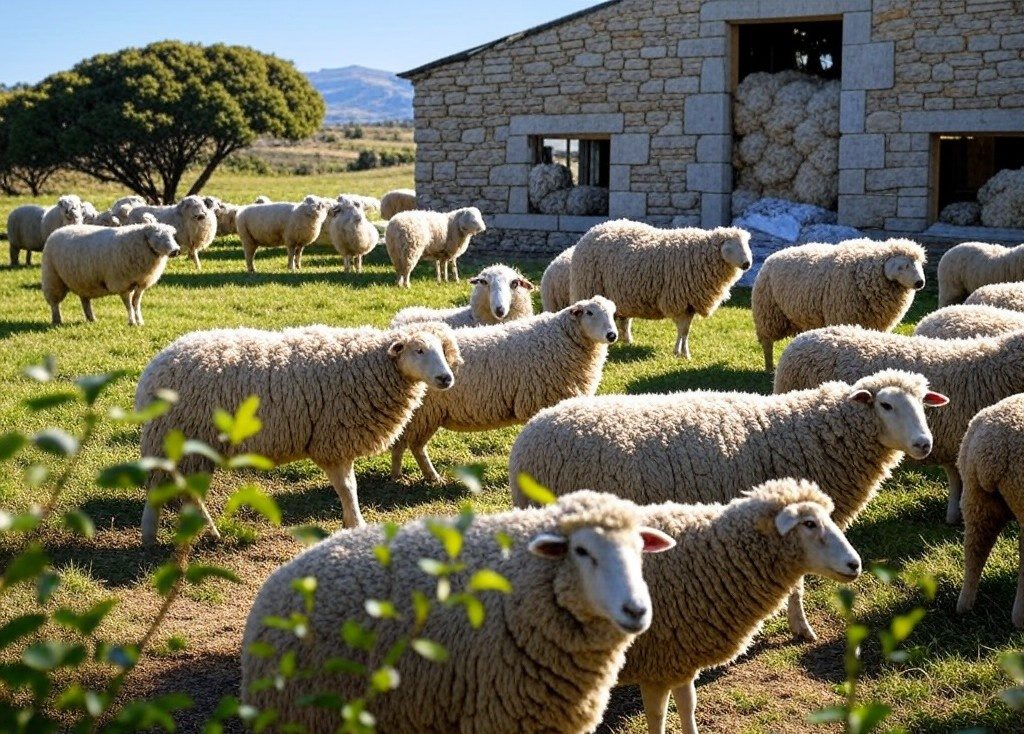
Wool is durable but sensitive to heat, bleach, and soaking. Vacuum gently, use wool-safe detergent in cool water, blot instead of flooding, and dry completely. Never use chlorine bleach on wool. Treat spills fast — wool’s natural lanolin helps, but set-in stains still become permanent.
Why wool needs special care
- Hot water and agitation can felt or shrink fibers
- Bleach damages and discolors wool
- Trapped dampness causes musty odor and mildew in the pile and backing
- Aggressive beater-bar vacuums can pull loops and shorten pile life
Wool rugs may use merino or other sheep wool, and some blends include mohair or alpaca. Backings are often jute, cotton, or rubber — all of which hate staying wet.
Supplies you will need
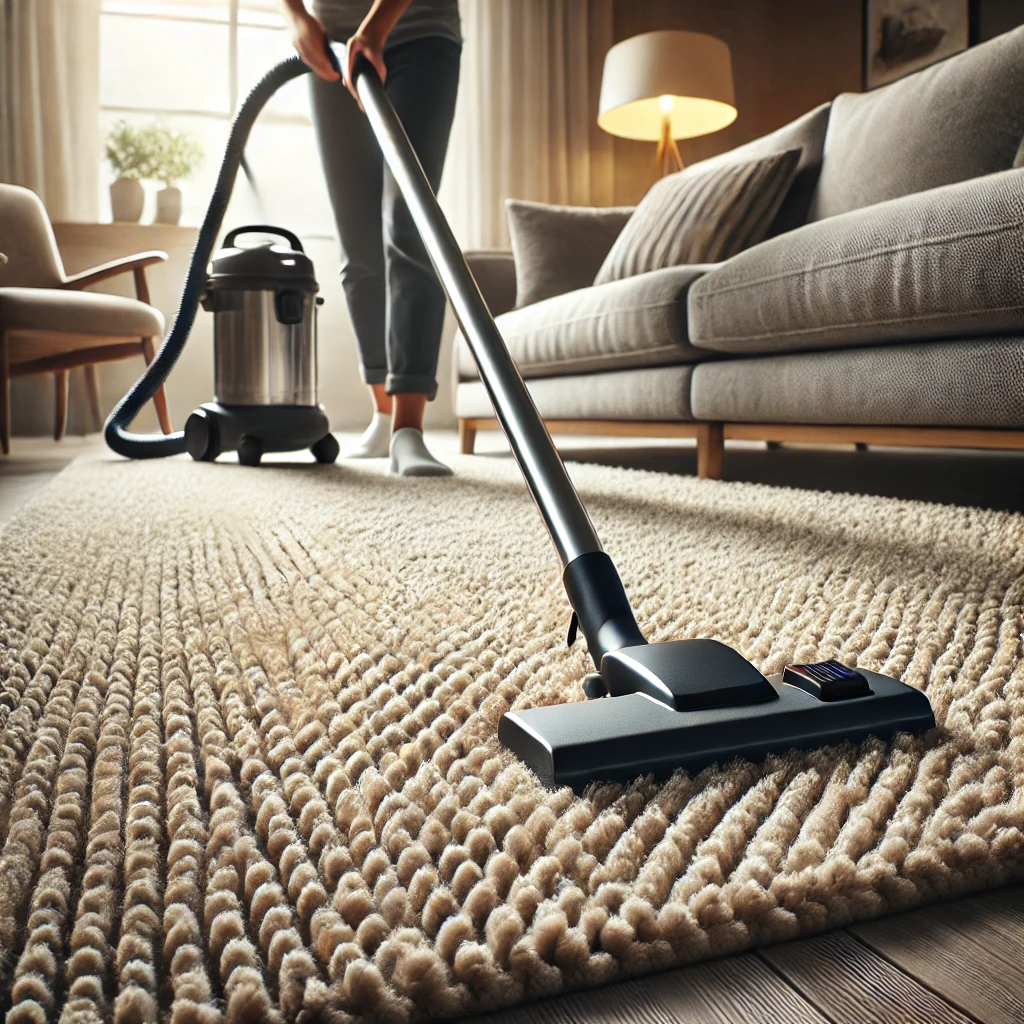
- Vacuum (suction or soft brush; avoid aggressive beater bars on delicate piles)
- Wool-safe detergent (Woolite-type) or gentle wool shampoo
- Clean sponges and white towels; cool water
- Optional: baking soda for odor; diluted white vinegar for some stains (spot-test first)
- Fans or a drying rack for airflow after wet cleaning
Safety: never mix bleach with vinegar or ammonia. Do not use chlorine bleach on wool. Spot-test any cleaner in a hidden corner. Keep wet rugs away from outlets while drying with fans. Skip “miracle” dye removers unless a rug specialist recommends them.
How to clean a wool area rug
- Shake or beat outdoors to loosen dirt; vacuum both sides gently.
- Mix cool water with 1–2 tablespoons wool-safe detergent — keep suds light.
- Wring a sponge nearly dry; work across the rug in sections from one end.
- Blot with clean towels — do not soak the backing or leave puddles.
- Hang or lay flat with airflow until fully dry (hours to overnight). Replace damp towels as needed.
If the rug smells musty after cleaning, it was not dry enough — increase airflow and avoid putting it back on a damp pad.
Spot cleaning spills
- Blot immediately with a dry white cloth — never rub hard or scrub in circles.
- Apply wool-safe stain remover or a tiny amount of detergent solution.
- Dab with a clean damp sponge, then blot dry with fresh towels.
- Air-dry fully; use a fan for wall-to-wall wool so moisture leaves the pad.
Oil-based spots sometimes respond to a little isopropyl alcohol on a cloth after testing. Pet urine, wine, and dye stains may need a professional rug cleaner before they set.
Steam cleaning wool (use caution)
- Vacuum thoroughly; pretreat spots.
- Use the lowest heat/moisture setting a wool-safe machine allows.
- Keep the wand moving; avoid oversaturating. Many wool makers prefer low-moisture cleaning over heavy steam.
- Dry with fans right away — never walk on a soggy wool carpet.
Limit deep wet cleaning to about once a year for wall-to-wall wool unless the manufacturer says otherwise. Area rugs usually do better with the sponge method than full steam.

When to hire a specialist
- Heirloom, handmade, or high-value rugs
- Pet urine set into the pile or backing
- Large wall-to-wall wool you cannot dry quickly
- Allergy concerns that need thorough extraction
For everyday homes with wool rugs, Pro Housekeepers’ regular cleaning and deep cleaning keep surrounding floors and dust loads down. Related: carpet stain removal.
Frequently asked questions
Can I put a wool rug in the washing machine?
Only small, low-pile rugs if the care label allows — then air-dry immediately. Most wool rugs should not be machine washed.
Does water stain wool?
It can leave rings. Blot spills fast; distilled water helps in hard-water areas.
Is bleach ever OK on wool?
No for chlorine bleach. It damages fibers and color.
How often should I vacuum?
Weekly in living areas; more often with pets or shedding.
Why does my wool rug smell after cleaning?
Usually incomplete drying. Add fans, lift the rug off a wet pad, and give it more time before laying it back down.