
How to Clean Linoleum Floors the Right Way
Pro Housekeepers is a nationwide housekeeping company. This guide covers how to clean linoleum floors the right way — gentle mopping, stain fixes for yellowed or grooved surfaces, and what to avoid — so natural linoleum lasts without stripping the finish.
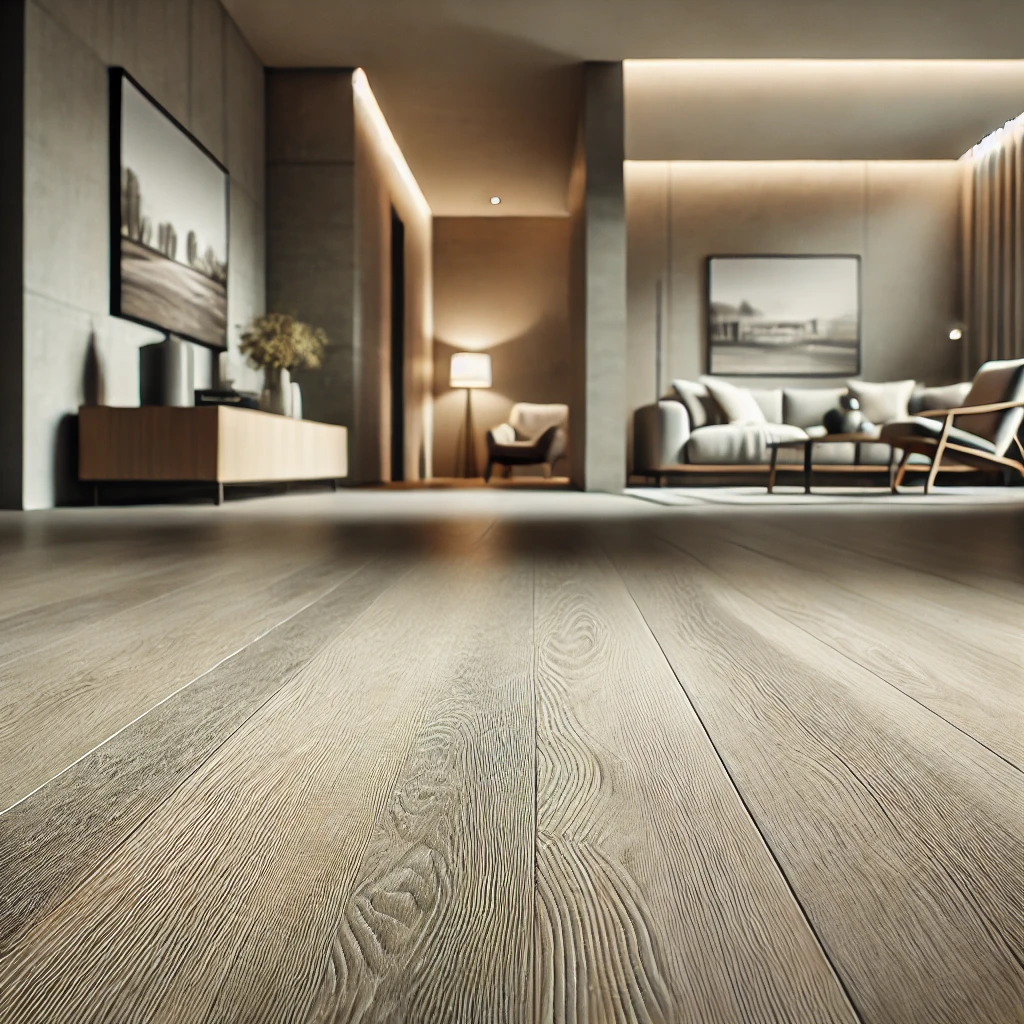
True linoleum is made from linseed oil, resins, cork or wood flour, and mineral fillers on a jute or burlap backing. It is often confused with vinyl sheet flooring. Moisture and harsh alkalis are its enemies: wring the mop well, dry standing water promptly, and skip ammonia. Done weekly, the routine below keeps floors looking sharp for decades.
Linoleum vs. vinyl (quick check)
- Linoleum: natural materials; more sensitive to high-pH cleaners and prolonged water
- Vinyl: synthetic PVC; generally more water-tolerant (still avoid soaking seams)
- When unsure, use the gentlest dish-soap mop and test a corner first
Modern linoleum often has a factory finish that makes day-to-day cleaning easier than older, uncoated sheets. If your floor is vintage and dull, treat stains gently and consider resealing later.
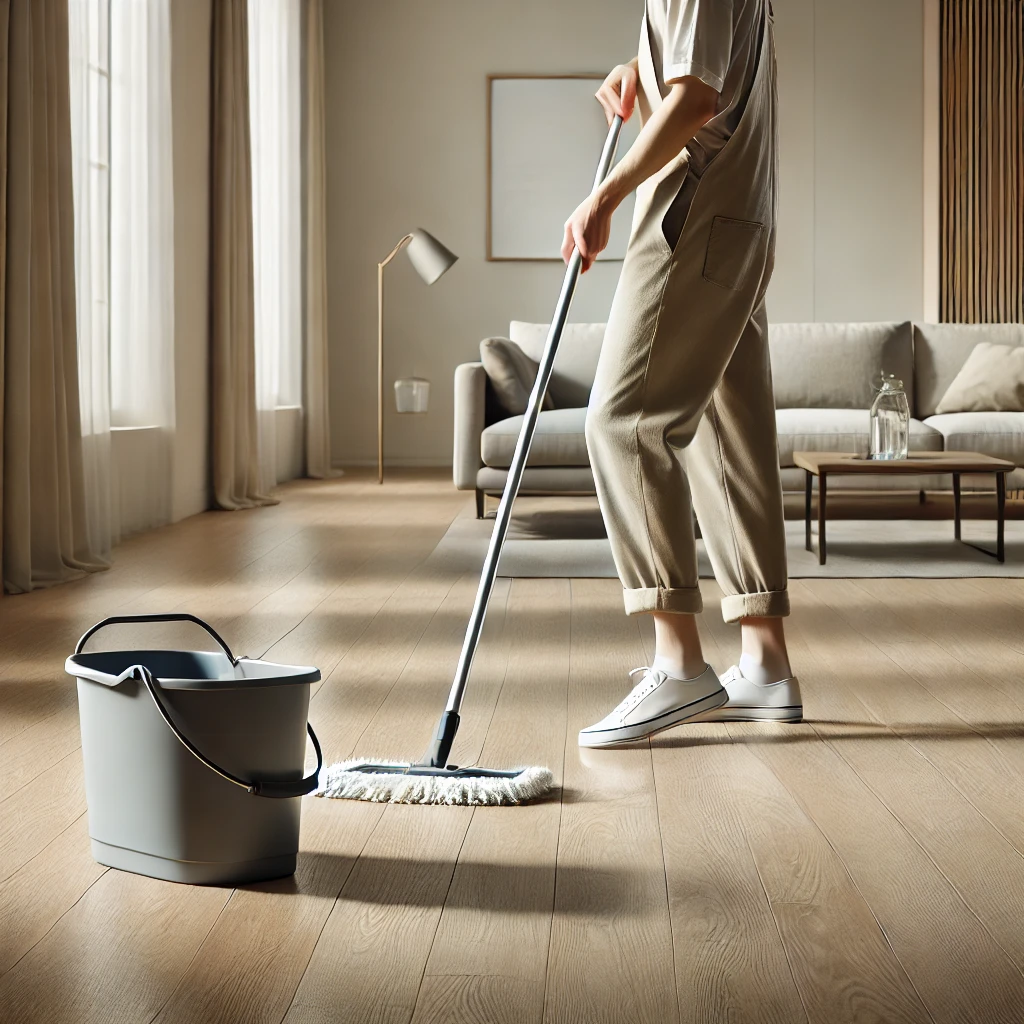
Supplies you will need
- Broom or vacuum; dry microfiber mop
- Bucket; soft mop; soft-bristle brush
- Mild dish soap; baking soda; lemon juice; white vinegar (for grooves only, then rinse)
- Clean towels for drying; optional linoleum-safe cleaner per manufacturer
Safety: never mix bleach with vinegar or ammonia. Do not use ammonia or high-alkalinity strippers on linoleum — they can dull or damage the finish. Avoid metal scrubbers that scratch. Work with light moisture only so water does not reach the backing and invite mildew.
Best weekly mop method
- Sweep or vacuum grit that can scratch the surface.
- Dry-mop with microfiber to catch fine dust.
- Mix about 1 gallon hot water with 7–8 drops mild dish soap.
- Wring the mop almost dry; clean in small sections (about 6×6 ft).
- Blot any standing water immediately with towels.
- Spot-scrub stubborn areas with a soft brush, then dry again.
Heavy traffic kitchens may need a mid-week dry mop between wet cleans. Never leave a soaking mop on the floor.
Yellowed or older linoleum
- Remove grit thoroughly so you do not grind it in.
- Make a paste of baking soda and lemon juice; apply to yellowed spots for 10–15 minutes.
- Wipe with a damp cloth; mop with mild soap solution; rinse with clean water.
- Dry completely with towels or microfiber.
Deep yellowing, sticky residue, or a worn factory finish may need professional cleaning and resealing rather than more DIY acid pastes.
Cleaning grooves and textured linoleum
- Vacuum grooves first so grit does not scratch.
- Sprinkle baking soda into grooves, add a little vinegar, and let it fizz briefly (mechanical lift — not a disinfectant).
- Soft-brush, wipe, then mop with soap and water; rinse and dry.
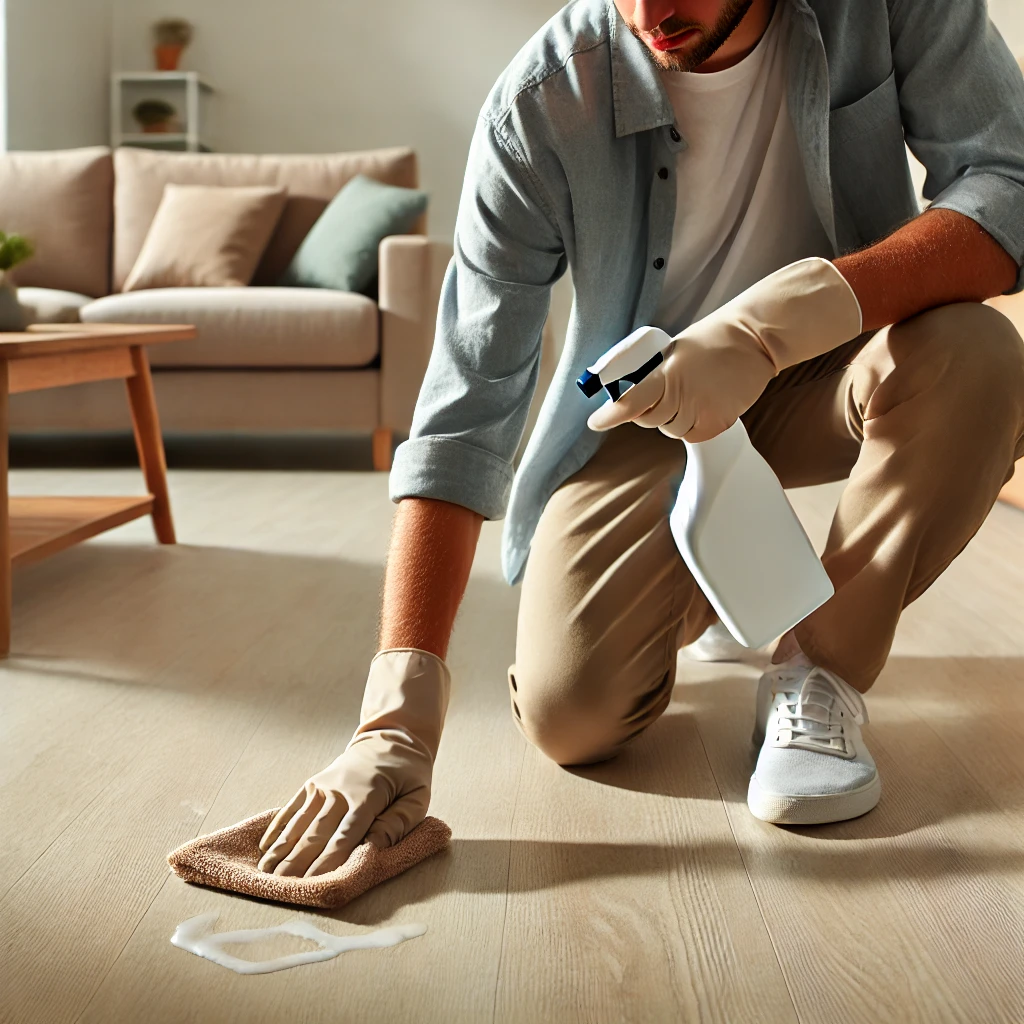
What not to use on linoleum
- Ammonia and high-pH strippers that attack the finish
- Soaking-wet mops that soak the backing
- Steel wool or stiff metal brushes
- Anything the manufacturer forbids on the care label
For kitchens and busy halls where linoleum collects grease and grit, Pro Housekeepers’ regular cleaning and deep cleaning keep floors safer and longer-lasting. Related: vinyl plank cleaning if your floor is actually vinyl.
Frequently asked questions
Will vinegar ruin linoleum?
Occasional diluted use in grooves is usually fine if you rinse and dry. Do not leave puddles or rely on vinegar as a daily mop for true linoleum.
How often should I mop?
Every 1–2 weeks for most homes; dry-mop more often in high traffic.
Can I use ammonia?
No — it can strip the finish. Stick to mild soap or a linoleum-safe product.
When should I call a pro?
Heavy yellowing, sticky film after DIY, water damage at seams, or floors that need resealing.
Do linoleum floors need dusting?
Yes — a quick daily or every-other-day dry mop removes grit and makes weekly mopping easier.