
Ammonia is a powerful, inexpensive cleaner for glass, floors, ovens, and tough laundry stains — but it must be used carefully. Always dilute it (about 1 tablespoon per 2 cups of water for glass, ½ cup per half gallon for floors), work in a well-ventilated area, wear gloves, and rinse it away afterward. The single most important rule: never mix ammonia with bleach or any bleach-containing product — the combination creates toxic, potentially deadly gas. Here’s how to use ammonia safely and effectively around your home.
June 3, 2026
How to Use Ammonia for Cleaning
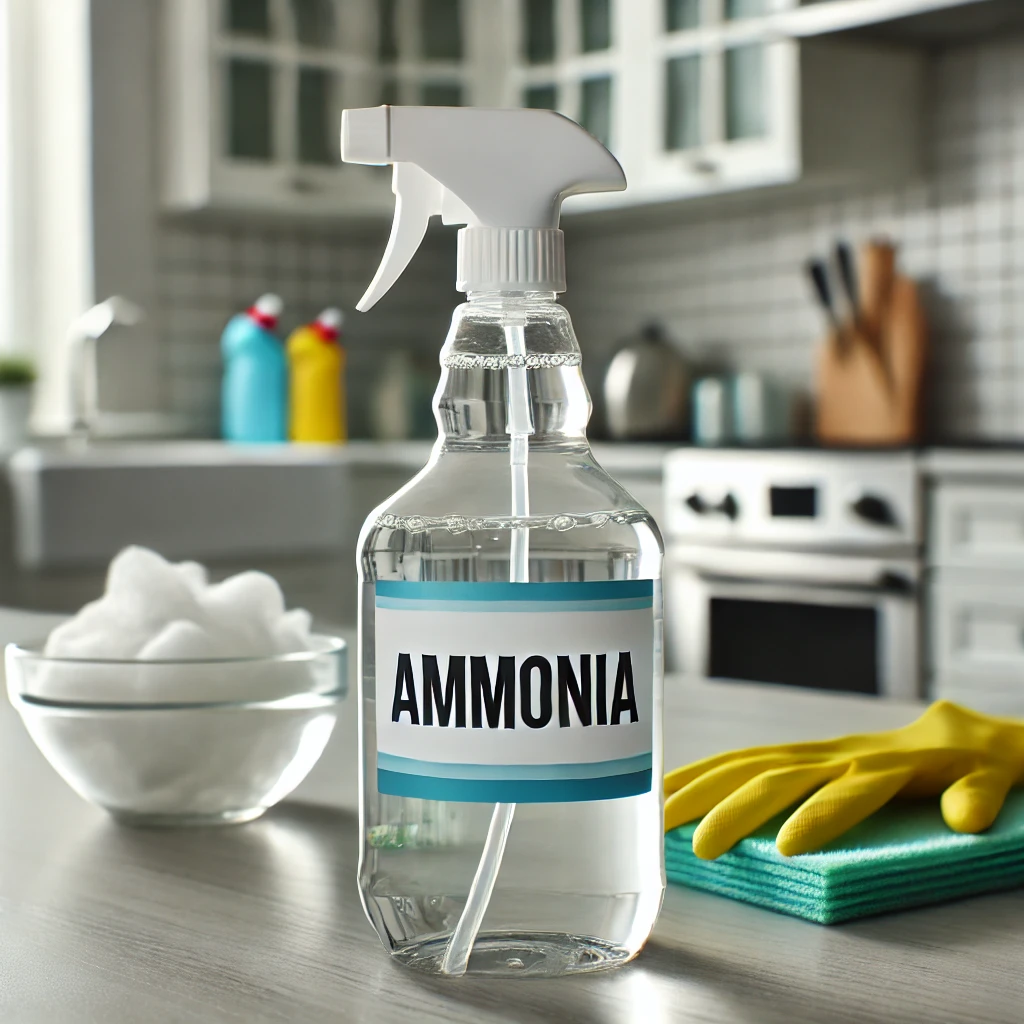
What is ammonia?
Ammonia is a naturally occurring, pungent gas — the same sharp smell you notice from a cat’s litter box, where bacteria break down the urea in urine. The product sold at hardware stores is ammonium hydroxide: ammonia gas dissolved in water, usually at a 5-10% concentration. Industrial versions can run as high as 30% and are corrosive. Chemically, ammonia is a strong base (alkaline), which is what makes it effective at cutting grease.
Diluting ammonia for cleaning
Making ammonia from scratch is genuinely dangerous and not worth attempting. What you can safely do is dilute store-bought ammonia:
- 5-10% ammonia solution
- Water
- Spray bottle
For example, 1 cup ammonia to 1 cup water yields roughly a 2.5-5% solution. Adjust the ratio to the job — more dilute for light cleaning, stronger for heavy grease.
Supplies you’ll need
Products |
Supplies |
Household ammonia solution |
Paper towel, rags, or sponges |
Water |
Spray bottle |
Laundry detergent |
Mop |
Baking soda |
Measuring cups and spoons |
Before you start: never combine ammonia with bleach (or any product containing bleach), work with windows open or a fan running, and wear gloves.
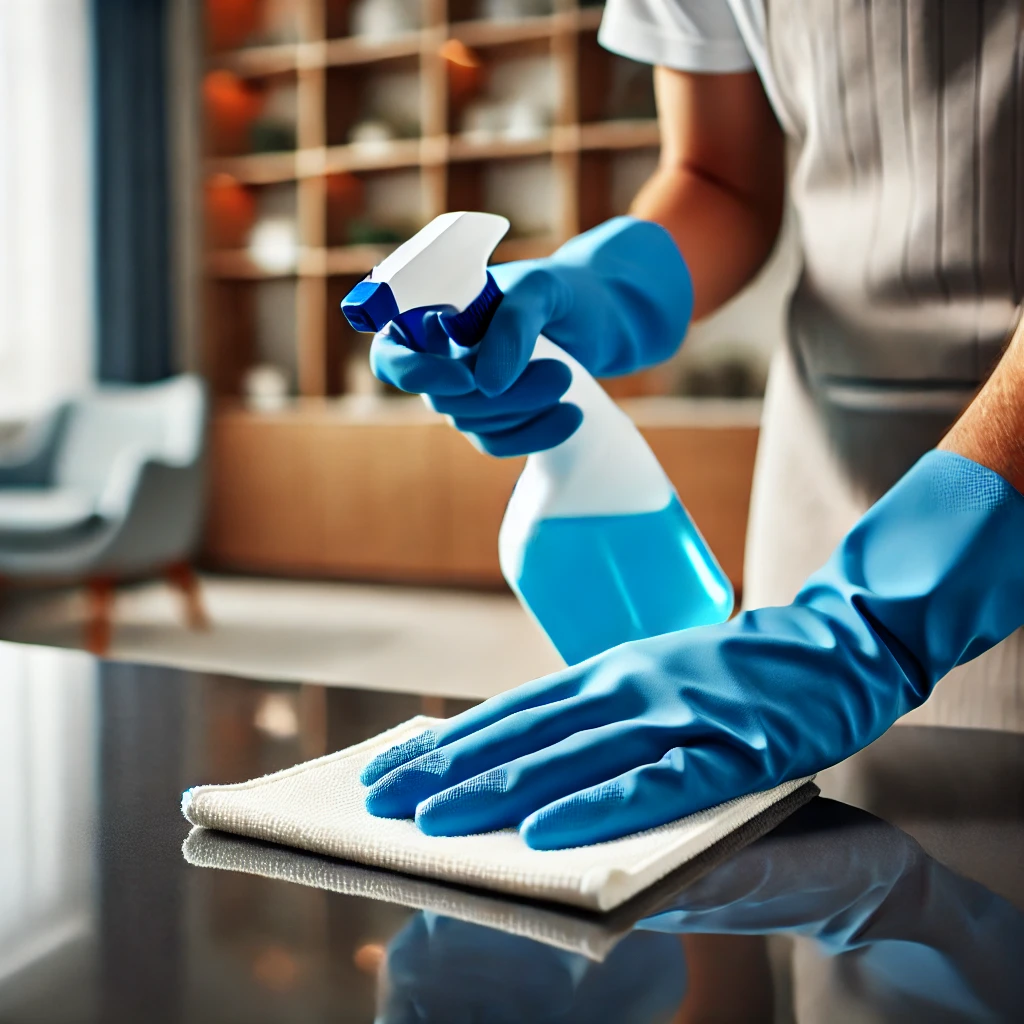
How to clean with ammonia
Windows and mirrors
Ammonia is a classic glass cleaner (it’s in many commercial formulas).
Step 1: Mix 1 tablespoon clear ammonia with 2 cups water in a spray bottle.
Step 2: Spray evenly over the window or mirror.
Step 3: Wipe with paper towel or a lint-free cloth.
Floors
Step 1: Mix ½ cup ammonia into ½ gallon water.
Step 2: Mop the floor.
Step 3: Work stubborn spots with a soft-bristle brush.
Step 4: Rinse the mop and go over the floor again to remove residue.
Step 5: Let it dry.
Important: don’t use ammonia on waxed floors, hardwood, or natural stone, and use it only occasionally to refresh — even diluted, its alkalinity can dull finishes and damage grout over time.
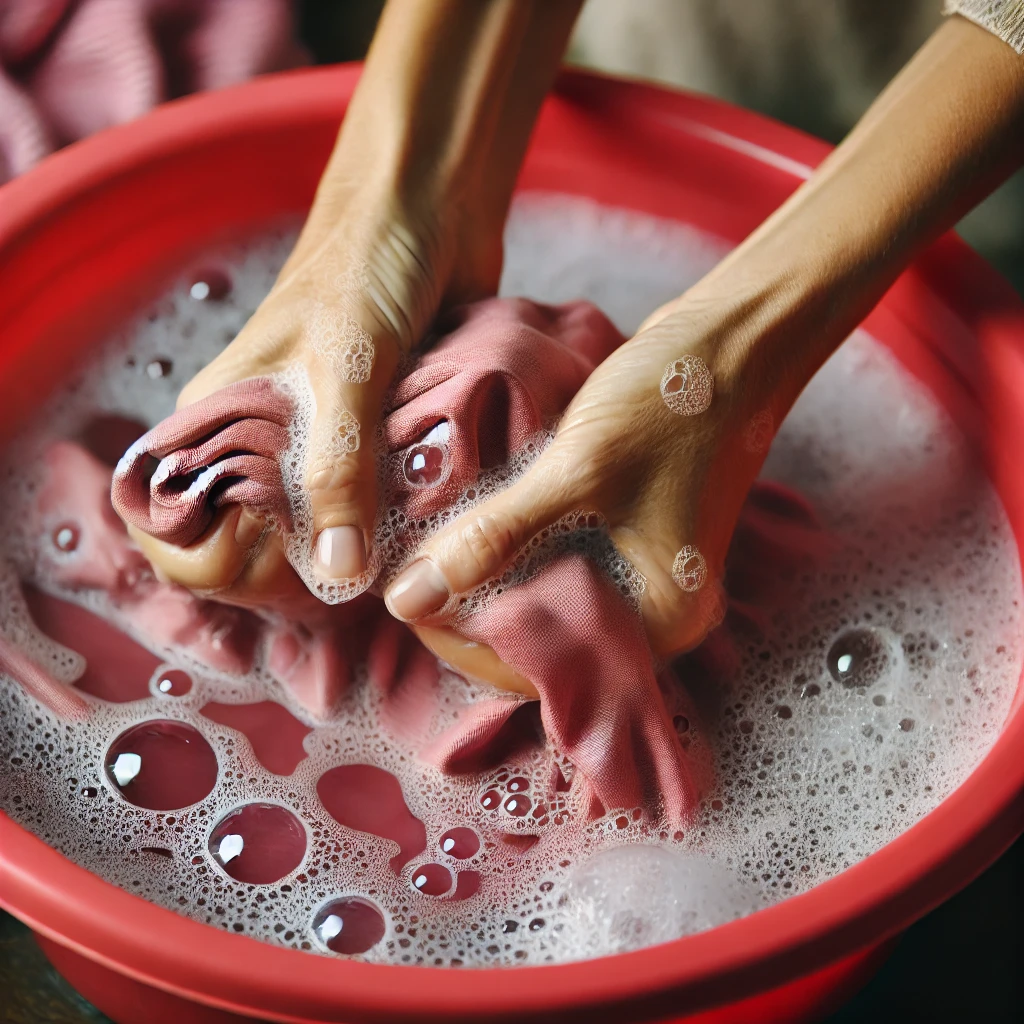
Laundry stains
For stubborn stains, make a soaking solution:
- ⅔ cup ammonia
- ⅔ cup dish soap
- 6 tablespoons baking soda
- 2 cups water
Soak stained clothing at least 30 minutes, then wash. You can also add a cup of ammonia to a regular wash cycle for a deeper clean — but never to a load where you’ve added bleach.
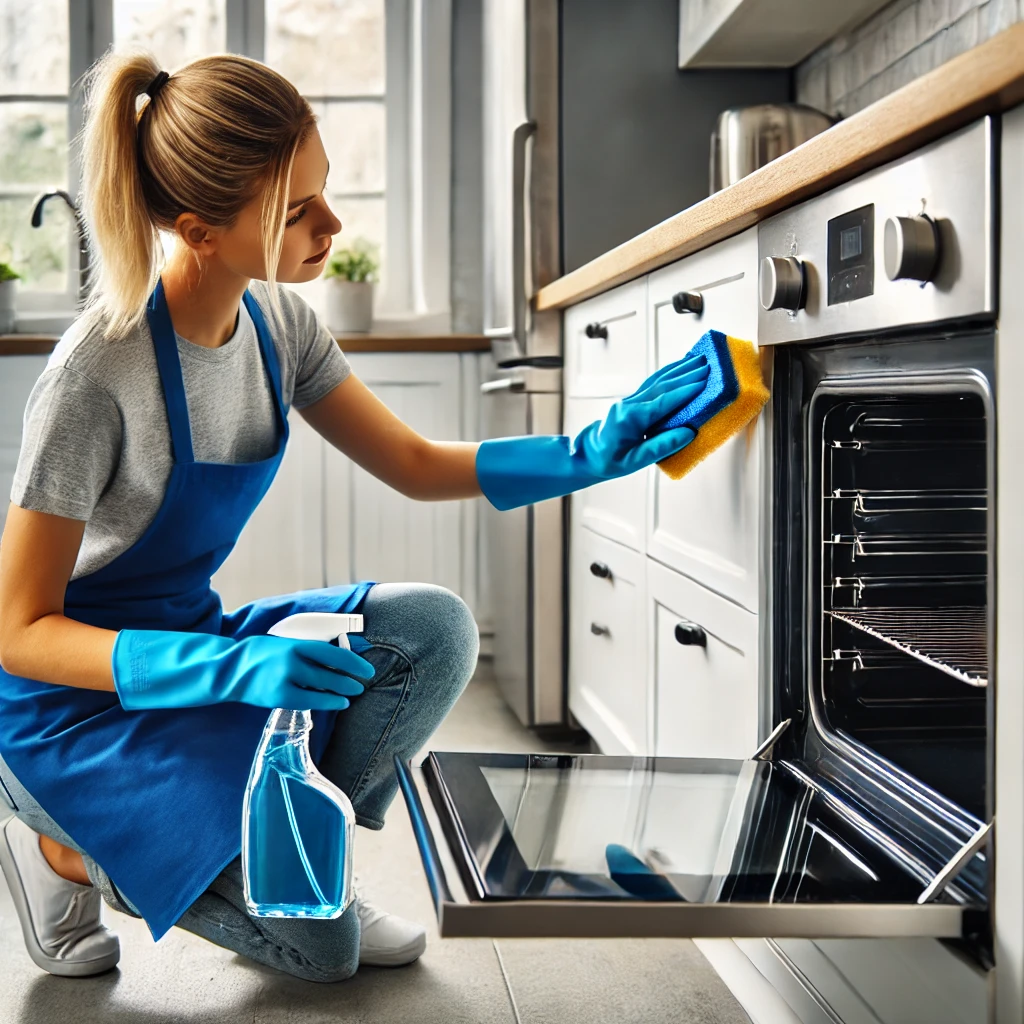
Ovens (electric only)
Step 1: Preheat the oven to 200°F.
Step 2: Put 2 cups ammonia in an oven-safe glass dish.
Step 3: Put 2 cups boiling water in a second oven-safe dish.
Step 4: Turn the oven off.
Step 5: Place the ammonia on the top rack, the water on the bottom rack.
Step 6: Close the door and leave 8-12 hours (the fumes loosen the grease).
Step 7: Ventilate well, then wipe away grease and food with a sponge.
Never use this method in a gas oven, and ventilate the room thoroughly when you open it. The video below has more ideas.
Ammonia safety
Ammonia is a toxic, irritating substance, so take these precautions:
- Never mix ammonia with bleach — it releases toxic chloramine and chlorine gases that can be life-threatening. This is the most important rule of all.
- Always ventilate the area to avoid respiratory irritation.
- Rinse ammonia away after cleaning, especially where kids or pets go.
- Wear a mask if you have any respiratory condition.
- Skip contact lenses — they can trap fumes and worsen eye irritation.
- Wear gloves to protect your skin.
If someone is exposed and has trouble breathing, get to fresh air and call Poison Control at 1-800-222-1222 (US) or 911 for severe symptoms.
Environmental impact
Ammonia is also an environmental pollutant, so dispose of it thoughtfully:
- Don’t release it into groundwater — even low concentrations can kill freshwater fish.
- Its vapors can scorch plant leaves, so keep it away from your garden.
- Evaporated ammonia returns to earth in rain and can reach groundwater, so use only what you need.
FAQ
Question |
Answer |
Is ammonia safe for cleaning? |
Yes, with precautions — dilute it, ventilate, wear gloves, and never combine it with bleach. |
What’s best cleaned with ammonia? |
Glass and mirrors, floors (not wood/stone/wax), oven grease, and stubborn laundry stains. |
How do I dilute it? |
General cleaning: 1 part ammonia to 10-20 parts water. Heavy-duty: 1 part to 5-10 parts water. |
Can I mix it with other products? |
Dish soap, baking soda, or laundry detergent are fine. Never bleach or any bleach-containing product. |
Conclusion
Ammonia is a versatile, budget-friendly cleaner for glass, floors, ovens, and laundry — as long as you respect it. Dilute it, ventilate, wear gloves, keep it off wood and stone, and above all never let it touch bleach. Used carefully, it’ll keep your home sparkling.