
To sanitize a toothbrush, soak the head for 5-15 minutes in a solution of 1 teaspoon of 3% hydrogen peroxide per cup of water, or in plain white vinegar for 15 minutes, then rinse well and store it upright to air dry. Save bleach (2 teaspoons per 2 cups water, 6-minute soak) for a true contamination event like dropping it in the toilet. The one method to skip entirely: don’t keep a toothbrush after you’ve been sick — replace it. And never mix bleach with vinegar or peroxide. Here’s the full guide.
June 3, 2026
How to Sterilize Your Toothbrush
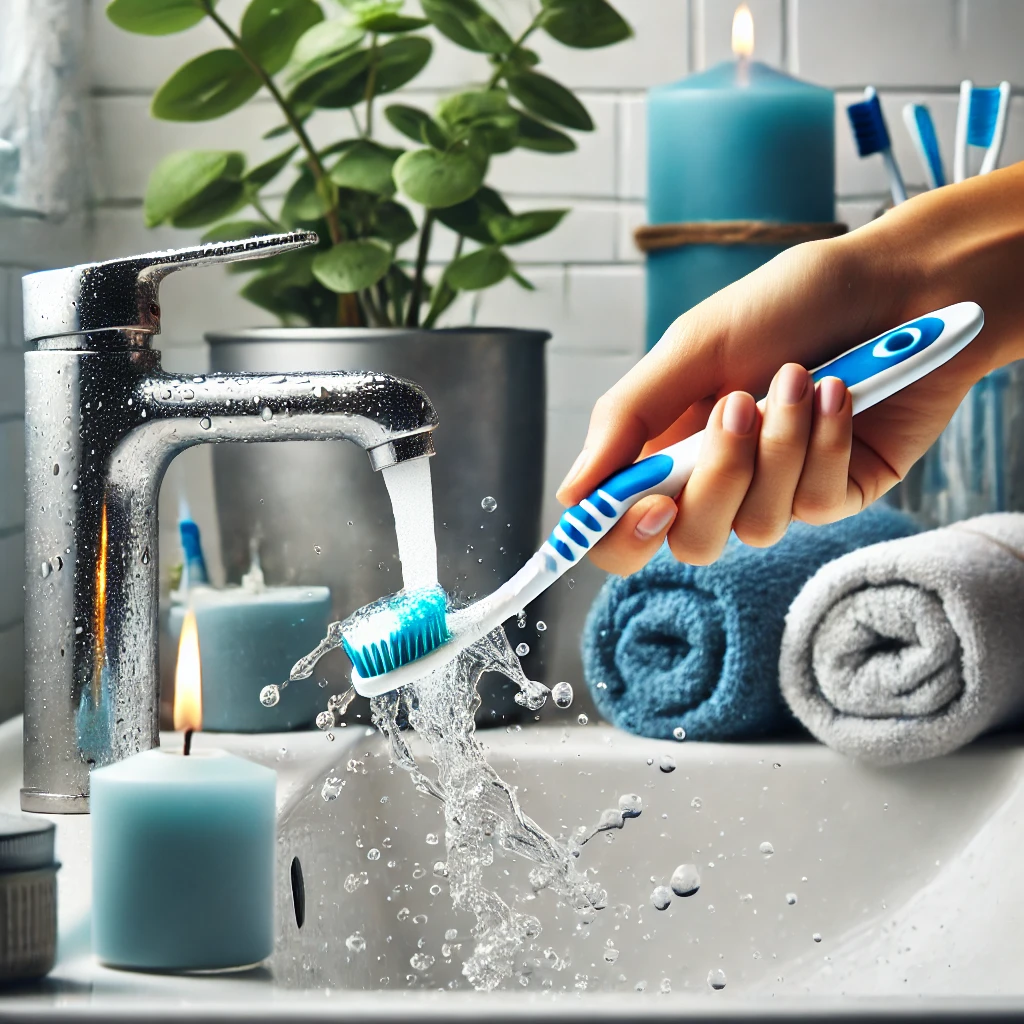
Why sanitize your toothbrush?
Your mouth hosts a large microbial community — estimates run to around 700 species and billions of individual microbes (one commonly cited figure puts it as high as 20 billion). Most of those bacteria are harmless and belong there. But every brush picks up toothpaste, food debris, saliva, and bacteria, and if you’ve been sick, it can harbor germs that may reinfect you. Rinsing in hot water alone won’t kill them — sanitizing goes a step further.
Supplies you’ll need
Cleaning Products |
Other Supplies |
Bleach |
Toothbrush(es) |
Salt |
Small bowl |
Baking soda |
Drinking glass |
White vinegar |
Measuring spoons |
3% hydrogen peroxide |
|
Antibacterial mouthwash |
Safety note: use only one of these at a time — never mix bleach with vinegar or hydrogen peroxide, which releases toxic gas. Rinse the brush between any two methods. Also skip dishwasher, microwave, and UV methods, which can damage the bristles.
After you’ve been sick: replace, don’t sanitize
This is the most important point. Dentists and public health experts generally recommend replacing your toothbrush — not just cleaning it — after you’ve had:
- The flu
- COVID-19
- A cold
- Any oral bacterial infection
The safest move is a fresh brush. (And clean your home after illness too.)
Routine sanitizing, step by step
With hydrogen peroxide
Step 1: Mix 1 teaspoon of 3% hydrogen peroxide into 1 cup of water in a small bowl.
Step 2: Submerge the head fully (remove an electric brush’s head and soak that).
Step 3: Soak 5-15 minutes.
Step 4: Rinse under warm running water.
Step 5: Store head-up to air dry.
Use the solution only once, then pour it out. The video below demonstrates the method.
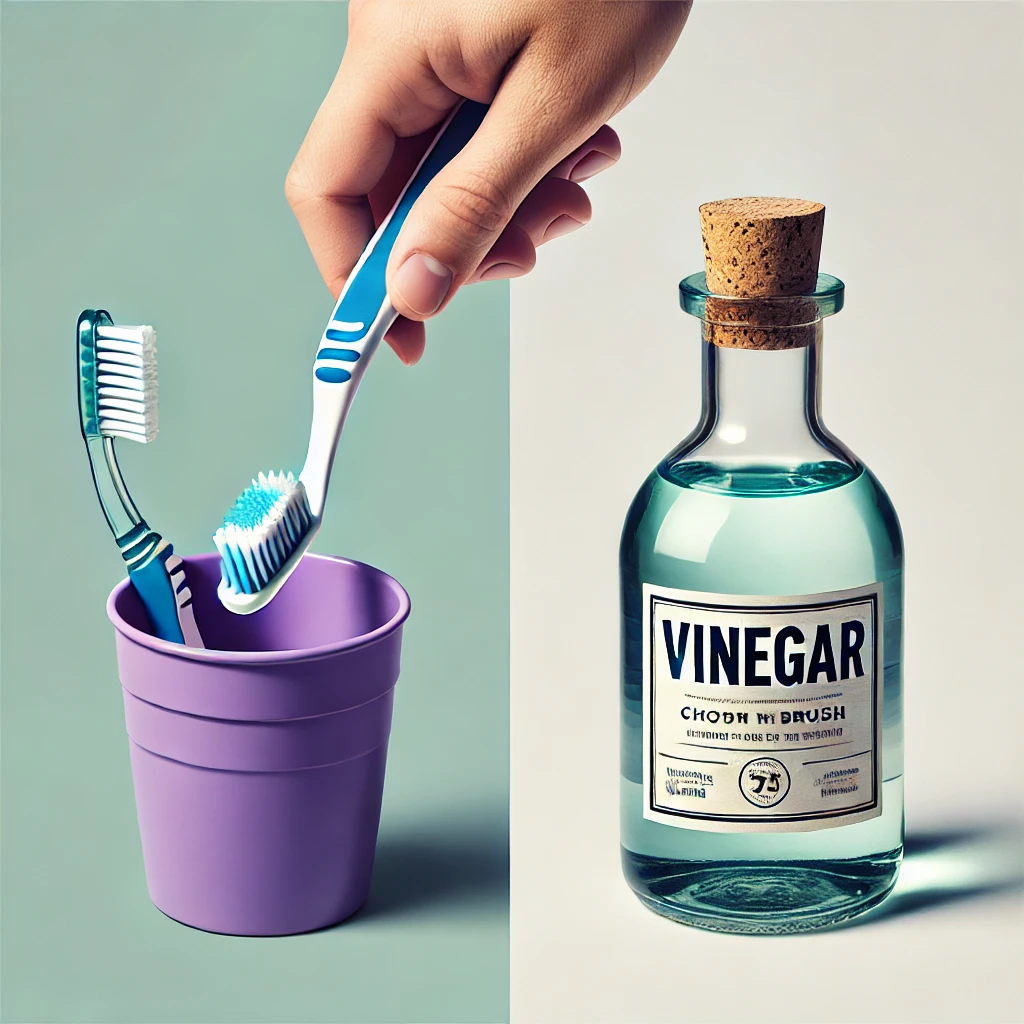
With vinegar
Step 1: Measure ½ cup of plain white vinegar.
Step 2: Pour it into a glass deep enough to cover the brush head.
Step 3: Soak 15 minutes (or longer for a deeper clean).
Step 4: Rinse and air dry.
Vinegar’s acidity reduces bacteria and helps deodorize the brush. It’s a mild sanitizer rather than a true sterilant — fine for routine upkeep, but for serious contamination use the bleach method below.
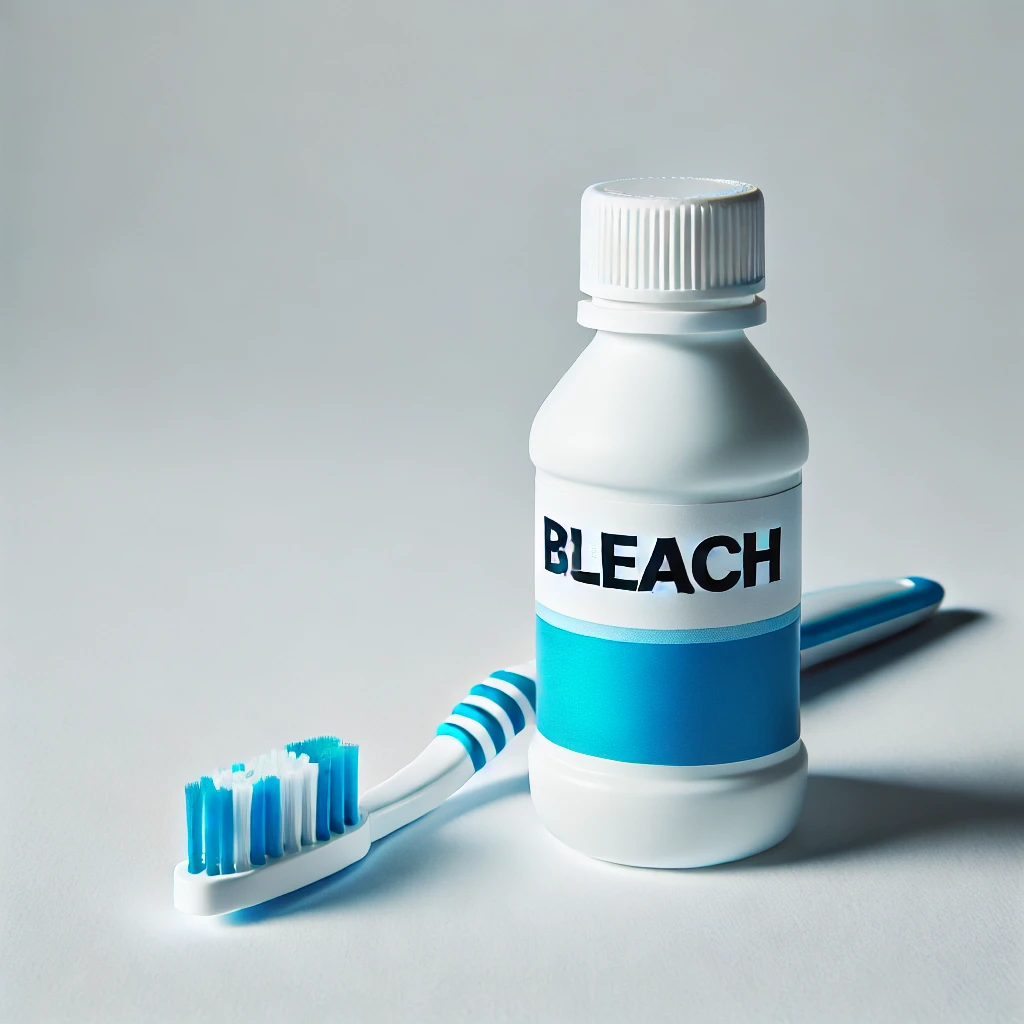
With bleach (for serious contamination only)
Bleach is strong, and really only warranted if the brush suffers a “catastrophic” contamination — like falling in the toilet. (Honestly, replacing it is often the better call.)
Step 1: Wash the brush with soap and hot water and rinse.
Step 2: Mix 2 teaspoons of bleach into 2 cups of water.
Step 3: Soak 6 minutes.
Step 4: Rinse thoroughly and air dry upright. (Never add vinegar or peroxide to the bleach solution.)
The best way to sanitize a toothbrush
There’s no single best method, but keep these in mind:
- If sanitizing is needed, do it promptly with whatever you have — peroxide, vinegar, or (for contamination) bleach.
- Protect the bristles — skip high-heat methods like the microwave or dishwasher.
- Never store the brush wet or head-down in a closed container — both let bacteria thrive.
- Remove an electric brush’s head before sanitizing.
- Rinse the handle thoroughly after every brushing.
And again: after the flu, a cold, or COVID, replace the brush rather than sanitize it.
Risks of not sanitizing
- In a shared holder, brushes touching can pass germs between family members.
- Some pathogens can potentially reinfect you.
- Sanitizing isn’t a substitute for replacement — dentists recommend a new brush every three months regardless.
FAQ
Question |
Answer |
Does boiling water disinfect a brush? |
Boiling for a few minutes kills most germs but can also warp the bristles. |
Does rubbing alcohol work? |
It can remove most pathogens, but antibacterial mouthwash is a gentler, brush-friendly option. |
How do I sanitize interdental brushes? |
Soak the head in hydrogen-peroxide-and-water, diluted bleach (for contamination), or mouthwash. |
How often should I sanitize? |
Every one to two weeks — and always replace the brush after you’ve been sick. |
Conclusion
Keeping a toothbrush clean is easy: a hydrogen-peroxide or vinegar soak for routine upkeep, bleach only for a real contamination, and an upright air dry every time. Just use one product at a time — never mixing bleach with vinegar or peroxide — and remember that after any illness, the safest step is simply a new brush.