
How to Get Rid of Armpit Stains
Pro Housekeepers is a Tampa-based nationwide housekeeping company (since 2015). This guide shows how to get rid of armpit stains on white and colored shirts — vinegar pretreats, baking-soda and peroxide pastes for whites, color-safe options, dryer rules that stop set-in stains, and chemical safety so you never mix bleach with vinegar or peroxide.
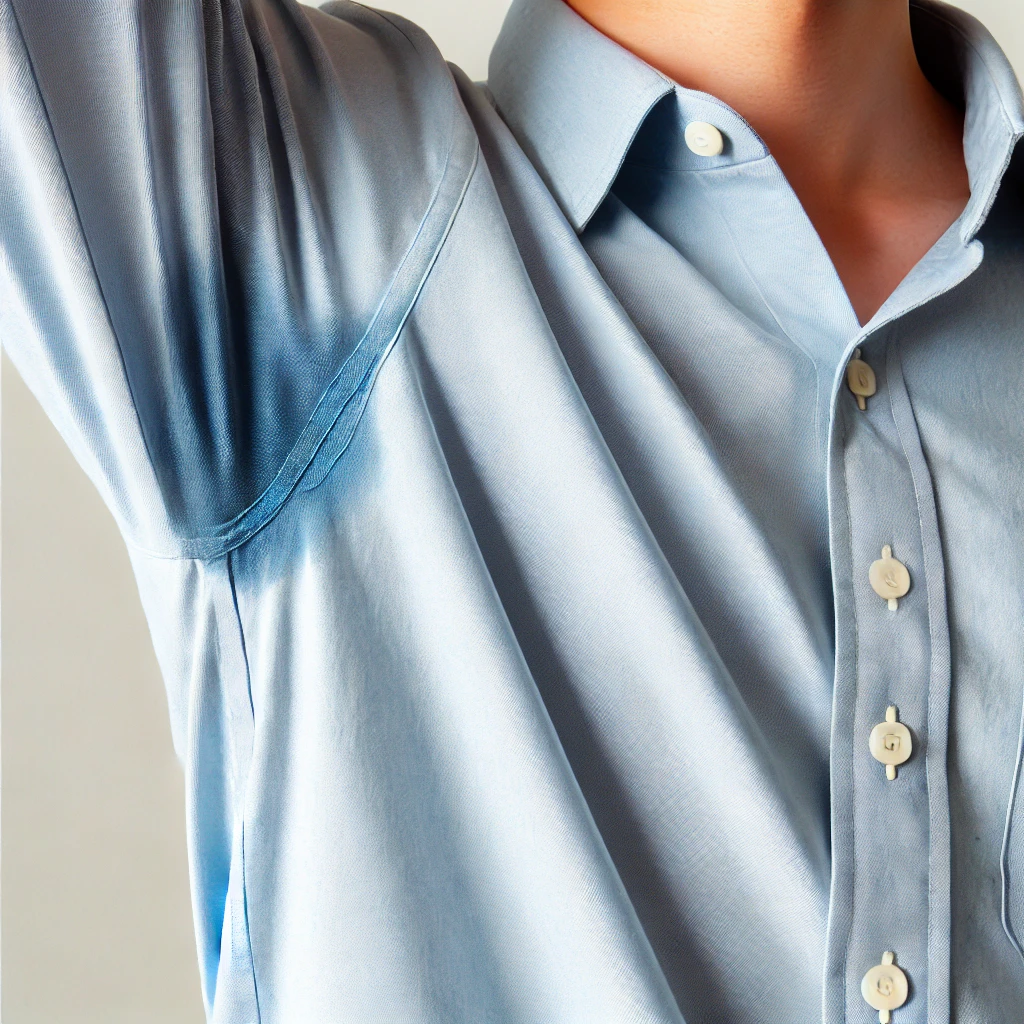
Armpit stains form when sweat compounds react with aluminum in many antiperspirants and with skin bacteria. The result is yellow rings on whites and dull or darkened patches on colors. Fresh stains lift far more easily than months-old ones. The golden rule: never put a still-stained shirt in the dryer — heat sets the mark permanently.
What causes the stain
- Sweat components (including urea and ammonia-related compounds)
- Aluminum salts in antiperspirants
- Bacteria and leftover deodorant residue in fabric
Breathable cotton, linen, bamboo, silk, and some moisture-wicking knits stain less than heavy polyester that traps sweat. Fabric care labels still win — delicates need hand methods.
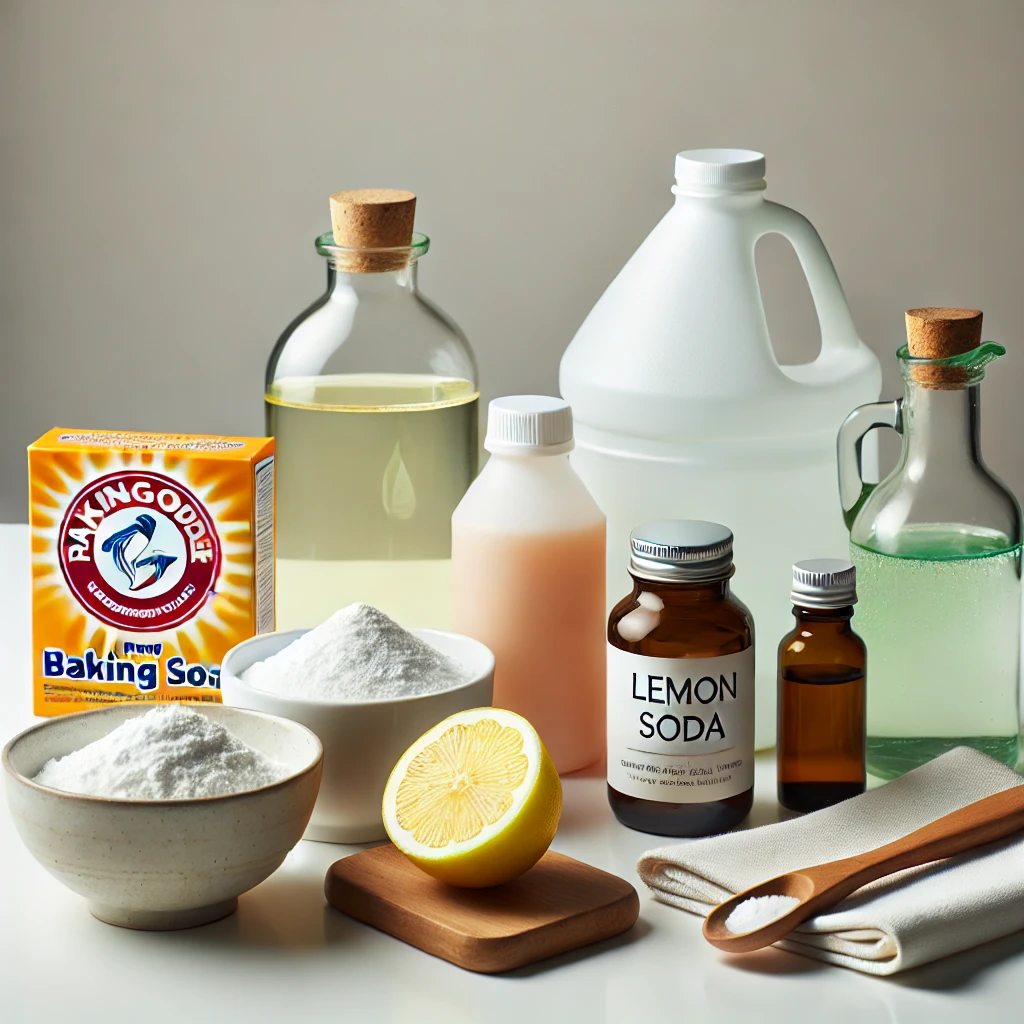
Supplies
- White vinegar; baking soda; table salt
- Hydrogen peroxide (3%) for whites / colorfast spot-tests only
- Oxygen (sodium percarbonate) bleach for whites — not chlorine bleach cocktails
- Mild soap; soft brush; laundry basin; spray bottle
Safety: use one chemistry at a time and rinse between steps. Never mix bleach with vinegar, ammonia, or hydrogen peroxide — dangerous gases can form. Spot-test colorfastness in a hem before treating the underarm.
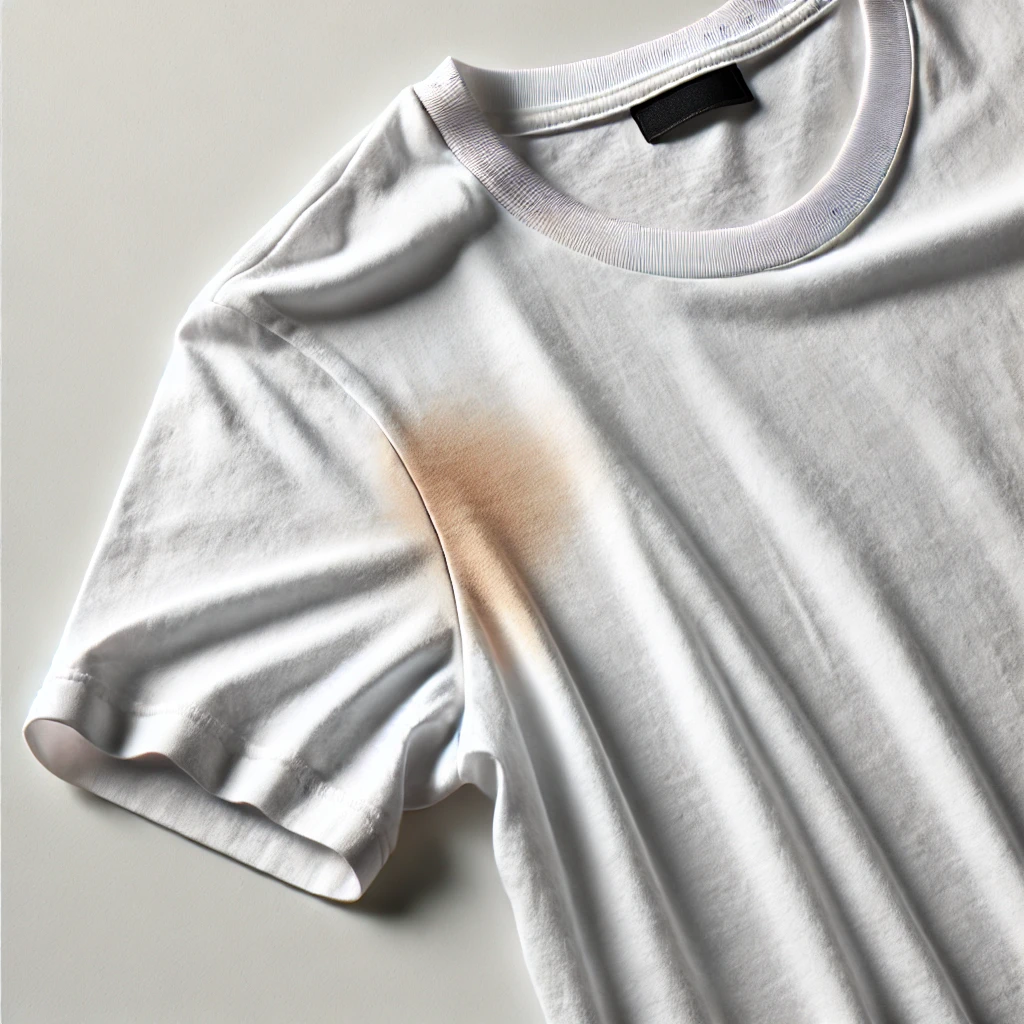
Colored shirts (no peroxide bleach)
- Spot-test vinegar on an inside seam.
- Soak the underarm area (or whole shirt) in two parts water to one part white vinegar for at least one hour.
- Wring gently; launder per the care label with your usual detergent.
- Air-dry and check. Repeat pretreat if needed — only machine-dry when the stain is gone.
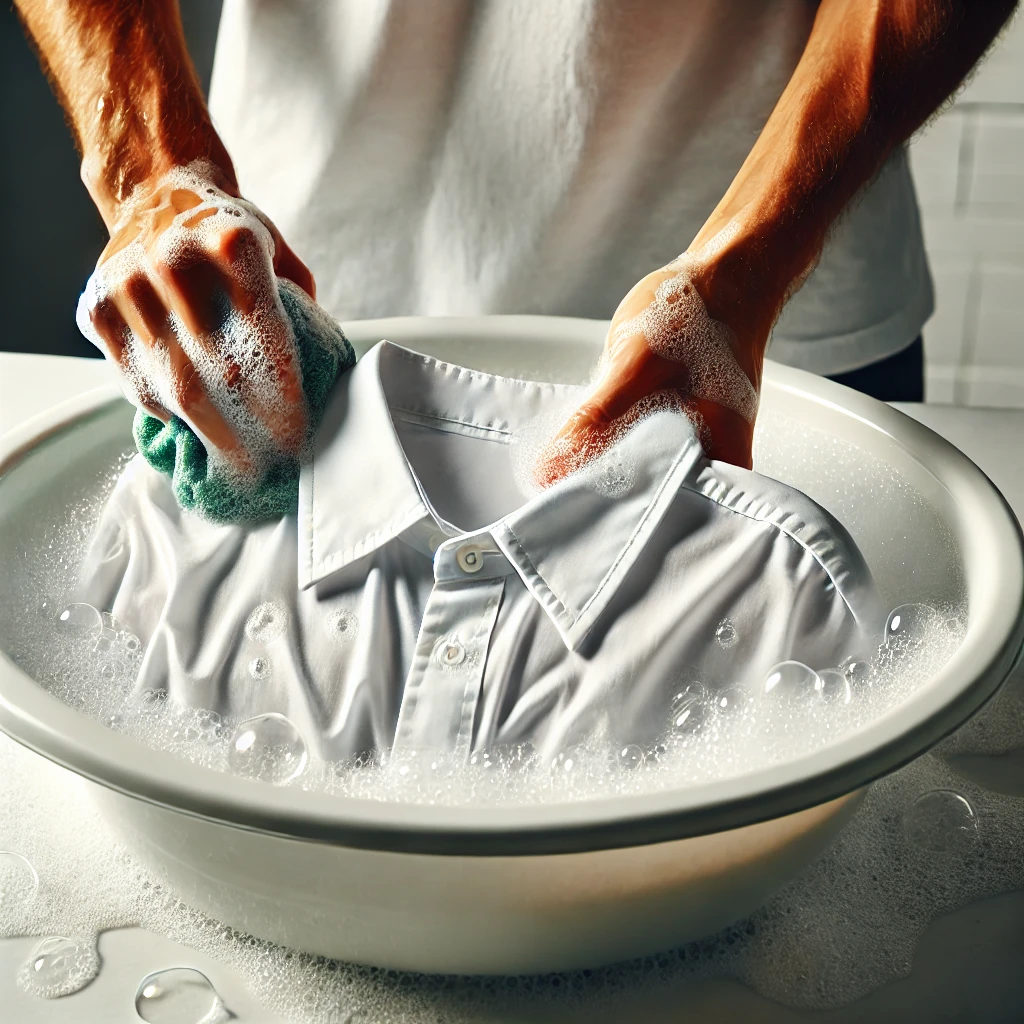
White shirts (peroxide paste after vinegar rinse)
- Soak 30 minutes in two cups water to one cup white vinegar; rinse thoroughly.
- Mix a paste: ½ cup baking soda, 1 tablespoon salt, 1 tablespoon hydrogen peroxide.
- Rub gently into the stain with a soft toothbrush; wait 20 minutes.
- Wash on the hottest setting the fabric allows.
- Air-dry. If yellow remains, repeat — do not dryer-set it.
Use the peroxide paste or an oxygen bleach soak — not stacked on top of leftover vinegar without rinsing. Skip chlorine bleach on protein-heavy yellow stains unless the label and fabric type clearly allow it; oxygen bleach is usually the safer white-shirt choice.
Sunlight assist
- Mist the damp stain with vinegar or lemon juice.
- Lay the shirt in direct sun with the underarm facing up.
- When dry, check; re-treat or launder. Limit sun on colors — dye can fade.
Prevention
- Try aluminum-free deodorant if stains are chronic
- Wear a thin undershirt under dress shirts
- Wash or pretreat sweaty clothes the same day instead of leaving them in a hamper
- Let antiperspirant dry fully before dressing
Laundry piles and bedroom floors stay nicer when the whole home is on a schedule. Pro Housekeepers’ regular cleaning and deep cleaning keep living spaces reset while you tackle textiles. Related: cleaning with vinegar, how to wash linen, and how to wash silk.
Frequently asked questions
Can old armpit stains come out?
Often yes, with repeated vinegar pretreats and (on whites) peroxide paste — but set-in dryer stains may never fully clear.
What removes deodorant buildup?
Baking soda plus peroxide on whites breaks down residue; colored shirts stay with vinegar soaks and gentle detergent.
What causes dark underarm marks?
Long-untreated residue, fragrance ingredients, or fabric dye reacting with sweat chemistry — expect multiple treatments.
Is chlorine bleach the fastest fix?
Not always, and it is risky on many fabrics. Prefer oxygen bleach on whites and never mix it with vinegar or peroxide in the same basin.