
How to Clean & Sanitize Retainers Safely
Pro Housekeepers is a nationwide housekeeping company. This guide covers how to clean and sanitize retainers safely — daily care, mild soaks, what to avoid, and when to ask your dentist — so plastic and wire appliances stay clear without harsh abrasives that scratch or warp them.
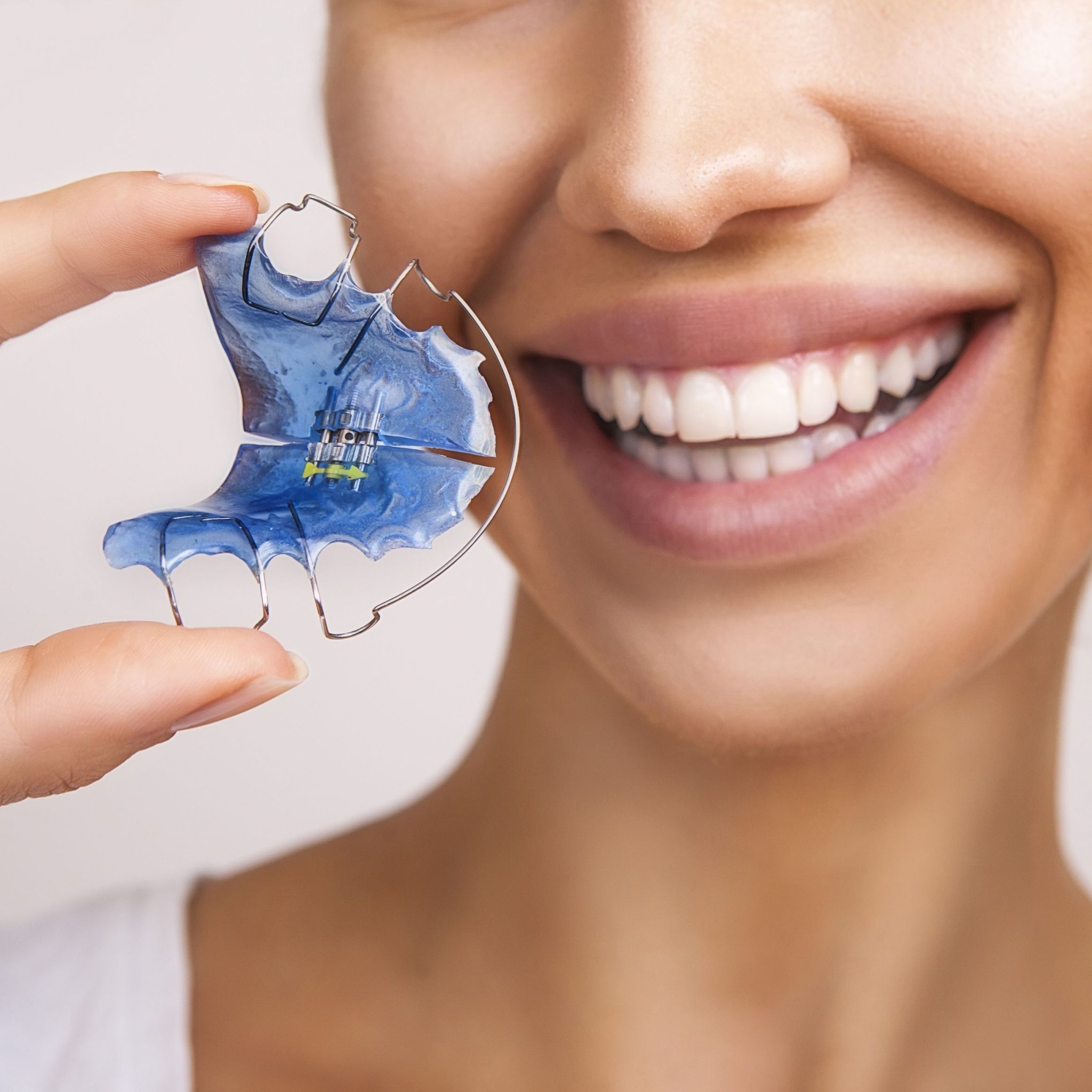
Retainers sit against teeth and gums for hours. Plaque, saliva proteins, and bacteria build up quickly, which can cause odor, cloudiness, and oral irritation. Gentle daily cleaning plus occasional deeper soaks keep them hygienic. This is general hygiene guidance — always follow your orthodontist or dentist’s instructions for your specific appliance (Hawley, clear Essix-style, permanent bonded wire, or night guard).
Why retainers need cleaning
- Plaque and bacteria transfer back to your mouth
- Calcium deposits and yellowing over time
- Bad taste or smell when neglected
- Scratches from harsh scrubbing harbor more bacteria
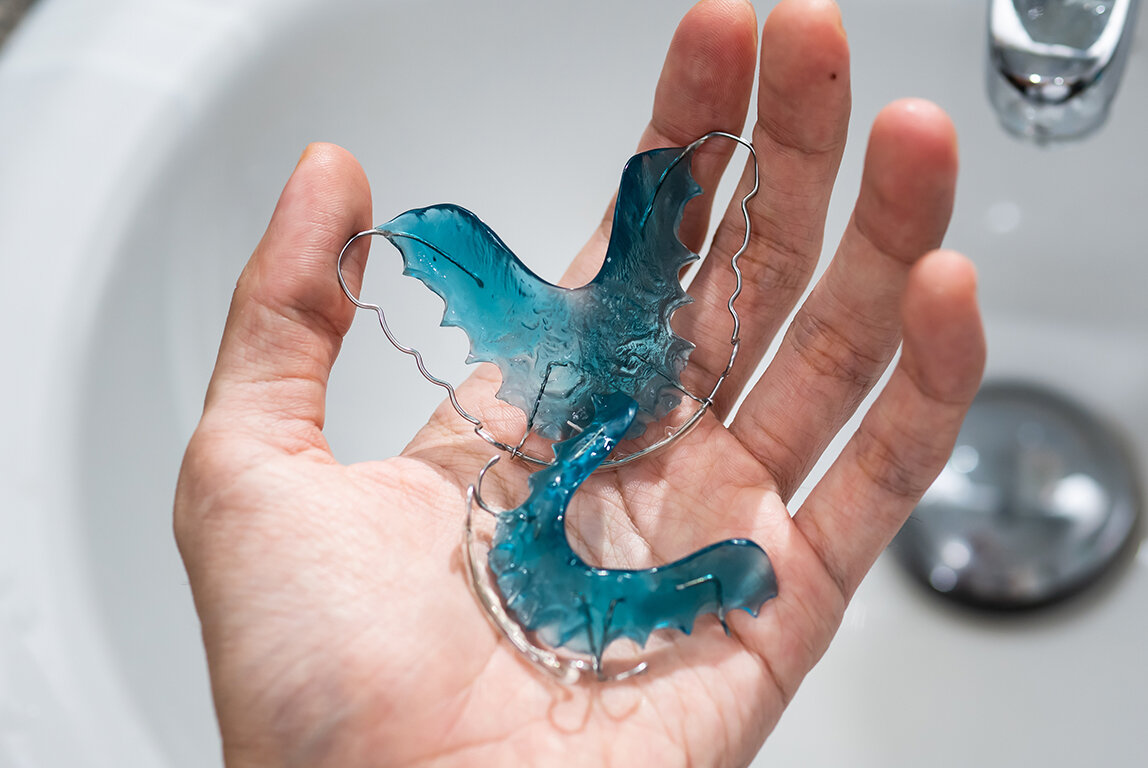
Supplies you will need
- Soft toothbrush dedicated to the retainer (not abrasive toothpaste on clear plastic)
- Mild clear liquid soap or a retainer/denture cleaner approved by your dentist
- Lukewarm or cool water — not hot (heat can warp clear plastic)
- Clean storage case; optional distilled water for soaks if your water is very hard
Safety: do not use bleach, undiluted mouthwash with strong alcohol as a daily soak unless your dentist says so, boiling water, dishwasher cycles, or abrasive powders. Never mix bleach with other cleaners. Keep cleaning tablets away from children.
Daily cleaning
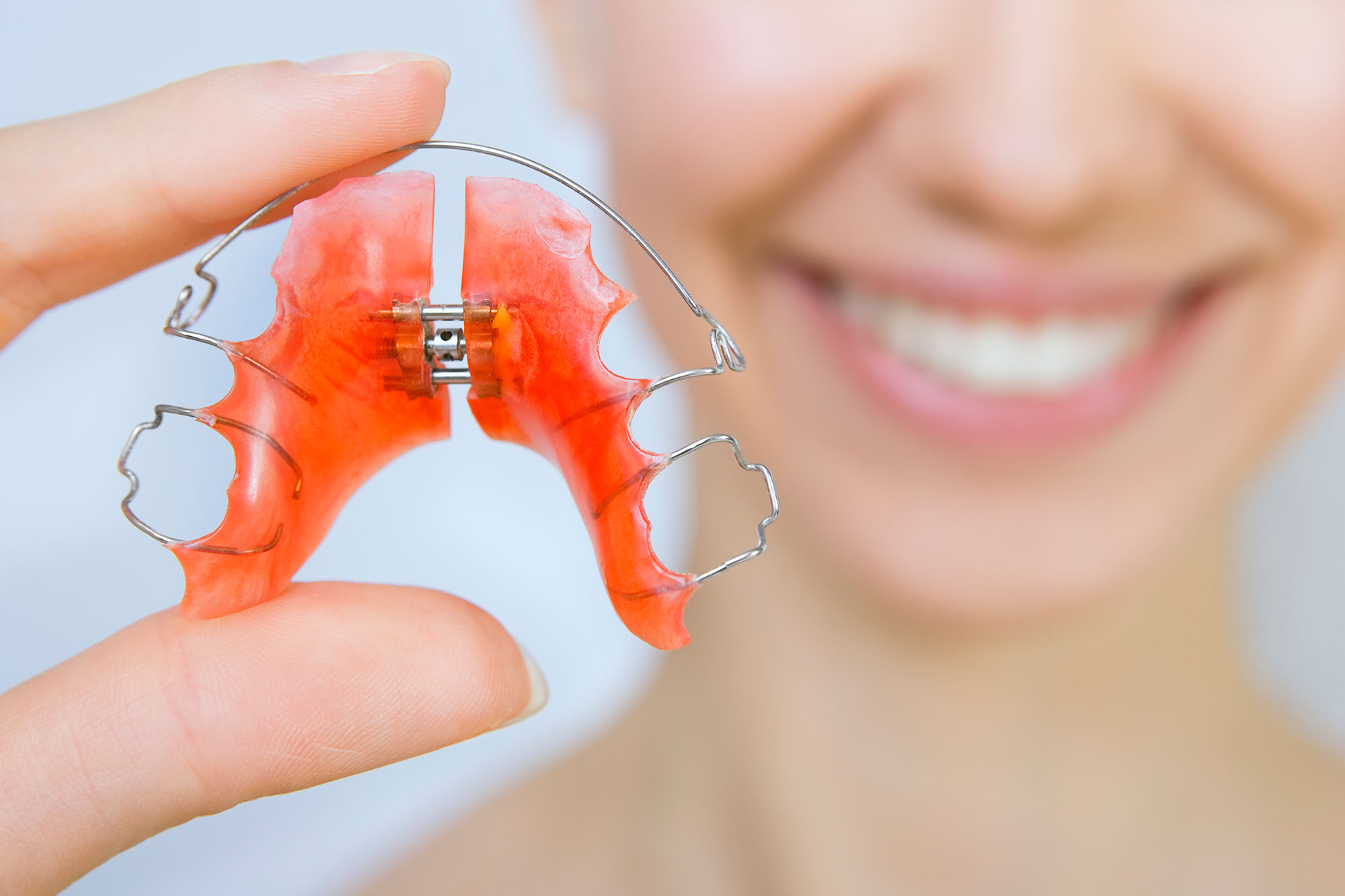
- Rinse as soon as you remove the retainer to clear saliva.
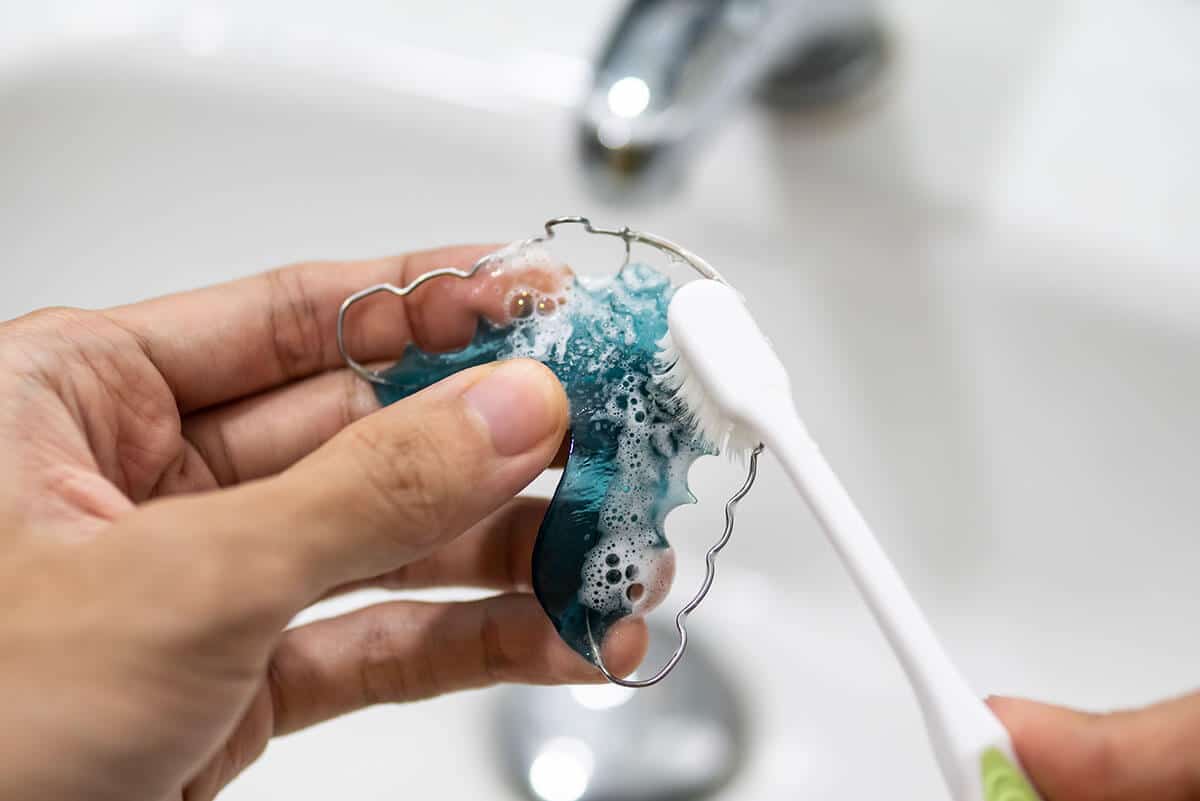
- Brush gently with cool water and a drop of mild soap or your dentist-recommended cleaner. Clean all surfaces, including grooves.
- Rinse thoroughly so no soap taste remains.
- Pat dry and store in a clean, ventilated case when not wearing it. Do not wrap in a napkin — retainers get thrown away that way.
Brush your teeth before putting the retainer back in so you are not sealing food against enamel.
How to sanitize after being sick
After a cold, flu, or mouth infection, ask your dentist what they prefer. Common approaches include a short soak in a retainer-cleaning tablet solution or a dentist-directed hydrogen peroxide soak, followed by a thorough rinse. Replace the case or wash it with soap and water. If you have been vomiting, clean the retainer carefully and consider a dental check if irritation continues.
Yellowing and crusty buildup
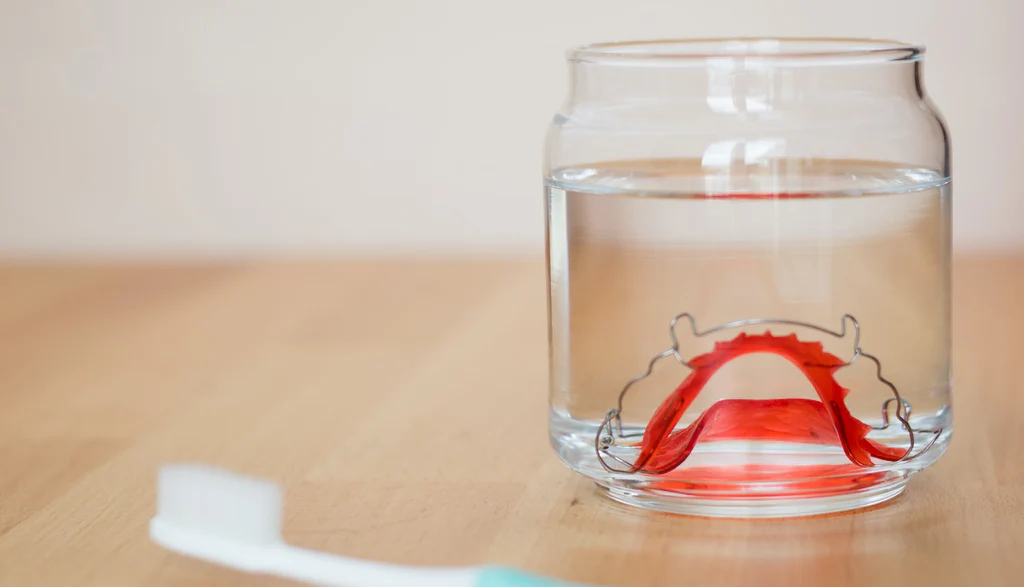
White crust is often mineral plaque. Soak in a denture or retainer cleaner per label timing — do not leave plastic in strong solutions overnight unless the product says it is safe. A 50/50 mix of white vinegar and lukewarm water for a short soak can help dissolve mineral film on some appliances; rinse very well and brush gently afterward. For stubborn yellowing, ask your dental office — ultrasonic cleaning or professional polish may be safer than DIY bleaching.
What to avoid
- Hot water, boiling, or dishwashers (warping)
- Whitening toothpaste and baking-soda scrubs (micro-scratches)
- Household bleach or undiluted essential oils
- Leaving retainers in direct sun or a hot car
- Sharing retainers or cases
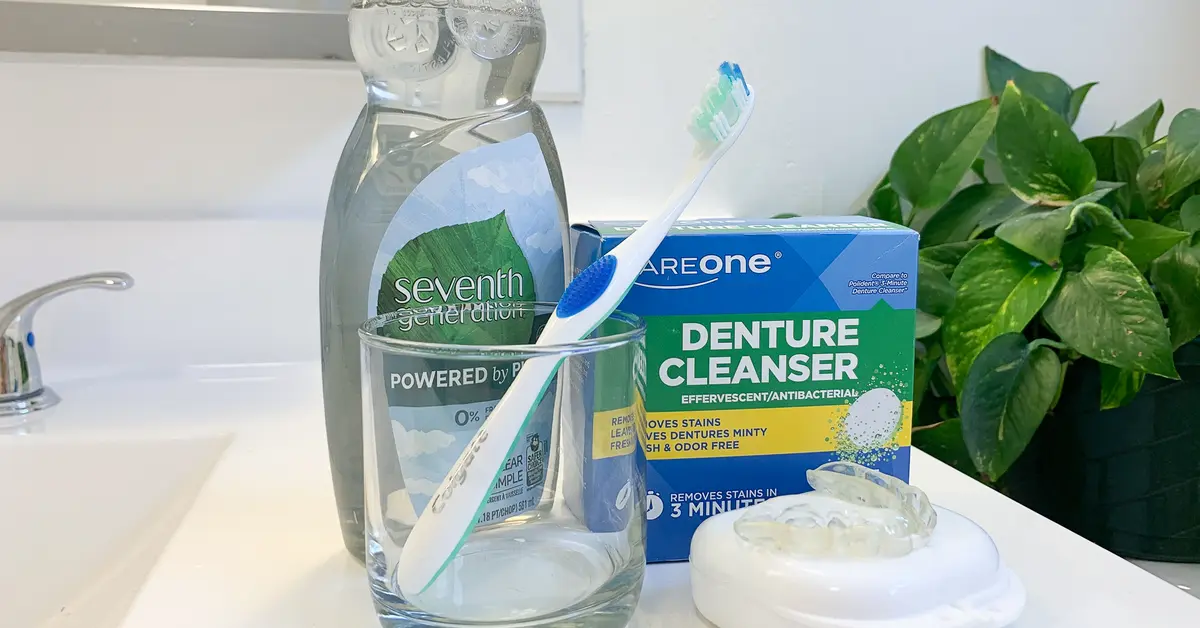
Retainer cleaners compared
- Mild soap + soft brush: best daily baseline
- Effervescent retainer/denture tablets: convenient soaks; follow time limits
- Vinegar short soak: occasional mineral help; rinse thoroughly; not for everyone — ask your dentist if you have metal components you are unsure about
- Toothpaste: often too abrasive for clear plastic; skip unless your dentist approves a specific paste
Frequently asked questions
Can I soak my retainer in mouthwash?
Some mouthwashes are too harsh or colorful and can damage plastic or leave residue. Ask your dentist before making it a habit.
How often should I deep-clean?
Daily gentle cleaning; tablet soaks a few times a week or as labeled. Replace clear retainers on your orthodontist’s schedule — cloudy scratched plastic is hard to sanitize fully.
What about permanent (bonded) retainers?
Floss with a floss threader or water flosser as taught by your hygienist. You cannot soak a wired retainer that is glued in — professional cleanings matter.
Does this relate to home cleaning?
Keep bathroom counters and toothbrush holders clean so the case does not sit in grime. For broader bathroom hygiene, see our toilet cleaning guide and book regular house cleaning when you want the space around your routine kept fresh.
Not medical advice — follow your dental professional’s guidance for your appliance.