
How to Choose the Right Disinfection Service for Your Needs
Pro Housekeepers is a nationwide housekeeping company. This guide helps you choose a disinfection approach that matches your space and risk — routine surface disinfection for most homes, versus electrostatic spraying, fogging, or UV for higher-stakes or larger facilities — without COVID-era hype or one-size-fits-all claims.
Disinfection vs. decontamination vs. sterilization
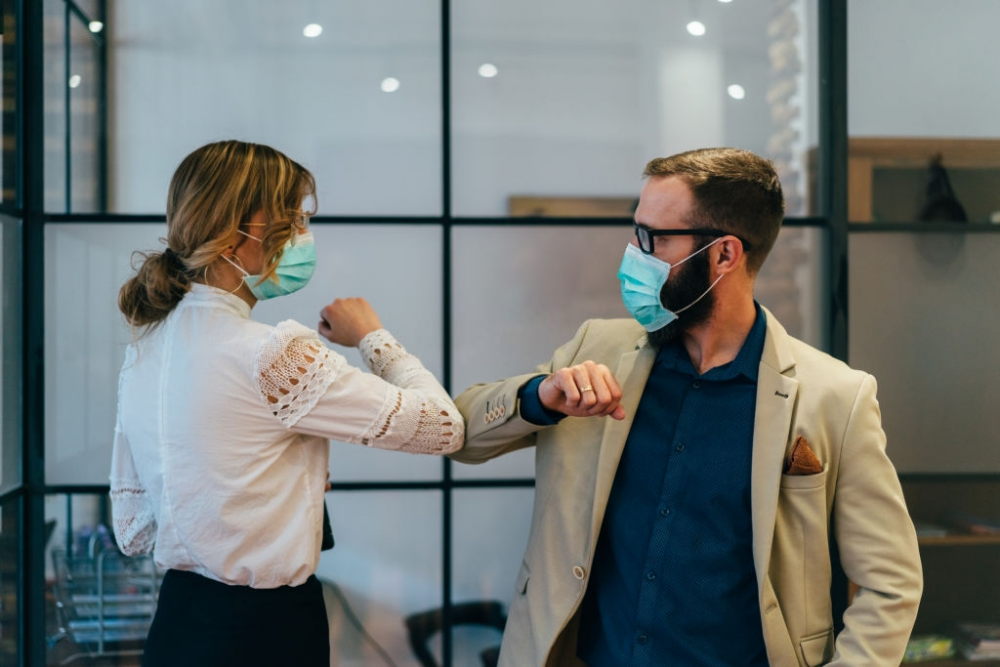
Disinfection reduces disease-causing microbes on surfaces, usually with EPA-registered chemicals used at the correct contact time. Decontamination is the broader “make it safe to occupy” process. Sterilization aims to eliminate all microbes (autoclaves, certain gases) and is rarely what a home needs. Antisepsis is for skin, not countertops.
For a typical residence or office, the priority is clean first (soil blocks disinfectants), then disinfect high-touch surfaces with a product labeled for the organisms you care about. Fogging or UV can complement that in specific cases — they are not magic replacements for wiping.
Match the method to the use case
Routine chemical disinfection (most homes and offices)
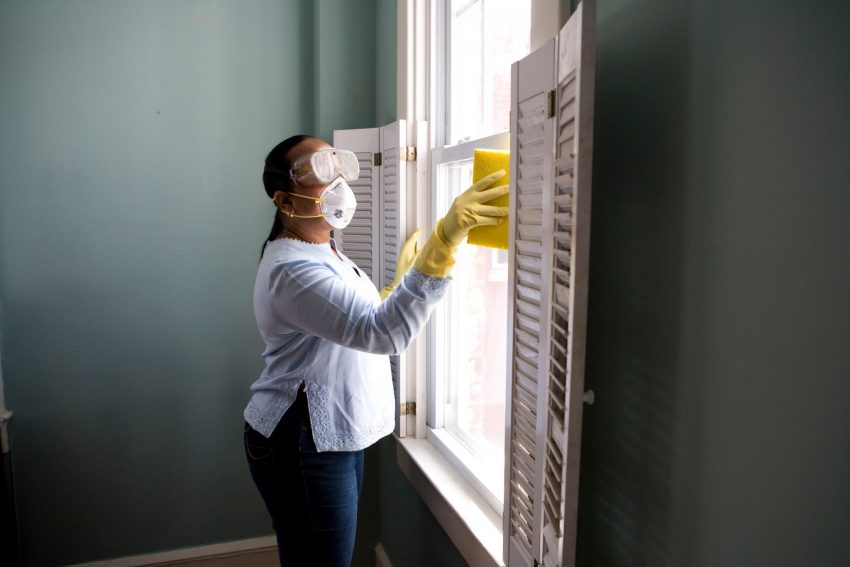
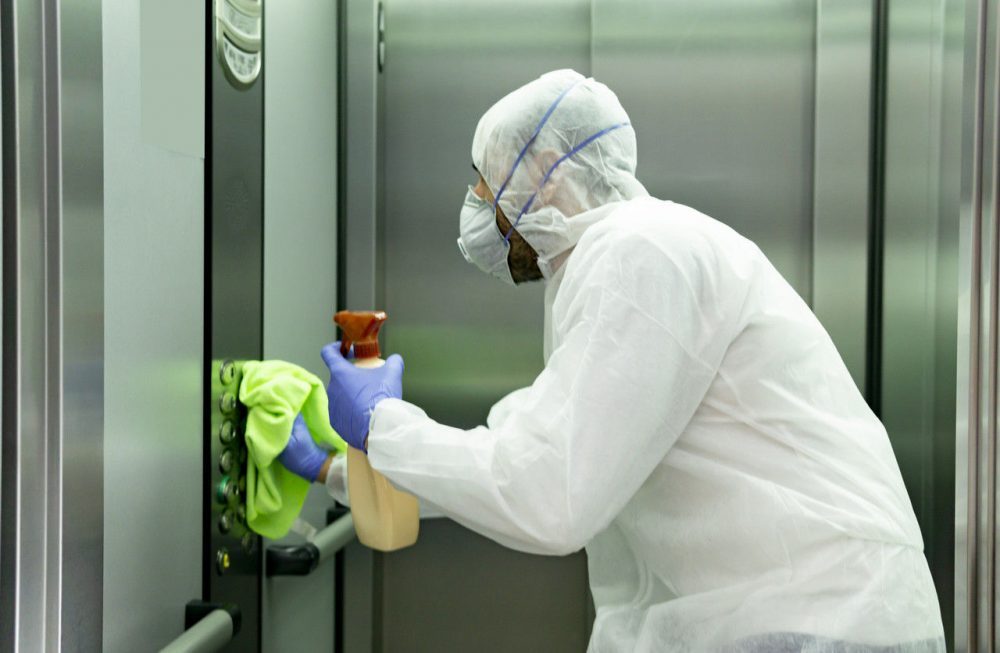
Use EPA List N–style or current EPA-registered disinfectants for hard, nonporous surfaces: doorknobs, light switches, remotes, faucet handles, toilet flushers, desk keyboards if wipeable. Clean visible dirt first. Keep the surface wet for the full dwell time on the label, then wipe or air-dry as directed. Soft surfaces usually need laundry, steam, or manufacturer-approved methods — not a bleach flood.
Electrostatic spraying
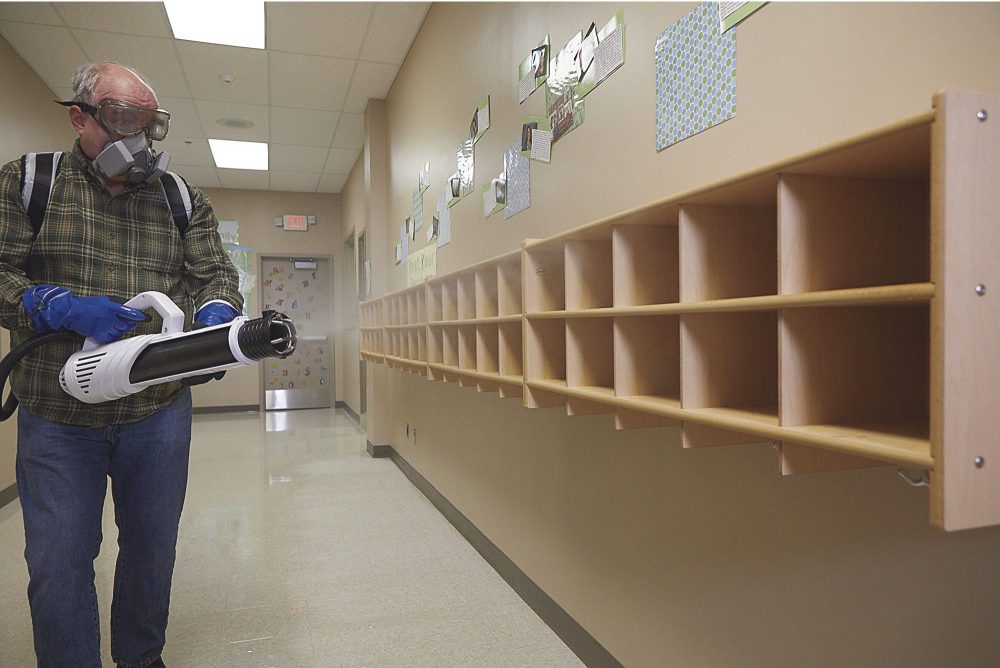
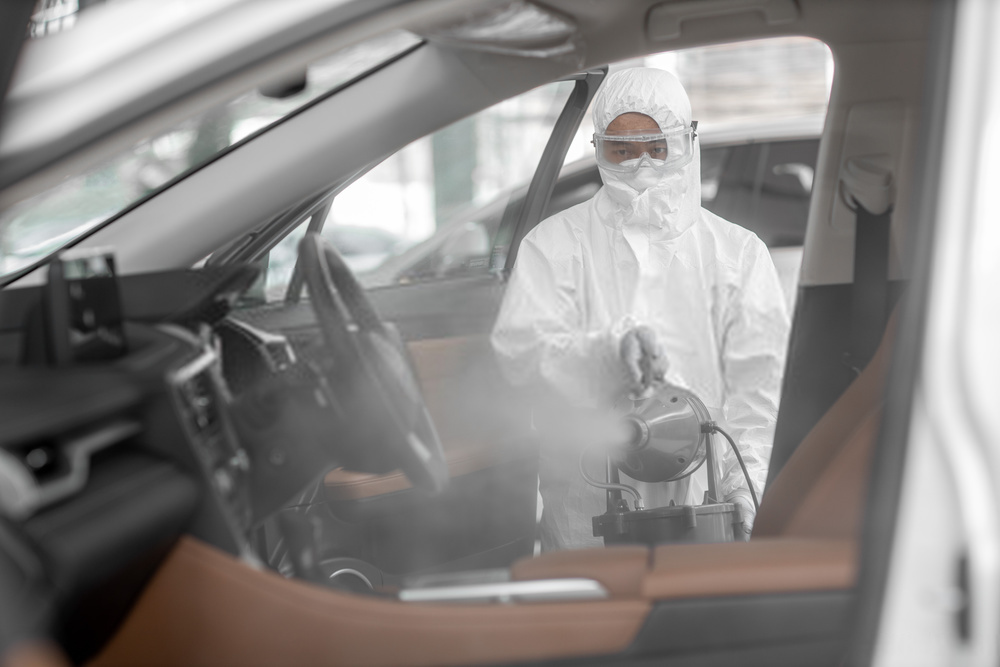
Charged droplets wrap around objects, which helps coverage on chairs, railings, and complex fixtures. It still depends on the right chemical and contact time. Best for large rooms, fleets of desks, or after illness when you want even coverage quickly. Ventilate afterward; keep people and pets out until dry and the space is cleared per the product and applicator guidance.

Fogging / misting
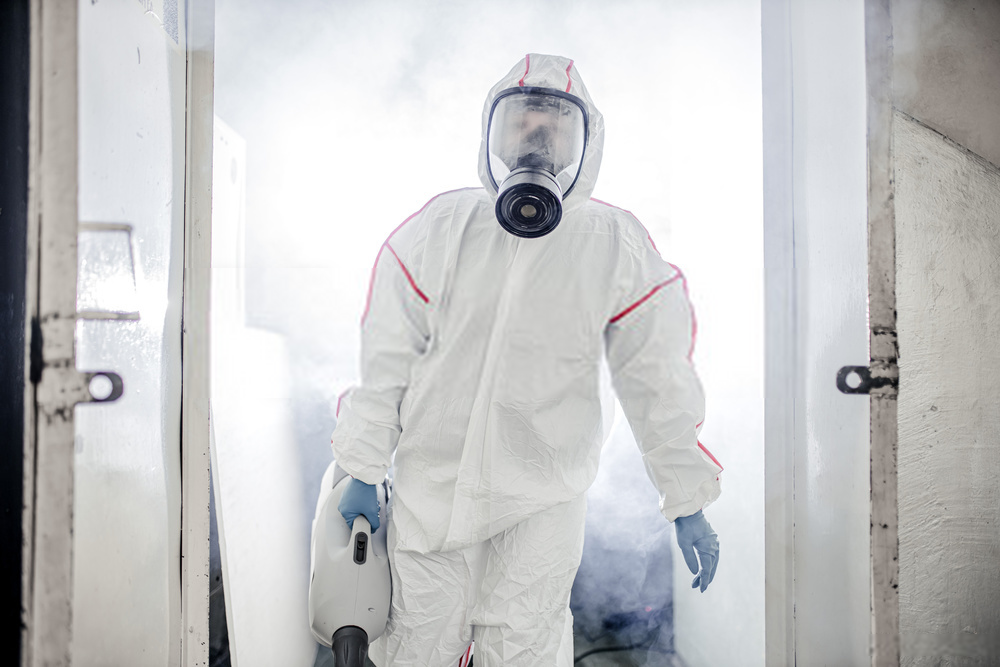
Fogging fills a room with fine droplets. It can reach crevices but requires evacuation, careful chemistry, and often a wipe-down of food-contact surfaces afterward. Overuse leaves residue and can irritate lungs. Treat fogging as an occasional whole-room option for outbreaks or vacant units — not a weekly fragrance show.
UVC and other UV systems
Germicidal UV can inactivate microbes in air ducts or on directly illuminated surfaces. Shadows win: UV does not “see around” couches. Direct UVC can damage eyes and skin — never occupy a room with an active high-output UVC lamp unless it is an engineered, interlocked system. Upper-room UVGI and in-duct UV are engineering projects, not plug-and-play home cures. Consumer “UV wands” are often underpowered or unsafe if misused.
Honest limits from the COVID years
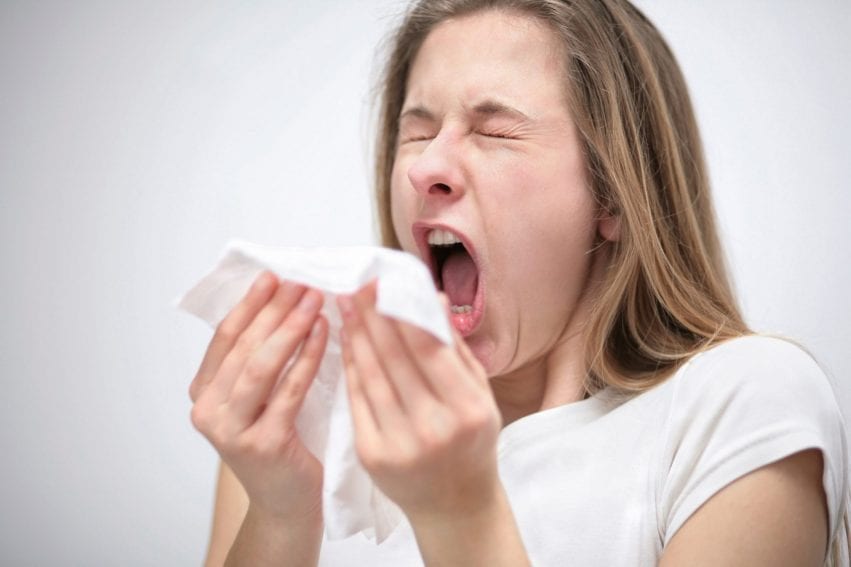
Surface disinfection matters for touch-transmitted pathogens, but respiratory viruses also travel on aerosols — ventilation, filtration, and staying home when sick still matter more than fogging every hallway. “Hospital-grade” marketing on a bottle does not equal a hospital protocol. Ask providers what EPA registration number they use, how they measure contact time, whether they clean before they disinfect, and how they protect occupants and workers.
Questions to ask any disinfection service
- What pathogens or use cases is this scoped for (routine hygiene, post-illness, food facility, clinic)?
- Which EPA-registered product and dwell time will you use?
- Will you clean soil first, or only spray?
- How long until re-entry? Any residue on desks or toys?
- Are fogging/UV additive or the whole plan?
- Insurance, training, and SDS available on request?
Quick chooser
- Family home, everyday: clean + wipe high-touch surfaces; laundry for soft goods.
- After flu or stomach bug: same, with attention to bathroom and shared remotes; isolate sick-room laundry.
- Large office / common areas: trained crew with electrostatic option for speed and coverage.
- Vacant unit or outbreak response: consider fogging or enhanced protocols only with clear re-entry rules.
- Air concerns: pair surface work with filtration/ventilation — air scrubbers help particles, not every virus claim on a brochure.
Frequently asked questions
Is bleach always best?
No. Bleach can damage finishes and fumes; many quaternary or hydrogen-peroxide products work if used as labeled. Never mix bleach with ammonia or acids.
Do I need fogging after every cold?
Usually not. Targeted cleaning and disinfection of high-touch areas is enough for most households.
Can UV replace wiping?
No. UV misses shadowed surfaces and does not remove dirt. Use it only as a designed supplement.
What about “green” disinfectants?
Choose products with clear EPA registration and proven kill claims for your target microbes; “natural” alone is not a standard.
When you want high-touch surfaces cleaned thoroughly as part of a full home visit, Pro Housekeepers’ regular cleaning and deep cleaning keep the basics covered so disinfection products can do their job.