To wash a backpack, first empty every pocket and shake out debris, then check the care label. Most fabric backpacks can be machine washed on a gentle, cold cycle with a mild, fragrance-free detergent — place the bag in a pillowcase or mesh laundry bag to protect the straps and zippers. Spot-treat stains first, skip bleach and hot water, and always air dry away from direct heat, never in a dryer. Remove any electronics before washing.
Before you start, gather your supplies and empty the bag. These steps will give you a thorough clean that leaves your backpack looking good as new.
Empty the pockets and compartments
Remove all your personal items first — backpacks collect forgotten tickets, receipts, and small objects that can lodge in seams or pockets and cause problems (or damage the material) during cleaning.
How do you machine wash a backpack?
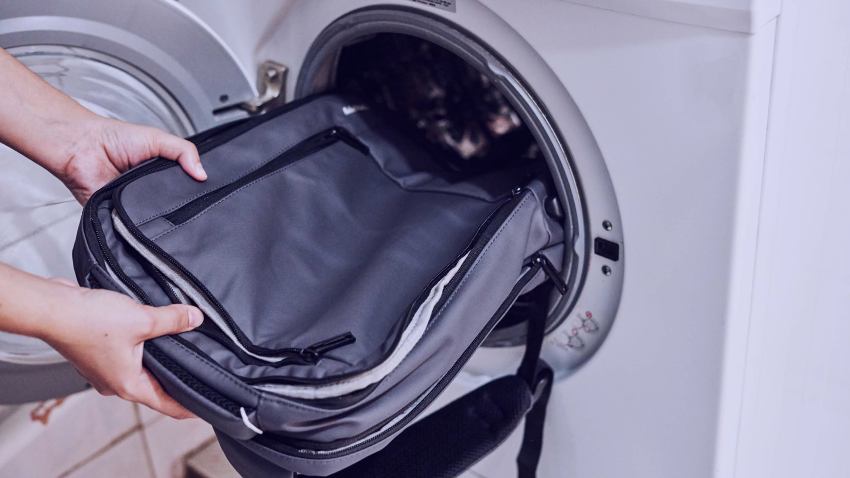
A washing machine is a practical option for most fabric backpacks, as long as you use the right settings and detergent.
Set up the washer
- Select a gentle or delicate cycle for a softer mechanical action and spin, reducing wear on the fabric and seams.
- Use a mild, fragrance-free detergent for delicates to avoid chemical damage or residue.
- Set the water to cold or lukewarm to preserve colors and prevent shrinking — hot water fades and weakens fibers.
- Place the backpack in a pillowcase or protective laundry bag, especially in a top-loader with an agitator, to keep straps and zippers from tangling. Balance the load evenly.
How do you hand wash a backpack?
For gentler, more detailed cleaning, hand washing is the way to go. Turn the backpack inside out and shake loose any debris, then gently scrub stains and soiled areas with a soft brush or cloth, mild soap, and lukewarm water.
Pay close attention to the zippers and seams, which collect dust and grime. Rinse thoroughly but avoid excessive soaking, which can harm the internal structure and materials.
Spot-treat stains
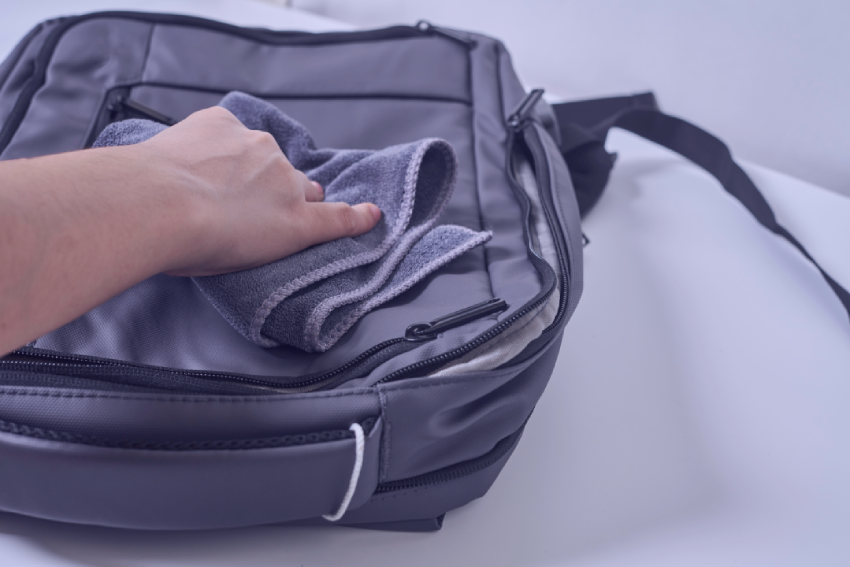
Before a full wash, tackle specific stains. Identify the mark — ink, mud, or something else — then apply a stain remover suited to your backpack’s fabric and let it sit a few minutes to break the stain down. Gently dab the area with a clean cloth rather than rubbing, which drives the stain deeper into the fibers. For stubborn stains, repeat the treatment, and always follow the manufacturer’s guidance for your backpack’s material.
How do you dry a backpack correctly?
Air dry safely
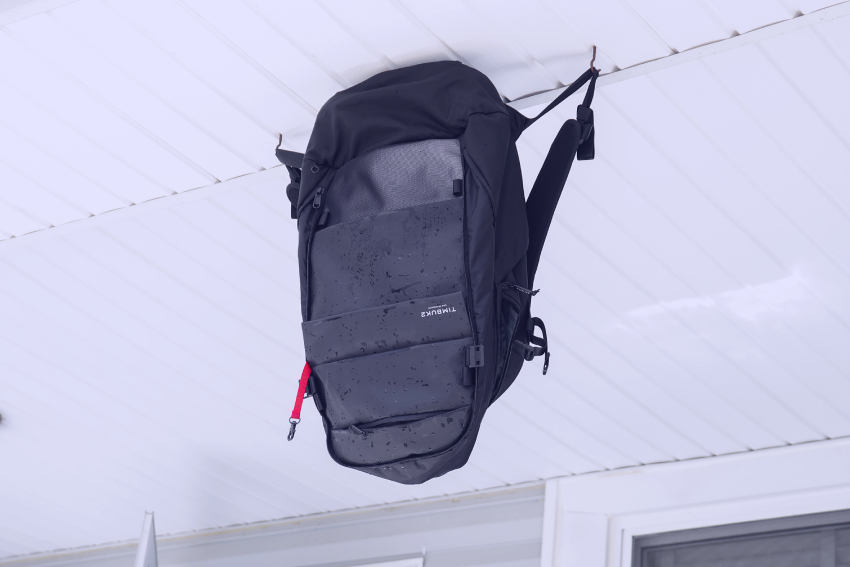
Air drying preserves the shape and function of your backpack. Don’t rush it with artificial heat like dryers or heaters, which weaken the fabric and distort the shape.
Choose a spot with good airflow, and hang or position the bag so air moves freely inside and around it — this speeds drying while avoiding heat damage and mold growth. Straighten the straps so they don’t dry bunched up, since a backpack tends to keep the shape it dries in. A partially sunny spot helps evaporation, but don’t leave it in direct sun for long, which can fade the material.
Avoid heat damage
Materials like nylon, canvas, and leather need gentle drying — direct heat can melt, shrink, or distort them. Think of it like resisting the urge to iron a delicate garment on too high a setting: stick to gentle, ambient conditions that protect the fabric.
FAQ
Can I wash my backpack in a washing machine?
Yes, in most cases — follow the manufacturer’s instructions and use a gentle cycle with mild detergent.
How do I wash my backpack by hand?
Fill a basin with warm water and mild detergent, gently scrub with a soft brush or sponge, rinse thoroughly, and air dry.
How should I dry my backpack?
Hang it up or lay it flat to air dry, away from direct sunlight and heat sources. Make sure it’s completely dry before using or storing it.
What about backpacks with electronics?
If your backpack has built-in electronics like a charger or speakers, remove them before washing and check the manufacturer’s instructions for cleaning those components.
Can I use bleach or harsh chemicals?
No — bleach and harsh chemicals damage the fabric and other materials. Stick to mild detergent and gentle methods.