Commercial cleaning is professional cleaning for non-domestic settings — offices, hotels, restaurants, medical facilities, factories, and more. It ranges from routine office cleaning to highly specialized work like handling hazardous waste, and commercial cleaners are often experts in a particular industry’s standards, equipment, and regulations. Here’s what commercial cleaning really means, the different types, and how to start (or hire) a commercial cleaning service.
Commercial vs. residential cleaning services
Residential cleaners work in private homes, vacation rentals, and similar properties, handling the household chores we all know — vacuuming, cleaning baths and showers, dusting, and basic sanitizing. A domestic cleaner leaves your home spotless.
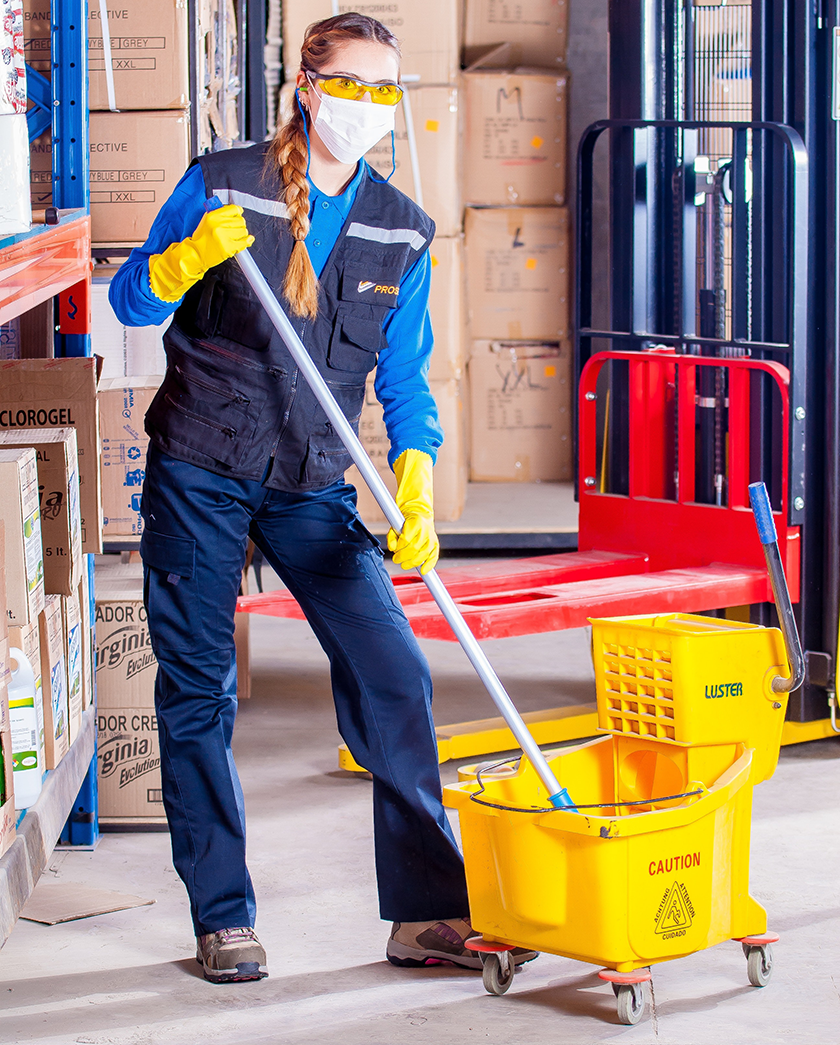
Commercial cleaners work in business and manufacturing settings, providing cleaning on a larger scale or dealing with messes you don’t find in a typical home. They’re usually experts at cleaning for a particular industry or type of premises, and may be highly qualified in specific cleaning standards and methods. (Pro Housekeepers offers commercial cleaning services across a range of business types.)
TASK |
COMMERCIAL CLEANING |
RESIDENTIAL CLEANING |
Picking up clutter |
No |
Yes |
Sweeping and vacuuming |
Yes |
Yes |
Polishing surfaces |
Yes |
Yes |
Sanitizing kitchens and bathrooms |
Yes |
Yes |
Cleaning industrial waste |
Yes |
No |
Use PPE/hazmat/respirators |
Yes |
No |
Why specialist cleaners are needed
Many industries need specialist cleaners. These are the most common reasons:
Hazmat
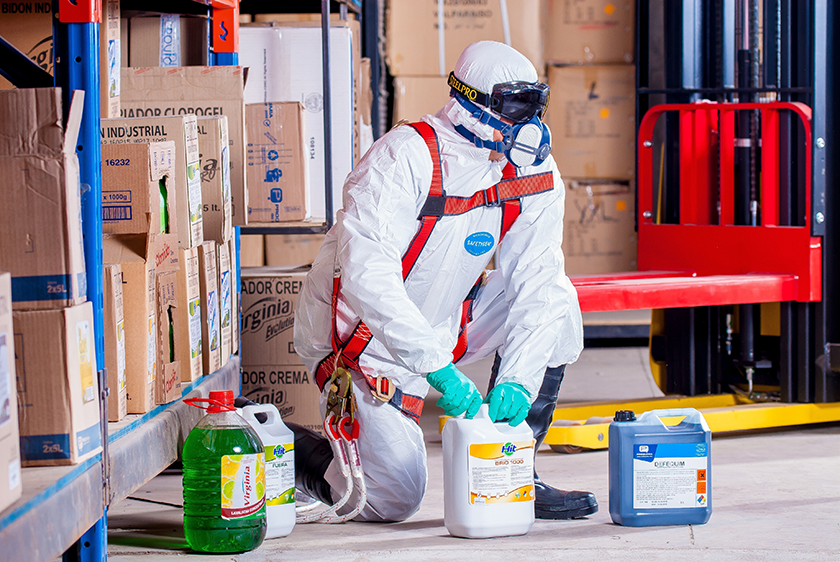
Hazardous materials can be anything from used needles in a doctor’s office to nuclear waste at a power plant. Industries that frequently deal with hazardous materials need their own cleaning and hygiene protocols, followed by highly trained commercial cleaners. This keeps everybody safe and ensures the proper disposal of any biohazards or other dangerous substances.
Hygiene standards
Food processing plants, kitchens, and medical facilities are just a few commercial settings governed by specific hygiene regulations. To protect the workers inside and the public who enter or use their products, these premises need to be cleaned by specialists who understand the regulations — which may mean using specific solutions or following exacting protocols at all times.
Extra-strength solutions
Commercial cleaning sometimes calls for stronger solutions. Most homes don’t use anything stronger than 6 percent bleach, but commercial or industrial cleaners can be far stronger. These usually require precise dilution to be used safely, so training is essential.
Cleaning machinery
At home, the largest cleaning appliance you use is probably a vacuum. In commercial settings, floor scrubbers, carpet extractors, steam-cleaning systems, and industry-specific equipment are common. These machines are expensive to buy and repair, so training in their use is essential to avoid damaging the machine or the property.
Reputation management
Even businesses not bound by specific hygiene standards may still hire commercial cleaners to boost their reputation. A clean, fresh environment makes for a more pleasant experience and keeps staff and visitors healthier and happier.
Commercial office and business cleaning services
The commercial cleaning most similar to domestic cleaning is office and small-business cleaning. These workplaces often resemble homes in their materials and furniture, so the cleaning methods are usually the same. An office kitchen is no different from a domestic one, and office carpet might be more hard-wearing than yours at home, but it’s functionally the same thing.
Commercial office cleaning tends to involve larger tasks performed periodically rather than daily — washing carpets, cleaning and sanitizing workstations and desktops, steam cleaning furniture, and disinfecting kitchens and bathrooms. Offices also hire commercial cleaners after renovations, or before and after moving premises, to minimize disruption.
- Commercial deep cleaning includes washing down walls, sanitizing high-touch surfaces, carpet shampooing, and more.
- Commercial building cleaning may involve specialist measures depending on the building’s use.
- Commercial floor cleaning uses heavy-duty equipment to handle the extra wear and tear in public spaces.
Janitorial cleaning services
Many people confuse commercial cleaning with janitorial services. A janitor or caretaker is usually a full-time staff member responsible for the day-to-day cleaning of a commercial property — sweeping floors, collecting trash, mopping and vacuuming daily, and watching for maintenance issues. Some janitors also handle deep cleans, but that’s usually a separate service.
TASK |
JANITORIAL |
COMMERCIAL CLEANING |
Sweeping and vacuuming |
Yes |
No |
Carpet shampooing |
No |
Yes |
Emptying trash |
Yes |
No |
Wash walls and windows |
No |
Yes |
Property maintenance |
Yes |
No |
Hospitality industry cleaning
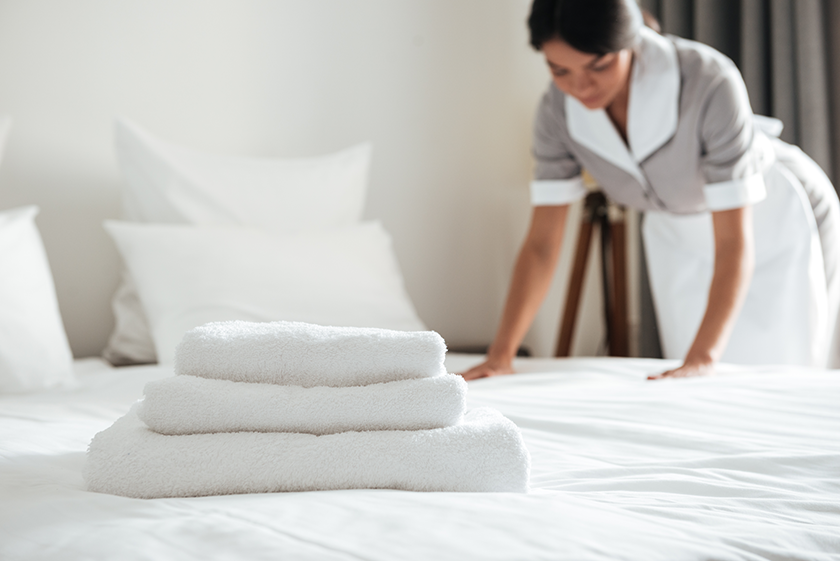
Hospitality covers businesses that cater to people — hotels, restaurants, event planning, even transportation. Maintaining the highest standards of cleanliness and hygiene matters here, because nobody wants to sleep in a dirty room or eat food prepared in an unclean kitchen.
It isn’t only about good customer service. Hundreds of regulations govern standards for food preparation and lodging. The American Hotel & Lodging Association introduced its Safe Stay guidelines in 2020 — developed with CDC guidance to enhance hotel cleaning and safety standards — and continues to maintain them as an industry-wide framework for cleanliness and guest confidence.
Commercial cleaning in hospitality includes using appropriate products to ensure food safety, eliminate pests, and reduce allergens.
- Commercial kitchen cleaning involves degreasing surfaces, cleaning under and behind appliances, and disinfecting all food-prep areas.
- Commercial restaurant cleaning also covers cleaning and sanitizing guest areas, vacuuming floors, and wiping down counters, walls, and seats.
Industrial cleaning services
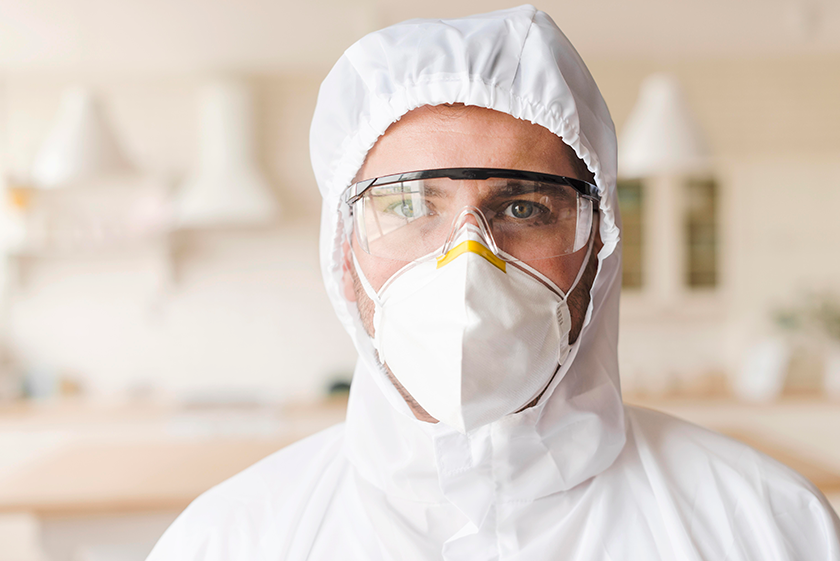
Sometimes confused with commercial cleaning, industrial cleaning deals specifically with hazardous waste — the kind found in processing centers, research labs, and power plants. This work requires extensive personal protective equipment (PPE), strict disposal guidelines, and rigorous training in handling hazardous materials. Industrial cleaning services are usually industry-specific and train and employ experts in their particular requirements.
How to start a commercial cleaning company
First, identify the type of commercial cleaning you want to offer. Some industries have training and protocol requirements and regulations governing what your company can and can’t do. Office cleaning and most hospitality cleaning are the easiest avenues to enter, but specialist cleaning can pay more. If you have experience or training in a particular industry, you may have an advantage starting there.
Consider buying a franchise
Franchising is an appealing way to start. You’re often provided with training, equipment, a business name, and an established reputation. A franchise is much easier than starting from scratch, since you have a larger company behind you helping with advertising, brand recognition, pricing structures, and regulatory compliance.
Get licensed and insured
Before taking on any work, get your business in order: register the company, obtain a business license, and take out appropriate insurance. This protects you from liabilities down the road.
Know the regulations
Anyone with a mop and bucket can call themselves a cleaner, but in a commercial setting you must understand the regulations governing your work. Some industries require specific products (or prohibit others), cleaning to strict measurable standards, or certifying the results of a deep clean. Some commercial cleaners use surface testing or bacteria meters to confirm their results.
Contact local businesses
Bidding for work as a new business can be nerve-racking, but commercial cleaners are in demand, and most businesses will hear a pitch from a new provider. Understand the scope of work for each industry and location you pitch, follow any regulations on equipment and solutions, and have a plan for disposing of waste safely and legally.
How to find commercial cleaning services near you
If you’re a business looking for a commercial cleaning service, look for a specialist who deals primarily with your industry and type of premises. A hospitality cleaner might give you the best price but won’t necessarily know how to clean your manufacturing plant — and could even leave you exposed to liability if something goes wrong.
Ask for a client list to confirm the cleaners are reputable and have the right experience. Be upfront about what’s required, even (especially) the worst aspects of the job, so the service can quote accurately.
Finally, consider what level of cleaning you need. Which tasks are essential, and are there regulations governing how, or how often, they’re performed? Factor that compliance into your search — there’s no point hiring a company for weekly deep cleans if regulations say your machinery must be cleaned daily.
Should I hire a commercial cleaner or keep the work in-house?
Commercial cleaning can be expensive, but a cleaning mistake at your business premises might cost even more. Each business should weigh the expense of hiring full-time cleaning staff and buying equipment against the cost of calling in the pros. For many, that decision comes down to complexity (how hard the premises is to clean) and frequency (how often cleaning is needed).
Relatively straightforward tasks done daily or weekly are often more cost-effective in-house. A restaurant, for example, usually trains its kitchen staff or has dedicated cleaners to sanitize surfaces each night. Some businesses rely on in-house staff for the opposite reason — their requirements are too exacting to outsource, or their equipment needs specialist knowledge to operate.
Sharing services is also common. Several businesses in one office building might share a communal janitorial service for daily needs and only call in professional cleaners for a deep clean once or twice a year. If your business shares a building with similar companies, it’s worth negotiating a shared commercial cleaning contract to cut costs.
Keeping your workplace clean and healthy matters more than ever, and demand for commercial cleaning services has grown as businesses look for reliable ways to protect their workforce from germs and viruses. Consider whether outsourcing your commercial cleaning would benefit your business.
Need a commercial cleaning partner? Explore our commercial cleaning options for offices and other workplaces, then book online or call (844) 242-9464 to talk through scope and schedule.