
How To Clean An Air Conditioner Like The Pros
Pro Housekeepers is a Tampa-based nationwide housekeeping company (since 2015). This guide explains how to clean an air conditioner like a careful homeowner — filters, coils, drains, and vents for window, wall, and central units — with power-off safety and mold cautions.
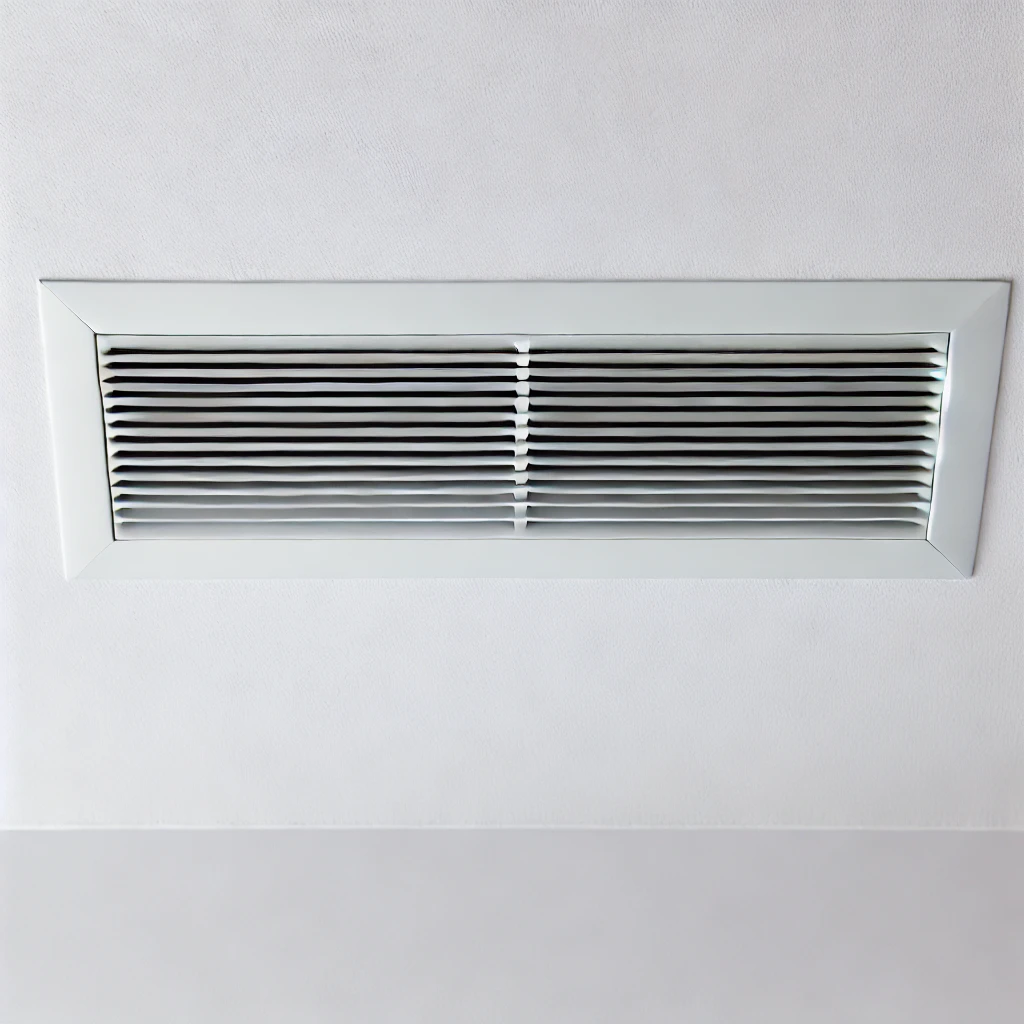
Dirty filters and coils force the system to work harder, raise energy bills, and push musty air through the house. Homeowners can handle filter changes, vacuuming accessible panels, gentle coil brushing, and drain-line flushes. Leave sealed refrigerant work, electrical repairs, and heavy black mold inside ducts to licensed HVAC techs.
Signs your AC needs cleaning
- Weak airflow or air that is not as cold as usual
- Musty smell when the unit starts
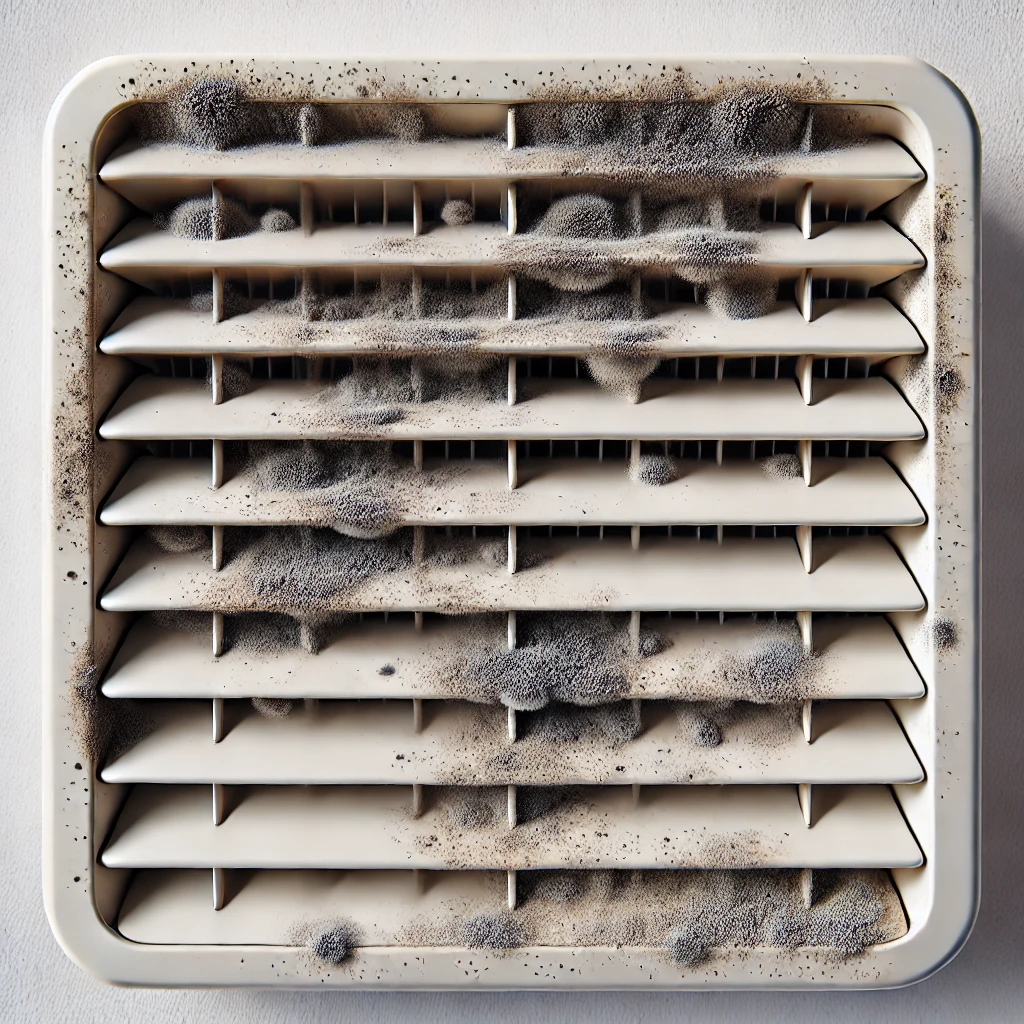
- Visible dust or mold on vents and grilles
- Rattling from debris; rising electric bills
- Standing water or sludge in the condensate pan
- It has been 2–3 months of heavy use since the last filter clean
Supplies
- Replacement filter (correct size) or mild soap for washable filters
- Vacuum with brush attachment; soft brush; microfiber cloths
- Spray bottle with water + a little dish soap, or a labeled AC coil cleaner
- White vinegar for drain lines; screwdriver; gloves; flashlight
- Optional: baking soda for mild odor control on pans (rinse after)
Safety: cut power at the thermostat and breaker (or unplug window units) before opening panels. Never spray water or vinegar into the electrical control box. Never mix vinegar and bleach. Wear a mask if you see heavy dust or suspect mold. If black mold coats insulation or deep ductwork, stop and call a pro.
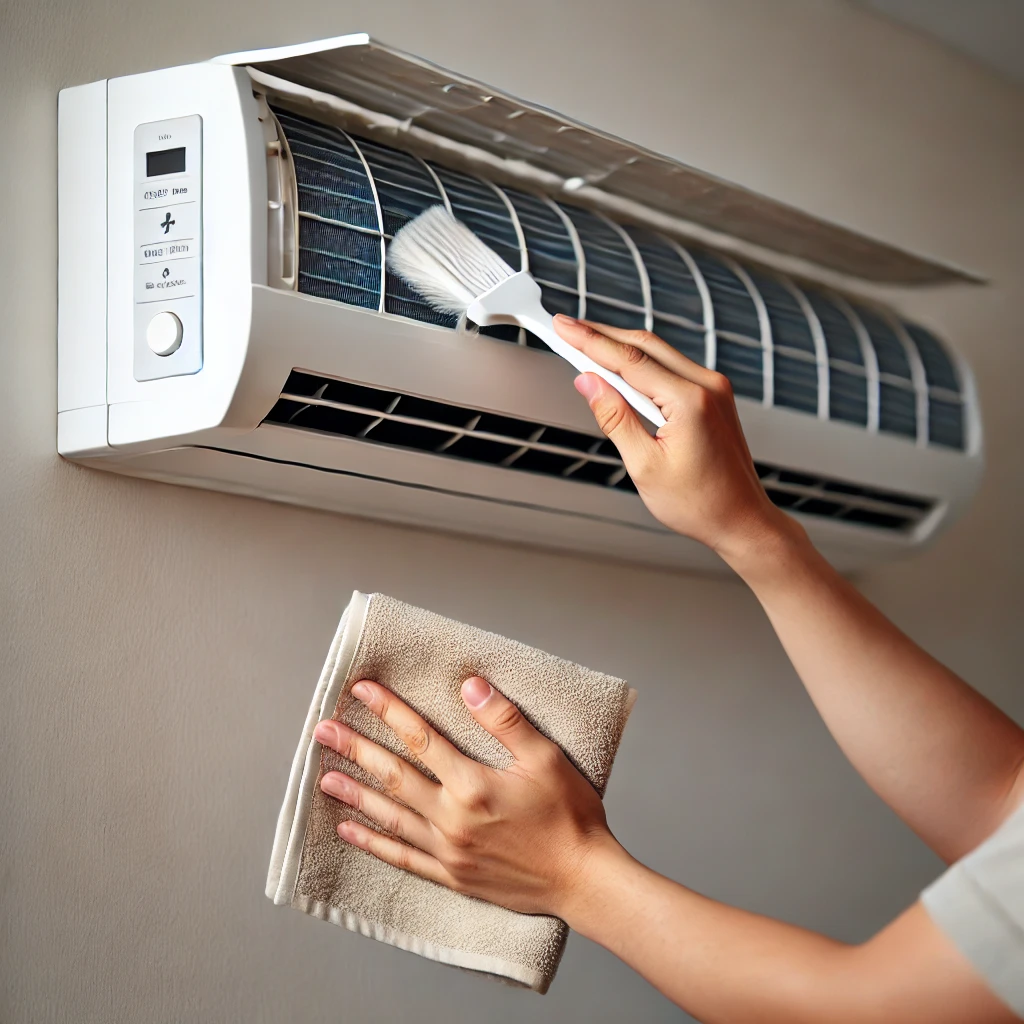
Window and wall units
- Unplug the unit. Remove the front grille per the manual.
- Take out the filter; vacuum loose dust. Wash reusable filters in warm soapy water, rinse, and air-dry fully before reinstalling. Replace disposable filters.
- Vacuum the evaporator coil fins gently along the fin direction — do not bend them. Lightly mist with soapy water or coil cleaner if the manual allows; wipe runoff.
- Clean the condensate pan; flush the drain path if accessible.
- Wipe the exterior cabinet; reassemble only when everything is dry; restore power and test.
Central air: indoor air handler
- Power off at breaker. Change or clean the filter every 1–3 months in cooling season (more often with pets).
- Open the access panel if you are comfortable; vacuum loose dust from accessible areas. Do not force tools into wiring.
- Gently brush evaporator coils if visible and dry; use coil cleaner only as labeled.
- Check the condensate drain: pour a cup of white vinegar (or hot water if the maker allows) into the drain line access to clear biofilm. Persistent clogs may need a wet/dry vac on the line or an HVAC visit.
Outdoor condenser
- Power off. Clear leaves, grass, and clutter 2 feet around the unit.
- Garden-hose the fins from inside out if the cover design allows — gentle pressure only. Straighten fins with a fin comb if bent.
- Keep shrubs trimmed so airflow is not blocked. Schedule annual pro service for refrigerant and electrical checks.
Vents and room air quality
Vacuum supply and return grilles. Wipe with a damp cloth. Closing too many vents can unbalance pressure — ask your HVAC tech before blocking rooms. For musty rooms, fix humidity and clean the source rather than masking with sprays.
Suggested schedule
- Filters: every 1–3 months in heavy season
- Accessible coils and pans: each cooling season start
- Outdoor condenser rinse: yearly
- Professional tune-up: yearly for central systems
Cleaner vents work better when dust is controlled house-wide. Pro Housekeepers’ regular cleaning and deep cleaning reduce the load on filters between HVAC service visits. If damp bathrooms feed musty air, see our mildew guide.
Frequently asked questions
Can I use bleach in the drain line?
Many techs prefer vinegar or manufacturer tablets. If you use bleach, never combine it with vinegar residue and follow HVAC guidance for your pan material.
How often should I replace filters?
Check monthly; replace when dirty — typically every 1–3 months.
Is coil cleaning DIY forever?
Light maintenance yes; bent fins, ice buildup, or refrigerant issues need a licensed tech.
Why does my AC still smell after cleaning?
Check the drain pan, filter, and ducts. Persistent mold odor may need professional duct or evaporator cleaning.