
How to Clean a Sink (Stainless, Porcelain, and Stone)
To clean a sink well, match the method to the material, wipe the basin before you tackle the drain, and finish with a dry buff so water spots do not return. Stainless steel, porcelain, and composite tolerate mild abrasives and diluted vinegar; marble and other natural stone need pH-neutral cleaners only. Baking soda plus dish soap handles most daily grime honestly — vinegar helps on stainless, but it is not a registered disinfectant and it etches stone.
Know your sink material
- Stainless steel: Durable. Use dish soap, baking soda paste, or diluted white vinegar. Wipe with the grain and dry with a microfiber cloth to reduce spots. Skip steel wool and harsh powder cleansers that scratch.
- Porcelain / ceramic: Hard surface but the glaze can scratch. Mild dish soap, non-scratch sponge, baking soda paste for spots. Avoid coarse scouring powders.
- Composite / granite-look acrylic: Usually fine with mild soap and baking soda. Confirm the maker’s care sheet before acids or solvents.
- Marble, limestone, travertine, and many natural-stone vanity tops: Acid etches. No vinegar, lemon, or toilet-bowl cleaners. Use a stone-safe or pH-neutral cleaner and a soft cloth.
If you cook and wash dishes in the same basin, food-contact-safe habits matter: rinse cleaners thoroughly and do not leave abrasive grit sitting on the surface.
Daily wipe vs deep clean
Daily (2 minutes): Clear food and hair, wipe the basin and faucet with warm water and a drop of dish soap, rinse, and dry stainless so it stays shiny.
Weekly deep clean:
- Clear the counter edge and rinse loose debris.
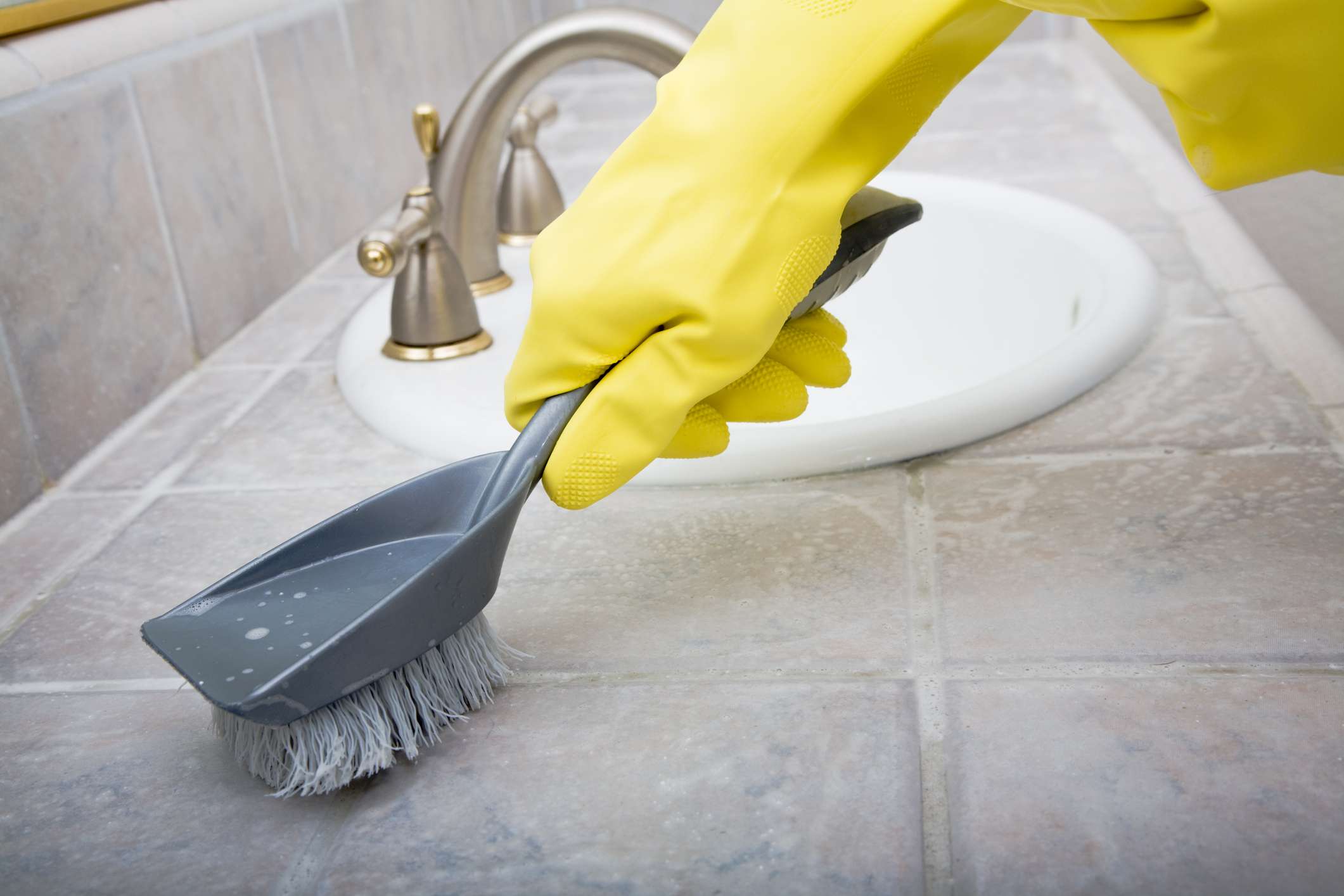
- Sprinkle baking soda on a damp basin; scrub gently with a soft sponge or cloth. Baking soda is mildly abrasive — enough for film, not a substitute for sandpaper.
- On stainless, porcelain, or composite (not stone), optional spray of 50/50 white vinegar and water lifts mineral film. Let sit a few minutes, then rinse.
- Clean the faucet, handles, and drain flange — they hold more bacteria-friendly film than the open basin.
- Rinse thoroughly and dry.
Baking soda + dish soap honesty
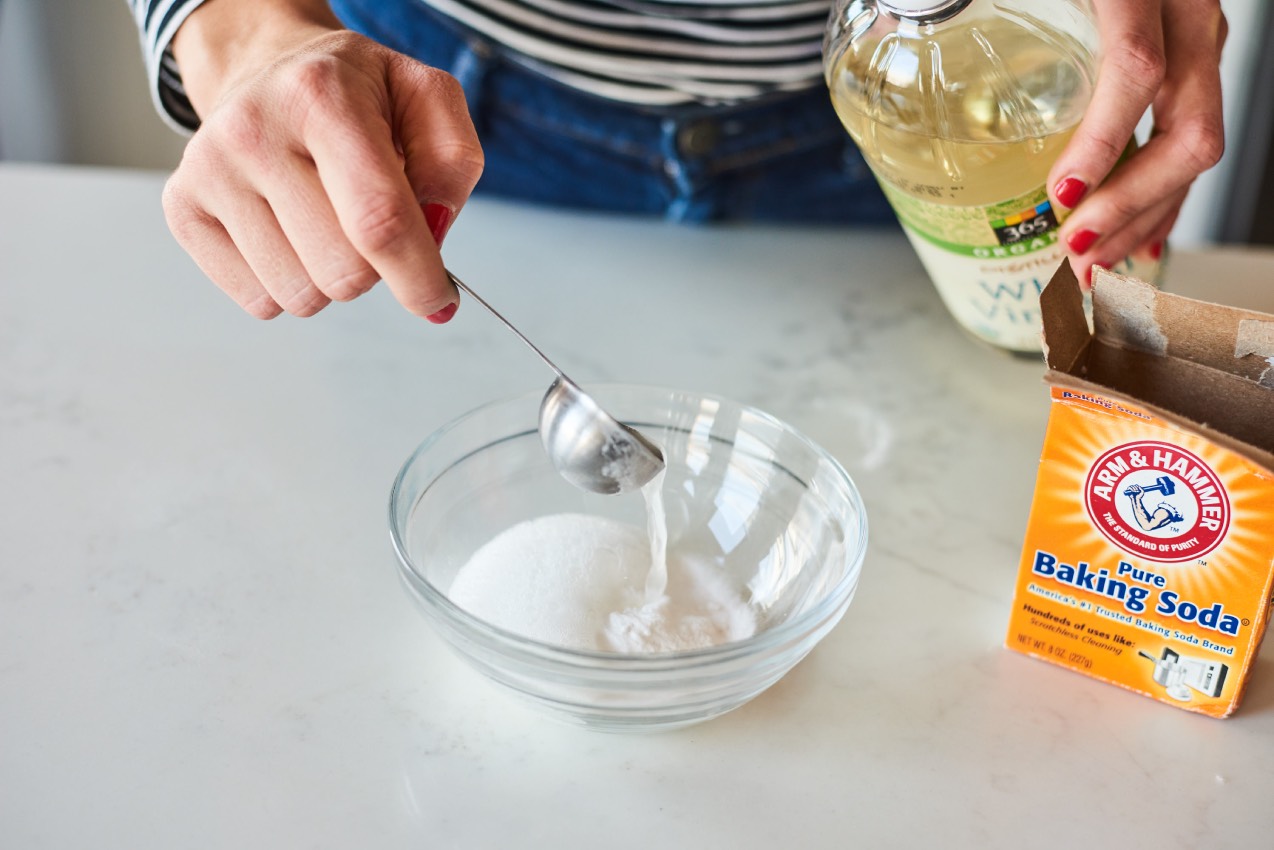
Baking soda deodorizes and gently scours. Dish soap cuts grease. Together they are the best everyday combo for most kitchen sinks. Vinegar can help dissolve mineral deposits on stainless, but:
- It is not an EPA-registered disinfectant by itself for household claims — if you need true disinfection after illness, use a product labeled for that job, follow contact time, then rinse food-contact surfaces.
- Never mix vinegar with bleach or with chlorine-based cleaners.
- Never use vinegar on natural stone.
Drain and odor care
Clean the basin first so you are not washing grit straight into a drain you just cleared.
Mild odor / light buildup: Pour about ½ cup baking soda down the drain, follow with about 1 cup white vinegar, cover briefly while it fizzes, then flush with hot tap water. This freshens and loosens light film; it is not a miracle for a solid clog.
Real clog: Prefer mechanical methods — plunger, plastic drain snake, or cleaning the P-trap with a bucket underneath — before chemical drain openers. Family Handyman and similar plumbing guides emphasize mechanical clearing first for a reason: chemicals can damage older pipes, create heat reactions, and leave caustic liquid in a standing clog.
If you do use a chemical drain opener: follow the label, ventilate, wear gloves, never mix with vinegar or another drain product, and never plunge while caustic liquid is still in the pipe.
Garbage disposals often smell from trapped food: flush with cold water while running, and avoid pouring grease. Citrus peels can freshen temporarily; they do not replace cleaning the splash guard.

What not to do
- Do not scour stainless with steel wool or gritty cleansers meant for cast iron
- Do not leave wet sponges in the basin overnight — they sour and re-soil the sink
- Do not assume one cleaner fits every vanity; stone rules differ from kitchen stainless
- Do not pour leftover bleach down a drain that still contains ammonia-based cleaner
Frequently asked questions
How often should I deep-clean a kitchen sink?
A quick daily wipe plus a weekly scrub keeps most homes fine. High-cooking households may need midweek attention around the drain flange.
Why does my stainless sink look cloudy?
Usually hard-water film or leftover soap. Vinegar-water (on stainless only), rinse, then dry with microfiber. For cookware care that matches stainless habits, see how to clean stainless steel pans.
Can I use bleach in the sink?
Diluted chlorine bleach can disinfect hard, non-porous basins when the label allows, but rinse food-contact surfaces afterward, never mix with acids or ammonia, and skip it on stone and many composites unless the maker says otherwise. Prefer soap and mechanical cleaning for routine jobs.
A clean sink is mostly habit: material-aware products, basin before drain, dry when you finish. Pair that with Pro Housekeepers’ regular cleaning or a periodic deep cleaning, and keep related rooms honest with guides like how to clean a toilet and oven cleaning.