
How to Get Rid of Mold: A Safe Cleaning and Removal Guide
To get rid of mold, fix the water or humidity problem first, then scrub the growth off hard surfaces with detergent and water and dry them completely. Wear an N-95 respirator, gloves, and goggles. Throw out moldy porous items like ceiling tiles or carpet. If the patch is larger than about 10 square feet, call a professional.
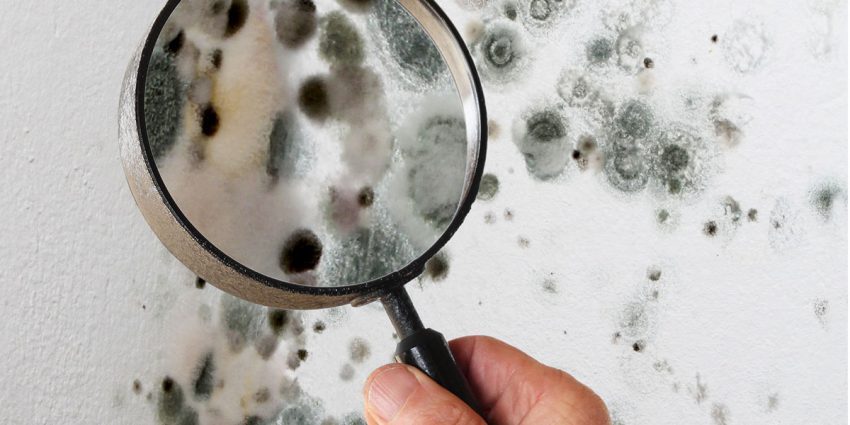
What is mold, and why does it keep coming back?
Mold is a fungus that grows on any damp surface that gives it something to feed on: paper, cardboard, wood, drywall, carpet, fabric, insulation, even household dust. Its spores are always in indoor air. They only take hold where moisture sits, which is why mold shows up around leaky pipes, failed window seals, shower corners, and basements with condensation.
That is also why it comes back. Wiping away the visible patch removes the growth, but if the leak, drip, or humid air is still there, new spores settle and the cycle restarts. The EPA’s guide to mold and moisture puts it plainly: the key to mold control is moisture control.
You do not need to identify the species before you clean. The CDC says that if you see or smell mold, you should remove it, and it does not recommend home mold testing. Black, green, white, or orange, the cleanup method is the same; the deciding factors are the size of the area and the material it is growing on.
How to get rid of mold: step by step
Use this method for a small patch of mold on a hard or painted surface. The surface-specific sections below adjust it for drywall, wood, fabric, and bathrooms.
- Measure the area. If the mold covers more than about 10 square feet (roughly a 3 ft by 3 ft patch), if it followed a flood or sewage backup, or if it is in your heating and cooling system, stop here and call a professional. See when to call a pro.
- Find and fix the water source. Tighten or repair the leaking fitting, reseal the window, clear the condensate line, or bring humidity down. Cleaning before the moisture is fixed just buys time.
- Put on protection. An N-95 respirator that fits snugly, long gloves that reach mid-forearm, and goggles without vent holes. Household rubber gloves are fine for soap and water; use nitrile, neoprene, or PVC gloves if you will use bleach.
- Contain and ventilate. Close the door to the room, lay plastic or an old sheet under the work area, open a window, and run an exhaust fan that vents outside. Turn off central air or heat that serves the room so it does not pull spores into the ducts.
- Mist, then scrub. Lightly dampen the mold so spores do not puff into the air, then scrub with a soft brush or sponge and a bucket of warm water with a squeeze of dish soap or laundry detergent. Rinse the sponge often and change the water when it clouds.
- Wipe and dry fast. Wipe the area with a clean damp cloth, then dry it completely with towels, a fan, or a dehumidifier. EPA guidance is to dry water-damaged areas within 24 to 48 hours, which is the window in which mold usually will not regrow.
- Treat lingering stains if needed. On non-porous surfaces, you can follow up with one product (3% hydrogen peroxide, undiluted white vinegar, or a diluted bleach solution) as described in the next section. Use one at a time and never mix them.
- Bag the waste and clean up. Seal used rags, sponges, and plastic sheeting in a trash bag before carrying them through the house. Wash your work clothes right away.
- Watch the spot. Check it again over the next few weeks. If mold returns, there is still a moisture problem to solve.
One rule from the EPA worth repeating: do not paint or caulk over mold. Clean it and dry the surface first, or the growth will come through the new paint.
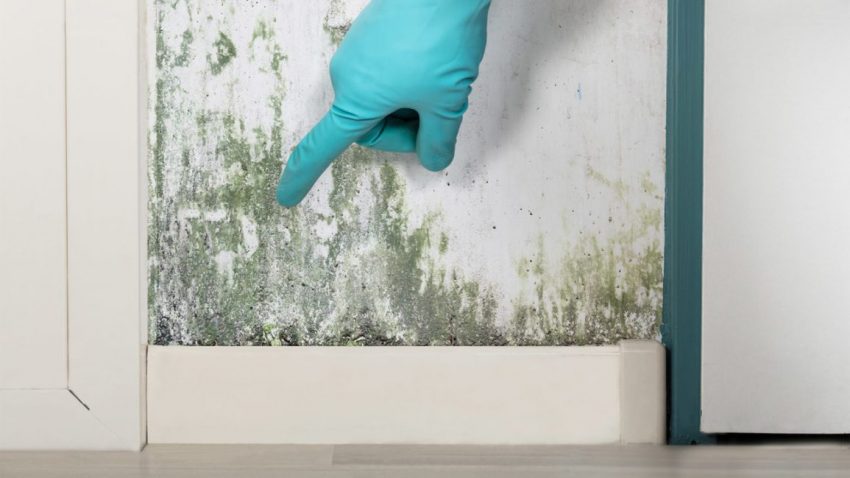
What kills mold? Detergent, vinegar, hydrogen peroxide, and bleach
For most household cleanups, scrubbing with detergent and water does the job, because the goal is to physically remove the mold, not just kill it. The EPA points out that dead mold can still cause allergic reactions, so it has to come off the surface either way. When a stain or stubborn growth remains on a hard surface, these are the common options:
- Dish soap or laundry detergent and water: the default for hard surfaces, painted walls, tile, and sealed wood. Low risk to finishes.
- Undiluted white vinegar: spray, wait about an hour, then wipe and dry. Good for shower surfaces and painted trim. Do not use on natural stone like marble or limestone; the acid etches it.
- 3% hydrogen peroxide: spray, leave about 10 minutes, scrub, and wipe. It has a mild bleaching effect, so spot-test colored grout, fabric, and wood.
- Bleach solution: for non-porous surfaces only, such as tile and sealed countertops. The CDC’s limit is no more than 1 cup of household laundry bleach in 1 gallon of water. The EPA does not recommend bleach as a routine part of mold cleanup, and it does little on porous materials like drywall and raw wood.
Never mix cleaners. Bleach plus ammonia, or bleach plus vinegar or other acids, releases toxic gas. Vinegar and hydrogen peroxide mixed in the same bottle form peracetic acid, which is corrosive to skin, eyes, and lungs. If you want to use more than one product, rinse the surface with plain water and let it dry between them.
Essential oils and lemon juice may make a room smell fresher, but they are not a substitute for scrubbing the growth away and fixing the moisture.
How to remove mold from walls
Painted walls and plaster are the most common place people spot mold, usually in the corners near the ceiling or floor of a bathroom, laundry room, kitchen, or basement, and on exterior walls behind furniture where air does not move.
- Pull furniture away from the wall and lay plastic or a drop cloth below the area.
- Lightly mist the mold with soapy water so spores stay put.
- Scrub with a sponge or soft brush and warm water with dish soap, working from the outer edge of the patch toward the center.
- Wipe with a clean, barely damp cloth.
- If a shadow remains, spray 3% hydrogen peroxide or white vinegar (one, not both), wait, then wipe again.
- Dry the wall completely with a fan aimed at it. Leave furniture a few inches off exterior walls so air can circulate.
- Once the wall is dry and clean, a stain-blocking primer and a mold-resistant paint can cover any remaining discoloration.
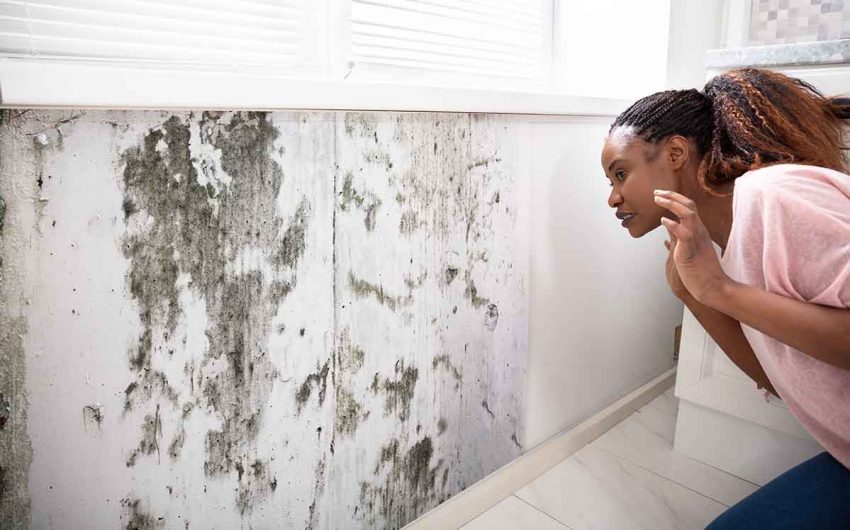
How to clean mold off drywall
Drywall is gypsum wrapped in paper, and the paper is exactly what mold feeds on. Water also ruins it, so treat drywall gently. If the board is soft, crumbling, swollen, or the seams have opened, it cannot be saved; the moldy section needs to be cut out and replaced, which is a job for a contractor if the area is large.
For light surface spots on painted drywall that is still firm:
- Brush or HEPA-vacuum loose growth without wetting the wall.
- Wipe with a cloth that has been dipped in soapy water and wrung out until barely damp.
- Follow with a light mist of 3% hydrogen peroxide, wait 10 minutes, and wipe gently in small circles. Do not scrub hard or you will tear the paper face.
- Dry immediately with a fan. Prime and repaint only after the wall is fully dry.
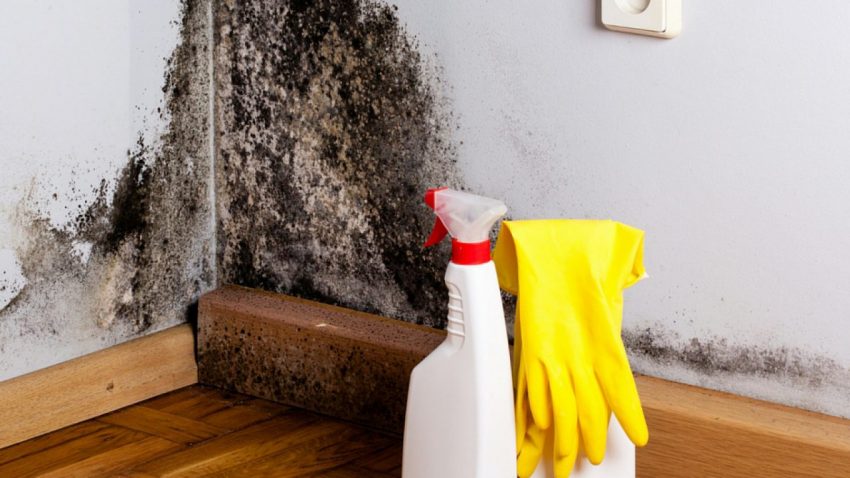
How to clean black mold
“Black mold” usually refers to dark-colored molds, and the scary reputation comes from Stachybotrys chartarum. Color alone does not tell you which mold you have, and the CDC’s advice is the same for all of them: remove it and fix the moisture. Small patches of black mold on tile, grout, or painted surfaces clean up with the step-by-step method above. Wear the full respirator, gloves, and goggles every time.
Large black mold growth on drywall, insulation, or wood framing almost always means a long-running leak. That falls under the professional thresholds below.
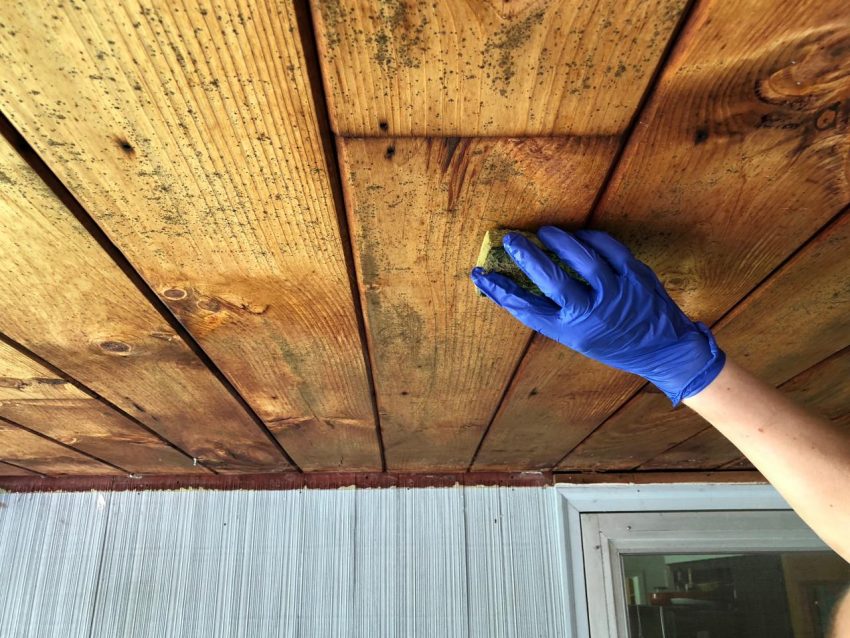
How to clean mold from wood
Raw and unfinished wood is porous, so mold can grow into the grain. Painted or sealed wood is easier, because the finish keeps growth on the surface.
- HEPA-vacuum loose mold, using a soft brush attachment to loosen it.
- Mix about 1 teaspoon of dish soap into 2 cups of warm water in a spray bottle. Spray the area and scrub with a soft-bristled brush.
- Blot up extra water with paper towels. Wood should never be left wet.
- For unfinished wood, brush on a solution of 1 tablespoon of borax dissolved in 1 cup of hot water and let it soak in rather than rinsing it off.
- Dry the wood quickly with a fan or dehumidifier.
- If a stain remains on raw wood once it is dry, lightly sand the spot with 100-grit sandpaper while wearing your respirator, then vacuum the dust with a HEPA vacuum.
Skip bleach on wood. It does not penetrate the grain well and can leave blotchy light spots. For painted trim, doors, and baseboards, soapy water followed by a wipe of white vinegar is usually enough.
How to get rid of mold on fabric, leather, and in the washer
Washable fabric. Take the item outside and brush off loose mold. Then launder it on the warmest water the care label allows. White and colorfast fabrics can take laundry bleach at the label’s dose; never use bleach on wool or silk. For fabric you cannot bleach, pre-soak in about 1/4 cup of white vinegar per gallon of water, then wash as usual. Dry completely, in the sun if possible.
Upholstery, mattresses, and carpet. A small surface spot can be vacuumed with a HEPA vacuum and spot-cleaned according to the furniture’s cleaning code. If the item was soaked and could not be dried within a day or two, or mold has grown into the padding, the EPA advice for porous materials applies: it may have to be thrown away.
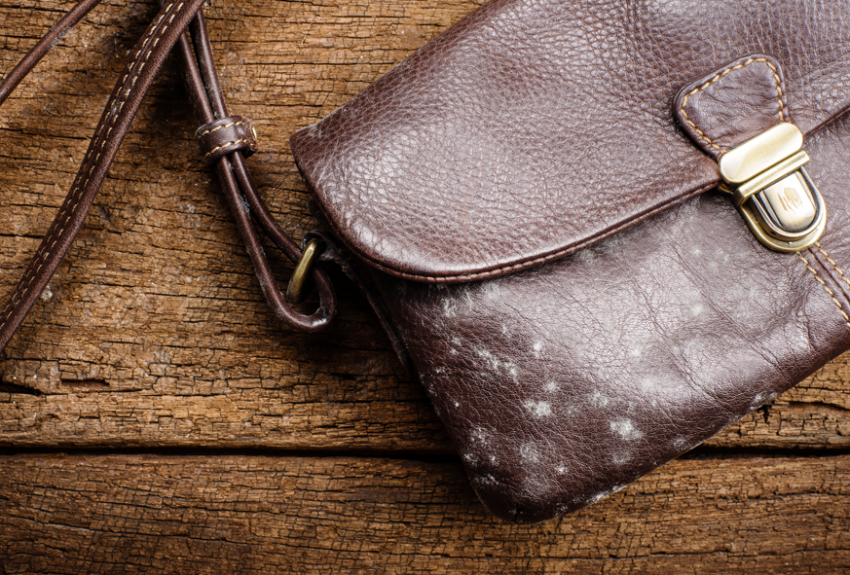
Leather. Work outdoors. Brush off the growth, then wipe with a cloth dampened in mild soapy water or a leather cleaner. For stubborn spots, wipe with a cloth lightly dampened with rubbing alcohol after testing a hidden area. Let the leather air-dry away from direct heat, then condition it.
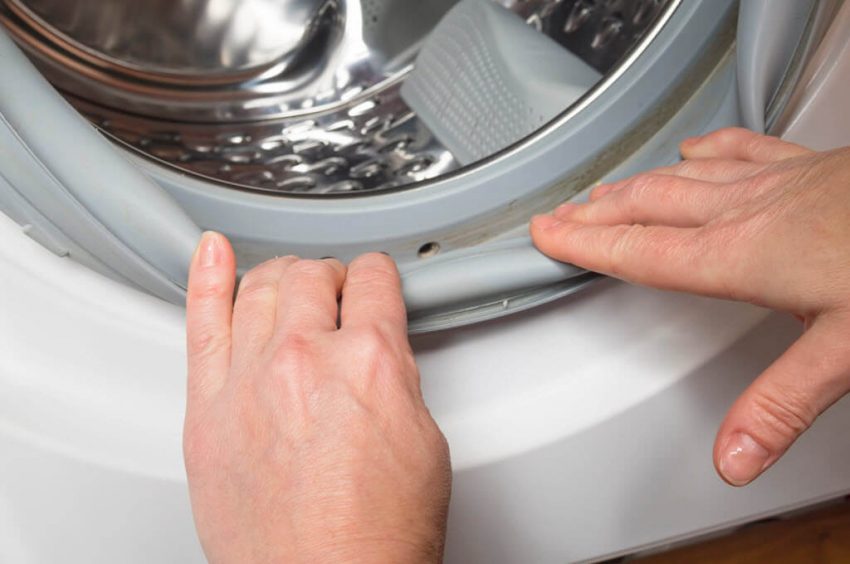
Front-load washer gasket. Pull back the rubber seal and wipe out the fold with a cloth and detergent, or with the bleach solution if the manufacturer allows. Run the machine’s cleaning cycle per the manual, wipe the gasket dry after every wash day, and leave the door and detergent drawer open between loads. Our guide to cleaning a washing machine covers the drum, drawer, and filter.
How to get rid of mold in a bathroom and shower
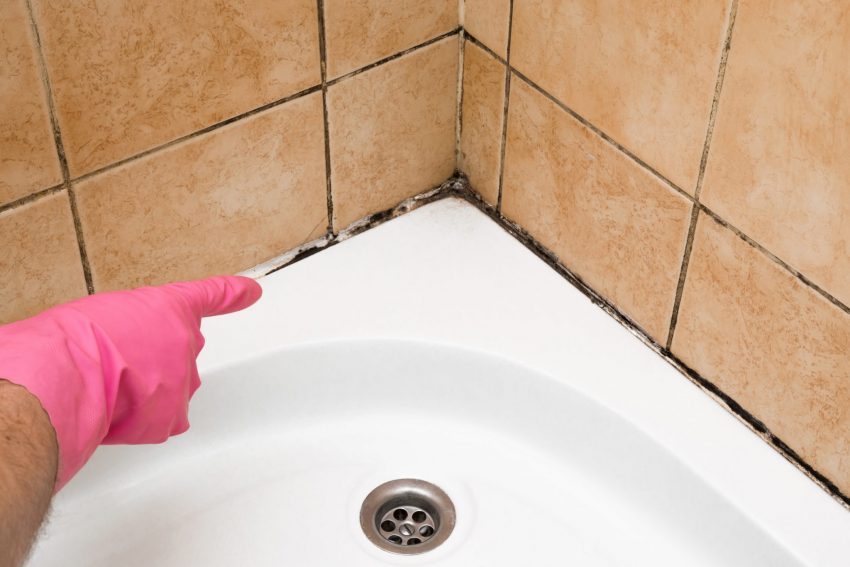
Bathrooms are damp every day, so a little mold in the shower is normal. The EPA’s bathroom advice is simple: more ventilation and more frequent cleaning keep it to a minimum.
- Grout: spray with a bathroom cleaner labeled to kill mold, or with the 1 cup per gallon bleach solution on white grout. Let it sit for the time on the label, scrub with a stiff grout brush, rinse, and dry.
- Caulk: if black spots are under the surface of silicone caulk, cleaning will not reach them. Cut the old bead out, clean and dry the joint, and recaulk with a mildew-resistant silicone.
- Shower doors and tracks: scrub with soapy water and an old toothbrush, then dry the track. Water left in the track is the most common cause of regrowth.
- Ceiling: use the wall method with an extension pole and eye protection. Then fix the ventilation, because ceiling mold means humid air is not leaving the room.
- Prevention: run the exhaust fan during and after every shower, squeegee the walls, and hang towels and bath mats to dry fully.
Pink or orange slime around drains is usually bacteria, not mold. Our pink mold guide covers it, and our mildew removal guide covers the gray film that forms on tile and fabric.
How to get rid of mold in a room, basement, or attic
When a whole room smells musty, the mold you can see is rarely all of it. Check behind furniture on exterior walls, under sinks, around windows, inside closets on outside walls, and under rugs.
Basements combine cool walls, ground moisture, and little airflow. Fix seepage and gutters, insulate cold water pipes that sweat, and run a dehumidifier. The EPA recommends keeping indoor humidity below 60 percent, ideally between 30 and 50 percent; a $10 to $50 humidity meter tells you where you stand. Our list of the best dehumidifiers for basements can help you choose one.
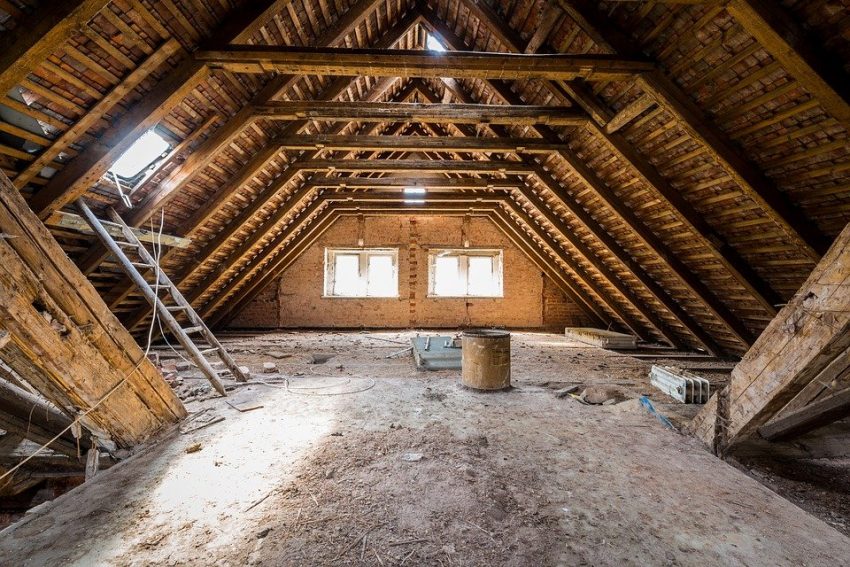
Attics get mold from roof leaks and from warm, moist house air condensing on cold roof boards. Have the roof and ventilation checked first. Moldy cardboard boxes and stored fabrics usually need to go. Widespread growth on roof sheathing is a professional job.
Inside walls. A persistent musty smell, peeling paint, or a stain that keeps returning can mean mold inside the wall cavity. Opening the wall can release a lot of spores, so this is a job for an experienced mold contractor.
How to clean mold without spreading spores
- Mist growth before you touch it. Dry brushing or dry sweeping sends spores into the air.
- Use a vacuum with a true HEPA filter, never a standard household vacuum, and empty it outside.
- Keep the room closed and the HVAC off for that area. The EPA warns not to run a system you suspect is contaminated with mold, since it can spread spores through the house.
- Work from clean areas toward the moldy one, and carry waste out in sealed bags.
- Launder your clothes and clean your tools when you finish.
Can you get rid of mold spores in the air?
No. Some spores are always floating in indoor air and settling in house dust; the EPA notes it is impossible to remove them all. They are harmless to your house as long as they have no moisture to grow on. A portable air purifier with a true HEPA filter can reduce airborne particles in a room, and a good furnace filter helps whole-house air, but neither fixes active growth. Foggers and “mold bombs” do not remove the mold itself, so the cleanup steps above still apply.
When to call a professional for mold removal
EPA guidance says most homeowners can handle mold covering less than about 10 square feet. Bring in an experienced mold remediation contractor when:
- The mold covers more than about 10 square feet, or there was a lot of water damage
- The water came from sewage or flooding
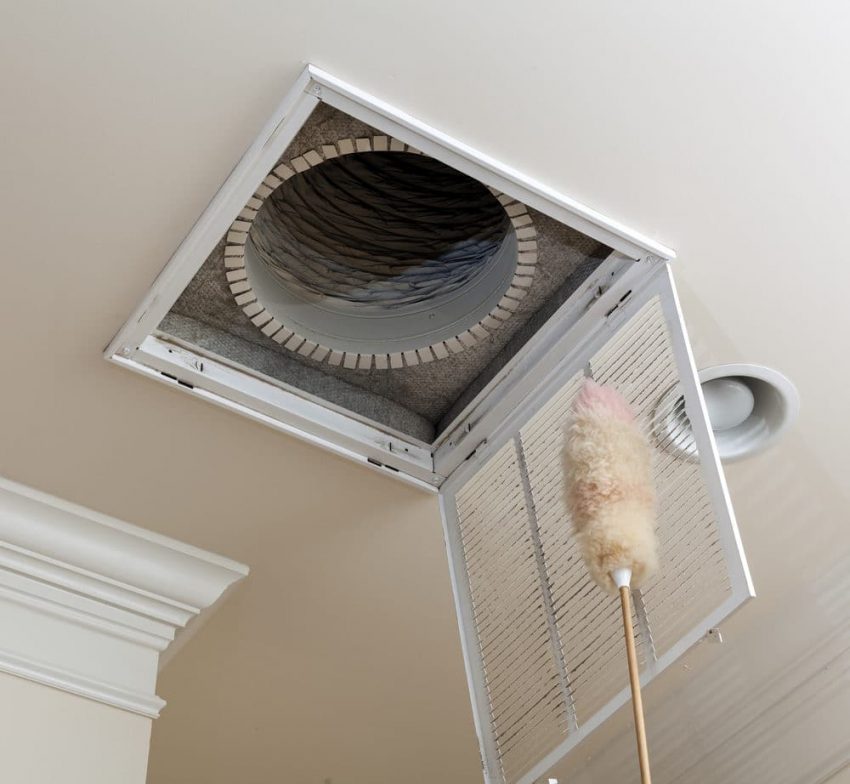
- You suspect mold in the heating, ventilation, or air conditioning system
- Mold is inside walls, under flooring, or in insulation
- Anyone in the home has asthma, allergies, a weakened immune system, or other health concerns (talk to a health professional before starting)
When hiring, ask for references and confirm the contractor follows the EPA’s remediation guidelines or similar professional standards.
How to keep mold from coming back
- Keep humidity below 60 percent, ideally 30 to 50 percent, with an air conditioner or dehumidifier.
- Run bathroom and kitchen exhaust fans that vent outdoors, and make sure the clothes dryer vents outside.
- Fix roof, plumbing, and window leaks as soon as you find them.
- Dry anything that gets wet within 24 to 48 hours.
- Avoid carpet in bathrooms and damp basements.
- Wipe condensation off windows and cold pipes when you see it.
- Clean bathrooms on a regular schedule with a product made to kill mold.
Frequently asked questions
Does hydrogen peroxide kill mold?
Household 3% hydrogen peroxide is a common choice for mold on hard surfaces. Spray it on, leave it about 10 minutes, scrub, and wipe dry. Test colored surfaces first, because it can lighten them. You still need to scrub the mold away and fix the moisture.
Can you mix vinegar and hydrogen peroxide to kill mold?
Do not mix them in the same bottle. Combined, they form peracetic acid, which can irritate or burn skin, eyes, and lungs. Use one, rinse the surface with water, and let it dry before using the other.
How do you kill mold without bleach?
Scrub with detergent and water, then use undiluted white vinegar or 3% hydrogen peroxide on hard surfaces. The EPA does not recommend bleach as a routine part of mold cleanup anyway, and it works poorly on porous materials.
Should I test my home for mold?
The CDC does not recommend routine mold testing. There are no set standards for acceptable indoor mold levels, and you need to remove mold whatever type it is. Testing can still help a professional find hidden growth.
Is dead mold still harmful?
It can be. The EPA notes that dead mold may still cause allergic reactions, so killing it is not enough. It has to be physically removed from the surface.
After a leak is repaired and any remediation is finished, the rest of the home usually needs a thorough reset. Our deep cleaning service handles the detail work, from baseboards and vents to bathrooms and kitchens. Book a deep clean online or call (844) 242-9464.