
How to Clean a Water Cooler & Dispenser Like a Pro
Pro Housekeepers is a nationwide housekeeping company. This guide shows how to clean and sanitize water coolers and dispensers — bottle, bottleless, top-load, bottom-load, and fridge dispensers — so you reduce biofilm, mineral scale, and off tastes without damaging the unit.
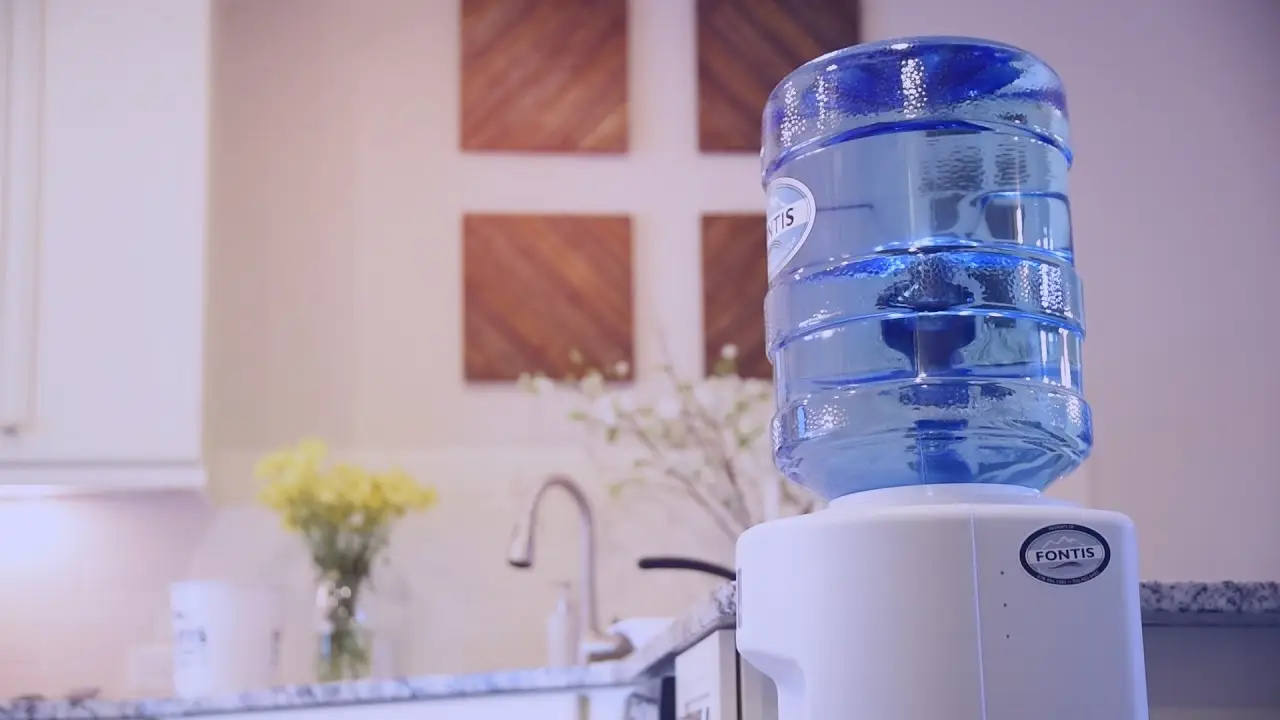
Standing water and warm reservoirs invite biofilm (a slimy bacterial film) and mold in drip trays and spigots. A regular clean keeps water tasting fresh and is especially important in offices, gyms, and homes with kids. Always unplug electric coolers before deep cleaning, and follow your manufacturer’s manual for filter changes on bottleless units.
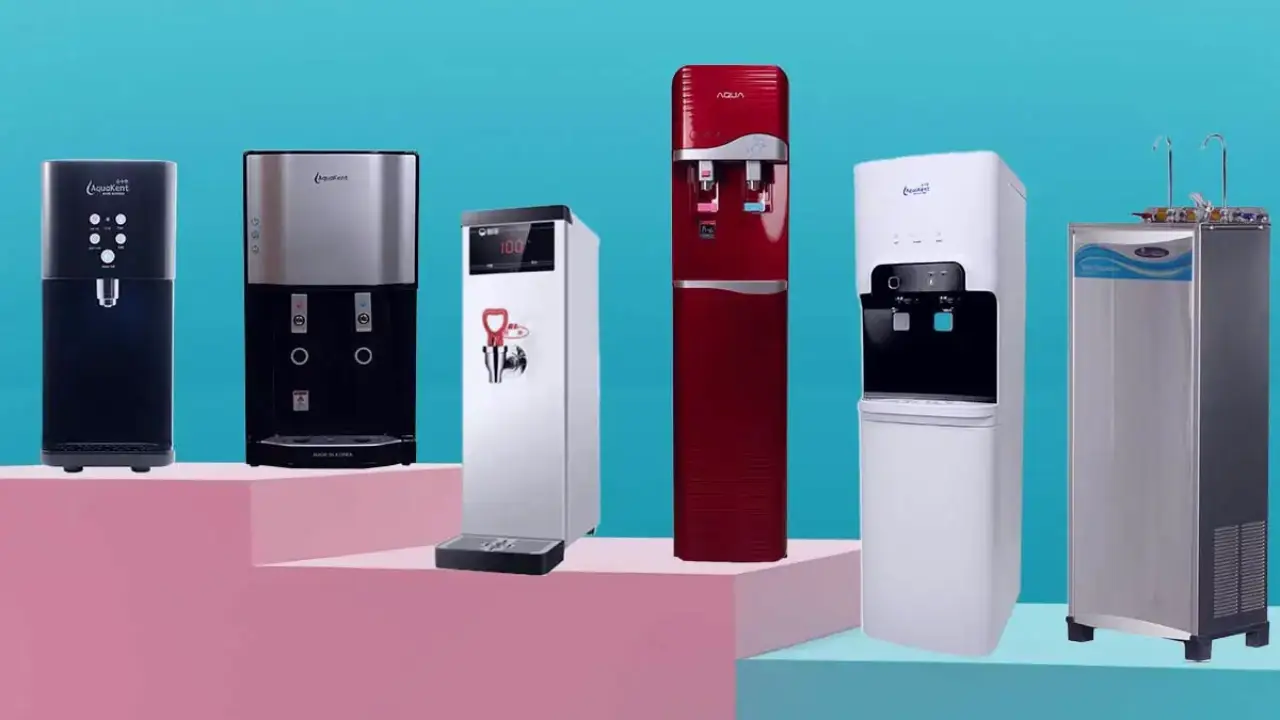
Types of water coolers
- Top-load bottled: inverted bottle feeds a cold (and sometimes hot) reservoir
- Bottom-load bottled: pump draws from a bottle in a cabinet; probe and tubing need attention
- Bottleless / POU: plumbed to a water line with filters; sanitize per maker schedule
- Fridge dispenser: door spout, chute, and sometimes a water filter inside the fridge
Why coolers need regular cleaning
- Biofilm and slime in reservoirs and spigots
- Mineral scale from hard water
- Dust and spills in drip trays
- Off odors or cloudy water after long idle periods
Many makers suggest a full sanitize every 1–3 months for bottled coolers, plus wipe-downs weekly. Increase frequency in warm climates or high-use offices.
Supplies you will need
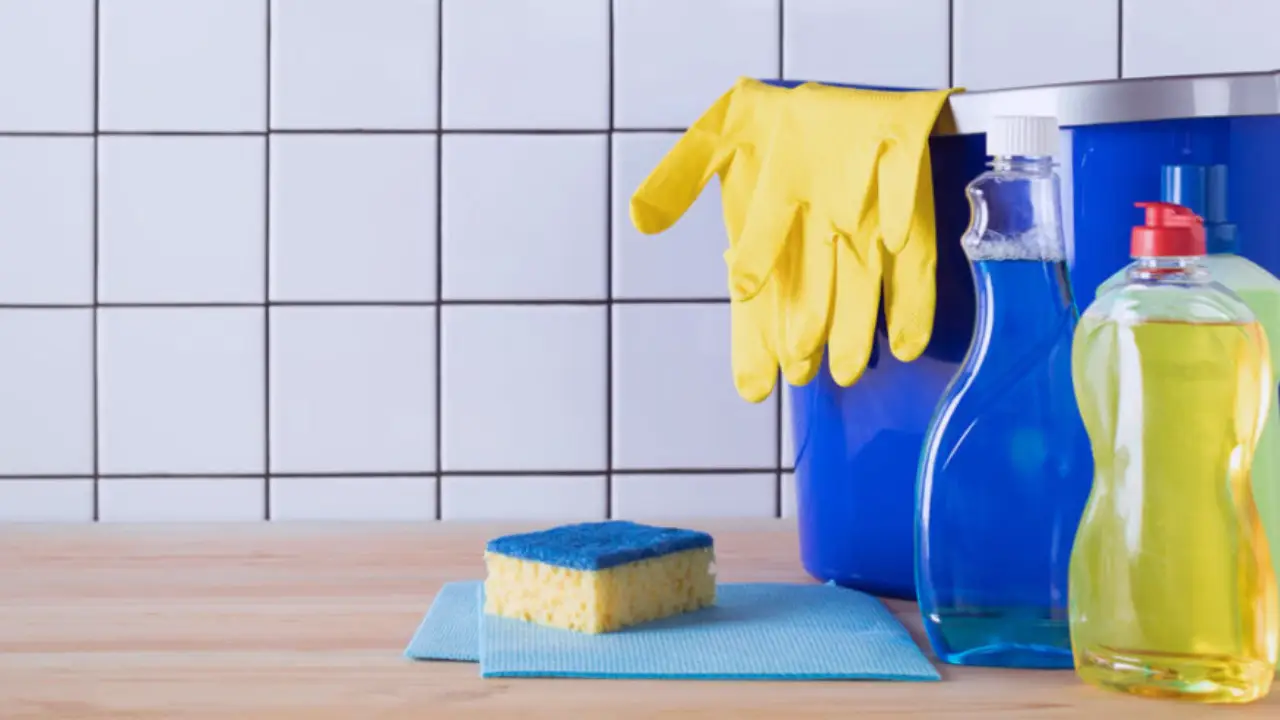
- Mild dish soap, clean cloths, soft bottle brush or spigot brush
- White vinegar for mineral scale (never mix with bleach)
- Unscented household bleach or a food-contact sanitizer labeled for water dispensers — use only one sanitizing approach, diluted correctly
- Fresh water for multiple rinses; gloves; towel for spills
Safety: never mix bleach with vinegar or ammonia. If you sanitize with dilute bleach, rinse thoroughly until no chlorine smell remains before anyone drinks from the unit. Keep bleach away from kids and pets. Unplug before opening reservoirs.
How to clean a fridge water dispenser
- Replace the fridge water filter on schedule (clogged filters taste bad and restrict flow).
- Wipe the dispenser pad and spout exterior with mild soapy water; rinse.
- Flush several gallons through the dispenser into a pitcher after filter changes.
- Clean the drip tray and ice chute if present; remove ice and wash bins per fridge manual.
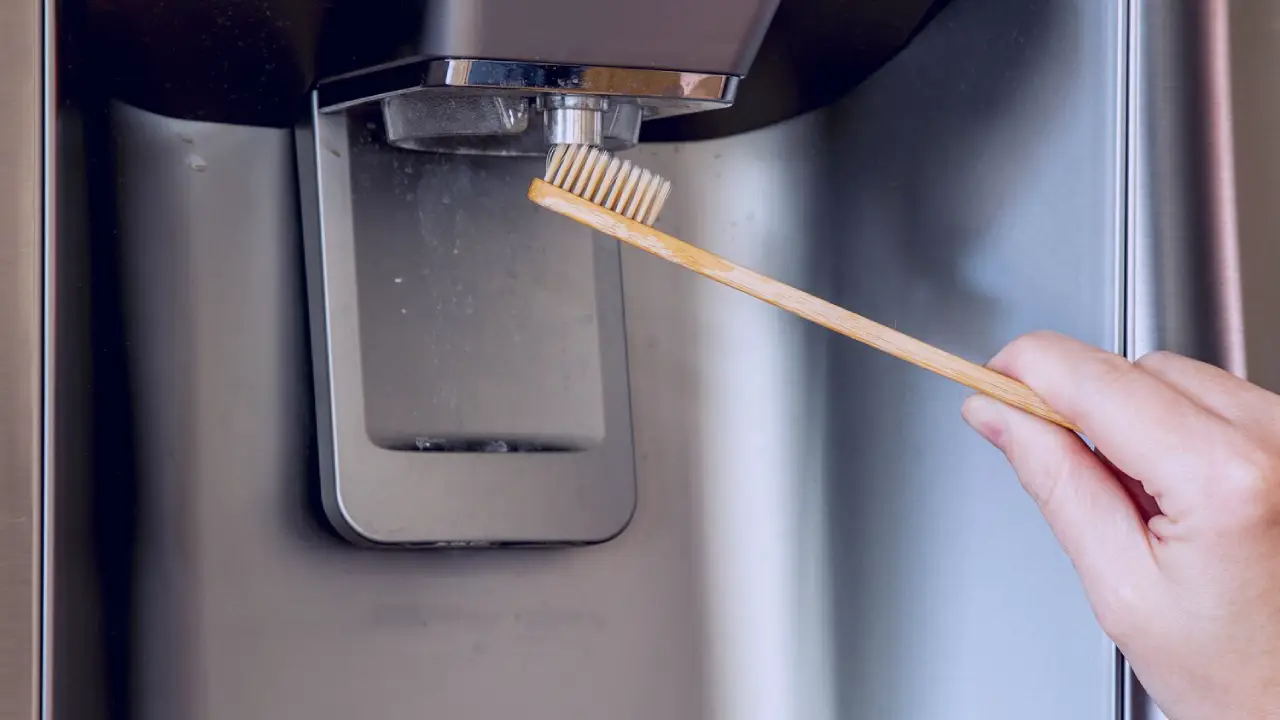
- For stubborn slime in the spout, use a narrow soft brush and soapy water — avoid abrasive pads that scratch plastic.
How to clean a top-load dispenser
- Unplug. Remove the empty (or nearly empty) bottle. Drain remaining water from the reservoir via the spigots into a bucket.
- Wash the removable drip tray, bottle collar/guard, and any removable parts in warm soapy water; rinse.
- Wipe the reservoir interior with soapy water and a soft cloth or sponge. For scale, wipe with diluted vinegar, then rinse well before any bleach step.
- Sanitize (pick one): follow the maker’s bleach dilution (often a small amount of unscented bleach in water left to contact surfaces briefly) or a commercial cooler sanitizer. Do not invent stronger mixes.
- Drain sanitizer. Rinse the reservoir and run clean water through both hot and cold spigots repeatedly until water is clear and odor-free.
- Reassemble, plug in, install a fresh bottle, and discard the first few cups if the manual recommends it.
How to clean a bottom-load dispenser
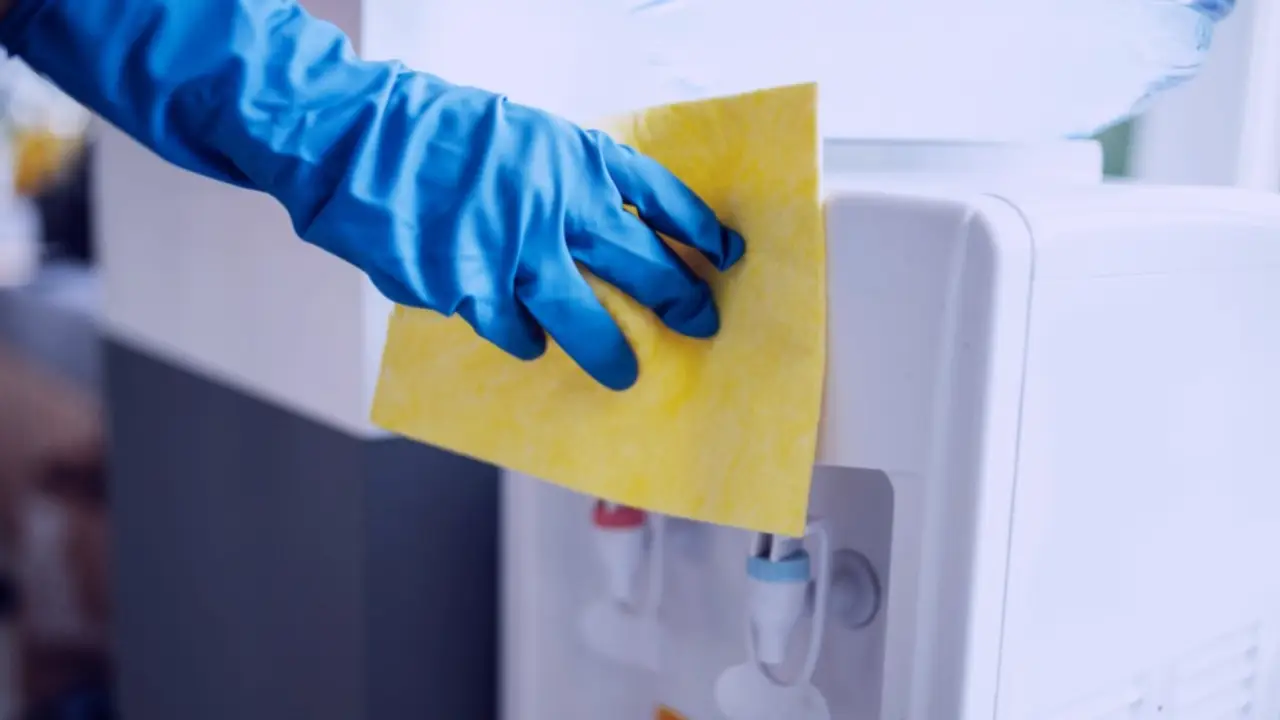
- Unplug. Remove the bottle. Clean the probe/straw that enters the bottle with soapy water and a bottle brush; rinse and sanitize per maker guidance.
- Clean drip trays, cabinet interior, and spigots the same way as top-load units.
- If your model has a removable reservoir or tubing, follow the manual — forcing parts can crack seals.
- Sanitize and rinse thoroughly. Reinstall the bottle, prime the pump if required, and flush until water tastes clean.
Bottleless units: change filters on schedule and run the manufacturer’s sanitize or flush cycle. Do not pour random cleaners into a plumbed system.
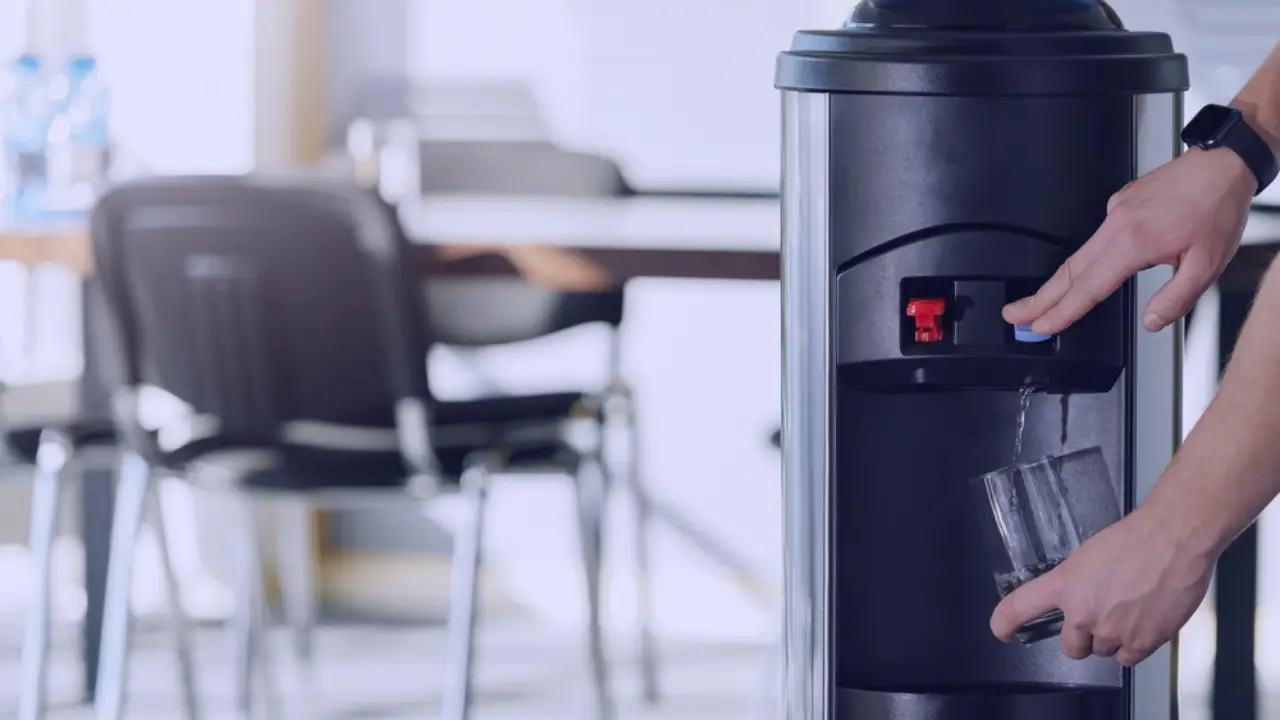
Signs it is time to clean
- Musty or plastic taste; cloudy water
- Visible slime in the drip tray or around the spigot
- Slow flow (also check filters and empty bottles)
- Unit sat unused for weeks
Frequently asked questions
Can I use only vinegar?
Vinegar helps with mineral scale but is not a complete substitute for a proper sanitizing step when biofilm is present. If you use vinegar for scale, rinse completely before any bleach-based sanitize — never mix them.
How often should I clean?
Wipe drip trays weekly; deep clean bottled coolers about every 1–3 months, or sooner with heavy use or visible slime.
Is hot water from the cooler safe after cleaning?
Yes once thoroughly rinsed. Run both taps during rinse cycles. Keep the hot tap away from small children.
Who should clean office coolers?
Facilities or a cleaning crew on a schedule. For whole-office hygiene beyond the cooler, Pro Housekeepers offers regular cleaning and deep cleaning. Related home tip: our freezer cleaning guide covers another appliance that needs periodic sanitize-and-rinse care.