
The Only Move-Out Cleaning Checklist You Need
Pro Housekeepers is a nationwide housekeeping company. This move-out cleaning checklist walks you room by room through what landlords and buyers actually inspect — appliances, cabinets, baths, baseboards, and floors — so you protect your deposit and hand over a truly broom-plus-beyond clean unit.
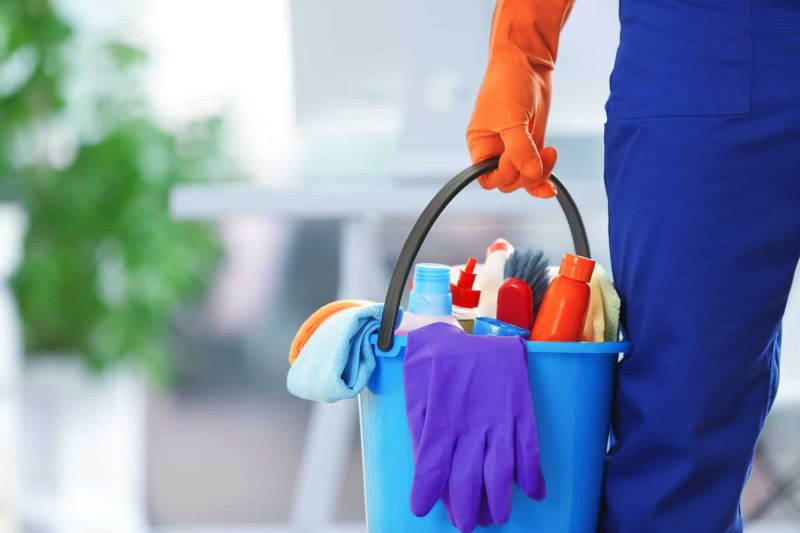
The key to move-out cleaning is working room by room from the top down, leaving floors for last, and paying extra attention to the spots landlords check first: inside appliances, inside cabinets, baseboards, light fixtures, and behind or on top of the fridge. Empty each room before you start, gather supplies, and photograph the finished condition to protect your deposit.
Why a move-out checklist matters
- Moving is overwhelming — without a plan it is easy to miss cabinets, tracks, and appliance seals.
- For tenants, a thorough clean can be the difference between getting the security deposit back or losing part of it.
- For landlords and sellers, units need to look ready before the next showing or lease start.
- Cleaning every cabinet and closet also ensures you do not leave belongings behind.
Supplies to have on hand
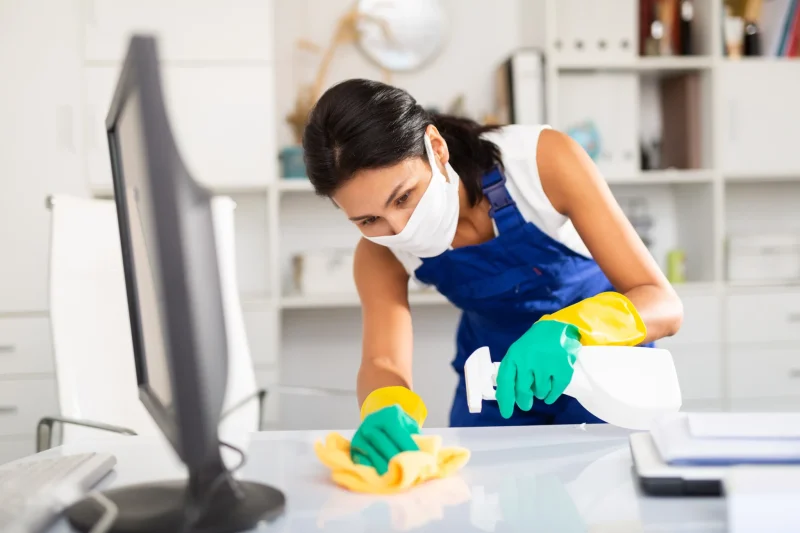
- Cleaners: all-purpose cleaner, glass cleaner, toilet cleaner, bathroom disinfectant, oven cleaner or baking-soda paste, mild dish soap, white vinegar, baking soda
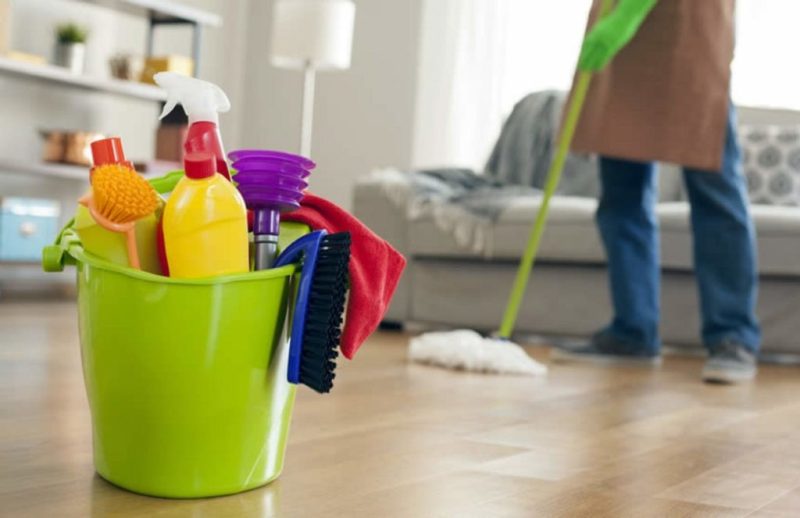
- Tools: microfiber cloths, sponges, scrub brush, broom, vacuum with attachments, mop and bucket, duster, stepladder, gloves, trash bags
- Optional: steam cleaner for carpet, wood-floor cleaner, squeegee for shower glass
Safety: never mix bleach with vinegar, ammonia, or ammonia-based glass cleaner — the mix releases toxic gas. Use one product at a time and rinse between cleaners. Ventilate while using oven cleaner or bleach.
Master checklist by room

Use this overview, then follow the detailed steps below. Adapt for dining rooms, dens, laundry, and garages.
- Kitchen: fridge, freezer, stove, oven, microwave, dishwasher, counters, cabinets, sink, baseboards, floor
- Bathroom(s): toilet, sink, tub/shower, cabinets, mirrors, exhaust fan, baseboards, floor
- Bedroom(s): closets, shelves, walls near switches, windows, light fixtures, baseboards, floors
- Living areas: windows, blinds, ceiling fans, light fixtures, doors, closets, baseboards, floors
Kitchen checklist (deposit hotspot)
Kitchens fail inspections more than any other room because of grease and appliance interiors.
- Empty counters, cabinets, and appliances completely.
- Clean appliance interiors: stove and oven (oven cleaner or baking-soda paste — apply baking soda and vinegar separately, not mixed), refrigerator and freezer shelves and door seals, microwave (steam with water and lemon), dishwasher (empty hot cycle with a dishwasher-safe cleaner if needed).
- Pull the fridge carefully if you can; wipe the floor and wall behind it and the top of the fridge.
- Wipe counters, backsplash, and grease from the range hood; wash or replace the hood filter.
- Wipe every cabinet shelf and drawer; clean exteriors and handles.
- Wash the sink and faucets; clear the disposal of debris; rinse and dry to prevent spots.
- Dust and degrease baseboards; sweep, then mop the floor last.
Bathroom checklist
- Clear counters and under-sink cabinets.
- Clean and sanitize the toilet — under the rim, seat hinges, base, and tank top. For hard-water rings, a descaler or denture tablet soak can help before scrubbing.
- Clean the sink and clear hair from the drain; polish faucets.
- Scrub tub/shower walls, floor, door tracks, and showerhead; descale if needed.
- Wipe cabinets inside and out; clean the mirror with glass cleaner.
- Dust the exhaust fan cover; wipe baseboards; sweep and mop.
Living areas and bedrooms

- Dust ceiling fans and light fixtures (greasy blades need all-purpose cleaner on a cloth).
- Dust windowsills and blinds; clean windows inside (and outside where safely reachable).
- Wipe walls near switches and door frames; clean baseboards.
- Empty and wipe closets, shelves, and built-ins.
- Vacuum thoroughly — edges and under where furniture was. For carpet, consider a steam clean if stains remain; for hard floors, sweep then mop with a surface-safe cleaner.
Landlord expectations and deposit tips
- Most leases expect “broom clean” plus reasonable appliance and bath sanitizing — not brand-new paint, but no grease, trash, or personal items.
- Photograph every room (including appliance interiors and under sinks) after cleaning and before you return keys.
- High exterior windows, roof access, and major repairs are usually not DIY move-out tasks — document and discuss with the landlord.
- Schedule extra time for the kitchen and baths; they take longer than living rooms.
Frequently asked questions
Will I get my deposit back if I clean thoroughly?
Usually yes if there is no damage beyond normal wear and tear. Photos of the empty, cleaned unit are your best evidence.
What if I cannot reach high windows or ceilings?
Document those areas and communicate with your landlord. Unsafe work is not worth a deposit dispute.
How long does a DIY move-out clean take?
A studio or one-bedroom may take half a day; a multi-bath house can take a full day or more with two people.
Should I hire move-out cleaners?
If you are short on time, moving long-distance, or the kitchen is heavily greased, pros are often cheaper than a withheld deposit. See our moving cleaning service for move-out and move-in cleans, then book online or call (844) 242-9464. For a heavier reset, use deep cleaning, and keep our move-in cleaning checklist handy on the other end of the move.