
How to Clean Outdoor Patio Furniture and Cushions
Pro Housekeepers is a nationwide housekeeping company. This guide shows how to clean outdoor patio furniture and cushions by material — plastic, resin, wicker, wrought iron, wood, and fabric — with safe product choices so you refresh the set without damaging the finish or mixing hazardous chemicals.
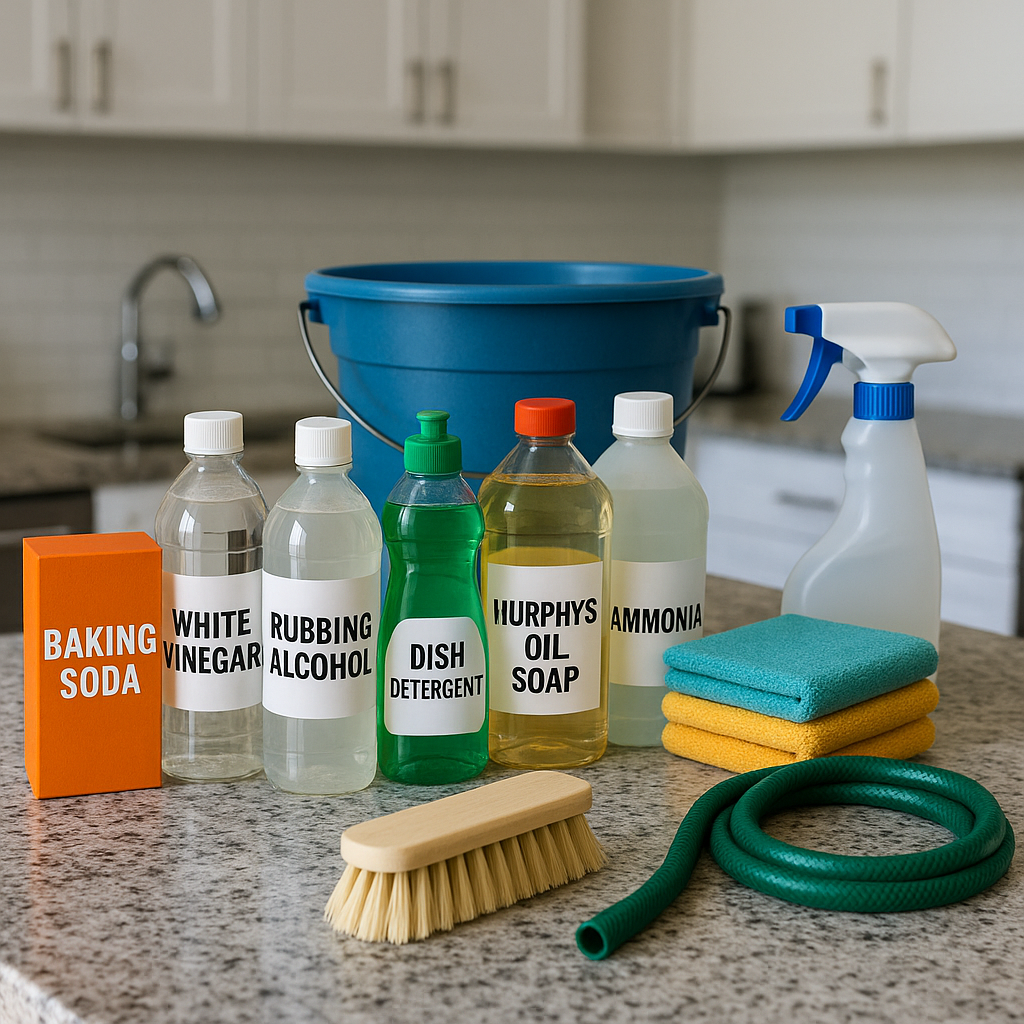
To clean outdoor patio furniture, match the method to the material: hose off loose dirt, then scrub plastic and resin with mild dish soap or a vinegar-and-water mix, wicker with soapy water and a soft brush, and painted wrought iron gently so you protect the finish. For cushions, check the care label — machine-wash removable covers when allowed, or wipe synthetics with water and vinegar. Avoid bleach except on bleach-safe fabrics, and never mix cleaning chemicals.
Why clean patio furniture?
- Mold and mildew thrive on furniture left damp; both can bother people and pets.
- Roughly 3–5% of people are allergic to mold, and damp cushions are a common outdoor reservoir.
- Cold and flu viruses can survive on hard surfaces for up to about 48 hours in typical conditions — wiping high-touch arms and tabletops after gatherings is sensible.
Clean furniture looks inviting and keeps outdoor living healthier through the season.
Types of patio furniture
- Wrought iron and other painted metals
- Aluminum
- Plastic and resin (including resin wicker)
- Natural wicker and rattan
- Wood
White vinegar is a reliable all-around outdoor cleaner when used alone and rinsed well. Here’s how to handle each material.
Cleaning products and supplies
Cleaning products |
Supplies |
Baking soda |
Bucket |
Sponges and microfiber cloths |
|
Rubbing alcohol (for sap/sticky spots) |
Spray bottle |
Mild dish detergent |
Hose or soft brush |
Murphy’s Oil Soap (wicker/wood care) |
Old toothbrush for crevices |
Ammonia (optional, wicker only — outdoors, never with bleach) |
Furniture covers for storage |
Safety note: never mix these cleaners. In particular, never combine bleach with ammonia or vinegar — that can produce toxic gas. Use one method at a time and rinse between approaches. Work outdoors or with strong airflow.
How to clean plastic and resin patio furniture
- Hose off heavy dirt; loosen debris with a soft brush. A gentle pressure-washer setting is optional if you keep distance.
- Rub stubborn sap or juice with a microfiber cloth and rubbing alcohol, then rinse.
- For molded plastic, scrub with warm water and white vinegar. Skip bleach on colored plastic — it can fade.
- For resin wicker, use mild dish soap and warm water with a toothbrush in the weave.
- For mold or mildew, spray equal parts vinegar and water, wait about 30 minutes, then rinse.
- Rinse thoroughly and air dry fully before replacing cushions.
How to clean wicker patio furniture
“Wicker” is a weave, not one material — it can be rattan, bamboo, resin, or thin wood. For resin wicker, use the plastic method above.
- Brush or vacuum debris from crevices; compressed air helps tight spots.
- Mix warm soapy water with up to two tablespoons of ammonia and clean one section at a time with a soft brush outdoors. Never add bleach to an ammonia solution.
- Tackle mildew or sticky spots with Murphy’s Oil Soap on a toothbrush.
- Rinse and air dry completely.
- Restore unfinished natural wicker by rubbing a light coat of linseed oil into dry weave with a cloth.
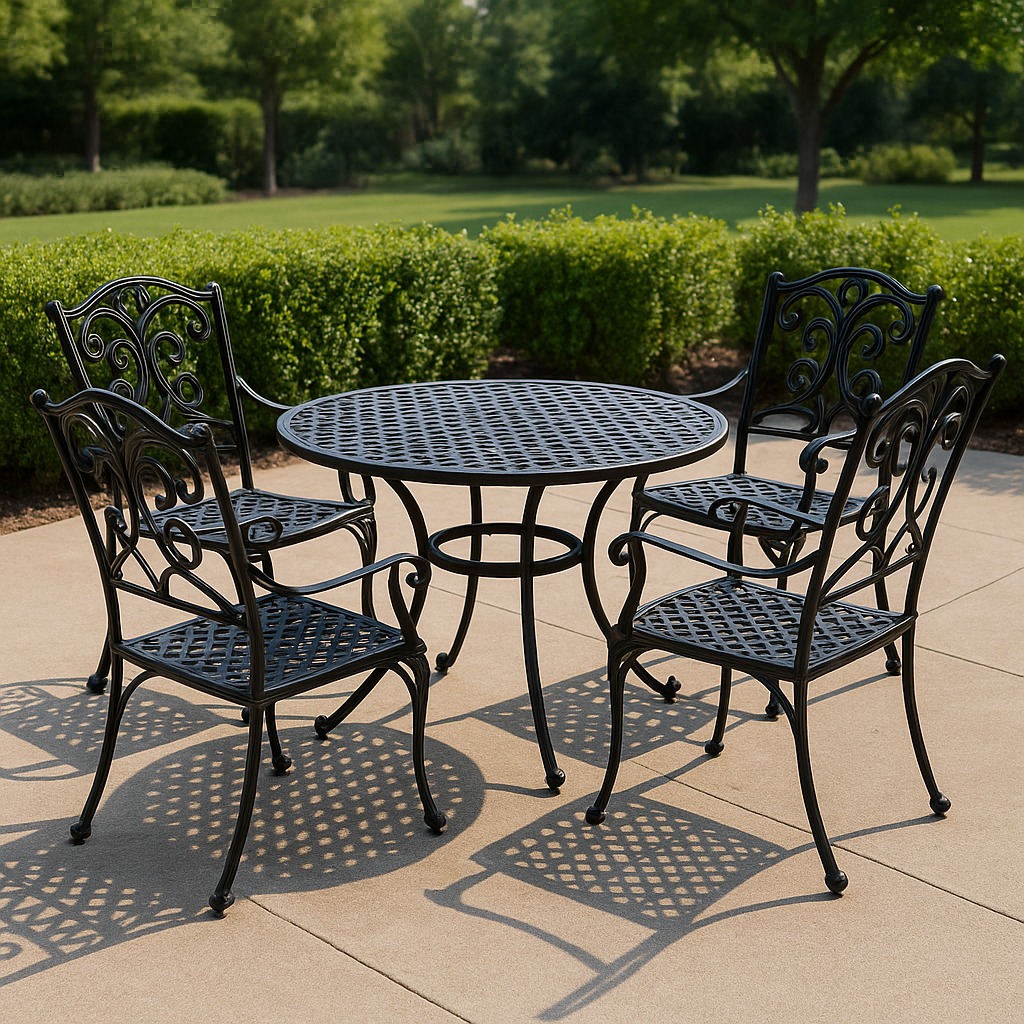
How to clean wrought iron patio furniture
Wrought iron is usually painted, so clean without stripping the finish.
- Remove cushions and hose down the frames.
- Scrub dirty spots with a brush and soapy water plus a little vinegar — firm but not aggressive on paint.
- Rinse; use a toothbrush on ornate scrollwork.
- Check for rust. Lift light rust with vinegar-and-water or fine sandpaper, then touch up paint.
- Cover furniture when not in use to slow new rust.
For aluminum and other metals, a paste of baking soda and lemon juice can help with light oxidation; rinse well. See also our tips on rust removal for related metal care.
How to clean patio cushions
Cushion material |
Products |
Method |
Tip |
Natural fabric |
Laundry detergent |
Remove covers, pretreat stains, launder per label |
Bring indoors before rain and overnight when possible |
Polypropylene |
Water/vinegar |
Wipe, rinse, air dry |
Diluted bleach may be OK on bleach-safe synthetics — alone, never mixed |
Acrylic |
Laundry detergent |
Many covers are machine washable — follow the label |
Often stain-resistant; spot clean first |
Solution-dyed fabric |
Detergent or water/vinegar |
Follow the label |
Color runs through the fiber, so fading is less likely |
Always air-dry cushions fully before storing. Damp foam left in a cover grows mildew fast. Moderate-pressure rinsing can help very dirty synthetic cushions if you stay far enough away not to force water deep into seams.
Wood patio furniture (quick care)
Brush off dirt, wash with mild soap, rinse, and dry. Oil is faster and cheaper; varnish lasts longer. Paint is fine on sound wood. Soft or rotten pieces should be replaced, not just painted over.
Frequently asked questions
What’s the best homemade cleaner for most outdoor furniture?
Warm water with mild dish soap and a little white vinegar. Use one approach at a time — don’t stack chemicals.
Oil or varnish for wooden furniture?
Both protect wood. Oil is quicker; varnish lasts longer. Choose based on how much maintenance you want.
Can I pressure wash cushions?
Sometimes, on a moderate setting and from a safe distance. High pressure can drive water into foam and damage stitching.
When should I paint instead of deep clean?
When frames are solid but tired-looking. Heavy rust or rot means replace the piece.
How do I keep the set looking good all season?
Use covers between uses, wipe spills promptly, and clean thoroughly before winter storage.
Need the indoor house matching the patio? Book Pro Housekeepers’ regular cleaning or a seasonal deep cleaning while you tackle the outdoor set.